Author: Jennifer

  • Continuous Glucose Monitoring: Managing Diabetes and Improving Outcomes

    Continuous Glucose Monitoring: Managing Diabetes and Improving Outcomes

    Diabetes is a chronic illness that affects millions of people worldwide. It is characterized by high blood sugar levels that can lead to a range of complications, including heart disease, kidney failure, and blindness. Managing diabetes requires careful monitoring of blood sugar levels and making lifestyle changes to maintain healthy levels. One tool that has been increasingly used in recent years to help manage diabetes is continuous glucose monitoring (CGM).

    What is Continuous Glucose Monitoring?

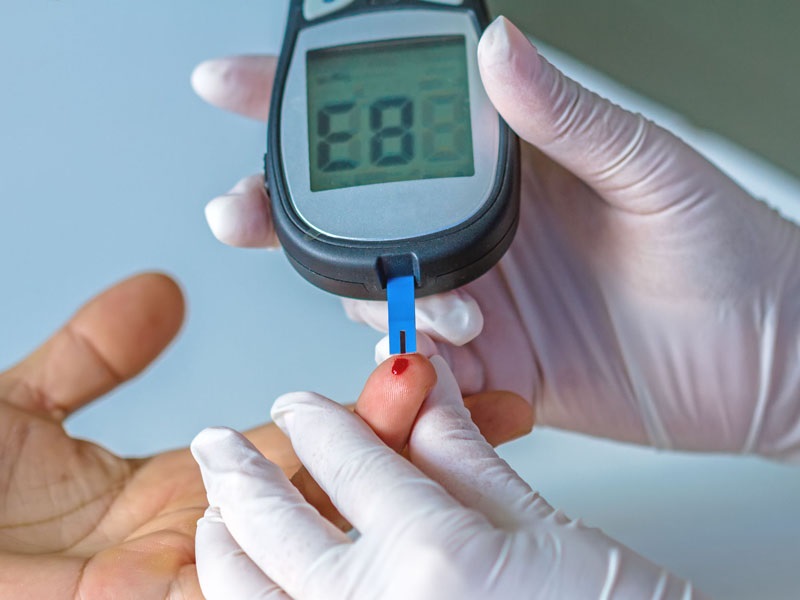
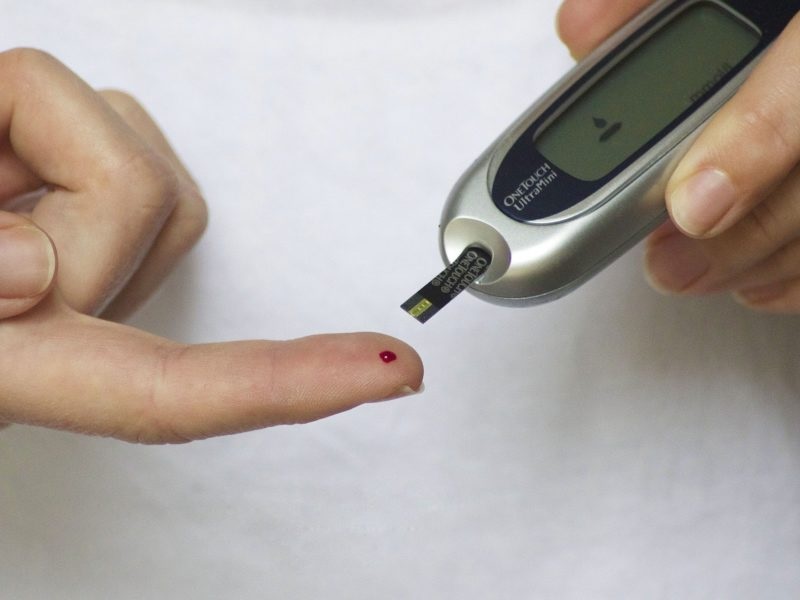
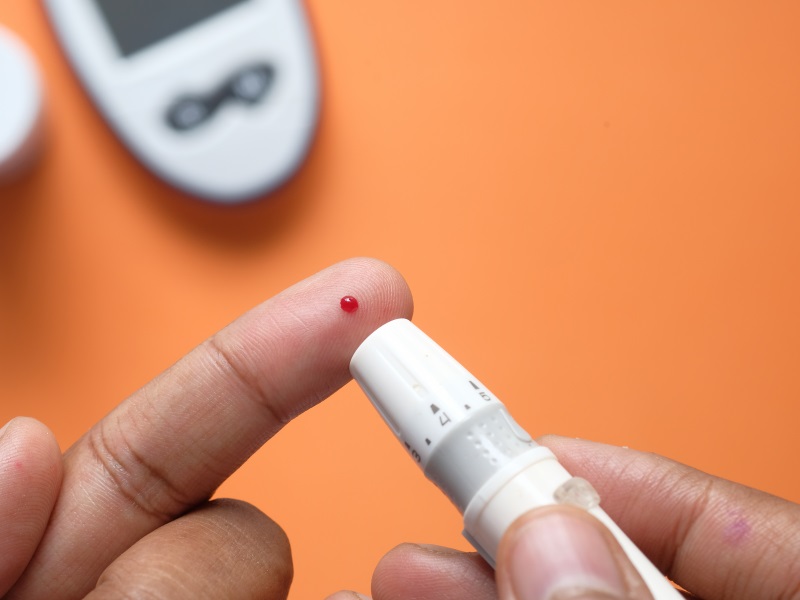
    Continuous glucose monitoring involves wearing a small sensor on the skin that measures blood sugar levels throughout the day. The sensor is connected to a transmitter that sends the data to a receiver or smartphone app, allowing the user to see their blood sugar levels in real-time and track trends over time. CGM can provide more detailed information about blood sugar levels than traditional blood glucose testing, which involves pricking the finger and testing a drop of blood.

    How Does Continuous Glucose Monitoring Help Manage Diabetes?

    CGM can help people with diabetes manage their blood sugar levels more effectively by providing more detailed information about how different foods, activities, and medications affect their blood sugar levels. By tracking blood sugar levels in real-time, CGM can also help people avoid dangerous highs and lows that can lead to complications.

    CGM can also help people with diabetes make more informed decisions about their diet and exercise habits. For example, if someone sees that their blood sugar levels spike after eating a certain type of food, they can make changes to their diet to avoid those spikes in the future.

    Improving Outcomes with Continuous Glucose Monitoring

    Studies have shown that using CGM can lead to improved diabetes outcomes, including better blood sugar control and reduced risk of complications. One study published in Diabetes Care found that people with type 1 diabetes who used CGM had better blood sugar control and fewer episodes of hypoglycemia compared to those who used traditional blood glucose testing.

    Another study published in The Lancet Diabetes & Endocrinology found that using CGM led to significant reductions in A1C levels (a measure of blood sugar control over time) in people with type 2 diabetes. The study also found that CGM use was associated with improved quality of life and reduced diabetes-related distress.

    Continuous glucose monitoring is a valuable tool for managing diabetes and improving outcomes. By providing detailed information about blood sugar levels in real-time, CGM can help people with diabetes make more informed decisions about their diet, exercise, and medication habits. Studies have shown that using CGM can lead to better blood sugar control and reduced risk of complications. If you have diabetes and are looking for ways to better manage your blood sugar levels, talk to your healthcare provider about whether continuous glucose monitoring may be right for you.

  • Stress Management and Diabetes: Importance and Strategies

    Stress Management and Diabetes: Importance and Strategies

    Diabetes is a chronic disease that affects millions of people worldwide. It occurs when the body is unable to properly use and store glucose, leading to high levels of sugar in the blood. While genetics and lifestyle factors such as diet and exercise play a significant role in the development of diabetes, stress is also a major contributing factor.

    The Link Between Stress and Diabetes

    Stress triggers the body’s “fight or flight” response, causing a surge in hormones such as cortisol and adrenaline. These hormones increase blood sugar levels, making it harder for the body to regulate glucose. Over time, chronic stress can lead to insulin resistance, a condition in which the body becomes less responsive to insulin, the hormone that regulates blood sugar levels.

    Insulin resistance is a key factor in the development of type 2 diabetes, the most common form of the disease. In addition, stress can also lead to unhealthy coping mechanisms such as overeating or smoking, which further increase the risk of diabetes.

    The Benefits of Stress Management

    Managing stress is essential for preventing and managing diabetes. By reducing stress levels, the body is better able to regulate blood sugar and insulin levels. In addition, stress management can help individuals make healthier lifestyle choices, such as eating a balanced diet, exercising regularly, and getting enough sleep.

    There are many effective stress management techniques, including:

    • Exercise: Physical activity releases endorphins, which can help reduce stress levels.
    • Meditation: Mindfulness practices such as meditation or deep breathing can help calm the mind and reduce stress.
    • Yoga: Yoga combines physical movement with mindfulness practices, making it an effective stress management tool.
    • Talk therapy: Speaking with a therapist can help individuals identify and manage sources of stress in their lives.
    • Time management: Learning to prioritize tasks and manage time effectively can reduce feelings of overwhelm and stress.

    Incorporating Stress Management into Diabetes Management

    For individuals with diabetes, stress management should be an integral part of their overall diabetes management plan. By reducing stress levels, individuals can improve their blood sugar control and reduce the risk of complications such as heart disease and nerve damage.

    Diabetes management should also include regular monitoring of blood sugar levels, taking medication as prescribed, and making healthy lifestyle choices such as following a balanced diet and exercising regularly.

    Stress is a major contributing factor in the development of diabetes, but it is also a modifiable risk factor. By incorporating stress management techniques into their daily routine, individuals can reduce their risk of developing diabetes and improve their overall health and well-being.

  • Wearable Fitness Technology: Tracking Progress and Improving Outcomes

    Wearable Fitness Technology: Tracking Progress and Improving Outcomes

    In recent years, wearable fitness technology has become increasingly popular as people become more health-conscious and seek ways to track their progress and improve their outcomes. These devices, such as fitness trackers, smartwatches, and heart rate monitors, have revolutionized the way we approach fitness and wellness.

    What is Wearable Fitness Technology?

    Wearable fitness technology refers to devices that can be worn on the body, usually on the wrist or chest, that track various metrics related to fitness and health. These devices typically use sensors to collect data on activity levels, heart rate, sleep patterns, and other health-related metrics. The data is then transmitted to a smartphone or computer, where it can be analyzed and used to track progress and make improvements.

    How Does Wearable Fitness Technology Work?

    The technology used in wearable fitness devices can vary depending on the device and the specific metrics being tracked. However, most devices use sensors to collect data on various aspects of fitness and health. For example, a fitness tracker might use an accelerometer to track the number of steps taken, while a heart rate monitor might use an optical sensor to measure heart rate.

    Once the data has been collected, it is transmitted to a smartphone or computer using Bluetooth or another wireless technology. This allows the user to track their progress over time and make adjustments to their fitness routine as needed.

    The Benefits of Wearable Fitness Technology

    There are many benefits to using wearable fitness technology to track progress and improve outcomes. Some of the most significant benefits include:

    • Increased Motivation: Wearable fitness technology can help motivate users to stay active and reach their fitness goals by providing real-time feedback on their progress.
    • Better Tracking: With wearable fitness technology, users can track their progress more accurately than ever before. This can help them make more informed decisions about their fitness routine and make adjustments as needed.
    • Improved Outcomes: By tracking progress and making adjustments to their fitness routine, users can improve their outcomes and achieve their fitness goals more efficiently.

    Wearable fitness technology has revolutionized the way we approach fitness and wellness. By providing real-time feedback on our progress and allowing us to track our fitness metrics more accurately, these devices have helped us achieve our fitness goals more efficiently than ever before. Whether you’re a seasoned athlete or just starting on your fitness journey, wearable fitness technology can help you reach your goals and improve your overall health and well-being.

  • Active Recovery Days: Benefits for Fitness and Recovery

    Active Recovery Days: Benefits for Fitness and Recovery

    When it comes to fitness, most people think of hitting the gym hard, pushing themselves to the limit, and sweating buckets. While intense workouts are great for building strength, endurance, and achieving fitness goals, it’s equally important to give your body the rest and recovery it needs. That’s where active recovery comes in.

    Active Recovery Days: Benefits for Fitness and Recovery

    What is Active Recovery?

    Active recovery is a form of low-intensity exercise that helps improve blood circulation, reduce muscle soreness, and enhance overall recovery. Unlike complete rest days, active recovery involves performing light exercises that get the blood flowing and muscles moving without putting too much stress on the body.

    The Benefits of Active Recovery Days

    Here are some of the top benefits of incorporating active recovery days into your fitness routine:

    • Reduces Muscle Soreness: Active recovery helps reduce muscle soreness by improving blood flow to the muscles. This helps flush out lactic acid and other waste products that can accumulate during intense workouts.
    • Enhances Recovery: Active recovery helps promote recovery by increasing blood flow and oxygen to the muscles. This helps repair damaged tissues and reduces inflammation.
    • Improves Flexibility: Active recovery exercises such as stretching and yoga can help improve flexibility, which is crucial for preventing injuries and improving overall performance.
    • Boosts Mood: Active recovery exercises such as walking, swimming, or cycling can help reduce stress and anxiety, and boost mood and energy levels.
    • Prevents Overtraining: Overtraining can lead to burnout, fatigue, and injuries. Incorporating active recovery days into your routine can help prevent overtraining and keep you motivated to continue your fitness journey.

    Examples of Active Recovery Exercises

    Here are some examples of low-intensity exercises that you can incorporate into your active recovery days:

    1. Walking: Walking is a great way to get some low-impact exercise and improve blood circulation. Aim for at least 30 minutes of brisk walking per day.
    2. Swimming: Swimming is a low-impact, full-body workout that can help improve endurance, flexibility, and overall fitness.
    3. Cycling: Cycling is another low-impact exercise that can help improve cardiovascular health and build leg strength.
    4. Yoga: Yoga is a great way to improve flexibility, reduce stress, and enhance overall well-being.
    5. Foam Rolling: Foam rolling is a form of self-massage that can help reduce muscle soreness and improve range of motion.

    Remember, active recovery doesn’t have to be complicated or time-consuming. It’s simply a way to give your body the rest and recovery it needs to perform at its best. So, next time you’re feeling sore or fatigued after a workout, try incorporating some low-intensity exercises into your routine and enjoy the many benefits of active recovery.

  • Nursing and Health Disparities: Promoting Equitable Care

    Nursing and Health Disparities: Promoting Equitable Care

    Health disparities refer to differences in health outcomes among different groups of people. These differences are often caused by social, economic, and environmental factors, and they tend to affect marginalized communities the most. In the United States, health disparities are particularly prevalent among racial and ethnic minorities, low-income individuals, and rural populations. Nurses play a critical role in addressing these disparities and promoting equitable care for all patients.

    Nursing and Health Disparities: Promoting Equitable Care

    Understanding Health Disparities

    Health disparities are a complex issue that requires a multi-faceted approach to address. Some of the most common factors that contribute to health disparities include:

    • Racism and discrimination
    • Poverty and lack of access to healthcare
    • Environmental factors such as pollution and poor housing conditions
    • Education and employment opportunities

    These factors can lead to significant differences in health outcomes for different groups of people. For example, African Americans are more likely to die from heart disease, cancer, and stroke than white Americans. Hispanic Americans are more likely to be diagnosed with diabetes and suffer from complications related to the disease. Native Americans have higher rates of obesity, substance abuse, and suicide than the general population.

    The Role of Nursing

    Nurses are on the front lines of healthcare and play a critical role in addressing health disparities and promoting equitable care. Some of the ways that nurses can make a difference include:

    • Advocacy: Nurses can advocate for policies and practices that promote health equity and address the root causes of health disparities. This may involve working with community organizations, lobbying for legislative change, and speaking out against discrimination and bias in healthcare.
    • Cultural Competence: Nurses should be culturally competent and sensitive to the unique needs of different patient populations. This may involve learning about different cultural beliefs and practices, understanding the impact of historical trauma and oppression, and providing care that is respectful and responsive to patients’ needs.
    • Education: Nurses can educate patients and their families about the importance of preventive care, healthy lifestyles, and disease management. This may involve providing health education materials, offering classes and workshops, and working with community organizations to promote health literacy.
    • Collaboration: Nurses can work collaboratively with other healthcare providers and community organizations to improve access to care and address the social determinants of health. This may involve partnering with social workers, public health officials, and community health workers to provide comprehensive, coordinated care.

    Promoting Equitable Care

    Equitable care means providing high-quality, patient-centered care to all patients, regardless of their race, ethnicity, income, or geographic location. Nurses can promote equitable care by:

    • Eliminating Bias: Nurses should be aware of their own biases and work to eliminate them. This may involve examining their own assumptions and stereotypes, seeking feedback from patients and colleagues, and engaging in ongoing education and self-reflection.
    • Addressing Social Determinants of Health: Nurses can work to address the social determinants of health that contribute to health disparities. This may involve advocating for policies that promote economic and social justice, providing resources and support to patients and families, and partnering with community organizations to address systemic issues.
    • Patient-Centered Care: Nurses should provide care that is respectful, responsive, and patient-centered. This may involve listening to patients’ concerns, involving them in decision-making, and tailoring care to their individual needs and preferences.

    Nurses play a critical role in addressing health disparities and promoting equitable care for all patients. By advocating for policies that address the root causes of health disparities, providing culturally competent and sensitive care, educating patients and families, and working collaboratively with other healthcare providers and community organizations, nurses can make a significant difference in improving health outcomes and promoting health equity for all.

  • Emerging Technologies in Nursing: Revolutionizing Patient Care

    Emerging Technologies in Nursing: Revolutionizing Patient Care

    The nursing profession is constantly evolving and adapting to new technologies that improve patient outcomes. As healthcare continues to advance, nurses must keep up with the latest tools and techniques to provide the best care possible. In this article, we will explore some of the emerging technologies that are poised to make a significant impact on the future of nursing.

    Artificial Intelligence (AI)

    AI has the potential to revolutionize the way nurses work. It can be used to analyze patient data and provide insights into the best treatment options. AI-powered tools can also help nurses identify patients who are at risk of developing certain conditions, allowing them to take preventive measures before it’s too late. Additionally, AI can be used to monitor patients remotely, reducing the need for in-person visits and freeing up nurses’ time.

    Virtual Reality (VR)

    VR is another technology that has the potential to transform nursing. It can be used to train nurses in a safe, simulated environment, allowing them to practice complex procedures without putting patients at risk. VR can also be used to provide patients with immersive experiences that help them manage pain and anxiety. For example, VR can be used to create calming environments that distract patients during uncomfortable procedures.

    Robotics

    Robotics is another technology that is poised to make a big impact on nursing. Robots can be used to perform repetitive tasks, freeing up nurses to focus on more complex patient care. They can also be used to assist with patient mobility, reducing the risk of falls and injuries. Additionally, robots can be used to deliver medications and other supplies, reducing the risk of errors and improving efficiency.

    Wearable Devices

    Wearable devices are becoming increasingly popular in healthcare, and for good reason. They can be used to monitor patients’ vital signs and track their activity levels, providing nurses with real-time data that can inform treatment decisions. Wearable devices can also be used to remind patients to take their medications and track their adherence to treatment plans.

    The future of nursing is bright, thanks to the emerging technologies that are on the horizon. AI, VR, robotics, and wearable devices all have the potential to revolutionize the way nurses work and improve patient outcomes. As these technologies continue to develop, it will be important for nurses to embrace them and adapt to the changing healthcare landscape.

  • Low-Carb Diets and Blood Sugar Levels: Exploring Effectiveness

    Low-Carb Diets and Blood Sugar Levels: Exploring Effectiveness

    Low-carb diets have gained widespread popularity in recent years, with many people turning to this approach in an effort to manage their blood sugar levels and lose weight. But how effective are these diets, and what does the science say about their impact on our health?

    The Basics of Low-Carb Diets

    Low-carb diets typically involve reducing the amount of carbohydrates you consume, while increasing your intake of protein and healthy fats. This can be achieved by cutting out or limiting foods such as bread, pasta, rice, and sugary snacks, and focusing instead on foods such as meat, fish, eggs, nuts, and leafy greens.

    One of the main benefits of a low-carb diet is that it can help to stabilize blood sugar levels. When we eat carbohydrates, our bodies break them down into glucose, which is then used for energy. However, if we consume too many carbs at once, our blood sugar levels can spike, leading to a crash later on. By reducing carb intake, we can prevent these spikes and crashes, and maintain more stable blood sugar levels throughout the day.

    The Impact on Weight Loss

    But what about weight loss? Can a low-carb diet really help us shed the pounds? The answer appears to be yes. Several studies have shown that people who follow a low-carb diet tend to lose more weight than those who follow a low-fat diet.

    One study published in the Annals of Internal Medicine found that people who followed a low-carb diet for one year lost an average of 7.7 pounds more than those who followed a low-fat diet. Another study published in the New England Journal of Medicine found that people who followed a low-carb diet for six months lost an average of 15.2 pounds, compared to just 4.6 pounds for those on a low-fat diet.

    The Potential Risks

    While low-carb diets can be effective for managing blood sugar levels and weight loss, they are not without potential risks. Some experts warn that consuming too much fat and protein can increase the risk of heart disease, while others caution that low-carb diets may lead to nutrient deficiencies if not properly balanced.

    It’s also important to note that not everyone may benefit from a low-carb diet. People with certain medical conditions, such as kidney disease, may need to limit their protein intake, while those with diabetes may require a different approach to managing blood sugar levels.

    The Bottom Line

    Overall, low-carb diets can be an effective tool for managing blood sugar levels and weight loss. However, it’s important to approach this approach with caution and to seek guidance from a qualified healthcare professional. By working with a healthcare provider, you can develop a personalized plan that takes into account your individual needs and goals, and ensures that you are getting the nutrients your body needs to stay healthy.

  • Social Connections and Health: Importance for Mental and Physical Well-being

    Social Connections and Health: Importance for Mental and Physical Well-being

    As social creatures, human beings thrive on regular social interactions. However, in today’s fast-paced world, it’s easy to get caught up in the daily grind and forget about the importance of connecting with others. This is unfortunate because social connections play a crucial role in maintaining both mental and physical health.

    Social Connections and Health: Importance for Mental and Physical Well-being

    Mental Health Benefits of Social Connections

    Regular social connections have been linked to improved mental health and well-being. Studies have shown that people who have strong social connections are less likely to experience depression, anxiety, and loneliness. Social connections can provide emotional support, a sense of belonging, and a feeling of purpose, all of which are important for mental health.

    Additionally, social connections can help reduce stress levels. When we spend time with friends, family, or colleagues, we release oxytocin, a hormone that helps us feel calm and relaxed. This can help reduce the negative effects of stress on our mental health.

    Physical Health Benefits of Social Connections

    Regular social connections can also have a positive impact on our physical health. Studies have shown that people who have strong social connections are less likely to develop chronic diseases such as heart disease, diabetes, and cancer. This may be because social connections can help reduce stress levels, which can have a negative impact on our physical health.

    In addition, social connections can encourage healthy behaviors. For example, if we have friends who enjoy exercising, we may be more likely to join them for a workout. Likewise, if we have friends who enjoy cooking healthy meals, we may be more likely to adopt healthier eating habits.

    How to Maintain Social Connections

    Maintaining social connections can be challenging, especially in today’s digital age. However, there are many ways to stay connected with others. Here are a few tips:

    • Make time for social activities: Try to schedule regular social activities with friends, family, or colleagues.
    • Join a club or organization: Joining a club or organization can be a great way to meet new people with similar interests.
    • Volunteer: Volunteering can be a rewarding way to connect with others and give back to your community.
    • Use social media wisely: While social media can be a great way to stay connected, it’s important to use it wisely. Try to limit your time on social media and focus on building real-life connections.

    Regular social connections are important for both mental and physical health. They can provide emotional support, reduce stress levels, and encourage healthy behaviors. While maintaining social connections can be challenging, it’s important to make it a priority. By making time for social activities, joining clubs or organizations, volunteering, and using social media wisely, we can build strong and meaningful connections with others.

  • Self-Care Practices for Nursing: Preventing Burnout and Enhancing Well-being

    Self-Care Practices for Nursing: Preventing Burnout and Enhancing Well-being

    Burnout is an all too common experience for nurses. Long hours, high levels of stress, and emotionally demanding work can all contribute to burnout. However, incorporating self-care practices into nursing routines can help prevent burnout and promote a healthier work environment.

    Self-Care Practices for Nursing: Preventing Burnout and Enhancing Well-being

    What is Burnout?

    Burnout is a state of emotional, physical, and mental exhaustion caused by excessive and prolonged stress. It is characterized by feelings of cynicism, detachment, and a sense of ineffectiveness and lack of accomplishment. Burnout can lead to a range of negative outcomes, including decreased job satisfaction, increased turnover, and decreased quality of patient care.

    Why is Self-Care Important?

    Self-care is an essential component of maintaining physical, emotional, and mental well-being. It involves taking deliberate actions to care for oneself in a way that promotes health and reduces stress. Self-care practices can range from exercise and healthy eating to mindfulness and meditation.

    For nurses, self-care is particularly important due to the high levels of stress associated with the profession. Incorporating self-care practices into nursing routines can help prevent burnout and promote a healthier work environment. Self-care can help nurses manage stress, improve job satisfaction, and increase overall well-being.

    How to Incorporate Self-Care into Nursing Routines

    There are many ways nurses can incorporate self-care practices into their daily routines. Here are a few examples:

    • Take breaks: It can be easy to get caught up in work and forget to take breaks. However, taking short breaks throughout the day can help prevent burnout and improve productivity.
    • Engage in physical activity: Exercise is a great way to reduce stress and improve overall health. Nurses can incorporate physical activity into their daily routines by taking the stairs instead of the elevator or going for a walk on their lunch break.
    • Practice mindfulness: Mindfulness involves being present in the moment and paying attention to one’s thoughts and feelings without judgment. Nurses can practice mindfulness by taking a few minutes to focus on their breathing or using a mindfulness app during breaks.
    • Connect with others: Social support is important for maintaining emotional well-being. Nurses can connect with colleagues or friends outside of work to reduce stress and promote a sense of community.
    • Take care of basic needs: Basic self-care activities such as getting enough sleep, eating healthy foods, and staying hydrated are essential for overall well-being. Nurses can prioritize these activities by setting aside time for meal breaks and ensuring they get enough rest.

    The Benefits of Incorporating Self-Care Practices

    Incorporating self-care practices into nursing routines can have a range of benefits, including:

    • Reduced stress: Self-care practices can help nurses manage stress and prevent burnout.
    • Improved job satisfaction: Taking care of oneself can lead to increased job satisfaction and a greater sense of accomplishment.
    • Increased productivity: Self-care practices can improve focus and productivity, leading to better patient care.
    • Better patient outcomes: Nurses who prioritize self-care are better equipped to provide high-quality care to their patients.

    Self-care is an essential component of maintaining well-being and preventing burnout for nurses. By incorporating self-care practices into their daily routines, nurses can manage stress, improve job satisfaction, and provide better care to their patients.

  • Mental Health Support: Promoting Well-being for People with Disabilities

    Mental Health Support: Promoting Well-being for People with Disabilities

    Living with a disability can be challenging, and it can take a toll on a person’s mental health. Disability can cause physical limitations, emotional stress, and social isolation, which can all contribute to mental health issues. Mental health support is essential for people with disabilities to promote well-being and resilience.

    Mental Health Support: Promoting Well-being for People with Disabilities

    The Importance of Mental Health Support for People with Disabilities

    Mental health support can help people with disabilities to manage their emotions, cope with stress and anxiety, and improve their overall well-being. It can also help them to build resilience, which is the ability to bounce back from difficult situations.

    People with disabilities are more likely to experience mental health issues than those without disabilities. According to the World Health Organization, depression is the leading cause of disability worldwide. Depression can be more prevalent in people with disabilities due to the challenges they face in their daily lives.

    Mental health support can also improve the quality of life for people with disabilities. It can help them to develop coping strategies, manage their symptoms, and improve their social skills. This can lead to better relationships and a more fulfilling life.

    Types of Mental Health Support for People with Disabilities

    There are various types of mental health support available for people with disabilities. These include:

    • Counseling and therapy: Counseling and therapy can help people with disabilities to manage their emotions, cope with stress and anxiety, and improve their overall well-being.
    • Support groups: Support groups can provide a sense of community and support for people with disabilities. It can also help them to connect with others who may be going through similar experiences.
    • Medication: Medication can be used to treat mental health issues such as depression and anxiety. It can help to manage symptoms and improve overall well-being.
    • Self-help resources: Self-help resources such as books, online resources, and apps can provide people with disabilities with tools and strategies to improve their mental health.

    The Benefits of Mental Health Support for People with Disabilities

    The benefits of mental health support for people with disabilities are numerous. Mental health support can:

    • Improve overall well-being
    • Reduce symptoms of depression and anxiety
    • Help people to cope with stress and difficult situations
    • Improve social skills and relationships
    • Provide a sense of community and support

    Overall, mental health support is essential for people with disabilities to promote well-being and resilience. It can help them to manage their emotions, cope with stress, and improve their overall quality of life.