Category: Dental

  • Integrated Dental Care: The Benefits of Accessing Root Canal Treatment Within the Infrastructure of Hospitals in the UAE

    Integrated Dental Care: The Benefits of Accessing Root Canal Treatment Within the Infrastructure of Hospitals in the UAE

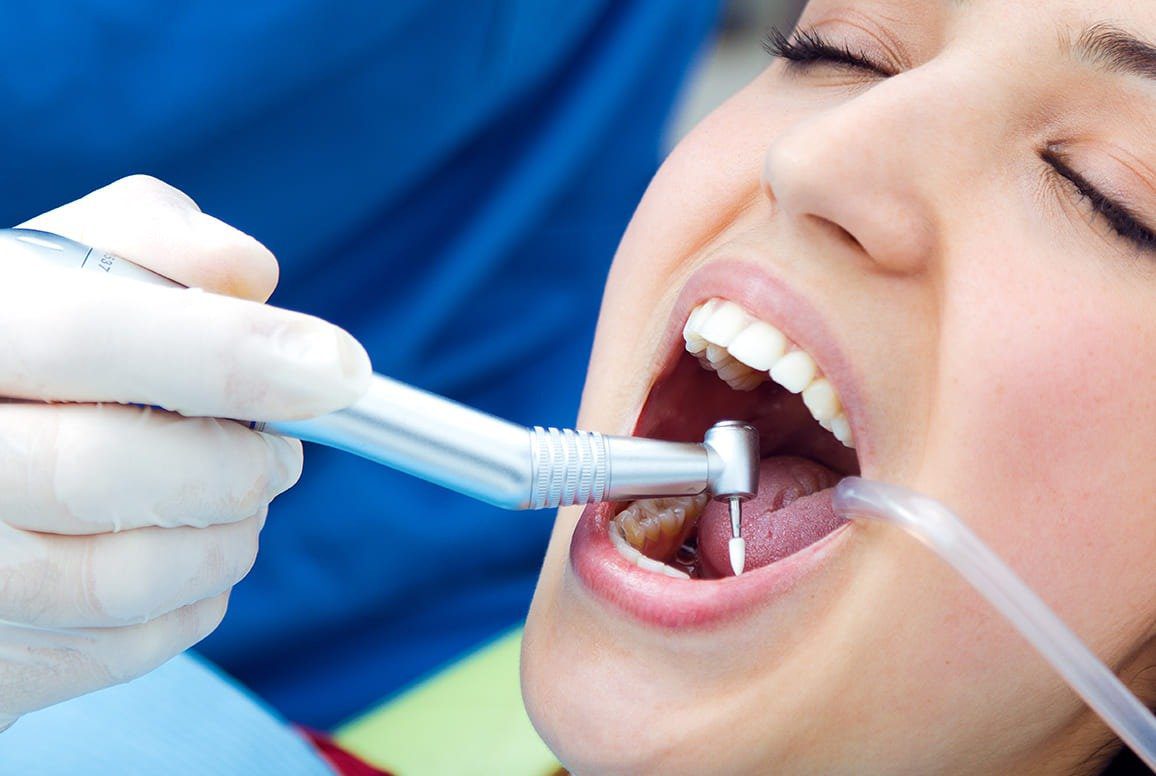
    In the past, dental care was often viewed as a standalone service, separate from the rest of a patient’s medical journey. However, modern medicine has shifted toward an integrated model, recognizing that oral health is a critical pillar of systemic well-being. This shift is particularly evident in the treatment of complex dental infections. For many, undergoing root canal treatment is no longer just a visit to a local dentist; it is a specialized procedure increasingly sought within the robust infrastructure of leading hospitals in UAE.

    Choosing a hospital-based dental department for endodontic therapy—the branch of dentistry concerned with the dental pulp—offers a level of clinical oversight, technological precision, and multidisciplinary safety that sets a new standard for restorative care in the region.

    The Endodontic Challenge: Why Precision Matters

    To appreciate the hospital advantage, one must understand the complexity of the procedure itself. Root canal treatment is required when the dental pulp—the innermost part of the tooth containing nerves and blood vessels—becomes infected or inflamed due to deep decay, trauma, or a crack.

    The goal is to remove the infected tissue, sterilize the microscopic canals within the root, and seal them to prevent reinfection. The human tooth, however, is not a simple structure. Canals can be curved, calcified, or branched like the roots of a tree. Missing even a microscopic fragment of infected tissue can lead to treatment failure. This is where the infrastructure of a specialized hospital becomes a decisive factor in the success of the treatment.

    The Hospital Advantage: Advanced Diagnostics and Technology

    One of the primary reasons patients opt for hospitals in UAE for endodontic care is the immediate access to cutting-edge diagnostic tools that are often unavailable in smaller, private practices.

    1. 3D Imaging and CBCT Technology

    Standard dental X-rays provide a two-dimensional view, which can often hide the “third dimension” of a tooth’s root system. Leading hospitals utilize Cone Beam Computed Tomography (CBCT). This provides a high-resolution 3D map of the tooth, allowing the endodontist to visualize the exact shape of every canal and detect hidden fractures or anatomical anomalies before the treatment even begins.

    2. Microscopic Endodontics

    The use of Surgical Operating Microscopes is a hallmark of hospital-grade dental care. By magnifying the treatment area up to 20 times, the specialist can see deep into the root canals, ensuring that every trace of infection is removed while preserving as much of the healthy tooth structure as possible. This level of precision significantly increases the longevity of the tooth.

    Enhanced Safety and Pain Management

    For many patients, the mention of a root canal triggers significant anxiety. Hospitals in UAE address this through a comprehensive approach to pain management and patient comfort that goes beyond local anesthesia.

    Supervised Sedation Options

    While a private clinic may offer basic numbing, a hospital infrastructure allows for a full spectrum of sedation, monitored by dedicated anesthesiologists:

    • Conscious Sedation: Helpful for patients with moderate anxiety.

    • IV Sedation: Provides a deeper state of relaxation for complex or multi-tooth procedures.

    • General Anesthesia: For patients with severe dental phobias or developmental disabilities, hospitals can safely perform the procedure under GA, ensuring the patient is completely comfortable in a controlled environment.

    Sterilization and Infection Control

    Operating within a hospital means adhering to stringent Joint Commission International (JCI) standards for sterilization. The protocols for instrument processing and operatory disinfection are identical to those used in major surgical theaters. For an endodontic patient, this provides peace of mind that the risk of cross-contamination is virtually non-existent.

    The Multidisciplinary Edge: Beyond the Root Canal

    The “Integrated” in integrated dental care refers to the ability of different specialists to work together under one roof. When you receive root canal treatment at one of the premier hospitals in UAE, you aren’t just seeing an endodontist; you are accessing a network of experts.

    Coordinated Restorative Care

    A root canal is only the first half of saving a tooth. Once the infection is cleared, the tooth must be restored, usually with a crown. In a hospital setting, the endodontist works in tandem with prosthodontists (restorative specialists) to ensure the final crown is perfectly balanced with the patient’s bite.

    Medical Clearance for Complex Patients

    Patients with chronic conditions—such as heart disease, diabetes, or those on blood-thinning medications—require special care during dental surgery.

    • Diabetes Management: Since uncontrolled blood sugar can hinder healing after a root canal, having a gastroenterologist or endocrinologist available for consultation is vital.

    • Cardiac Safety: For patients with heart conditions, the hospital environment provides the necessary monitoring equipment and immediate access to emergency care that a standalone dental office cannot provide.

    Long-Term Success and Patient Outcomes

    The ultimate goal of choosing a high-tier facility is the long-term retention of the natural tooth. Research consistently shows that preserving a natural tooth is superior to an implant in terms of sensory feedback and maintaining the bone structure of the jaw.

    By utilizing the advanced technology and integrated expertise found in the best hospitals in UAE, the success rate for root canal treatment increases significantly. Patients benefit from:

    • Fewer Appointments: Often, complex cases that would take multiple visits in a general practice can be resolved in a single session using advanced rotary instruments and 3D imaging.

    • Lower Reinfection Rates: Thorough cleaning under a microscope ensures the bacterial load is effectively eliminated.

    • Comprehensive Warranty: Many hospital-based clinics provide more robust follow-up care and guarantees on their restorative work.

    Setting a Global Benchmark in the UAE

    The UAE has positioned itself as a leader in healthcare by insisting on the integration of dental services into general medical centers. This holistic approach recognizes that an infected tooth is not an isolated problem, but a medical issue that requires a medical-grade solution.

    When searching for the right facility, patients should look for hospitals that promote Endodontic Specialty Units. These units are specifically designed for the most challenging cases, including “retreatment” (fixing a failed root canal from a previous provider) or “apicoectomies” (surgical removal of the root tip).

    In conclusion, accessing root canal treatment within the infrastructure of hospitals in UAE represents the pinnacle of modern dentistry. It combines the technical skill of the endodontist with the safety, technology, and collaborative power of a world-class hospital. For the patient, this means less pain, higher safety, and a much greater chance of keeping their natural smile for a lifetime.

  • A Complete Guide on Ceramic Braces for a Confident Smile

    Let us be real, thinking about braces can feel a little intimidating at first. Not because they don’t work (they absolutely do), but because of how visible they are. That is where ceramic braces come in. They are designed to straighten your teeth without drawing too much attention, which, for many people, is a huge relief. It is like getting the same results just a bit more quietly.

    If you are unsure where to begin, talking to an experienced orthodontist in Decatur, like the team at Clinebell & Anderson, can really help. They will look at your teeth, discuss your concerns, and suggest whether ceramic braces make sense for you. And honestly, having that kind of clarity early on makes the whole process feel less overwhelming.

    What Makes Ceramic Braces Different?

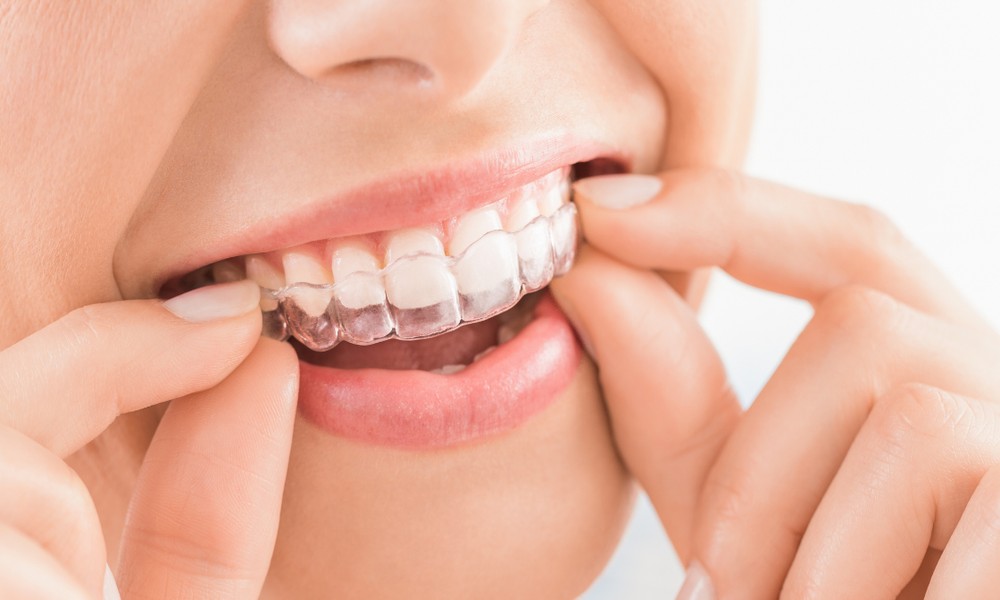
    Ceramic braces function just like traditional metal braces. Same concept, same goal. The difference lies in how they look. Instead of shiny metal brackets, ceramic ones are clear or tooth-colored. So, they blend in. Not invisible exactly, but much less noticeable.

    They still use wires and controlled pressure to move teeth gradually. No shortcuts here. Just a more subtle approach.

    Why People Lean Toward Ceramic Braces

    There is a certain comfort in knowing your braces are not the first thing people notice.

    • Discreet appearance: Blends with your natural teeth
    • Reliable results: Works on gaps, crowding, and bite issues
    • Smoother feel: Less irritation compared to metal in many cases
    • Confidence factor: You may feel less self-conscious while smiling

    For teens, professionals, and even adults returning to orthodontic care, this matters more than you would think.

    The Trade-Offs (Because There Are Some)

    Nothing is completely perfect, and ceramic braces are no exception.

    • Slightly higher cost than metal braces
    • More delicate brackets, so a bit of extra care is needed
    • Possible staining of elastic bands over time
    • Sometimes slower treatment depending on the case

    None of these are major drawbacks, but they are worth keeping in mind before deciding.

    Article image

    What the Treatment Journey Looks Like

    The process itself is pretty straightforward, though it does take time and patience.

    • Initial consultation and scans
    • Brackets placed on teeth
    • Regular tightening or adjustments
    • Retainer phase after completion

    Treatment length varies, and some people finish sooner, while others take longer. It really depends on how complex the alignment is.

    Caring for Your Braces (It Matters More Than You Think)

    This part cannot be ignored. A little care goes a long way.

    • Brush thoroughly after meals
    • Floss carefully around brackets
    • Avoid foods that can stain or damage
    • Keep up with scheduled appointments

    It might feel like effort in the beginning, but it settles into a routine faster than expected.

    Final Thoughts

    Ceramic braces offer a nice balance; they are effective, less noticeable, and generally comfortable. Still, they are not the perfect fit for everyone. Some cases may do better with traditional braces, and that is completely fine.

    At the end of it all, the goal is not just straight teeth. It feels good about your smile naturally, confidently, without overthinking it every time.

  • How to Save on Orthodontic Treatment Without Sacrificing Quality in Montreal

    Walking past the mirror and seeing a straighter smile is undeniably empowering, but the price tag of orthodontic work in Montreal can leave many feeling anxious. The good news? High-quality care and smart savings do not have to be mutually exclusive.

    The Evolution of Orthodontic Treatments in Montreal

    Options for braces in Montreal have come a long way. The days when metal brackets were the only choice are gone. Today, people of all ages can choose from a spectrum of orthodontic solutions tailored to different needs and budgets.

    From Traditional Metal Braces to Modern Options

    Traditional metal braces remain a staple, refined over decades to be more comfortable and effective. For those wanting something subtler, ceramic (clear) braces and clear aligners now offer discreet alternatives. Each type comes with its own set of benefits and cost considerations, making informed comparisons essential before starting treatment.

    How Technology Has Improved Comfort and Aesthetics

    Technological advances, such as self-ligating braces and custom-molded clear aligners, have changed the game. Self-ligating braces use specialized clips instead of elastics, resulting in fewer appointments and gentler adjustments. Clear aligners, like Invisalign, provide almost invisible treatment paired with comfort and convenience.

    Understanding Orthodontic Treatment Costs in Montreal

    Sticker shock is common when researching orthodontic options. But what exactly influences these numbers?

    Factors Influencing Prices: Materials, Expertise, and Location

    There are three main drivers behind orthodontic costs: the materials used (metal, ceramic, or acrylic trays), the expertise and reputation of the orthodontist, and the location of the clinic. Established clinics in central Montreal may charge more for their experience and amenities, but they also tend to provide broader treatment options.

    Comparing Costs Across Different Types of Braces

    Aligning your smile can range from budget-friendly to premium. Here’s an at-a-glance comparison:

    | Type of Braces | Estimated Cost (Montreal) | Visibility | Maintenance Needs | Appointment Frequency |

    |————————|————————–|—————–|—————————–|———————–|

    | Metal Braces | $3,500 – $6,000 | Most visible | Standard | Regular |

    | Self-Ligating Braces | $4,000 – $7,000 | Moderate | Less frequent adjustments | Fewer |

    | Ceramic Braces | $4,500 – $7,500 | Less visible | More cleaning required | Regular |

    | Clear Aligners/Invisalign | $5,000 – $8,000 | Nearly invisible| Removable; disciplined care | Varies |

    Traditional Metal Braces: Affordable and Effective

    Metal braces have stood the test of time in terms of both reliability and price point. While they are the most visible, they consistently deliver excellent results for complex orthodontic cases.

    Benefits and Limitations

    The major advantage is affordability. Metal braces also offer robust correction for even the most challenging misalignments. However, visibility and the need for regular in-office adjustments may deter some, especially adults seeking subtlety.

    How to Save on Metal Braces Without Compromising Quality

    Choosing an established practice with in-house lab capabilities can help keep costs in check. Ask about bundled pricing for check-ups and emergency visits, a common feature at clinics like braces from Clinique Savaris in Montreal. Scheduling all appointments in advance may also qualify you for package discounts.

    Advancements in Braces: Self-Ligating and Ceramic Options

    Innovation is not just a buzzword in orthodontics, it’s a money-saver and quality booster.

    What Makes Self-Ligating Braces Different?

    Self-ligating braces minimize the number of appointments needed and reduce discomfort. This means fewer disruptions to your schedule and potentially lower cumulative costs over time.

    The Cosmetic Appeal and Care of Ceramic Braces

    Ceramic braces blend in with natural teeth, making them ideal for adults and image-conscious teens. Note that while they are less visible, they tend to cost more and require meticulous cleaning because the ceramic material is more brittle.

    Balancing Cost and Aesthetic Needs

    Weighing your priorities is key. If aesthetics matter most, ceramic or clear aligners might be worth the extra investment. If stretching your budget is the focus, carefully maintained metal or self-ligating braces provide excellent value.

    The Rise of Clear Aligners: Convenience Meets Technology

    Demand for non-intrusive treatments has fueled the popularity of clear aligners. Invisalign leads the pack, but other brands are also available at clinics throughout Montreal.

    Invisalign and Other Clear Aligner Brands Available in Montreal

    Clinics offer a variety of aligner programs, with fees often including digital scanning and periodic follow-ups. This option suits those who prefer removable appliances and minimal lifestyle changes.

    Cost Considerations and Payment Plans

    Clear aligners can be the priciest upfront, but many clinics offer flexible payment plans. It’s common to see monthly payment structures stretching over 12 to 24 months, making high-quality care more accessible.

    Maintaining Quality While Opting for Clear Aligners

    Choose a provider that includes regular monitoring and emergency support in the package price. This ensures your treatment stays on track without unexpected fees.

    Practical Tips to Save on Orthodontic Treatment in Montreal

    Maximize Insurance: Check if your dental insurance covers orthodontics, and use a Health or Flexible Spending Account if possible.

    – Consider Early Intervention: Addressing minor issues in children can prevent costly treatments later.

    – Ask About Financing: Many clinics provide 0% interest payment plans.

    – Shop Around: Compare quotes, including what’s covered in the price, before committing.

    Maintaining Quality Care During Treatment

    Never cut corners on check-ups or preventive care. These visits help catch problems early, reducing the risk of more expensive complications down the line. Choose clinics with prompt emergency support and a clear plan for post-treatment retention to safeguard your investment.

    Choosing the Right Orthodontist in Montreal Without Overspending

    Credentials, experience, and patient satisfaction matter just as much as price. Look for orthodontists with strong community reputations and transparent treatment plans. Always use consultations to clarify costs, ask questions, and evaluate the thoroughness of their care. The right choice balances affordability with a proven track record, because saving money should never mean compromising your smile.

  • Precision Meets Progress: The New Era of Dental Implant Outcomes in Oklahoma City

    Precision Meets Progress: The New Era of Dental Implant Outcomes in Oklahoma City

    Dental care has changed in recent years. Patients expect durable and natural results. dental implants in Oklahoma City, Oklahoma now reflect these rising expectations. The focus stays on comfort and precision. So, modern tools help dentists deliver steady outcomes. The community benefits from steady innovation and skilled hands. Practices like Taylor Dental & Implant Center adapt to these changes with care.

    Digital Imaging Improves Diagnostic Precision

    Digital imaging reshapes implant planning. The technology shows bone structure in detail. Dentists study depth and density clearly. But clear images reduce guesswork during surgery. Three-dimensional scans guide implant placement with accuracy. The process feels organized and calm. Patients see fewer surprises on surgery day. Now, planning software simulates final tooth position before placement. This foresight supports balanced bites and stable integration.

    Guided Surgery Enhances Placement Accuracy

    Guided surgery uses custom templates. The guide directs precise implant angles. So, implants sit in ideal positions. The method reduces tissue trauma. Smaller incisions support faster healing. Dentists rely on digital maps for confidence. The technology limits surgical deviations and protects nearby structures. Patients often report mild discomfort after procedures. Taylor Dental & Implant Center applies guided systems to improve surgical control. The outcome feels predictable and stable.

    Advanced Materials Strengthen Longevity

    Implant materials have evolved greatly. Modern implants use refined titanium alloys. The surface attracts bone cells quickly. But surface treatments also speed integration. Some designs include textured coatings for stability. These coatings support strong bonding with bone. The result feels secure under pressure. Now, ceramic options offer metal free solutions for select cases. The aesthetic value improves smile harmony and soft tissue response. Taylor Dental & Implant Center evaluates material choice based on each clinical profile.

    Faster Healing Through Biological Innovation

    Healing times continue to improve. Biologic agents support tissue regeneration. Growth factors encourage bone repair. So, integration may occur more efficiently. Platelet rich solutions sometimes enhance recovery. The approach uses natural healing components. Patients experience reduced swelling after surgery. Now, minimally invasive methods protect surrounding tissue and preserve blood supply. The surgical site remains stable during early healing stages. This stability shapes long term success rates.

    Customized Prosthetics Improve Function and Aesthetics

    Restorative design has become precise. Computer aided systems craft accurate crowns. The fit feels natural in daily use. But occlusion remains critical for durability. Digital impressions replace traditional molds. The process feels clean and efficient. Labs receive exact measurements instantly. The final crown matches shade and contour with care. The integration of design and placement supports strong chewing function. Patients regain confidence in social settings.

    Conclusion

    Implant dentistry continues to advance. The field values science and precision. So, patient outcomes show measurable improvement. Modern diagnostics guide careful planning. Advanced materials promote strong integration. Guided surgery limits trauma and risk. Customized restorations restore beauty and function. The result is reliable long-term performance.

  • Comprehensive Guide to Finding a Dentist in Abu Dhabi and Dental Clinics in Abu Dhabi

    Finding the right oral healthcare provider is essential for maintaining strong teeth and a healthy smile. Whether you need routine check-ups, restorative treatments, cosmetic care, or emergency dental services, choosing the right dentist in Abu Dhabi can make a significant difference in your oral health journey. With a wide range of clinics in Abu Dhabi offering dental care, it’s important to understand the services available, how to choose the best provider for your needs, and what to expect from modern dental treatments.

    What Does a Dentist Do?

    A dentist is a healthcare professional specializing in the diagnosis, prevention, and treatment of conditions affecting the teeth, gums, and mouth. Beyond regular check-ups and cleanings, dentists manage tooth decay, gum disease, oral infections, jaw problems, and provide cosmetic and restorative procedures such as fillings, crowns, bridges, and teeth whitening.

    Dentists also play a key role in educating patients on proper oral hygiene practices, including brushing techniques, flossing, dietary advice, and prevention strategies to reduce the risk of tooth loss and other complications.

    Importance of Regular Dental Visits

    Regular dental visits are important for both children and adults. Even without pain or obvious issues, routine check-ups help detect problems early, when treatment is simpler and more effective. Routine dental care often includes:

    • Comprehensive oral examination
    • Professional teeth cleaning
    • Oral cancer screening
    • X-rays for detecting hidden issues
    • Gum health evaluation

    Early detection of issues such as cavities, gum inflammation, or bite problems makes treatment easier and can save time, discomfort, and cost in the long run.

    Common Dental Services Offered by Clinics in Abu Dhabi

    Clinics in Abu Dhabi typically provide a broad spectrum of dental services that cater to patients of all ages. These services may include:

    Preventive Dentistry

    Preventive care focuses on maintaining oral health to avoid problems in the first place. This includes cleanings, fluoride treatments, sealants, and patient education.

    Restorative Dentistry

    Restorative care repairs damage and restores function to teeth. Services include fillings, crowns, bridges, dentures, and root canal treatments.

    Cosmetic Dentistry

    Cosmetic treatments are aimed at improving the appearance of the teeth and smile. These may include teeth whitening, veneers, bonding, and smile makeovers.

    Orthodontics

    Orthodontic care corrects misaligned teeth and jaw irregularities using braces, clear aligners, and retainers. Proper alignment can improve both function and aesthetics.

    Pediatric Dentistry

    Children’s dental care focuses on early oral health, habit guidance, cavity prevention, and treating dental issues in growing mouths.

    Emergency Dental Care

    Dental emergencies — such as severe toothache, broken tooth, or sudden injury — require prompt attention. Clinics in Abu Dhabi often provide urgent care appointments to prevent complications.

    How Dental Technology Enhances Care

    Advances in dental technology have improved comfort, precision, and treatment outcomes. Clinics in Abu Dhabi may offer state-of-the-art technologies such as:

    • Digital X-rays for detailed imaging with lower radiation

    • Intraoral cameras for accurate diagnostics

    • Laser dentistry for minimally invasive treatments

    • Dental microscopes for enhanced precision

    • CAD/CAM systems for same-day restorations

    These technologies support more accurate diagnosis, faster procedures, and improved patient experiences.

    Tips for Choosing the Right Dentist in Abu Dhabi

    Choosing the right dentist is a personal decision and depends on your individual needs, preferences, and comfort level. Here are some factors to consider:

    Qualifications and Expertise

    Ensure the dental professionals are qualified and have experience in the specific treatments you need. A dentist with broad expertise can manage various oral health issues with confidence.

    Range of Services Provided

    A dental provider offering a full range of services — preventive, restorative, cosmetic, and emergency care — allows continuity and convenience under one care plan.

    Patient Comfort and Communication

    A good dentist listens to concerns, explains treatment options clearly, and creates a comfortable environment. Patient comfort is especially important for children and those with dental anxiety.

    Clinic Environment and Hygiene Standards

    Modern clinics in Abu Dhabi should maintain high standards of cleanliness, use sterilized instruments, and follow strict infection control protocols.

    Appointment Availability

    Convenient scheduling, flexible appointment times, and timely follow-ups are crucial for ongoing oral health care.

    Dental Care for Different Age Groups

    Oral health needs change throughout life, and tailored care helps achieve the best outcomes:

    Children

    Early dental care establishes healthy habits and helps prevent childhood cavities and developmental issues. Pediatric dentists are trained to work with young patients and guide families on preventive care.

    Adults

    Adults benefit from regular preventive care and early treatment of issues like gum disease, sensitive teeth, and wear from grinding or clenching.

    Seniors

    Older adults may need specialized care for conditions such as dry mouth, root decay, and tooth loss. Restorative options including dentures, implant care, and periodontal support are often part of senior dental plans.

    Preventive Tips for Optimal Oral Health

    A dentist in Abu Dhabi will always emphasize prevention as a foundation of oral care. Some everyday habits that promote oral health include:

    • Brush twice daily with fluoride toothpaste

    • Floss daily to remove plaque between teeth

    • Limit sugary and acidic foods

    • Drink plenty of water

    • Avoid tobacco products

    • Use mouthguards during sports

    • Keep regular dental appointments

    Maintaining these habits helps reduce the risk of cavities, gum disease, and other dental issues.

    Conclusion

    Oral health is a vital part of overall wellbeing, and choosing the right dentist in Abu Dhabi helps you achieve a healthy, confident smile. Clinics in Abu Dhabi offer comprehensive dental services supported by modern technology and patient-focused care. Whether for preventive check-ups, restorative treatments, cosmetic enhancements, or emergency services, understanding the options and knowing how to choose the right provider empowers you to take control of your oral health with confidence and clarity.

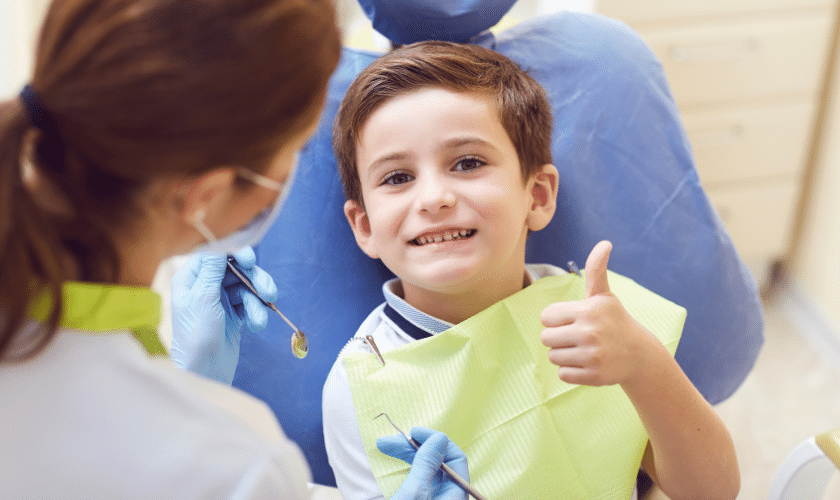
  • 5 ways to prepare your child for their first dental visit

    5 ways to prepare your child for their first dental visit

    We have all experienced that visiting the dentist for the first time can be a little terrifying. This is not only for children; it’s the same for adults as well. For children, this is all because they are unfamiliar with this. Certain points will help you relieve the nervousness, and you can guarantee that your child’s first visit to the dentist will be short and will be an effortless process. These first visits are mainly for the dentists to build solace and trust with your child, as well as to know your child’s dental issues. 

    1. Select the correct dentist. 

    Selecting the right dentist plays a major role in your children’s lives. Before taking your child to the dentist near me, check whether they are certified by the ADA (American Dental Association), ABPD (the American Board of Pediatric Dentistry), AAPD (the American Academy of Pediatric Dentistry), and other peak-level central dental associations, stating that they are approved to provide expert, understandable service for your child.

    1. Inform them what they should anticipate. 

    Initially there certain tests will be conducted by the dentist, checking their present teeth condition, any tooth decay, and looking for possible problems with the gums, jawline, and oral muscles. They may also purify the teeth and provide the need for fluoride. The other concepts, along with these, are. 

    • Good dental hygiene exercises for your child’s teeth and gums and for your child’s cavity safety. 
    • Odontiasis.
    • Suitable nutrients for robust teeth. 
    • Planning dental visits.  

    Don’t forget to be encouraging throughout the procedure. If you don’t like the dental process and are nervous, children tend to pick your dental uneasiness. Always use optimistic terms to talk about the dentists. 

    1. Fix your appointment at the right time.

    Small children tend to be active in the morning, when they are fresh and full of stamina. Avoid fixing appointments in the evening or during their sleep hour because they will be too woozy and grumpy. You can even go a day before the visit and give a tour to your child so that they will feel comfortable on the actual checkup day. Because dentists more often require scheduling your appointment in advance. 

    1. Have a thought of what your child enjoys the most.

    Inform the dentist of your child’s favorite color, music, song, toys, or any other thing that will keep them calm. Please let the dentist know before, so that they will be happy to include them in your child’s visit. 


    1. Mentally prepare your child. 

    Try to inform your child beforehand about the appointment so that it will avoid nervousness. In case you have forgotten to inform them, then give them any toys or stuffed animals so that they will play with them and have a smooth visit. There are also some children’s storybooks that you can read to them.

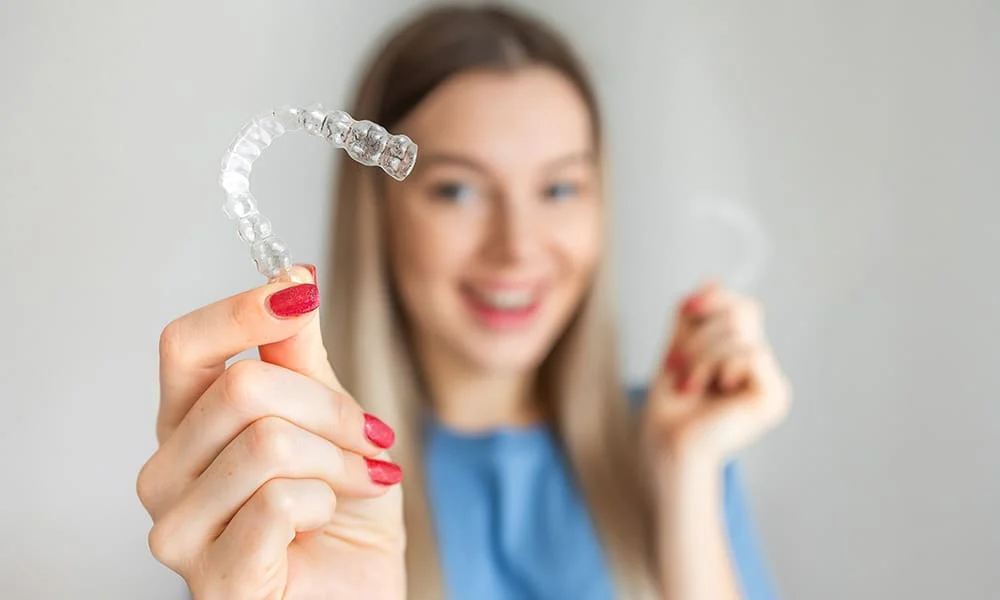
  • How a Custom Invisalign Treatment Plan Is Developed

    How a Custom Invisalign Treatment Plan Is Developed

    Introduction

    Invisalign is a modern and comfortable way to straighten teeth without using metal braces. It uses a series of clear, removable aligners that are designed specifically for each person’s mouth. But have you ever wondered how this customised treatment plan is created? The process involves careful planning, advanced technology, and professional expertise to ensure the best results.

    1. Initial Consultation and Examination

    The first step in developing a custom Invisalign treatment plan is meeting with a qualified orthodontist near me or dentist. During this visit, the doctor examines your teeth, gums, and overall oral health to see if Invisalign is right for you. They discuss your goals, such as fixing gaps, crowding, or bite issues, and explain what kind of results you can expect. X-rays, photos, and digital scans of your teeth are usually taken during this stage.

    2. Digital Scanning and 3D Imaging

    Instead of messy moulds, Invisalign uses a digital scanner to create a precise 3D image of your teeth. This scanner captures every angle of your mouth quickly and comfortably. The digital model is then uploaded to specialised Invisalign software, which allows the orthodontist to design a personalised treatment plan.

    This advanced technology helps in visualising how your teeth will move over time. You can even see a preview of your expected smile before the treatment begins.

    3. Designing the Step-by-Step Treatment Plan

    Once the scans are complete, the orthodontist works with Invisalign’s digital tools to create a detailed, step-by-step plan. Each stage of the plan shows how specific teeth will shift into their desired position.

    The software calculates how many sets of aligners you’ll need and how long the treatment will take. On average, Invisalign treatment can last anywhere from 6 to 18 months, depending on your dental condition.

    The goal is to move the teeth gradually and safely without causing discomfort. This precise planning ensures that each aligner fits perfectly and effectively guides your teeth to their final position.

    4. Manufacturing the Custom Aligners

    After the treatment plan is approved, a series of custom aligners is created. Each aligner is slightly different from the previous one, representing a new stage in the teeth-straightening process. These aligners are made from smooth, clear plastic that fits snugly over your teeth, making them nearly invisible.

    5. Regular Progress Checks

    Throughout the treatment, regular checkups are scheduled to monitor your progress. The orthodontist ensures that your teeth are moving as planned and may make adjustments if necessary. Following the doctor’s instructions and wearing the aligners for 20–22 hours a day is crucial for the best results.

    Conclusion

    Creating a custom Invisalign treatment plan is a detailed and carefully managed process. From the first consultation to the final smile, every step is guided by advanced technology and professional expertise. This personalised approach ensures that your aligners are comfortable, effective, and designed uniquely for your teeth—helping you achieve a straighter, healthier smile with confidence.

  • How Preventive Dentistry Protects Your Smile

    How Preventive Dentistry Protects Your Smile

    Preventive care lays the foundation for lasting oral health. Many dental issues develop slowly, often unnoticed until they become severe. Regular check-ups help catch these issues early. A dentist in Indianapolis can provide routine exams and cleanings, which are important for keeping your teeth and gums healthy. These visits also allow for personalized advice on brushing and flossing techniques. Over time, good habits reduce the likelihood of cavities and gum disease. Preventive care is not just about avoiding pain or discomfort. It’s about maintaining a bright, confident smile. This approach also saves time and money by reducing the need for more extensive treatments down the line. Think of preventive care as an investment in your future well-being. By focusing on prevention, we ensure that our oral health remains strong throughout life. Simple steps taken today can lead to a healthier tomorrow.

    The Importance of Regular Check-Ups

    Regular dental visits are essential for maintaining oral health. Dentists can spot early signs of problems that may not be visible to the untrained eye. Issues like cavities or gum disease can develop silently. If caught early, treatment is simpler and more effective. A routine dental visit typically includes a thorough cleaning, which removes plaque and tartar build-up. Plaque is a sticky film that forms on teeth, and when not removed, it can harden into tartar. Tartar can lead to gum disease if left untreated. Scheduling regular checkups with a Maryville dentist ensures these issues are identified and treated promptly for lasting oral health.

    Components of Preventive Care

    Preventive dental care encompasses a variety of practices designed to maintain oral health. Here are the three main components:

    • Home Care: This involves daily brushing and flossing to remove food particles and plaque. Using fluoride toothpaste strengthens tooth enamel and helps prevent decay.
    • Professional Care: Regular dental cleanings and exams. Dentists can apply dental sealants or fluoride treatments that provide additional protection against decay.
    • Diet and Lifestyle: Eating a balanced diet and limiting sugary snacks reduces the risk of cavities. Drinking water often helps wash away food particles and bacteria.

    Benefits of Preventive Care

    Preventive care offers several key benefits:

    Benefit Description
    Cost-Effective Less expensive than treating advanced dental issues. Regular cleanings help avoid costly procedures like fillings and crowns.
    Pain Prevention Catching issues early reduces the chance of pain from infections or decay.
    Overall Health Good oral health is linked to overall health. Poor dental health can affect heart health and diabetes management.

    Understanding the Connection Between Oral and Overall Health

    Maintaining good oral health is crucial for overall well-being. Studies have shown links between gum disease and various health conditions, including heart disease and diabetes. The mouth is a gateway to the body, and bacteria from oral infections can enter the bloodstream, potentially leading to further health problems. By maintaining oral health through preventive care, we can reduce these risks.

    Setting a Routine

    Setting a routine for preventive care is simple. Start by scheduling regular dental check-ups. Use a soft-bristled toothbrush, and brush for two minutes twice daily. Floss daily to remove plaque between teeth. Stay hydrated and choose nutritious foods that promote dental health. Limiting sugary snacks and drinks can curb the risk of cavities.

    The Role of Technology in Preventive Care

    Technology plays a part in enhancing preventive care. Digital X-rays provide clearer images with less radiation. This allows for better detection of potential problems. Dental apps can track appointments and remind you to brush or floss. Modern tools give us more control over our oral health than ever before.

    Conclusion

    Preventive care stands as the cornerstone of long-term oral health. By adopting daily habits and utilizing professional services, we protect our teeth and gums. This proactive approach not only safeguards against pain and treatment costs but also boosts our overall health. Taking simple steps today can lead to a healthier, brighter future.

  • How New Dental Tech Improves Care in Redlands

    How New Dental Tech Improves Care in Redlands

    Dentistry has come a long way from its humble origins. In fact, the local family dentist is now fully equipped with the latest and greatest technological advancements! This is an absolutely fascinating development for the world of dentistry. By making use of new and innovative technology, dentists are better able to help patients with their oral health concerns. While some advances increase the convenience factor, others stand to completely redefine traditional procedures!

    Here’s what a technologically equipped dentist in Redlands, CA, is capable of providing…

    Benefits of CBCT Imaging

    The Benefits of CBCT Imaging for Diagnosis

    Cone Beam Computed Tomography (CBCT) has revolutionized dental imaging by providing high-resolution, three-dimensional images of a patient’s oral and maxillofacial structures. Unlike traditional X-rays, CBCT scans allow dentists to visualize the precise anatomy of teeth, bone, and soft tissues, enabling more accurate diagnoses. A dentist in Orland Park, IL can utilize CBCT technology to plan complex procedures such as implants or root canals with greater precision and safety.

    How Intraoral Scanners Improve Accuracy and Comfort?

    Gone are the days of uncomfortable impressions with gooey materials! Intraoral scanners have transformed the process of capturing dental impressions, making it quicker and more pleasant for patients. These handheld devices create a digital map of the mouth, capturing detailed images of teeth and gums. The process is not only more comfortable but also yields highly accurate results, ensuring a better fit for crowns, bridges, and aligners. 

    The Role of 3D Printing in Dental Implants

    3D printing is another groundbreaking technology making waves in the dental field. It allows for the creation of custom dental implants, prosthetics, and surgical guides tailored to each patient’s specific needs. This level of customization enhances the fit and function of dental restorations, improving overall treatment outcomes. Moreover, 3D printing significantly reduces the time required for fabrication, enabling faster delivery of dental implants and reducing patient waiting times. 

    Digital X-Rays and Their Advantages for Patient Safety

    Digital X-rays have largely replaced traditional film X-rays in modern dental practices. They offer several advantages, including reduced radiation exposure, quicker processing times, and immediate results. Digital images can be enhanced for better visualization, allowing dentists to spot issues that may not be visible on film. 

    Laser Dentistry for Less Invasive Procedures

    Laser dentistry is a cutting-edge approach that uses focused light beams to perform various dental procedures with minimal discomfort and faster recovery times. Lasers can be employed for soft tissue procedures like gum reshaping, as well as hard tissue procedures like cavity removal. This technology reduces the need for anesthesia in many cases, as lasers cause less pain and bleeding. 

    Virtual Consultations for Convenience

    The rise of telehealth has extended to dentistry, allowing patients to schedule virtual consultations with their dentists. This convenience enables individuals to discuss their dental concerns from the comfort of their homes, saving time and reducing anxiety. Virtual consultations are particularly beneficial for follow-up appointments or initial assessments, allowing dentists to determine if in-office visits are necessary. 

    Enhanced Treatment Planning Through Advanced Software

    Advanced dental software plays a crucial role in treatment planning and patient management. With sophisticated algorithms and user-friendly interfaces, these programs assist dentists in creating tailored treatment plans based on each patient’s unique needs. This technology enhances communication between team members and improves workflow efficiency. 

    In recent years, the field of dentistry has undergone significant advancements, driven largely by technological innovation. These developments are not only enhancing the quality of care but also improving patient experiences in dental offices. From diagnostic tools to treatment options, technology is reshaping how dentists approach oral health.

    As such, it only makes sense for you to leverage the combination of technology and dental expertise! Whether you have a dental concern or not, it’s always a good idea to get an appointment with a local dental expert. Call and schedule today!

  • How Gummy Smile Makeovers Enhance Your Look

    How Gummy Smile Makeovers Enhance Your Look

    A gummy smile, also known as excessive gingival display, is a dental condition where an excessive amount of gum tissue is visible when a person smiles. This can make the teeth appear shorter and the smile less aesthetically pleasing. A gummy smile can be caused due to several factors, and early intervention by the family dentist in Rancho Cucamonga, CA, is crucial to restoring oral form, function, and aesthetics. 

    To know more about a gummy smile, its causes, symptoms, and treatment, read on! 

    What causes a gummy smile?

    A gummy smile can be caused by a variety of factors, including:

    • Excessive gum tissue: Having too much gum tissue can make the teeth appear shorter and create a gummy smile.
    • Short teeth: Naturally short teeth or teeth that have been worn down can contribute to a gummy smile.
    • Overbite: An overbite, where the upper teeth overlap the lower teeth, can cause the gums to appear more prominent.
    • Genetics: Some people may inherit a gummy smile due to their genetic makeup.
    • Gum inflammation or disease: Gingivitis or periodontitis can cause the gums to become inflamed and swollen, leading to a gummy smile.
    • Poor oral hygiene: Failing to brush and floss regularly can lead to gum disease and a gummy smile.
    • Hormonal changes: Hormonal fluctuations during pregnancy, puberty, or menopause can cause changes in the gums.
    • Medications: Certain medications, such as steroids and certain antidepressants, can cause gum overgrowth.
    • Abnormal tooth eruption: Teeth that don’t erupt properly can lead to a gummy smile.
    • Bite issues: Misalignment of the teeth or jaws can cause a gummy smile.
    • Gum recession reversal: In some cases, gum recession treatment can cause the gums to become too prominent.
    • Orthodontic treatment: In some cases, orthodontic treatment can cause the gums to become more visible.

    What are the symptoms of a gummy smile? 

    The primary symptoms of a gummy smile include:

    • Visible gum tissue: When smiling, an excessive amount of gum tissue is visible above the teeth.
    • Short teeth appearance: The teeth appear shorter than normal due to the excessive gum tissue.
    • Uneven gum line: The gum line may appear uneven or asymmetrical.
    • Gum tissue overgrowth: The gum tissue may be thicker or more prominent than usual.
    • Teeth appear small: The teeth may appear small or stubby due to the excessive gum tissue.
    • Smile asymmetry: The smile may appear uneven or lopsided.
    • Gum inflammation: The gums may be red, swollen, or inflamed.
    • Bleeding gums: The gums may bleed easily when brushing or flossing.
    • Sensitivity: Teeth may be sensitive due to exposed roots or receding gums.
    • Aesthetic concerns: A gummy smile can affect self-confidence and self-esteem.

    How is a gummy smile treated?

    Gummy Smile Makeovers

    Treatment options for a gummy smile include:

    • Gingivectomy: Surgical removal of excess gum tissue.
    • Crown lengthening: Surgical reshaping of the gum tissue and bone around the teeth.
    • Orthodontic treatment: Braces or clear aligners to address bite issues.
    • Veneers or bonding: Cosmetic dentistry to improve tooth appearance.
    • Laser treatment: Laser reshaping of the gum tissue.
    • Gum contouring: Reshaping the gum tissue to improve the smile.
    • Periodontal treatment: Treatment of underlying gum disease.
    • Teeth whitening: Whitening the teeth to improve their appearance.
    • Dental crowns: Covering the teeth with crowns to improve their appearance.
    • Surgical lip repositioning: Repositioning the lip to reduce gum visibility.
    • Botox injections: Relaxing the upper lip to reduce gum visibility.
    • Gum grafting: Grafting gum tissue to cover exposed roots.

    Wrapping up 

    It’s essential to consult a dentist or periodontist to determine the best course of treatment for a gummy smile. They will assess the individual’s unique situation and recommend the most effective solution. For personalized evaluation and treatment options, you can visit an experienced Attleboro dentist who specializes in cosmetic and gum contouring procedures.

    Overall, a gummy smile can be effectively treated with modern dental techniques, restoring confidence and a beautiful smile.