Category: Dental

  • The Importance of Regular Dental Checkups for Your Family

    The Importance of Regular Dental Checkups for Your Family

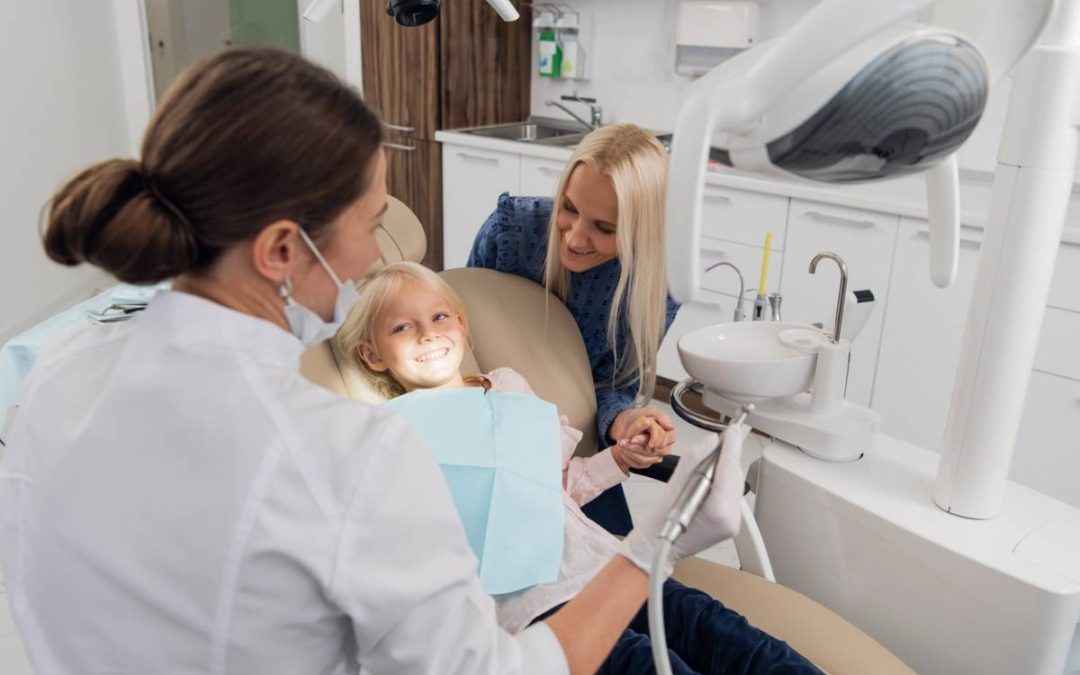
    Regular dental checkups play a crucial role in maintaining your family’s oral health. These visits help catch potential problems early, making treatments easier and less invasive. Trips to the dentist in Easton, MA, offer more than just clean teeth. They serve as a preventive measure, protecting against tooth decay, gum disease, and other issues. We find it helpful to think of dental visits as car maintenance. Just as routine oil changes keep a car running smoothly, regular dental appointments keep your mouth in top shape. A dentist examines not only your teeth but also the soft tissues and gums, identifying any signs of trouble. Early detection can save time and discomfort later on. Additionally, these checkups offer an opportunity to receive personalized advice on maintaining oral hygiene at home. Keeping up with these appointments sets your family on a path to a lifetime of healthy smiles.

    Understanding the Benefits

    Why are regular dental checkups so important? They provide numerous benefits, contributing to both oral and overall health. Here are three key advantages:

    • Early Detection: Dental checkups help identify issues like cavities and gum disease before they become serious. This early detection can mean simpler, less costly treatments.
    • Professional Cleaning: Even with good brushing and flossing habits, plaque and tartar can build up. Professional cleanings remove these, preventing decay and gum disease.
    • Oral Health Education: Dental visits offer a chance to learn personalized care tips, improving daily oral hygiene practices.

    For more information on the significance of oral health, visit the Centers for Disease Control and Prevention.

    What to Expect During a Checkup

    Understanding what happens during a dental checkup can ease any anxiety and prepare your family for the visit. A typical checkup includes:

    • Examination: The dentist inspects teeth, gums, and mouth for signs of disease or abnormalities.
    • Cleaning: A hygienist will clean your teeth using special tools to remove plaque and tartar.
    • X-Rays: These may be taken to see beneath the surface, identifying hidden issues.
    • Discussion: The dentist will discuss any findings and provide advice on oral care.

    Frequency of Visits

    The general recommendation is to visit the dentist every six months. However, some individuals may require more frequent visits based on their specific needs. Factors influencing visit frequency include:

    • Age: Children and seniors might need more frequent checkups.
    • Oral Health Status: Existing conditions like gum disease require more attention.
    • Lifestyle Choices: Smokers or those with a high-sugar diet may need more frequent visits.

    Comparing Costs: Prevention vs. Treatment

    Regular checkups can save money in the long run. Preventive care is often more affordable than treating advanced issues. Here’s a comparison:

    Procedure Average Cost (Preventive) Average Cost (Treatment)
    Cleaning $75-$200 N/A
    Filling (Cavity) N/A $100-$400
    Root Canal N/A $700-$1,500

    Investing in regular dental checkups can help avoid costly treatments. For more details on preventive dental care, visit the American Dental Association.

    Encouraging Your Family to Attend Checkups

    Sometimes, getting everyone on board with regular dental visits can be challenging. Here are three tips to encourage attendance:

    • Lead by Example: Show your commitment to oral health by attending your checkups.
    • Educate on Importance: Share the benefits of dental health in simple terms.
    • Create a Routine: Schedule appointments at the same time each year to establish a pattern.

    Conclusion

    Regular dental checkups are essential for maintaining good oral health and preventing serious issues. They offer numerous benefits, from early detection to education, making them a vital part of your family’s healthcare routine. By prioritizing these visits, you ensure your family’s smiles remain healthy and bright for years to come. Remember, a little prevention goes a long way.

  • Why Regular Visits to a Family Dentist Are Essential for Your Family’s Health

    Why Regular Visits to a Family Dentist Are Essential for Your Family’s Health

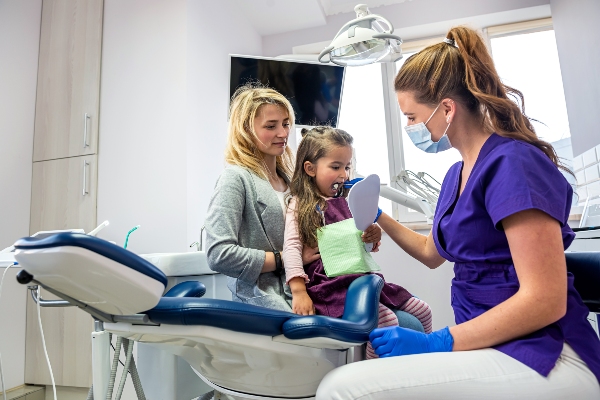
    Visiting a family dentist regularly is crucial for maintaining your family’s health. Dental check-ups help prevent minor issues from turning into major problems. A Rancho Cucamonga dentist can provide the routine care needed to keep everyone’s teeth in top condition. By seeing a dentist regularly, you can avoid common problems like cavities and gum disease. These visits also ensure early detection of any potential issues. Addressing problems early typically leads to simpler, less invasive treatments. Regular dental visits offer education on proper oral hygiene techniques, tailored to each family member’s needs. Families who prioritize dental health often enjoy better overall well-being. Just as we visit doctors for physical health, a dentist is key to oral health. Making dental visits a family habit sets a strong example for children. They learn the importance of caring for their teeth as they grow. This proactive approach supports a lifetime of healthy smiles.

    Prevention is Better Than Cure

    Regular dental check-ups play a vital role in prevention. They can stop dental problems before they start. Early detection of oral issues saves time and discomfort in the long run. Dentists can find signs of oral health issues like tooth decay and gum disease that may not be visible or painful yet. This is why the American Dental Association recommends visiting the dentist at least once every six months. You can read more about this on their official page.

    Benefits of Regular Dental Visits

    Regular dental visits offer numerous benefits, including:

    • Early Detection: Identifying potential problems early helps in managing them effectively, reducing the need for extensive treatments.
    • Professional Cleaning: Dentists remove plaque and tartar build-up that daily brushing might miss.
    • Oral Hygiene Education: Dentists provide personalized advice for maintaining oral health at home.

    The Role of a Family Dentist

    A family dentist provides comprehensive care for all ages. They understand the unique needs of each family member, from baby teeth to aging teeth. This personalized approach ensures that everyone gets the care they need at every life stage.

    The Importance of Setting Good Habits Early

    Regular visits to the dentist teach children that oral health is important. Children who see their parents prioritize dental visits are more likely to do the same as adults. This early habit can lead to a lifetime of healthier teeth and gums.

    Understanding the Risks of Irregular Visits

    Skipping regular dental visits can lead to several risks, including untreated cavities, worsening gum disease, and even an increased risk of major health problems like heart disease. Engaging in regular dental care can help mitigate these risks significantly.

    Comparing Regular vs. Irregular Dental Visits

    Aspect Regular Visits Irregular Visits
    Detection of Issues Early detection, simpler treatments Late detection, complex treatments
    Cost Lower long-term costs Higher long-term costs
    Oral Health Education Consistent guidance Limited guidance

    Long-term Health Benefits

    Regular dental visits do more than keep your teeth clean. They can also lead to improved overall health. Studies show links between oral health and conditions such as heart disease and diabetes. By prioritizing dental health, families can support their overall well-being. More information can be found on the CDC’s oral health page.

    Taking Action Today

    Setting up regular dental appointments is an easy step toward a healthier future. This simple act can make a significant difference in your family’s quality of life. Ensuring that everyone sees the dentist twice a year can prevent problems and keep everyone smiling brightly.

    Conclusion

    Regular visits to a family dentist are essential for maintaining your family’s health. From providing preventive care to educating on proper oral hygiene, the benefits are clear. By making dental health a priority, you can foster a lifetime of healthy habits in your family. Don’t wait for problems to arise. Schedule a dental visit today and invest in your family’s health and happiness.

  • What To Expect During Your First Family Dentistry Visit

    What To Expect During Your First Family Dentistry Visit

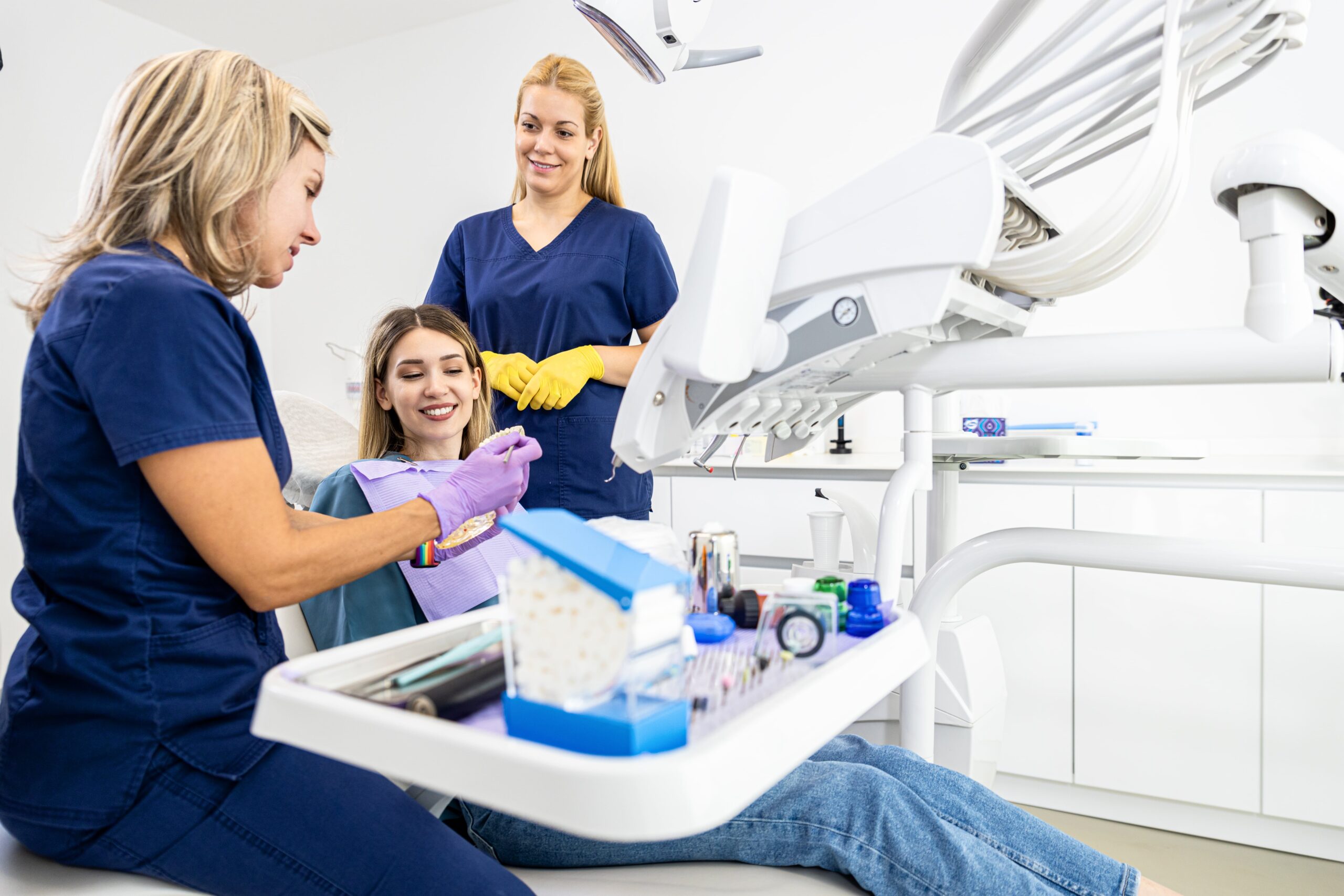
    Visiting a dentist for the first time can feel daunting, especially when bringing the family along. Finding a trusted dentist in Mequon, WI can make all the difference in ensuring a smooth experience. During a family dentistry visit, the focus is on comfort, education, and routine care. The dentist will start with an examination to assess the oral health of each family member. They will explain the process and answer any questions. Expect to go through a teeth cleaning procedure. This helps prevent cavities and gum disease. X-rays may be taken to get a better look at the teeth and gums. The dentist will discuss any findings and suggest a personalized treatment plan. The goal is to build a foundation for long-term oral health. Regular visits promote healthy habits and prevent future dental issues. Remember, the first visit is just the beginning of a journey toward healthier smiles.

    Preparing for Your Visit

    Preparation helps ease anxiety and ensures that the appointment goes smoothly. It’s important to gather any necessary documents, such as insurance information and medical history forms. Prepare a list of questions or concerns to discuss with the dentist. This can include dietary habits, brushing techniques, or any particular oral discomforts.

    The American Dental Association recommends introducing children to the dentist early to familiarize them with the environment and the dental team. This can make future visits more comfortable for them.

    What Happens During the Visit

    A typical family dentistry visit includes several key steps. Understanding these can help set expectations:

    • Initial Consultation: The dentist will review medical histories and discuss any specific concerns.
    • Oral Examination: Each family member will undergo a thorough examination to check for cavities, gum health, and other potential issues.
    • Cleaning and Polishing: Dental hygienists will perform a cleaning to remove plaque and tartar.
    • X-rays: These may be taken to provide a comprehensive view of oral health beyond what is visible.
    • Treatment Planning: If any problems are detected, the dentist will outline a treatment or prevention plan.

    For children, dentists often use this visit to teach proper brushing and flossing techniques. It’s a vital part of their education in maintaining oral health.

    Understanding the Benefits

    Family dental visits are crucial for several reasons. They help in the early detection of oral issues, prevent diseases, and encourage healthy habits. Regular cleanings remove plaque that can cause cavities and gum disease. Moreover, dentists can provide personalized advice on maintaining oral health based on each family member’s needs.

    Comparison of Dental Cleaning Options

    Cleaning Type Purpose Frequency
    Basic Cleaning Removes plaque and tartar above the gum line Every 6 months
    Deep Cleaning Targets gum disease by cleaning below the gum line As recommended by dentist
    Polishing Smoothens the surface of teeth after cleaning Every 6 months

    Addressing Common Concerns

    It’s natural to have questions or concerns about a first visit. Addressing these helps in making informed decisions. Parents often worry about how their child will react or if any procedures will cause discomfort. Dentists are trained to handle anxious patients and use techniques to minimize discomfort.

    One common concern is the exposure to X-rays. The Centers for Disease Control and Prevention states that dental X-rays use very low levels of radiation and are safe when proper precautions are taken. Regular X-rays are important for monitoring dental health.

    Building a Relationship with Your Dentist

    The first family dentistry visit is an opportunity to build a trusting relationship with your dentist. Open communication is key. Discuss any worries or hesitations openly. A good dentist will always take time to explain procedures thoroughly and make your family feel comfortable.

    Looking Ahead

    After the initial visit, it’s important to continue with regular check-ups. These allow the dentist to monitor oral health changes and address issues early. Encourage positive dental habits at home by brushing twice a day, flossing daily, and eating a balanced diet.

    Family dental visits are an essential part of maintaining overall health. They help set the foundation for a lifetime of healthy smiles.

  • Family And Cosmetic Dentistry: Comprehensive Care For Healthy, Beautiful Smiles

    Family And Cosmetic Dentistry: Comprehensive Care For Healthy, Beautiful Smiles

    Caring for our teeth means more than just brushing twice a day. It’s about ensuring they stay healthy and look great, too. Family and cosmetic dentistry combines these goals, offering a full spectrum of care. A Columbus dentist can be your partner in achieving both functional and aesthetic dental health. These dentists focus on the latest treatments to keep your teeth strong and beautiful. They cover everything from routine check-ups to teeth whitening and veneers. This comprehensive approach ensures that everyone, from children to adults, can enjoy the benefits of a healthy, radiant smile. By focusing on both family and cosmetic needs, dentists create a welcoming space for all patients. This balance between care and beauty is crucial for lifelong dental health. In this blog, I will explore how these services work together to provide optimal outcomes, ensuring every smile is both healthy and stunning.

    Understanding Family Dentistry

    Family dentistry serves as a foundation for oral health. It focuses on the prevention, diagnosis, and treatment of common dental issues. Regular check-ups, cleanings, and fluoride treatments are essential components. These visits help catch problems early, saving both discomfort and cost. The American Dental Association emphasizes the importance of these routine visits. They help in maintaining healthy gums and teeth throughout life. Family dentists are experienced in dealing with patients of all ages. This makes it easier for families to schedule appointments in one place. By building relationships with dentists, families find it easier to manage their oral health.

    The Role of Cosmetic Dentistry

    Cosmetic dentistry enhances the appearance of your teeth, gums, and bite. It is not just about looks. A healthy-looking smile boosts confidence and self-esteem. Treatments include teeth whitening, veneers, and bonding. These options can correct issues like discoloration, chips, or gaps. A study by the National Institutes of Health shows that improving dental aesthetics positively affects mental health. Cosmetic procedures are tailored to individual needs. They work hand in hand with family dentistry for optimal oral health. By focusing on appearance as well as health, cosmetic dentistry helps ensure a smile you can be proud of.

    Key Differences: Family vs. Cosmetic Dentistry

    Aspect Family Dentistry Cosmetic Dentistry
    Focus Prevention and treatment Enhancement of appearance
    Services Cleanings, exams, fillings Whitening, veneers, bonding
    Patient Age All ages Primarily adults

    Benefits of Combining Both Approaches

    Combining family and cosmetic dentistry offers a holistic approach. You receive care that addresses both health and beauty. This ensures strong, functional teeth that also look great. By integrating these services, dentists provide comprehensive plans that cover all aspects of oral health. This combined approach saves time and enhances outcomes. Patients benefit from a team that understands both preventive care and aesthetic improvements. The result is a lifetime of confident, healthy smiles.

    Choosing the Right Dentist

    When selecting a dentist, consider their expertise in both family and cosmetic services. Look for qualifications, experience, and patient reviews. A dentist should offer a wide range of services to meet every need. Additionally, a welcoming and comfortable environment is important. This encourages regular visits and open communication. The goal is to ensure patients feel at ease, knowing their dental health is in good hands. By selecting the right dentist, you lay the foundation for lifelong oral health.

    Maintaining Your Dental Health

    • Brush and floss daily.
    • Schedule regular dental check-ups.
    • Consider cosmetic treatments for confidence.

    These steps help maintain both the function and appearance of your teeth. Consistent care and professional guidance lead to long-term benefits. The blend of preventive and cosmetic care ensures all aspects of oral health are covered.

    Conclusion

    Family and cosmetic dentistry together offer a comprehensive path to a healthy, beautiful smile. By understanding and embracing both aspects, you ensure that teeth are both strong and attractive. With the guidance of a knowledgeable dentist, maintaining dental health becomes a seamless part of life. This integrated approach not only addresses immediate needs but also supports long-term well-being. Explore the potential of family and cosmetic dentistry. Experience the confidence that comes with a healthy, stunning smile.

  • The Importance of Regular Dental Check-ups for the Whole Family

    The Importance of Regular Dental Check-ups for the Whole Family

    Regular dental check-ups are crucial for maintaining oral health. They provide an opportunity to catch issues early and prevent future problems. Visiting a family dentist in Columbia, MD, ensures tailored care for everyone, from young children to grandparents. These check-ups include cleaning teeth, checking for cavities, and assessing gum health. They help keep teeth strong and gums healthy. Regular visits can also prevent bad breath and reduce the risk of more serious dental issues. It is not just about addressing immediate concerns. Dental appointments also offer valuable advice on maintaining oral hygiene at home. A professional can recommend the best brushing techniques and dietary choices to support healthy teeth and gums. Understanding the benefits of routine dental care is vital for each family member’s overall well-being. Embracing regular check-ups helps build a foundation for lifelong dental health. In this way, families can enjoy beautiful, healthy smiles for years to come.

    Benefits of Regular Dental Check-ups

    Dental check-ups serve as a safeguard for your family’s oral health. Here are the top three benefits you gain from them:

    • Prevention of Dental Issues: Regular visits help identify early signs of tooth decay, gum disease, or oral cancer. Early detection can save time, discomfort, and money.
    • Professional Cleaning: Even with diligent brushing and flossing, some plaque builds up in hard-to-reach areas. Professional cleaning removes this buildup, reducing the risk of cavities.
    • Customized Advice: Dentists provide tips on proper brushing and flossing techniques. They can offer dietary advice to further protect against cavities and gum disease.

    Dental Care for Different Age Groups

    Every age group has unique dental needs. Understanding these can help optimize each visit to the dentist.

    Children

    Children need to start dental visits early to ensure their teeth develop properly. Regular check-ups help monitor growth and provide fluoride treatments to strengthen enamel. According to the Centers for Disease Control and Prevention (CDC), tooth decay is one of the most common chronic diseases in children. Early dental care can prevent this.

    Teenagers

    Teenagers face unique challenges such as braces and wisdom teeth. Regular visits help track jaw development and address issues before they become serious. Guidance on oral hygiene is crucial as teens can be prone to neglecting it.

    Adults

    For adults, dental visits focus on preserving existing teeth, preventing gum disease, and monitoring for oral cancers. As we age, our risk for dental issues increases, making regular check-ups even more critical.

    Seniors

    Seniors may face challenges like dry mouth and tooth loss. Regular dental visits are vital for maintaining oral health and fitting dentures or bridges when necessary. Monitoring gum health is also crucial as it can affect overall health.

    Cost vs. Benefit Analysis

    Understanding the financial aspect of dental check-ups can help families plan accordingly. Below is a comparison of the potential costs of neglecting dental health versus regular check-ups.

    Expense Neglecting Dental Care Regular Check-Ups
    Treatment for Cavities $100 – $200 per filling Reduced need for fillings
    Gum Disease Treatment $500 – $10,000 (advanced cases) Prevention through professional cleaning
    Oral Surgery $1,000 – $3,000 per procedure Reduced through early intervention

    Establishing a Routine

    Building a routine for dental care is essential. Here are three tips to help you establish one:

    • Schedule Regular Appointments: Aim for at least two check-ups per year. Mark these dates on your calendar to ensure consistency.
    • Encourage Good Habits at Home: Promote daily brushing and flossing, and make it a family activity to encourage participation.
    • Educate on the Importance of Oral Health: Share the benefits of dental health with your family to ensure everyone understands the importance of regular check-ups.

    Maintaining Overall Health

    Oral health is closely linked to overall health. Conditions like heart disease and diabetes can be exacerbated by poor oral hygiene. The National Institute of Dental and Craniofacial Research (NIDCR) highlights the importance of oral health in preventing other systemic diseases.

    In conclusion, regular dental check-ups are essential for maintaining oral and overall health for the whole family. They provide preventive care, expert guidance, and peace of mind. By prioritizing dental visits, families can enjoy not only healthy smiles but also better overall health.

  • Choosing the Right Family Dentist: Tips for Every Parent

    Choosing the Right Family Dentist: Tips for Every Parent

    Finding the right family dentist is crucial for maintaining everyone’s oral health. It can feel overwhelming, but it’s an important step for your family’s well-being. A good family dentist offers routine care, education, and a friendly environment. When looking for a general dentist in Homer Glen, consider a few key factors. First, check their qualifications to ensure they are up-to-date. Second, find out if they offer a welcoming atmosphere for children. A comfortable setting can ease any anxiety about visits. Third, consider their availability and location. A nearby dentist makes scheduling easier and reduces travel time. By focusing on these elements, you can choose a dentist who meets your family’s needs. Knowledge and comfort are important for maintaining healthy habits. This guide will help you navigate the process of choosing a dentist who keeps your family smiling. Let’s explore these tips to ensure you make an informed decision.

    Understanding Qualifications and Experience

    Qualifications are the foundation of trust in a dentist. Ensuring your dentist has the right credentials is the first step. Dentists should graduate from accredited dental schools and hold valid licenses. Check if they are members of reputable associations like the American Dental Association (ADA). These affiliations show commitment to continued education and adherence to ethical standards. Experienced dentists often provide more comprehensive care because they have dealt with a wide range of dental issues. You can usually find this information on their website or by asking during an initial consultation.

    The Importance of a Child-Friendly Environment

    Children’s comfort in a dental office is vital. A child-friendly environment can transform dental visits from intimidating to enjoyable. Look for waiting rooms with kid-friendly decor and activities. Some offices even have specialized pediatric dentists who focus on making children feel at ease. Introducing children to positive dental visits helps set them up for a lifetime of good oral health. Dentists who understand how to engage with kids can make every appointment a positive experience.

    Convenience and Access

    Location and availability play a crucial role in your choice. A conveniently located dentist makes attending regular check-ups much easier. Consider their office hours and how they fit with your family’s schedule. Some dental offices offer extended hours or weekend appointments for added flexibility. This convenience reduces stress and encourages routine visits. You can often find this information on their website or by calling the office directly.

    Services Offered

    Consider the range of services provided by the dentist. A comprehensive family dentist offers preventive, restorative, and cosmetic services. Routine cleanings and exams, fillings, crowns, and orthodontics are common offerings. Knowing the available services helps avoid referrals to other practices, saving time and effort. Check if they offer emergency dental care, which can be a significant advantage.

    Criteria Questions to Ask
    Qualifications Are they licensed? Are they members of professional associations?
    Child-Friendly Is the office welcoming for kids? Do they have pediatric specialists?
    Convenience What are their hours? How close is the office to home or work?
    Services Do they provide comprehensive care? Is emergency care available?

    Reviews and Recommendations

    Reviews from other parents can provide valuable insights. Look for online reviews on platforms like Healthgrades or Yelp. Personal recommendations from friends or family can also be helpful. Reviews often highlight aspects like friendliness, professionalism, and the quality of care. Reading a mix of positive and negative reviews gives a balanced view. Be cautious of consistently negative reviews, as they might indicate persistent issues.

    Insurance and Payment Options

    Understanding how a dental office handles insurance and payments is key. Check if they accept your dental insurance plan. Discuss payment options and any financing plans they might offer. Clear communication about costs helps avoid unexpected expenses. This transparency contributes to a stress-free dental experience.

    Schedule an Initial Consultation

    Once you’ve narrowed down your choices, schedule an initial consultation. This visit allows you to meet the dentist and assess the office environment. Discuss any concerns you have and observe how the staff interacts with patients. A consultation provides a sense of whether the dentist is a good fit for your family.

    Conclusion

    Choosing the right family dentist is an investment in your family’s health. By focusing on qualifications, a child-friendly environment, convenience, services, and reviews, you can make an informed choice. Remember, a great dentist not only provides care but also fosters a positive attitude towards oral health. For more information on dental health, visit the Centers for Disease Control and Prevention Oral Health and the National Institute of Dental and Craniofacial Research. These resources offer valuable information on maintaining oral health for the whole family.

  • Knocked-Out Teeth- What to Do in a Dental Emergency

    Knocked-Out Teeth- What to Do in a Dental Emergency

    There are many different ways in which people can get themselves injured. It may include getting a back injury, fall, or slip, et cetera. When a person gets injured, they need to miss out on their work, and if it’s a child, then they will have to skip school. There are many times when people also get their mouth injured in an accident. 

    When a mouth gets damaged, it may affect your teeth, and you may find chipped or broken teeth as a result. There are even accidents that result in losing permanent teeth, which can take a lot of toll on a person’s mental health as permanent teeth cannot be brought back. 

    When there are knocked out teeth because of some accident or when you were playing a sport, then there are different things that you can do in such a situation. 

    In St. Paul, residents are aware of how important it is to safeguard their oral health as they would do with any other aspect of their overall health. A St. Paul, MN dentist can fix many of your dental problems. 

    What can be the possible cause of knocked-out teeth?

    As discussed before, the loss of a tooth can happen for various reasons; even when you bite on something hard, that can result in a knocked-out tooth. An injury sustained during a sport or getting a blow to the face can also result in a knocked-out tooth. 

    You may also get affected, and you are likely to notice bleeding and swelling around the area. If the damage is severe and there is a lot of pain, then you should definitely go for emergency dental care. Swallowing and breathing properly can also get complicated for some people.

    What are the steps that can be followed to save a knocked-out tooth?

    There are various steps that can be taken to save a tooth; let us look at some of those steps:

    • Handling the tooth properly:

    Make sure that you are holding the tooth from the crown part of it, which is basically the part that is visible to you when you open your mouth. Make sure that you’re not doing anything else to that affected tooth, such as rubbing it or trying to scrape it. 

    • Cleaning the area gently:

    If you see any dirt around the area, it needs to be cleaned in order to avoid infection in that particular area. The last thing that you would want to happen to your knocked out is the add-on, which might be there because of infection. 

    Furthermore, the crown needs to be adequately examined to see if there are signs of a fracture or something else. If there are pieces that are missing, you need to find them and put them in place. 

    • The tooth needs to be replaced:

    If you think that it is possible for you to get that replaced, then do that. Furthermore, you can also try to bite down on the affected tooth so that you will be able to keep the tooth in place. You need to keep the tooth in place until you finally reach the dental office. 

    If you do not want to replace your natural tooth, then there are several things that you can do, such as putting the tooth in milk, or you can also use your saliva to keep the tooth in. There is also a preservative if you can access it, and that can also work for you.

    • Seeking emergency dental care:

    When there is a knocked-out tooth, you should know and be aware that it needs immediate intervention from a professional. If you do not seek proper care at the right time, you are going to make things more complicated for yourself.

    Seek proper care on time!

    Knocked-out teeth call for emergency care, and you need to make sure that you are seeking proper dental care for any issues that may arise. It is not only that the knocked-out tooth needs proper dental care, but any issue that is arising and causing you trouble needs intervention from a dentist. 

  • Enhancing Smiles: The Role of Family and Cosmetic Dentists in Your Oral Health

    Enhancing Smiles: The Role of Family and Cosmetic Dentists in Your Oral Health

    A healthy smile is much more than an attractive feature. It plays a crucial role in overall well-being. Family and cosmetic dentists work together to maintain both the health and appearance of your teeth. These professionals ensure that teeth stay strong, gums remain healthy, and smiles look bright. Family dentists provide essential services like cleanings, fillings, and check-ups. They keep track of your oral health journey from childhood to adulthood. Cosmetic dentists focus on the aesthetics of your smile, offering treatments like whitening and veneers. In places like family dentistry in Surprise, AZ, dentists integrate both family and cosmetic care. This combination helps create a comprehensive approach to oral health. They address immediate needs and also improve the look of your teeth. Routine care is more effective after treatment, and these dentists play a vital role in achieving that. Together, they enhance smiles and boost confidence through skilled and compassionate care.

    The Importance of Oral Health

    Oral health is a window to your overall health. Issues in the mouth can hint at problems elsewhere in the body. According to the Centers for Disease Control and Prevention, poor oral health can contribute to conditions like cardiovascular disease and diabetes. Regular visits to the dentist help in early detection of oral problems, keeping other health issues at bay.

    Services Provided by Family Dentists

    Family dentists offer a wide range of services that cater to different age groups. Here are three key services they provide:

    • Preventive Care: Routine check-ups and cleanings to prevent cavities and gum disease.
    • Restorative Services: Fillings, crowns, and bridges to restore damaged teeth.
    • Education: Guidance on daily oral hygiene practices to maintain healthy teeth and gums.

    By focusing on these areas, family dentists ensure that oral issues are caught early. This proactive approach can save time, money, and discomfort in the long run.

    Cosmetic Dentistry: Beyond Function

    While family dentists are essential for maintaining health, cosmetic dentists take it a step further by enhancing the beauty of your smile. Their services include:

    • Teeth Whitening: A simple procedure that can make teeth several shades brighter.
    • Veneers: Thin coverings placed over the front part of the tooth to improve appearance.
    • Bonding: A process where tooth-colored resin is applied to teeth to fix imperfections.

    The art of cosmetic dentistry lies in its ability to boost confidence by giving patients the smile they desire. It’s not just about looks; it’s about feeling good, too.

    Comparison of Family and Cosmetic Dentistry

    Aspect Family Dentistry Cosmetic Dentistry
    Focus Health and Function Appearance and Aesthetics
    Services Cleanings, Fillings, Check-ups Whitening, Veneers, Bonding
    Goal Prevent and Treat Issues Enhance Smile Appearance

    The Role of Routine Care

    Routine care is the cornerstone of both family and cosmetic dentistry. Regular check-ups and cleanings form the foundation of good oral health. The American Dental Association recommends visiting a dentist at least twice a year. This routine allows dentists to catch small issues before they become big problems. After cosmetic treatments, routine care helps maintain the new look and ensures lasting results.

    Finding the Right Dental Care

    Choosing the right dentist involves considering both family and cosmetic needs. Look for practices that offer comprehensive care. This way, you can receive preventive services and aesthetic treatments under one roof. It’s important to find a dentist who listens to your concerns and works with you to achieve your oral health goals.

    Conclusion

    The collaboration between family and cosmetic dentists enhances smiles effectively. Together, they address both the health and appearance of your teeth. Whether you need a routine check-up or want to improve your smile, these professionals offer the care you need. Through their expertise, they ensure your smile remains both healthy and beautiful for years to come.

  • The Importance of Regular Dental Check-Ups: A Guide from Your General Dentist

    The Importance of Regular Dental Check-Ups: A Guide from Your General Dentist

    Visiting the dentist regularly plays a critical role in maintaining good oral health. Routine dental check-ups help in detecting problems early and prevent them from turning into major issues. The Orange Lake dentist emphasizes that these visits are not just about a brighter smile. They are about ensuring that your teeth and gums stay healthy for life.

    Regular check-ups allow for professional cleanings, which remove plaque and tartar that brushing might miss. They also give dentists the chance to spot early signs of tooth decay, gum disease, or other concerns. When caught early, these issues are easier—and often less costly—to treat. The history of dentistry shows us that consistent care leads to better outcomes. Much like regular oil changes keep a car running smoothly, routine care keeps your oral health in top condition. By understanding and addressing these needs, you take a proactive step toward long-term dental health.

    Benefits of Regular Dental Check-Ups

    There are several benefits to maintaining a schedule of regular dental check-ups.

    • Prevention of Dental Diseases: Regular visits help in preventing cavities, gum disease, and other oral health issues.
    • Maintaining Overall Health: Oral health is closely connected to overall health. Conditions like heart disease and diabetes have links to oral health.
    • Saving Money: Detecting issues early can reduce the need for expensive treatments later on.

    Early detection of oral health issues can lead to easier management and treatment. According to the Centers for Disease Control and Prevention (CDC), regular check-ups are vital in maintaining good oral hygiene and preventing related health issues.

    Understanding the Process of a Dental Check-Up

    Knowing what happens during a dental check-up can ease any anxiety and prepare you for the visit.

    • Examination: The dentist examines your teeth, gums, and mouth for any signs of problems.
    • Cleaning: Professional cleaning removes plaque and tartar buildup.
    • Consultation: The dentist discusses the findings and recommends any necessary treatments or lifestyle changes.

    Each step is crucial to ensuring that your oral health remains in top condition.

    The Cost of Neglecting Dental Care

    Ignoring regular check-ups might lead to serious consequences. Consider the following comparison of potential costs with and without early intervention:

    Condition Treatment Cost with Early Detection Treatment Cost without Early Detection
    Cavity $50 – $150 $500 – $1,000 (Root Canal)
    Gum Disease $400 – $1,000 $4,000 – $10,000 (Surgery)
    Oral Cancer Lower due to early screening Significantly higher without early detection

    As shown, regular check-ups not only save money but can also save your teeth and health.

    How to Make Dental Visits a Habit

    Building a habit of regular dental visits is important. Here are some tips to make it easier:

    • Schedule in Advance: Book your next appointment before leaving the dentist’s office.
    • Set Reminders: Use phone alerts or calendars to remind you of upcoming appointments.
    • Stay Informed: Read up on oral health topics, such as those provided by the American Dental Association.

    By taking these steps, you ensure that regular dental care becomes a natural part of your routine.

    Conclusion

    Regular dental check-ups are essential for maintaining oral and overall health. They prevent dental problems and ensure that any issues are caught early. This proactive approach not only saves money but also promotes a healthy lifestyle. Embracing this practice is a commitment to yourself, ensuring that your smile—and health—stay bright for years to come.

  • Why Family Dentistry Is The Best Choice For Your Family’s Oral Health

    Why Family Dentistry Is The Best Choice For Your Family’s Oral Health

    Choosing a family dentist is a smart move for maintaining your family’s oral health. It simplifies your dental care. A family practice offers convenience and consistency. You and your children see the same dentist, which builds trust. Trust leads to better communication and personalized care. In Stouffville, a dentist in Stouffville understands the needs of local families. They offer flexible scheduling for busy parents and a wide range of services for all ages. This means everything from cleanings to braces happens under one roof. Family dentists also emphasize preventive care. They aim to stop problems before they start. This proactive approach can save time and money. Plus, the comfort of a familiar setting can make dental visits less stressful. Investing in family dentistry supports a lifetime of healthy smiles. With a focus on comprehensive care, family dentistry is indeed the best choice for your loved ones’ oral health.

    Understanding Family Dentistry

    Family dentistry covers dental care for patients of all ages. It merges general dentistry with pediatric dental care. This means family dentists are skilled in handling the dental needs of both children and adults. Family dentists focus on routine cleanings, exams, cavity fillings, and fluoride treatments. They also provide advice on maintaining oral hygiene. By choosing a family dentist, you have a partner in your family’s health journey.

    Benefits of Family Dentistry

    Family dentistry offers numerous benefits:

    • Convenience: All family members can visit the same dentist.
    • Comprehensive Care: From baby teeth to braces and beyond.
    • Consistent Monitoring: Regular visits allow for early detection of issues.

    This seamless approach ensures that you spend less time juggling appointments and more time enjoying family activities. The familiarity of a family dentist also reduces anxiety, especially for younger patients.

    Comparing Family Dentistry and General Dentistry

    Choosing between family and general dentistry depends on your specific needs. Below is a comparison to highlight the differences:

    Criteria Family Dentistry General Dentistry
    Patient Age Range All ages Often adults
    Service Range Comprehensive for all family members Typically adult-focused services
    Comfort Level High for families Varies

    The table shows that family dentistry provides a holistic approach, ensuring all family members receive the care they need in one place.

    The Importance of Preventive Care

    Preventive care is the cornerstone of effective family dentistry. Regular check-ups and cleanings help catch problems early. According to the CDC, tooth decay is one of the most common chronic issues among children and teenagers. Regular visits help manage this risk. Moreover, family dentists educate patients on the best practices for maintaining oral hygiene at home. This guidance can establish lifelong habits that promote oral health.

    Flexible Scheduling and Emergency Care

    Family dentists often provide flexible scheduling. This is particularly beneficial for busy families. Evening and weekend appointments can accommodate work and school commitments. Additionally, accidents happen. Having a trusted family dentist ensures prompt care when emergencies occur. Immediate access to care can prevent minor issues from becoming significant concerns.

    Building Trust and Long-Term Relationships

    Visiting the same dentist over the years builds trust and familiarity. Children, in particular, benefit from this stability. A consistent dental care provider understands your family’s history and specific needs. This knowledge enables personalized care plans that adapt as your family grows. The enduring relationship fosters open communication about concerns and treatment options.

    Conclusion

    Family dentistry offers a comprehensive solution for your family’s dental needs. It covers all ages and ensures personalized care in a comforting environment. By focusing on preventive care and offering flexible scheduling, family dentistry supports your family’s health now and in the future. For those in Stouffville, choosing a local family dentist provides the additional benefit of understanding community-specific needs. This ensures your family receives top-tier care tailored to your lifestyle.