Category: Dental

  • Understanding Temporary Dental Crowns: What You Need to Know

    Understanding Temporary Dental Crowns: What You Need to Know

    Temporary dental crowns are an essential part of the dental restoration process, serving as a placeholder until a permanent crown is created and cemented into place. In this article, we will delve into the world of temporary dental crowns Honolulu HI, exploring their purpose, benefits, types, and what to expect during the procedure.

    What are dental crowns?

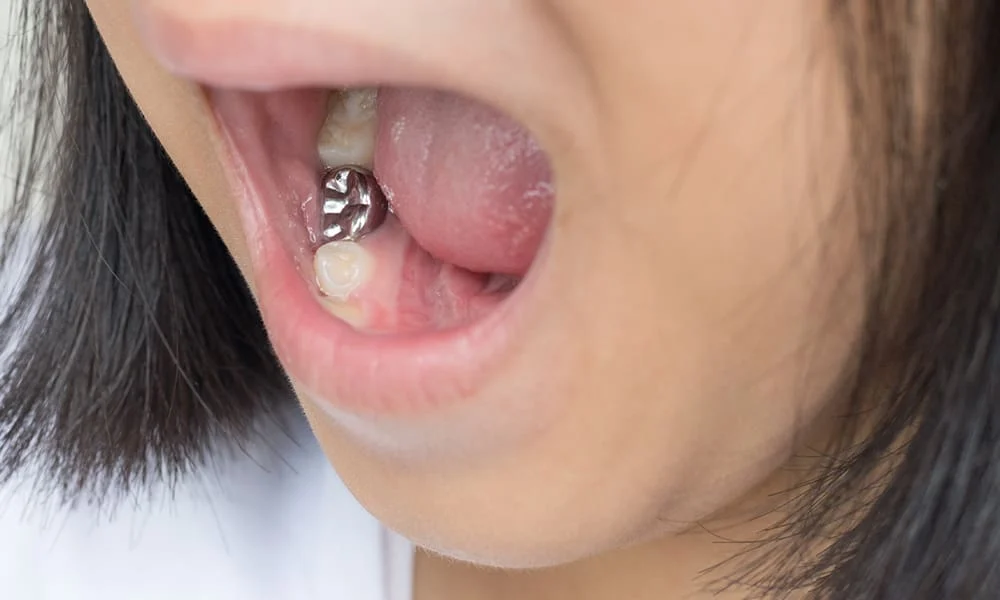
    A temporary dental crown, also known as a provisional crown, is a short-term, removable restoration that covers a prepared tooth until a permanent crown is fabricated and cemented into place. Typically made from acrylic, plastic, or stainless steel, temporary crowns are designed to protect the tooth from decay and sensitivity, maintain its shape and appearance, and enable normal chewing and speaking functions. 

    They are usually cemented or bonded into place with a temporary adhesive, allowing for easy removal when the permanent crown is ready. 

    Types of temporary dental crowns:

    • Plastic or resin crowns
    • Stainless steel crowns (for children’s primary teeth)
    • Acrylic or polymethyl methacrylate (PMMA) crowns
    • 3D-printed temporary crowns

    What is the purpose of temporary dental crowns?

    The purposes of temporary dental crowns are:

    • Protection: Shield the prepared tooth from decay, sensitivity, and further damage.
    • Aesthetics: Maintain a natural-looking smile and appearance.
    • Functionality: Enable normal chewing, speaking, and biting functions.
    • Healing: Allow the gum tissue to heal and recover from tooth preparation.
    • Assessment: Enable the dentist to assess the bite, make adjustments, and ensure proper occlusion.
    • Placeholder: Hold the space for the permanent crown, preventing surrounding teeth from shifting.
    • Comfort: Provide relief from sensitivity and discomfort during the interim period.
    • Trial: Allow the patient to try out the shape, size, and appearance of the crown before the permanent one is made.

    How are temporary dental crowns fabricated?
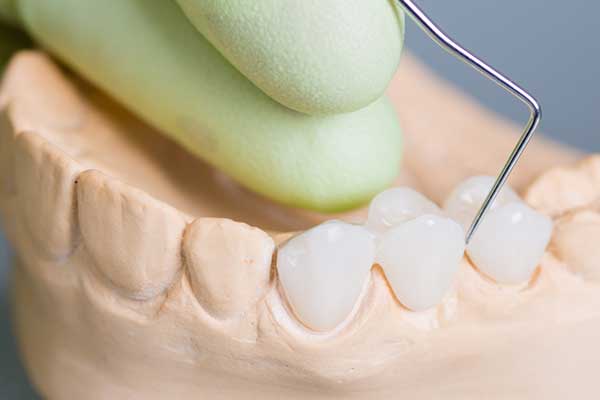
    dental crowns

    The procedure for temporary dental crowns typically involves the following steps:

    • Tooth preparation: The dentist prepares the tooth by removing the decay, shaping the tooth, and making room for the crown.
    • Impression taking: An impression of the prepared tooth and surrounding teeth is taken to create a temporary crown.
    • Temporary crown fabrication: The dentist creates a temporary crown using the impression, usually out of acrylic or stainless steel.
    • Cementation or bonding: The temporary crown is cemented or bonded onto the prepared tooth using a temporary adhesive.
    • Adjustments: The dentist makes any necessary adjustments to ensure proper fit, bite, and comfort.
    • Instructions: The patient is given instructions on how to care for the temporary crown, including diet and oral hygiene.
    • Follow-up: A follow-up appointment is scheduled to check on the temporary crown and prepare for the permanent crown placement.

    What are the benefits of temporary dental crowns?

    The benefits of temporary dental crowns include:

    • Immediate protection: Protects the prepared tooth from decay, sensitivity, and further damage.
    • Aesthetic appeal: Maintains a natural-looking smile and appearance.
    • Functional: Enables normal chewing, speaking, and biting functions.
    • Comfort: Provides relief from sensitivity and discomfort during the interim period.
    • Healing: Allows the gum tissue to heal and recover from tooth preparation.
    • Assessment: Enables the dentist to assess the bite, make adjustments, and ensure proper occlusion.
    • Placeholder: Holds the space for the permanent crown, preventing surrounding teeth from shifting.
    • Trial: Allows the patient to try out the shape, size, and appearance of the crown before the permanent one is made.
    • Reduced sensitivity: Reduces tooth sensitivity during the interim period.
    • Easy removal: This can be easily removed when the permanent crown is ready.
    • Cost-effective: Less expensive than permanent crowns.
    • Time-saving: This can be fabricated and placed in a single visit.

    Temporary dental crowns play a vital role in the dental restoration process, providing protection, aesthetics, and functionality until a permanent crown is placed. By understanding the purpose, benefits, and types of temporary crowns, patients can better navigate the process and ensure a successful outcome. Remember, proper care and maintenance of temporary crowns are crucial for a smooth transition to permanent crowns.

  • How Expert Cosmetic Dentists in Sugar Land Can Help Elevate Your Smile?

    How Expert Cosmetic Dentists in Sugar Land Can Help Elevate Your Smile?

    In an often weary and tiring world, a beautiful smile is an asset to be proud of! It not only boosts your own confidence but also instills a sense of happiness in others. Your smile has a much larger impact than you can imagine!

    According to an expert dentist in Sugar Land, this fact is unfortunately quite rarely known. Individuals under-appreciate the value of a perfect smile and what it can achieve. Mainly, this stems from not knowing that they can take assistance from experts to elevate a smile! No matter what the concern is, a dentist can take the necessary corrective action to help you get a beautiful smile. Here’s how…

    Straightening Your Smile with Invisalign

    Unlike traditional metal braces, Invisalign uses clear, removable aligners to gently shift teeth into their desired position. These aligners are custom-made to fit your teeth and are virtually invisible, making them an attractive option for adults and teens who want a discreet way to achieve a straighter smile. Invisalign offers several benefits, including comfort, convenience, and the ability to eat and drink without restrictions, as you can remove the aligners during meals. 

    Transforming Smiles with Porcelain Veneers

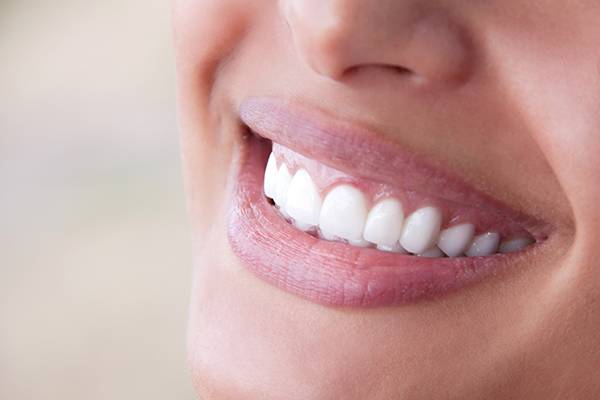
    Veneers are thin, custom-made shells that cover the front surface of your teeth, creating a uniform and aesthetically pleasing appearance. The process involves removing a small amount of enamel from the tooth surface to accommodate the veneer, followed by bonding the veneer to the tooth. Porcelain veneers are highly durable and resistant to staining, providing a long-lasting solution for enhancing your smile. \


    Brightening Your Smile with Teeth Whitening

    Professional teeth whitening

    Over time, teeth can become stained or discolored due to various factors such as diet, smoking, and aging. Cosmetic dentists offer professional teeth whitening treatments that are more effective and longer-lasting than over-the-counter options. In-office whitening treatments use high-concentration bleaching agents to safely and effectively remove stains, resulting in a noticeably brighter smile in just one visit. 

    Enhancing Aesthetics with Restorative Dentistry

    These treatments include options like tooth-colored fillings, crowns, and bridges, which not only repair damaged teeth but also enhance their appearance. Tooth-colored fillings, made from composite resin, blend seamlessly with natural teeth, providing an aesthetic alternative to traditional metal fillings. Crowns and bridges are used to restore the shape, size, and function of teeth that are severely damaged or missing, ensuring a natural and appealing look. 

    Importance of Consistent Dental Exams and Cleanings

    Cosmetic dentists emphasize the importance of preventive care to protect your teeth and gums from decay and disease. During a dental exam, your dentist will assess your oral health, identify potential issues, and recommend appropriate treatments to maintain or improve your smile. Professional cleanings remove plaque and tartar buildup that regular brushing and flossing cannot, helping to prevent cavities and gum disease. 

    A beautiful smile radiates confidence. It can help open doors that seem difficult. But remember, your smile is much more than aesthetics. It is also a visual indicator of oral health! During procedures, your dentist takes care to check for areas of concern as a preventative measure. Additionally, they also share care instructions to ensure your smile stays as radiant as ever!

    The deciding factor here is expertise. When you’re looking to enhance your smile, opt for a dentist with prior experience in similar requirements. Check for testimonials and other indicators. A tell-tale sign of an expert dentist is not just confidence in their craft, but also willingness to go out of their way to make you comfortable. 

    So don’t worry and don’t wait! Book an appointment with a local expert today!

  • What Is Gingival Recession And How Can A Periodontist Help?

    What Is Gingival Recession And How Can A Periodontist Help?

    Gingival recession is a major concern, but many people are not fully aware of what it entails. Simply put, it’s when your gums pull away from your teeth. This can expose tooth roots, leading to sensitivity and potentially serious oral health problems. However, there is help available. A specialist called a periodontist can offer effective treatment options – one of them being dental implants Campbell. In this blog, we’ll explore what gingival recession is, how it affects your oral health, and how a periodontist can assist. We’ll also discuss the role of dental implants Campbell in this process.

    The Impact of Gingival Recession

    Gingival recession can happen to anyone. It’s not just a matter of age or poor oral hygiene. Even brushing your teeth too hard can lead to receding gums. Over time, this can reveal your tooth roots, making your teeth look longer. It can also lead to increased sensitivity, cavities, and in severe cases, tooth loss.

    How a Periodontist Can Help

    A periodontist is a dentist who specializes in gum diseases and conditions. They can diagnose and treat gingival recession. They can also perform surgeries to repair the damage.

    The Role of Dental Implants

    One of the treatments a periodontist can offer is dental implants, Campbell. These are artificial tooth roots that provide a strong foundation for fixed or removable replacement teeth. Dental implants can help solve the problems caused by gingival recession.

    Comparison of Treatment Options

    Treatment Option Benefits Drawbacks
    Scaling and root planing Can help stop gingival recession and gum disease May not be suitable for severe cases
    Gum graft Can cover exposed roots and reduce sensitivity Requires surgery and recovery time
    Dental implants Campbell Can replace missing teeth and restore appearance and function Requires surgery and recovery time

    Remember, only a dentist or periodontist can diagnose gingival recession and recommend the right treatment option for you.

  • Emergency Tooth Extraction in Indianapolis, IN

    Emergency Tooth Extraction in Indianapolis, IN

    Unexpected dental crises sometimes happen, and in certain cases, an emergency tooth extraction is the only course of action, says a dentist in Indianapolis, IN. It is essential to know what to anticipate from the process and how to heal well to reduce pain and maintain good dental health. This page offers a thorough guide on emergency tooth extraction in Indianapolis, IN, including information on the procedure, justifications for extraction, and suggestions for healing.

    When Do You Need an Emergency Tooth Extraction?

    In other instances, emergency tooth removal is unavoidable when any free or infected tooth may be extracted to prevent decay. Emergencies for tooth extractions may include:

    • Severe Tooth Decay: When tooth decay has advanced to the point where restoration with a filling, crown, or other procedure is not possible.
    • Infection: If antibiotics or root canal therapy are ineffective against a tooth infection, like an abscess, the tooth will need to be extracted so that it does not spread.
    • Damage: Fractured or broken teeth resulting from accidents and trauma that are unsalvageable by other dental procedures.
    • Painful, Swollen, or Damaged Impacted Teeth: Wisdom teeth that cause pain and swelling in the gum line cause inflammation in the area due to infection up there.

    The Process of Emergency Tooth Extraction

    tooth extraction

    Here’s what to anticipate during a tooth extraction surgery if you need one done quickly in Indianapolis, IN:

    Initial Exam and X-rays: To evaluate the state of the tooth and surrounding tissues, the dentist will do an extensive examination and take X-rays. This aids in choosing the most effective extraction strategy.

    Anesthesia: Local anesthesia is arrested over the specific space where the tooth needs to be extracted. We do offer sedation in some cases for anxious patients; or on complex extractions.

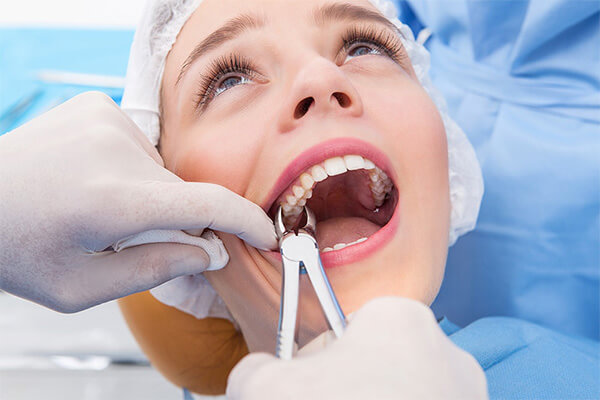
    Tooth Extraction: The dentist will most likely have to perform a simple or surgical extraction of the tooth.

    • Uncomplicated Extraction: This type of extraction is performed for teeth that are fully visible or appear above the gum line. The dentist uses an elevator to elevate the tooth and then uses forceps to remove it.
    • Extraction: Surgery for teeth that are broken completely at the gumline or are impacted. The dentist then cuts the gum to access the tooth, and may also need to remove some of the bone covering it or cut up the tooth into pieces before taking it out.

    Recovery Advice for Urgent Tooth Extraction 

    For a patient to recover well from an emergency tooth extraction, proper aftercare is crucial. The following advice can help you heal properly. To stop bleeding, gently bite down on a gauze pad that has been put over the extraction site. It usually takes a few hours for the bleeding to cease, so change the gauze as required. To control pain, take over-the-counter medications like ibuprofen. To minimize swelling, place an ice pack on your face for 20 minutes at a time.

    Emergency Dentist in Indianapolis, IN

    If you are in this position and need an emergency tooth extraction from Indianapolis, IN, be sure to act quickly. Most dental clinics in the neighborhood provide emergency treatments to restore vital issues with time and relief. When choosing an emergency dentist, you need to choose the one who has more experience in dealing with dental emergencies and also their availability along with patient reviews which tell whether providing quality care or not.

    Receiving an emergency tooth extraction is a stressful event, but knowing what to expect can make the experience more bearable. Many skilled dentists in Indianapolis, IN, are ready to assist you regarding emergency dental care and help walk you through the extraction process or post-extraction recovery. With the above aftercare tips and your dentist working with you, transitioning back to normal will be a lot more routine for both of them.

  • General vs. Pediatric Dentistry: Who Should You Choose?

    General vs. Pediatric Dentistry: Who Should You Choose?

    When it’s time for a dental check-up, you may find yourself wondering about the best place to go. A General Dentist or a Pediatric Dentist? The choice is not as simple as one might think. In this blog post, we will delve into the differences between the two. We will also explore the role of laughing gas Georgia in the field of dentistry.

    Understanding a General Dentist

    General Dentist

    A General Dentist is the main dental care provider. They handle dental health exams, gum care, root canals, fillings, crowns, veneers, bridges, and preventive education. With the support of an emergency dentist in Northwest Houston, patients can also rely on immediate care when unexpected dental issues arise. Their education consists of college, dental school, and passing a licensure examination.

    Grasping the Role of a Pediatric Dentist

    A Pediatric Dentist specializes in oral health of children from infancy through the teen years. They have the experience and qualifications to care for a child’s teeth, gums, and mouth throughout the various stages of childhood. In addition to dental school, they undergo two to three years of additional training.

    Comparing the Two

    Let’s have a look at the differences in a simple, quick-to-understand table:

    FEATURE GENERAL DENTIST PEDIATRIC DENTIST
    Education College and Dental School College, Dental School, and 2-3 years additional training
    Patient Age Group All ages Infancy through teen years
    Services Comprehensive oral health care Specialized oral health care for children

    So, what’s the bottom line? The decision between a General Dentist and a Pediatric Dentist should depend on the specific needs of your child. Take into consideration their comfort, the dentist’s experience, and the quality of care provided.

    Laughing gas is a common part of both general and pediatric dentistry. It helps to relax patients and reduce anxiety during procedures. Our friends in do an excellent job in ensuring both the safety and comfort of their patients.

    Don’t forget, dental health is a crucial part of overall well-being. Make the right choice for you and your family.

  • General Dentist Shares Best Techniques for Whiter Teeth

    General Dentist Shares Best Techniques for Whiter Teeth

    Welcome to our exploration of tooth whitening techniques. We carry the wisdom of a general dentist with years of practice under their belt. It’s the same expertise that delivers flawless dental implants Greenwich residents trust. Today, we aim to illuminate the world of tooth whitening procedures. Let’s delve into techniques that can transform your smile from dull and discolored to dazzling white.

    Understanding Tooth Whitening

    Tooth whitening is a simple process. It lightens teeth and helps remove stains. It’s not a one-time procedure. Whitening needs to be repeated from time to time if you want to keep the brighter color.

    Tooth Whitening Techniques
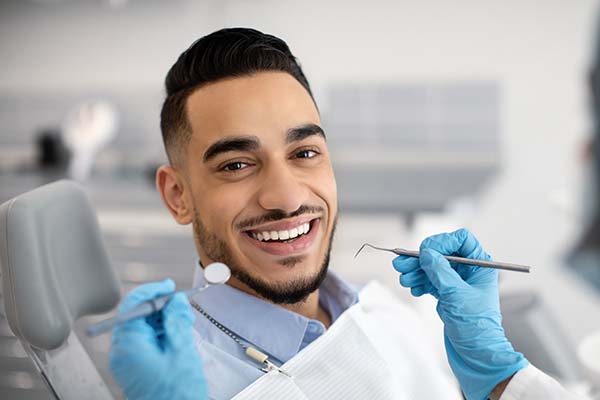
    Portrait Of Happy Arab Man Sitting At Dentist Chair In Modern Clinic And Smiling At Camera, Middle Eastern Male Patient Enjoying Dental Treatment With Professional Stomatologist, Closeup Shot

    Why Teeth Get Yellow

    Why do teeth lose their shine? Many factors play a role. They include aging, the foods you eat, and smoking. Just like a white shirt can get stained, so can your teeth.

    Professional Whitening vs. At-Home Products

    There are many ways to whiten your teeth. You can do it at a dentist’s office or at home. There are pros and cons to both approaches. Let’s take a look at a comparison table:

    Professional Whitening At-Home Products
    Effectiveness High Varies
    Speed Fast (1-2 sessions) Slow (several weeks)
    Cost High Lower

    Professional whitening offers immediate results. But it comes with a higher price tag. At-home products are more affordable. However, they take longer to show results.

    Techniques for Whiter Teeth

    There are many ways to get a brighter smile. Some involve a trip to the dentist. Others can be done at home. Here are three common tooth whitening techniques:

    1. Bleaching: This is the most common method. It involves applying a bleaching gel to the teeth. This gel breaks down and oxygen enters the enamel and dentine, which lightens the tooth color.
    2. Laser whitening: Here, a rubber dam is put over your teeth to protect the gums, and a bleaching product is painted onto your teeth. Then a light or laser is shone on the teeth to activate the chemical. The light speeds up the reaction of the whitening product and the color change can be achieved more quickly. A skilled dentist in Germantown, TN can perform this procedure safely and effectively, ensuring brighter results with minimal discomfort.

    3. Whitening toothpastes: All toothpastes help remove surface stains. Whitening toothpastes have special chemical or polishing agents that provide additional stain removal effectiveness.

    Tooth whitening is a safe process when carried out by a professional or under their guidance. It can make a big difference in your smile and self-confidence.