Blog

  • 6 Trends in Smile Aesthetics for 2024

    6 Trends in Smile Aesthetics for 2024

    A beautiful smile has always been a symbol of confidence and vitality, but the way we approach smile aesthetics is constantly evolving. Thanks to advancements in technology and a growing interest in personalized care, 2024 is shaping up to be an exciting year for cosmetic dentistry. A cosmetic dentist in La Verne, CA, will be able to help you understand the latest trends in smile aesthetics.

    Here are six of the biggest trends in smile aesthetics that are transforming how people enhance their teeth.

    1. Natural-Looking Results Are a Top Priority

    Gone are the days of ultra-bright, overly perfect smiles. Today’s patients want results that look natural, authentic, and reflect their individuality. Dentists are focusing on creating smiles that enhance facial harmony by matching the shade, shape, and size of teeth with a person’s overall appearance.

    Innovations in materials, such as high-quality dental ceramics and composite resins, are making it easier to replicate the color and translucence of natural teeth. The emphasis is not just on achieving a white smile but one that complements the individual’s unique features.

    2. Digital Smile Design (DSD) is Revolutionizing Consultations

    One of the most exciting advancements in smile aesthetics is the use of Digital Smile Design (DSD). This technology allows patients to see a virtual preview of their new smile before committing to a procedure. By using state-of-the-art software, dentists can create a fully customized plan tailored to the patient’s facial structure and personal preferences.

    DSD helps patients feel more confident about their choices and ensures they understand the expected outcomes. The ability to visualize potential results is reshaping the consultation experience and eliminating uncertainties.

    3. Minimally Invasive Treatments Are Gaining Popularity

    The demand for minimally invasive smile enhancements continues to grow. Innovations in techniques and materials mean that treatments like bonding, reshaping, and micro-veneers now require less alteration to your natural teeth. Options like no-prep veneers, which are ultra-thin and fit seamlessly over existing teeth, are especially popular.

    Patients are also seeking subtle improvements, such as contouring or same-day bonding, to enhance their smiles without undergoing major dental work.
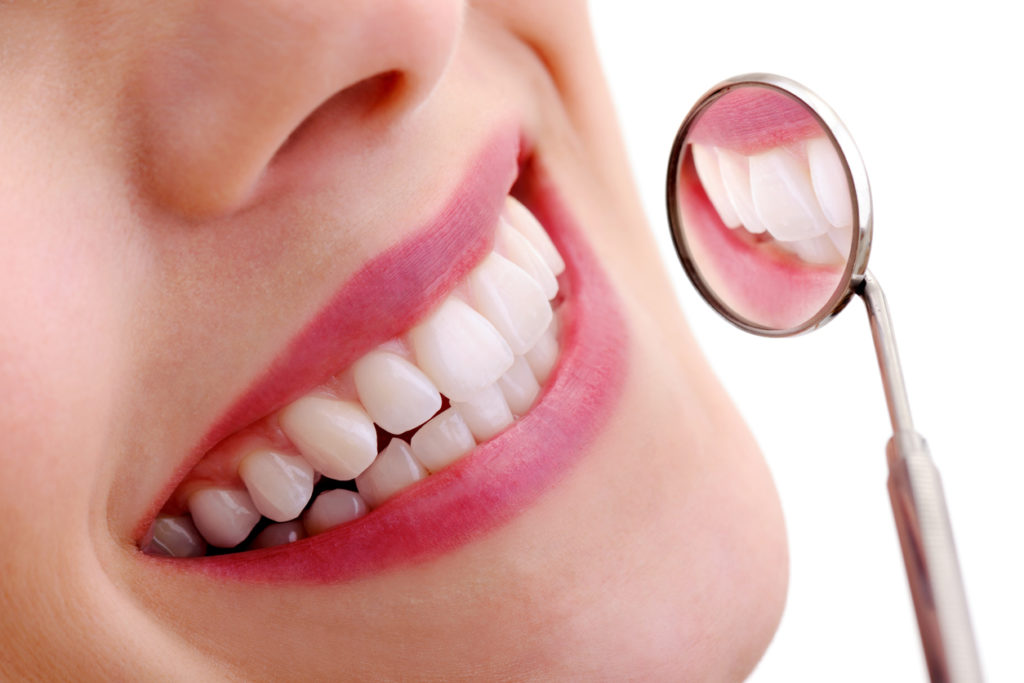
    4. Teeth Whitening Goes High-Tech

    Teeth whitening has long been a staple in cosmetic dentistry, but in 2024, it’s getting a high-tech upgrade. Professional in-office whitening treatments utilize advanced LED light technology paired with cutting-edge gels to achieve brighter results in less time.

    In addition, low-sensitivity whitening formulas are becoming widely available, making the process more comfortable for individuals with traditionally sensitive teeth. For those who prefer at-home solutions, there are now custom-tailored kits that offer professional-grade results conveniently and affordably.

    5. Personalized Smile Design Through AI

    Artificial Intelligence (AI) is finding its way into the world of dental aesthetics. Dentists are now using AI-driven tools to create highly personalized treatment plans. These systems analyze a variety of factors, such as facial symmetry, dental structure, and even emotional expression, to suggest the ideal smile design.

    AI also helps streamline procedures by accurately simulating outcomes, reducing errors, and improving efficiency. This trend ensures that patients receive tailor-made care that fits their needs perfectly.

    6. Focus on Holistic Dental Health

    Smile aesthetics isn’t just about appearance anymore, it’s about total oral wellness. People are becoming more invested in their overall dental health as a foundation for a great smile. This trend has led to the rising popularity of treatments like gum contouring, which ensures healthy, even gumlines, and orthodontics which prioritize teeth alignment for better function.

    By addressing the health and mechanics of your bite, dentists are creating smiles that are not only beautiful but also support long-term dental health and functionality.

    Conclusion

    Whether you’re considering subtle enhancements or a full smile makeover, staying informed about the latest advancements can help you make confident, informed decisions about your dental care.

    Your smile is one of your most defining features, latest trends in cosmetic dentistry are here to make sure it shines brighter than ever while reflecting your individuality and health. If you’ve been thinking about enhancing your smile, now’s the perfect time to explore these cutting-edge options!
  • Can Cavities Develop from a Dry Mouth?

    Can Cavities Develop from a Dry Mouth?

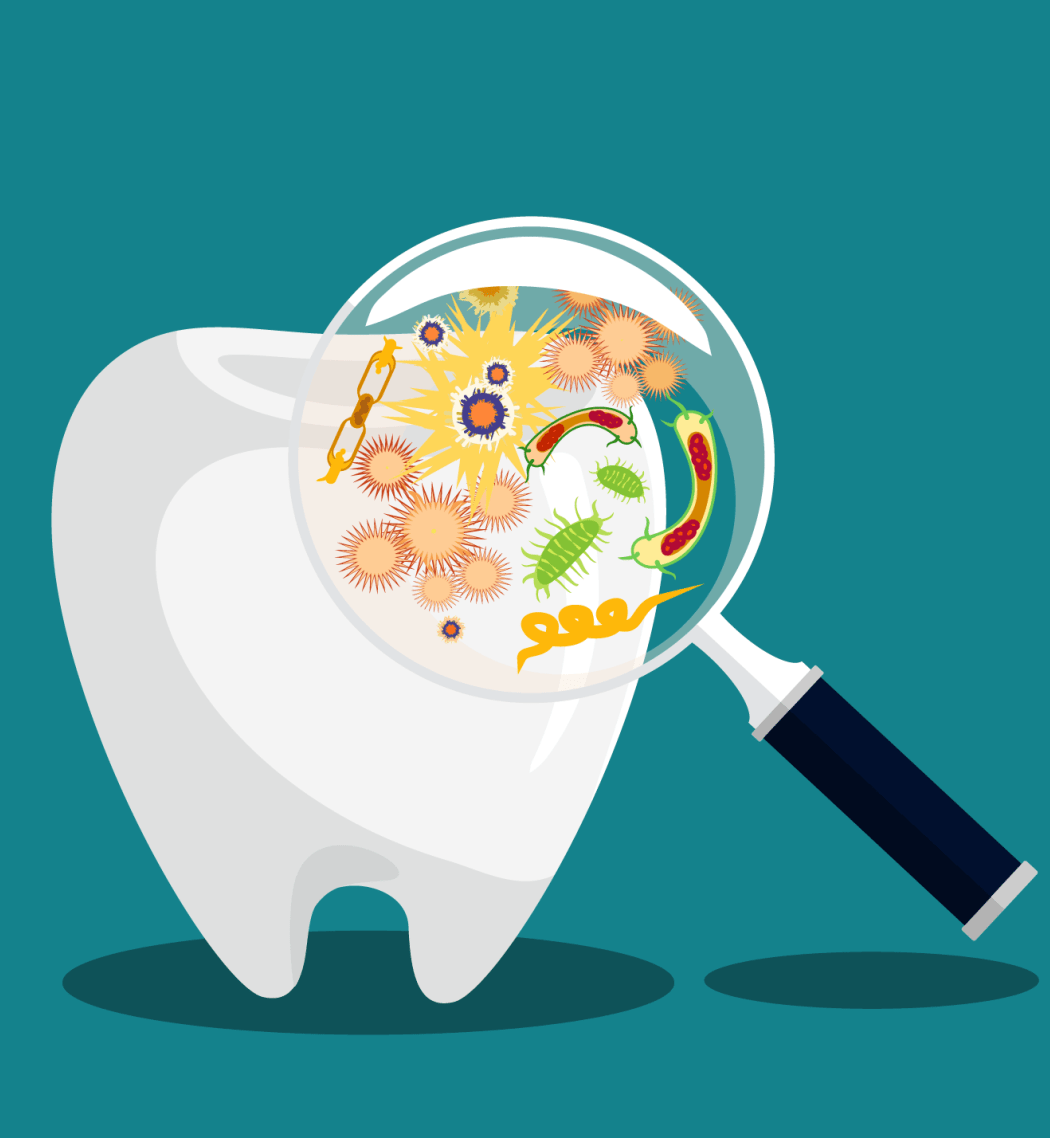
    Xerostomia is another name for dry mouth, which occurs when the salivary glands in the mouth do not produce enough saliva. A dry mouth is often a temporary condition brought on by dehydration. In other cases, mouth dryness is a chronic issue that many people face in Leduc. Medical problems, including diabetes or a swollen salivary gland, may lead to dry mouth.

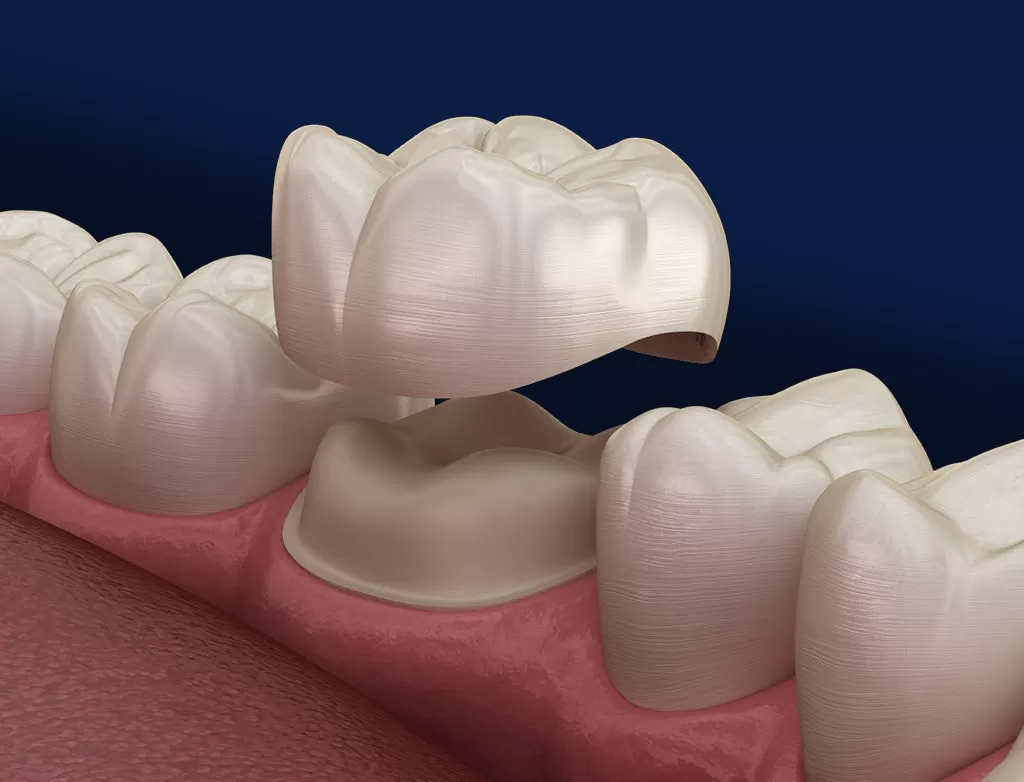
    Oral health issues may occur when we do not produce enough saliva. Our dental health depends on saliva, which shields our teeth and gums from erosion and acids. Saliva keeps our mouth and teeth healthy by washing away food particles and microbes. A dentist can help you with dental crowns in Leduc, AB, dry mouths, and more to guide you about your oral health.

    How Can Dry Mouth Affect Your Well-being?

    Gum disease, tooth decay, yellowing, and enamel erosion are just a few of the problems that can result from dry mouth. Gum disease, which raises the risk of cavities and tooth decay, may arise from bacteria that are not removed from the body and plaque and tartar buildup. Gum disease may result in tooth decay or even loss if left untreated.

    Low saliva production encourages germs and acids to stay on your teeth for longer, which can cause enamel erosion or tooth decay. Your teeth can become stained or discolored if the amounts of acid and plaque are high. To make sure your mouth and teeth are clean and free of decay, it is essential to keep up with routine dental examinations and cleanings.

    How Can Dry Mouth Be Treated?

    The good news is that you can restore the condition of your teeth and gums and treat dry mouth. The type of treatment needed will depend on the severity of the injury. Crowns, gum treatments, and fillings are examples of restoration options.

    Ways to Prevent Dry Mouth

    • Drink lots of water to stay hydrated.
    • Use an over-the-counter saliva therapy or substitute.
    • Increase the amount of moisture in the air as you sleep by using a humidifier.
    • Chew sugar-free gum to promote the production of saliva.

    Maintain your oral hygiene routine by flossing and brushing each day to avoid the buildup of bacteria and plaque.

    Problems Related to Dry Mouth

    In addition to cavities, dry mouth also causes additional issues. Gum disease and serious tooth decay can occur if dry mouth is left untreated.  According to the Oral Cancer Foundation, dry mouth actually contributes to 30% of tooth decay in older persons.

    If left untreated, dry mouth may result in further medical issues like:

    • Trouble speaking
    • Fungal infections
    • Hoarseness
    • Having trouble swallowing and chewing food
    • Dry nasal passages
    • Having trouble wearing dentures

    Signs and Causes of Dry Mouth

    If you have a persistent dry mouth, it may be caused by one or more of the various factors that lead to xerostomia. In some cases, your dry mouth is supposed to go away once you stop taking certain drugs, treatments, activities, or behaviors. If your salivary glands are damaged, you might also be suffering from chronic dry mouth.

    Dry mouth is a sign of multiple health issues. See your dentist or doctor to determine the cause of your chronic dry mouth if it has persisted for more than a week.

    Dry mouth can be caused by:

    • Dehydration, often known as insufficient intake of water
    • Anxiety or stress
    • Numerous drugs: examine the adverse effects of your prescriptions.
    • Radiation therapy and chemotherapy for cancer
    • Immune system disorders, such as Sjögren’s syndrome
    • Diabetes and HIV/AIDS

    Ways to Improve Your Dental Health

    There are various effective options for improving dental health and curing dry mouth. Your dentist may suggest a saliva substitute or prescribe medicine to help boost saliva production.

    Here are a few home remedies for dry mouth

    • Sugar-Free Mints or Gum

    Gum and mints increase saliva, which helps combat dry mouth. 

    To help prevent cavities, look for products that contain xylitol, a sugar replacement.

    • Regularly brush and floss.

    Plaque accumulation can be prevented by maintaining proper dental hygiene. The acidity of the plaque that forms on your teeth erodes your tooth enamel, increasing your risk of cavities.

  • The Impact of Gut Health on Oral Health: What New Research Says

    The Impact of Gut Health on Oral Health: What New Research Says

    New studies have emerged linking gut health with the status of health of the mouth and gum. The gut and mouth are synergistic; there is constant microbiological transmission between the two areas. For instance, current research indicates that certain types of gastrointestinal flora are beneficial in oral health and can thus help minimize conditions such as periodontal disease and caries. Such a connection is increasingly becoming familiar to Van Nuys dental workers, who stress the good health of both the stomach and mouth.

    What has New Research found regarding the gut connection in relation to Oral Disease?

    Recent studies are gradually demonstrating the interaction between gut microbiome and the emergence of Orad diseases including periodontal diseases, dental cavities, and even halitosis. I find that the disorder in the gut microbiota affects the body’s ability to prevent bacterial overgrowth in the oral cavity hence predisposing the body to oral health troubles. 

    This study reaffirms the value of regulating the levels of healthy microflora and it appears that they do directly influence the condition of the bacteria that is in the mouth. Some are also exploring how the inflammation arising from dysbiosis can play a role in oral diseases, providing fresh understandings of how prevention can be achieved.

    Do Changes in Gut Health Lead to Better Oral Health?

    There is the possibility of better oral health for patients who decide to make dietary adjustments; and take probiotics and prebiotic products in the long run. Arguably, specific ageing-related microbial improvements may be developed by taking normal fibre-containing fruits, vegetables, and fermented foods which help to restore gut health, and hence improve the quality of the used microbial strains. 

    This could therefore diminish the probability of getting oral diseases related to bacterial fluctuations. Scientific evidence exists showing that it is possible to enhance the health of the gut and by doing so enhance the chance of having a healthy gut lining besides affecting the other body parts such as the mouth in a way that increases the risks of developing conditions like gum diseases. 

    What are the potential long-term effects on the state of oral health?

    The connection between the gut and oral health has not been fully understood, however, the long-term effects of a healthy gut flora seem to be beneficial for oral health as well. BHoweverresearch shows that modifying our gut bacterial patterns of course may lead to a reduction in chronic mouth diseases. They suggest that the new connection between the intestines and mouth may revolutionize the way people view oral care as people will start focusing on their entire health.

    What Should Dental Health Care Workers Do to Consider Gut Health in Patient Treatment?

    With the increased understanding of the relationships between gut health and oral health, dental care workers may start to include information on the internal health of a patient’s gut in their evaluations. Although more detailed studies have to be undertaken to promulgate clear guidelines, the future of dental check-ups could entail questions regarding the patients’ diets, lifestyles, and gastrointestinal problems. Dentists may also work with nutritionists, physiotherapists, or other practitioners to expand preventive care for oral health problems. 

    Conclusion

    In the health and wellness niche, this research on the relationship between gut and oral health is one of the new rising trends. The hope for understanding the correlations between the two areas is that then one can take a more comprehensive approach toward preserving their well-being. Consumption of gut-friendly foods and probiotics as well as changes in other parts of the health process can not only be good for the gut but also for community dental health. The concept of a balanced microbiome as a critical component of current and future dental care and general health will remain a key term as research progresses.

  • The Role of Night Guards in Protecting Your Cosmetic Dental Work

    The Role of Night Guards in Protecting Your Cosmetic Dental Work

    People choose cosmetic dentistry to improve their looks and oral health in some cases. Procedures like veneers, implants, and crowns help improve functionality and look so that you can have a flawless appearance. Once you get these treatments, you will have to take proper care of them to maintain them.

    If you are looking for a dental practice in Carmel, NY, then contact dentists who are highly professional and experienced. These dentists will suggest the best treatment plan available to you based on your budget and needs. 

    Read this article to learn how important night guards are in protecting any cosmetic dental procedures that you get. Knowing the details will help you understand how night guards not only protect your smile but also your overall health.

    Understanding Bruxism and Its Impact on Cosmetic Dentistry

    Bruxism is a very common problem that people face. It is more commonly called teeth grinding or clenching. Even though it affects a lot of people, people are not aware of it. People do this while they are asleep, and it badly affects their natural teeth and cosmetic enhancement. 

    Damage to Dental Restorations

    If you get veneers and crowns, then because of bruxism, these can get damaged like chips, cracks, or even get out of the gum or foundation because of the constant pressure caused by grinding.

    Fast Enamel Wear

    If you grind your teeth, then the enamel layer of your teeth can get eroded, which can make the teeth sensitive and cause decay, even if it is natural. 

    Chronic Pain and Discomfort

    Bruxism can also cause problems like jaw pain, muscle tension, and even headaches in some cases. This can be a problem in your day-to-day life.

    Silent Threat

    Many people are totally unaware of their own grinding habit and discover this at a very late stage after a lot of damage has been done. This makes it important to act on it once you know about it.

    How Night Guards Protect Your Investment

    If you have a habit of teeth grinding, then you can use night guards, which can act as a barrier between the upper and lower teeth. This can sound simple, but this is a very effective method to keep your cosmetic dental work safe and save you from costly repairs or replacements. 

    Pressure Redistribution

    These mainly work by distributing the grinding forces of your teeth evenly, which reduces tension. It can help prevent any fracture or excessive wear during restorations.

    Cushioning Effect 

    Veeners, crowns, and implants are delicate; if you put a lot of stress or pressure on them, they will start to get damaged. Night guards absorb the forces produced by clenching and protect your dental work. 

    Custom Comfort

    If you get your night guard from a professional, then they will make it in such a way that it fits perfectly and use it as much as possible to get maximum protection and results.

    Alignment Preservation

    Cosmetic procedures need precision in alignment. Night guards can maintain this alignment by preventing any unwanted shift that has been caused by grinding.

    Benefits of Using a Custom Night Guard

    You can easily get over-the-counter night guards, but custom-made night guards can give you good protection and comfort. They are made in such a way that they fit perfectly in your unique structure. 

    1. Durability and Longevity: Good-quality materials ensure custom guards withstand long-term usage, providing night-to-night reliable protection.
    2. Comfortable: An accurate fit ensures no discomfort, which means that you can easily use the guard in your daily nighttime routine.
    3. Cost-Saving Protection: Investing in a custom night guard saves you the expense of repairing or replacing cosmetic work.
    4. Healthier Sleep Patterns: Custom guards can help improve jaw strain and reduce grinding, thereby contributing to better sleep quality and overall well-being.

    Protect Your Smile, Protect Your Investment

    It is important to maintain your cosmetic dental work as it affects both your health and your smile. If you are thinking about getting a night guard, then talk to a dental professional today.

  • Keep it moving: the importance of exercise for older adults

    Keep it moving: the importance of exercise for older adults

    Exercise is crucial for maintaining health and independence as we age. It supports physical strength, mental well-being, and overall quality of life. The importance of exercise for older adults cannot be overstated. It helps reduce the risk of disease, improves bone health, and enhances balance and coordination. Regular physical activity also supports mental health and helps maintain a healthy weight. Whether through walking, strength training, or yoga, exercise is a powerful tool for aging gracefully and staying active.

    Find below five key reasons why exercise is so important for older adults.

    Reduces the risk of disease

    Regular exercise lowers the risk of many chronic diseases, including heart disease, diabetes, and high blood pressure. Cardiovascular activities like walking, swimming, or cycling improve circulation and strengthen the heart. Exercise also helps regulate blood sugar levels, reducing the risk of type 2 diabetes. Seniors who stay active are less likely to develop illnesses and are better equipped to manage existing conditions. Physical activity boosts the immune system, making it easier to fight off common infections.

    Improves bone health

    Bone density naturally decreases with age, increasing the risk of osteoporosis and fractures. Weight-bearing exercises like walking, dancing, or light strength training help strengthen bones and slow bone loss. Strong bones are essential for maintaining mobility and independence. Regular physical activity also improves joint health, reducing stiffness and discomfort associated with arthritis. By focusing on exercises that promote bone strength, older adults can prevent falls and maintain an active lifestyle.

    older adults

    Enhances balance and coordination

    Balance and coordination are crucial for preventing falls, a common concern among older adults. Activities like tai chi, yoga, or simple balance exercises improve stability and strengthen the muscles that support the body. These exercises enhance awareness of movement and help seniors feel more confident in their mobility. Better balance reduces the likelihood of injuries and ensures greater independence in daily activities.

    Boosts mental health

    Exercise is not just good for the body, but it is also essential for the mind. Physical activity releases endorphins, which improve mood and reduce stress and anxiety. Regular exercise can help prevent or slow cognitive decline, supporting brain health as we age. Activities like group walks or fitness classes provide social interaction, reducing feelings of isolation and promoting emotional well-being. Seniors who exercise regularly often experience greater mental clarity and a more positive outlook on life.

    Helps maintain a healthy weight

    Staying active helps older adults maintain a healthy weight, which is important for overall health and mobility. Exercise burns calories, builds muscle, and increases metabolism, making it easier to manage weight. Maintaining a healthy weight reduces stress on joints and lowers the risk of obesity-related conditions like heart disease or diabetes. Combined with a balanced diet, regular exercise helps seniors feel more energetic and capable in their daily lives.

    Final words

    Exercise is essential for older adults to stay strong, independent, and healthy. By reducing the risk of disease, improving bone health, enhancing balance, supporting mental well-being, and maintaining a healthy weight, physical activity promotes a higher quality of life. Incorporating exercise into a daily routine ensures that aging can be both active and fulfilling.

  • The Role Of Orthopedic Surgeons In Occupational Health

    The Role Of Orthopedic Surgeons In Occupational Health

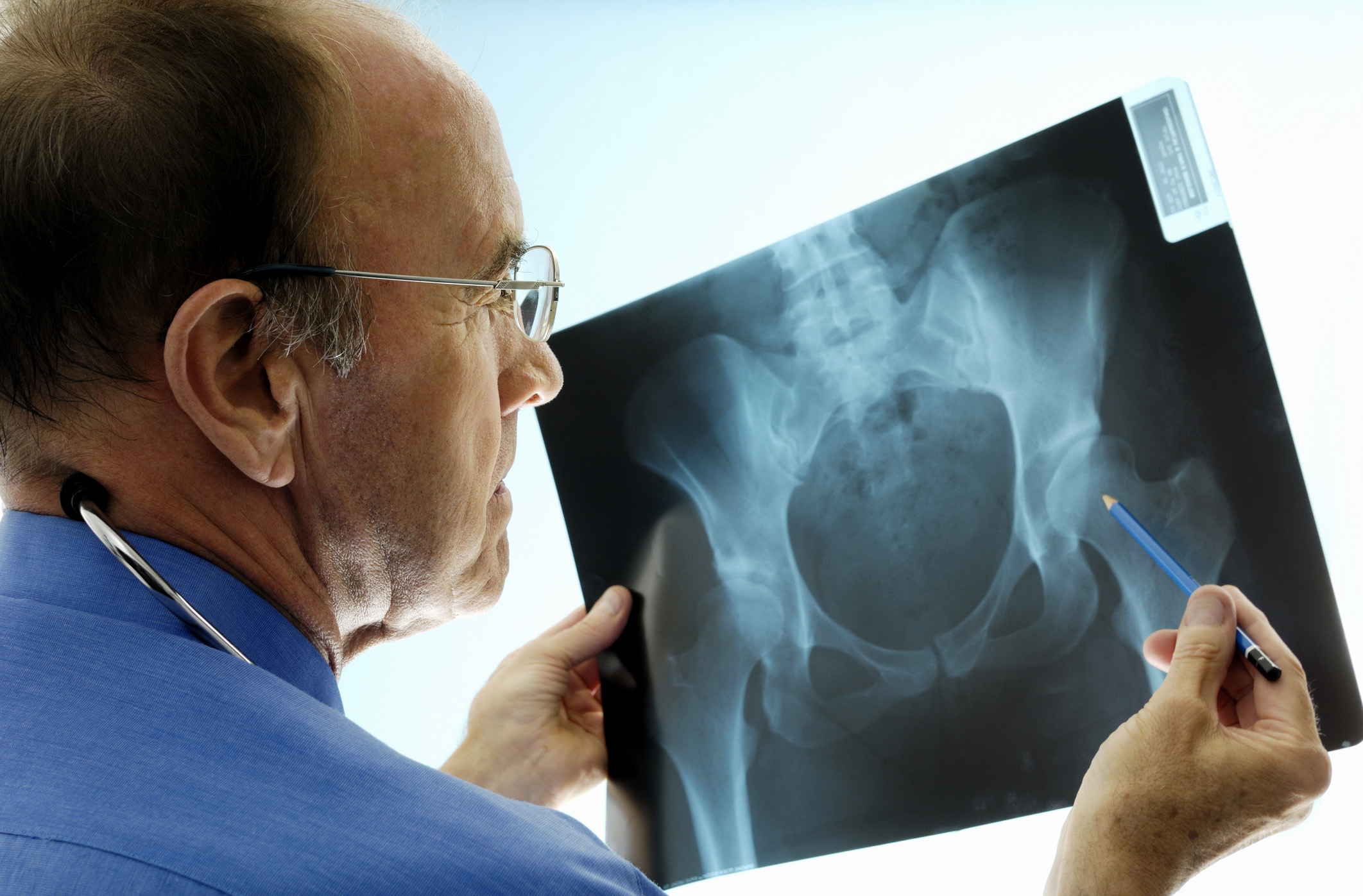
    Orthopedic surgeons play a vital role in occupational health. They diagnose and treat musculoskeletal problems that arise from workplace injuries. Stephen Fisher, MD, highlights the importance of their work in keeping employees healthy and productive. By addressing issues like back pain and repetitive strain injuries, orthopedic surgeons help prevent long-term disabilities. Their expertise ensures a safer work environment and faster recovery.

    Understanding Occupational Injuries

    Occupational injuries are common in many fields. They include strains, sprains, fractures, and dislocations. These injuries can happen due to repetitive movements, poor ergonomics, or sudden accidents. According to the Centers for Disease Control and Prevention (CDC), work-related musculoskeletal disorders are a leading cause of workplace injury and illness.

    Orthopedic Surgeons: Key Contributors

    Orthopedic surgeons are trained to handle these specific issues. They use their skills to diagnose problems accurately. They provide treatments that help patients return to work safely. These specialists focus on:

    • Accurate diagnosis of musculoskeletal conditions
    • Developing treatment plans that suit individual needs
    • Performing surgeries if necessary to correct severe injuries

    Surgeons also work closely with other healthcare providers. This teamwork ensures comprehensive care for the injured worker.

    Prevention and Education

    Prevention is a crucial part of occupational health. Orthopedic surgeons often offer guidance on how to avoid injuries. They provide advice on proper body mechanics and ergonomic practices. Education initiatives can significantly reduce the risk of recurrent injuries. This proactive approach helps maintain a healthy workforce.

    The Role of Technology

    Technology plays an important role in occupational health. Advanced imaging techniques like MRI and CT scans help in precise diagnosis. Minimally invasive surgery options lead to faster recovery times. Orthopedic surgeons utilize these technologies to improve patient outcomes effectively.

    Recovery and Rehabilitation

    Recovery does not end with surgery or treatment. Rehabilitation is a key part. Physical therapy helps regain strength and flexibility. Surgeons often collaborate with physiotherapists to create a personalized rehab plan. This approach ensures that patients return to their daily activities with confidence.

    Statistics on Workplace Injuries

    Type of Injury Percentage of Total Workplace Injuries
    Sprains and Strains 35%
    Fractures 10%
    Back Injuries 20%

    This table shows that sprains and strains are the most common. Orthopedic surgeons are crucial in managing these conditions.

    The Importance of Follow-Up Care

    Follow-up care is essential to ensure full recovery. Regular check-ins allow for monitoring of the healing process. Adjustments to treatment plans can be made as needed. This careful attention prevents complications and ensures long-term health.

    Conclusion

    Orthopedic surgeons are indispensable in the realm of occupational health. Their expertise helps prevent, diagnose, and treat injuries effectively. By focusing on both prevention and recovery, they ensure a healthier workforce. Their work not only benefits individual patients but also enhances overall workplace productivity and safety. For more information on occupational health, the Occupational Safety and Health Administration (OSHA) offers valuable resources.

  • Role of Restorative Dentistry: A Key to Full-Functioning Oral Health in Puyallup, WA

    Role of Restorative Dentistry: A Key to Full-Functioning Oral Health in Puyallup, WA

    Restorative dentistry is a significant aspect of both oral health maintenance as well as improvement. Learn why general, restorative, and cosmetic dentistry treatments are important for Puyallup, WA residents here. In this blog, we describe the importance of restorative dentistry and how it helps our oral health.

    What is Restorative Dentistry?

    The definition of restorative dentistry includes any dental procedure that is needed to repair or replace damaged teeth. Some of the most common restorative options are fillings, crowns, bridges, implants, and dentures. These procedures are critical when it comes to dealing with dental problems, from cavities and tooth decay to lost and damaged teeth.

    Stopping More Dental Problems

    Through restorative dentistry, one of the primary advantages is preventing future dental problems. In the case of a tooth that has been damaged or decayed, it leaves the area open to infection and rotting further. Restorative treatments include fillings or crowns that seal the tooth and prevent bacteria from entering, which could cause more serious problems such as root infections or abscesses.

    Fortunately for Puyallup residents with access to quality dental care at their disposal, it is best to have minor dental problems treated quickly with restorative treatments before they require more extensive and expensive procedures later.

    Improving Oral Function

    Restorative dentistry helps to improve your teeth, both in health and functionality. Eating and communicating can prove difficult while living with absent or impaired teeth! Operations like dental implants and bridges will restore chewing food and speaking clearly by filling the gaps in your missing teeth.

    For Puyallup residents, such an improvement in oral ability can dramatically increase their quality of life by enabling a varied diet as well as the ability to converse freely with others.

    Aesthetic and Confidence Enhancer

    Do not forget about the aesthetic advantages of restorative dentistry. When you have damaged or missing teeth, your smile may not be very attractive, and this can impact your confidence. Crowns and veneers not only restore the function of your teeth, but they also allow you to achieve a more natural ultimate aesthetic result.

    In a community-driven area like Puyallup, where social interactions are essential, a healthy and beautiful smile can enhance your confidence and promote constructive social engagements.

    Importance for Overall Oral Health

    Restorative dentistry is a huge part of general dental health. Restored and maintained teeth are also less prone to complications like gum disease or further cavities. Restorations promote a balanced, healthy oral environment by conserving dental problems as early as possible.

    For Puyallup residents, regular visits to a restorative dentist can ensure that any dental issues are diagnosed and resolved early — a crucial first step toward long-term oral health and wellness.

    Individualized Treatment in Puyallup

    The individualized approach to treatment is one benefit of obtaining restorative dental care in Puyallup. Local dentists provide individualized care that satisfies each patient’s unique needs since they are aware of the community’s unique issues and needs

    Restorative dentistry – an integral procedure for improving and maintaining oral health. For Puyallup, WA residents, these treatments come with many benefits that help to prevent more issues in the future, work better, and look great all while keeping your smile healthy. Restorative dentistry makes sure that you will have a healthy smile for as long as possible among other benefits by treating these dental issues early and efficiently. Frequent trips to a restorative dentist in Puyallup ensure that you get the one-on-one treatment needed to promote good oral hygiene.

  • Acupuncture For Mental Health: A Closer Look

    Acupuncture For Mental Health: A Closer Look

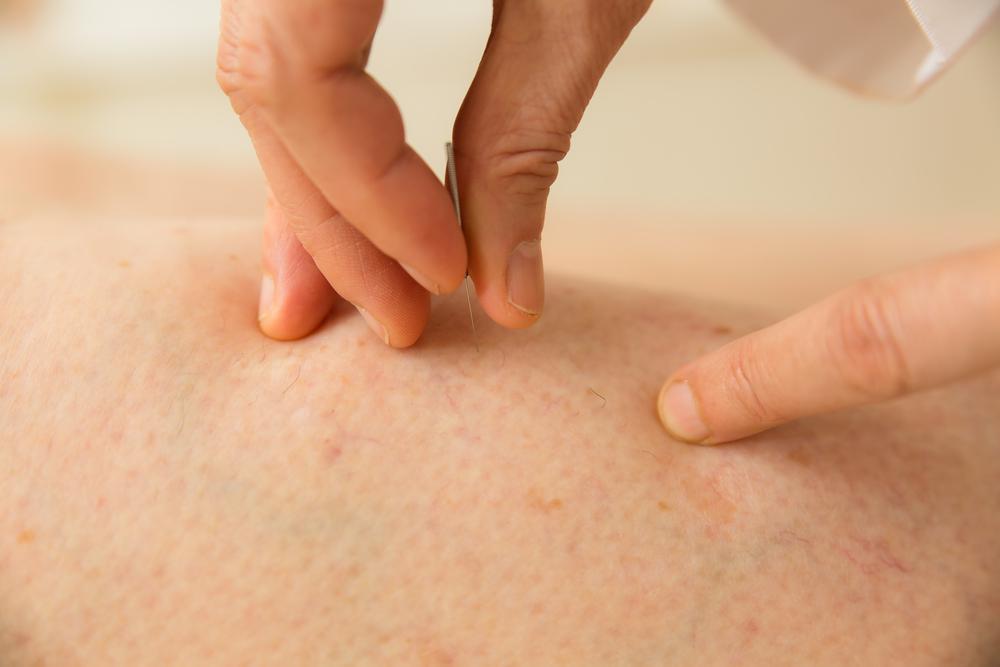
    Acupuncture has been around for thousands of years. This ancient practice involves placing thin needles on specific body points. It may provide relief for mental health issues like anxiety and depression. neurology new york has even begun studying its effects on the brain. With a closer look, the potential benefits of acupuncture for mental health become clearer. Understanding how it works could offer new paths for those seeking balance and calm.

    How Acupuncture Works

    Acupuncture is based on the idea that energy flows through the body along pathways called meridians. By inserting needles at specific points, it aims to restore balance and improve health. This method has shown promise in treating both physical and mental ailments. Scientists are now exploring its effects on brain chemistry and mood regulation.

    Acupuncture and Mental Health

    Several studies have investigated acupuncture’s impact on mental health. Some findings indicate it may reduce symptoms of anxiety, depression, and even PTSD. These effects might stem from increased endorphin release and improved circulation. Researchers are keen to understand its full potential, especially as an alternative to medication.

    Comparing Acupuncture to Conventional Treatments

    To understand acupuncture’s role in mental health, it’s helpful to compare it to conventional treatments. The table below highlights key differences:

    Treatment Benefits Potential Drawbacks
    Acupuncture Non-invasive, few side effects, holistic approach Requires multiple sessions, mixed evidence on efficacy
    Medication Fast-acting, widely researched Possible side effects, risk of dependency
    Therapy Addresses root causes, long-term benefits Time-consuming, can be costly

    Potential Benefits of Acupuncture

    Acupuncture offers various benefits for mental health. Some people experience a calming effect and improved mood. It can also help with insomnia, which often accompanies anxiety and depression. A study by the National Center for Complementary and Integrative Health suggests that acupuncture may enhance overall well-being. This holistic approach can be a valuable tool in a comprehensive mental health plan.

    Considerations and Precautions

    While acupuncture is generally safe, it’s important to consider a few precautions. Always consult with a licensed and experienced practitioner. Inform them about any medical conditions or medications being taken. Doing so helps ensure a safe and effective acupuncture experience. It’s also wise to discuss acupuncture with a healthcare provider, especially for those with specific health concerns.

    Conclusion

    Acupuncture presents a promising option for managing mental health. While more research is needed, its potential benefits are worth considering. By offering a non-invasive and holistic approach, acupuncture can complement traditional treatments. As we continue to explore its effects, acupuncture could become a vital part of mental health care. With ongoing studies and increasing interest, the future of acupuncture in mental health looks promising.

  • The Role Of Artificial Intelligence In Infertility Treatment: An Infertility Specialist’s Perspective

    The Role Of Artificial Intelligence In Infertility Treatment: An Infertility Specialist’s Perspective

    Artificial intelligence is making waves in infertility treatment. The blend of technology with medicine is opening doors to new possibilities. From improving diagnosis to enhancing treatment plans, AI is helping in every step. It aids in predicting outcomes and personalizing care. One notable advancement is the use of AI in IVF Mobile. This approach offers real-time insights and remote monitoring. AI’s role in infertility treatment is promising and transformative.

    AI in Diagnosis and Treatment

    AI helps doctors diagnose infertility issues more accurately. It analyzes data from many sources quickly. This speeds up the identification of problems. AI can also suggest personalized treatment plans. By examining past cases and outcomes, it offers tailored solutions for each individual. AI’s ability to learn from vast amounts of data makes it an invaluable tool in this field.

    Benefits of AI in IVF

    IVF treatments are complex and often expensive. AI helps improve the success rates of these treatments. It assists in selecting the best embryos for implantation. This reduces the number of cycles needed and lowers stress for those undergoing treatment. AI also monitors embryos’ development in real time. It provides important insights that can influence the course of treatment.

    Comparison: Traditional vs. AI-Assisted Infertility Treatment

    Aspect Traditional Treatment AI-Assisted Treatment
    Diagnosis Speed Slower, requires multiple tests Faster, uses data analysis
    Treatment Personalization Generalized plans Highly personalized plans
    Success Rate Varies, often lower Higher due to embryo selection

    Challenges and Considerations

    While AI offers many benefits, there are challenges. Ensuring data privacy is critical. AI systems require a lot of personal information. Safeguards must be in place to protect this data. There is also the need for regulatory oversight. As AI continues to develop, guidelines must evolve. Medical professionals must be trained to use AI effectively. This ensures they can interpret AI’s suggestions and apply them appropriately.

    Future of AI in Infertility Treatment

    The future looks bright for AI in infertility care. Continuous advancements will likely lead to even better outcomes. AI might soon predict fertility issues before they arise. It could offer preventive measures to maintain reproductive health. The integration of AI in routine care will make treatments more efficient. The hope is for AI to make infertility treatment more accessible. This could reduce costs and make treatments available to more people.

    Conclusion

    AI is revolutionizing infertility treatment. It is making processes quicker, more accurate, and more personalized. While there are challenges, the potential benefits are immense. As AI technology continues to evolve, it will play an even larger role in healthcare. The aim is to improve outcomes for all those seeking infertility treatments. AI’s contribution is crucial to achieving this goal. As we embrace these changes, the future of infertility treatment looks full of hope.

  • The Role Of Neurologists In Rehabilitating Stroke Patients

    The Role Of Neurologists In Rehabilitating Stroke Patients

    Recovering from a stroke can feel like climbing a steep hill. Neurologists play a crucial role in this journey. They guide patients through the complex process of rehabilitation. These skilled professionals help restore movement, language, and cognitive function. Their expertise ensures that routine care is more effective after treatment. Understanding the brain’s intricate pathways is key. By partnering with therapists and using techniques like autism cardiff, neurologists offer tailored strategies. Their work is vital in helping patients regain independence and improve their quality of life.

    Understanding Stroke Rehabilitation

    Stroke rehabilitation is a multi-step process aimed at helping patients reclaim their lives. It focuses on improving physical strength, communication abilities, and cognitive skills. Neurologists are central figures in this process. They assess the damage and create a unique plan for each patient.

    The Neurologist’s Toolkit

    Neurologists use a variety of methods to aid recovery. They often start with a thorough evaluation to understand the extent of brain damage. This assessment helps in tailoring a rehabilitation plan. Here are three common strategies used by neurologists:

    • Physical Therapy: Focuses on restoring movement and strength. It includes exercises to improve balance and coordination.
    • Speech Therapy: Helps patients regain language skills. This is crucial for effective communication.
    • Cognitive Therapy: Aims to enhance memory and problem-solving skills. This is vital for daily functioning.

    Collaboration with Other Specialists

    Neurologists do not work in isolation. They collaborate with a team of specialists to provide comprehensive care. This team may include physiotherapists, occupational therapists, and speech therapists. Together, they cover all aspects of a patient’s recovery.

    Measuring Progress

    Progress in stroke rehabilitation varies from person to person. Neurologists continuously monitor and adjust treatment plans. This ensures that patients are moving in the right direction. The table below highlights some key aspects of progress measurement:

    Aspect Measurement Criteria
    Physical Ability Mobility and strength improvements
    Communication Skills Clarity and fluency in speech
    Cognitive Function Memory and problem-solving capabilities

    Innovative Techniques in Rehabilitation

    New techniques are constantly emerging in the field of stroke rehabilitation. One such approach is the use of technology to enhance recovery. Virtual reality and robotics are becoming tools in the neurologist’s arsenal. These technologies provide engaging ways to practice movement and coordination.

    For more information on innovative rehabilitation methods, the National Institute of Neurological Disorders and Stroke offers detailed insights.

    Long-Term Impact

    The work of neurologists extends beyond immediate recovery. Their involvement can lead to significant long-term benefits. Patients often experience improved quality of life and greater independence. This is a testament to the importance of personalized care and continuous adaptation of treatment plans.

    To learn more about the role of neurologists in stroke rehabilitation, the Centers for Disease Control and Prevention provides comprehensive resources.

    Conclusion

    The role of neurologists in rehabilitating stroke patients is invaluable. They provide essential guidance and support throughout the recovery process. With a focus on personalized care and collaboration, neurologists help patients overcome challenges and rebuild their lives. Their contributions make the steep climb of recovery more manageable and rewarding.