Blog

  • Dental crown 101: A comprehensive guide for patients before treatment 

    Dental crown 101: A comprehensive guide for patients before treatment 

    Dental care has evolved rapidly in the last two decades. No matter whether you have misaligned teeth or are missing a few, there are treatment options available. If you have a deep cavity or have recently undergone root canal therapy for an infected tooth, you may need a dental crown. Your general dentist in Denton, TX will explain more details unique to your case, but in this guide, we are sharing the essentials that patients need to know about crowns. 

    The basics 

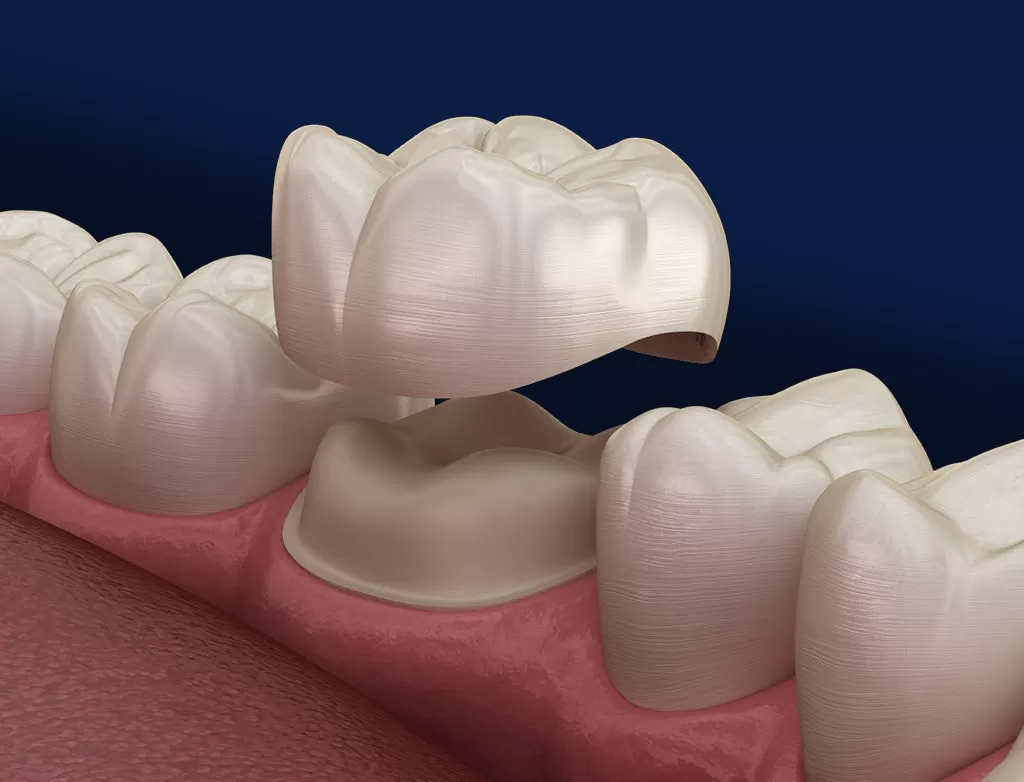
    Think of dental crowns as caps. Unlike bridges that replace one or more missing teeth, a cap helps encase an entire tooth to restore its function, size, and shape. Your dentist is most likely to recommend a dental crown when you have a weak tooth because of decay or injury. If a tooth is already chipped but there is no internal damage, a crown can help save it. Crowns are also a part of dental bridges and go over the adjacent teeth next to the missing tooth that is being replaced. Following root canal therapy, which involves removing the pulp and nerve tissues from the inside of an infected tooth, a crown is necessary to protect it from damage. In some cases, dentists can also suggest the option for cosmetic reasons. 

    What are dental crowns made of?

    There are different types of crowns made of materials like stainless steel (often used for kids), metal, porcelain-infused-to metal, all-resin, and all-ceramic. With porcelain-fused-to-metal crowns, you can match the color with your natural teeth, and the same is true for all ceramic and all-porcelain crowns. Resin dental crowns are inexpensive but also more prone to fractures. Depending on the needs of the patient, a dentist may make a temporary crown until the actual one comes back from the lab. 

    What’s the treatment like?

    You will need at least two appointments to get a crown. During the first appointment, your dentist will examine the tooth and prepare it for the cap. It is imperative for the dentist to check the X-rays and make sure there is no internal infection in the tooth. If there are signs of deep decay, a root canal treatment is necessary before the crown. Your dentist will use local anesthesia to numb the tooth and surrounding gums, following which the tooth is reshaped to make room for the cap. If a part of the tooth is missing, your dentist may use a filling material to get the tooth in shape. The next step is to take an impression, for which a special paste is used. Today, many clinics rely on a digital scanner for the impressions. You can discuss the color of the crown with your dentist, along with material options. Next, they will send the mold to a lab, and you will be asked to return after a couple of weeks. 

    During your second visit, your dentist will check the color, shape, and fit of the dental crown, and if everything is okay, they will cement it in place. 

    How to care for dental crowns?

    Avoid sticky foods that can pull off the crown, such as gum. While crowns are made to last for a decade or more, it is best to avoid extreme bite pressure. Ask your dentist whether you need to follow additional instructions for brushing and flossing. No pain is involved during the treatment, and once the crown is placed, you shouldn’t experience any issues like toothache. If you have sensitivity or pain, seek help immediately. 

    Final word

    The cost of dental crowns largely depends on the material, but you can ask your dentist in Denton whether you can consider flexible payment plans. 

  • The Relationship Between Sports Medicine Specialists And Professional Athletic Teams

    The Relationship Between Sports Medicine Specialists And Professional Athletic Teams

    In the world of professional sports, athletes rely on a team of experts to stay at the top of their game. Sports medicine specialists play a crucial role in this dynamic. They focus on preventing injuries and ensuring athletes recover quickly. These experts work closely with teams to address specific issues like shoulder instability georgia. Their expertise helps athletes maintain peak performance and extend their careers. Understanding this relationship sheds light on the importance of specialized care in sports.

    The Role of Sports Medicine Specialists

    Sports medicine specialists are medical professionals who help athletes prevent and recover from injuries. They use their knowledge of the human body and its movements to provide care tailored to the needs of athletes. These specialists cover a wide range of services, such as:

    • Diagnosing and treating sports-related injuries
    • Creating fitness and nutrition plans
    • Rehabilitation and recovery strategies

    They work with athletes at every step of their careers. From college athletes to seasoned pros, their expertise is crucial.

    Collaboration with Athletic Teams

    Sports medicine specialists are vital members of professional athletic teams. They collaborate with coaches and trainers to ensure the well-being of athletes. Their responsibilities often include:

    • Conducting pre-season assessments
    • Monitoring training and performance
    • Providing on-field care during games

    Such collaboration helps minimize downtime from injuries and promotes efficient recovery.

    Understanding Common Sports Injuries

    Sports injuries vary in type and severity. Some of the most common injuries that specialists treat include:

    Type of Injury Description Common Sports
    Sprains Injury to ligaments Basketball, Soccer
    Fractures Breaks in the bones Football, Hockey
    Dislocations Joint displacements Gymnastics, Wrestling

    Each injury requires a specific approach to treatment and recovery. Specialists tailor their care based on the type and severity of the injury.

    Preventive Measures in Sports Medicine

    Prevention is a key focus for sports medicine specialists. By identifying risk factors and creating preventive strategies, they help reduce the incidence of injuries. Some common preventive measures include:

    • Developing strength training programs
    • Implementing flexibility exercises
    • Advising on proper equipment use

    This proactive approach helps athletes maintain their health and continue competing at high levels.

    Rehabilitation and Recovery

    When injuries do occur, effective rehabilitation is crucial. Sports medicine specialists design recovery plans that focus on:

    • Restoring movement and strength
    • Managing pain effectively
    • Preventing future injuries

    The specialists work closely with physiotherapists and other healthcare providers to ensure a comprehensive recovery process. According to the National Institutes of Health, a well-structured rehabilitation program can significantly improve an athlete’s return-to-play timeline.

    Impact on Athletic Performance

    The involvement of sports medicine specialists has a profound impact on athletic performance. With their guidance, athletes can focus on training and competition without the constant worry of injury setbacks. Their contributions include:

    • Enhancing physical capabilities
    • Improving mental health and confidence
    • Increasing career longevity

    These benefits underscore the vital role that sports medicine plays in the world of professional athletics.

    Conclusion

    The relationship between sports medicine specialists and professional athletic teams is a cornerstone of modern sports. It ensures athletes receive the best care possible, which is essential for maintaining high-performance levels. With ongoing collaboration and communication, sports medicine will continue to evolve, further supporting athletes in their pursuit of excellence. For more information on the role of sports medicine in athletics, visit the MedlinePlus website.

  • Trauma-Informed Mental Health Care

    Trauma-Informed Mental Health Care

    Defining Trauma-Informed Care

    Trauma-informed care is a way of looking at mental health treatment that starts with understanding how trauma affects people. It’s not just about the symptoms someone shows, but about recognizing the deep and often invisible wounds that past experiences can leave. This approach asks, “What happened to you?” instead of “What’s wrong with you?” It’s a shift in thinking that aims to create a safe space for healing by acknowledging the impact of trauma.

    Key Principles of Trauma-Informed Care

    The core principles of trauma-informed care revolve around safety, trust, and collaboration. Safety means creating an environment where patients feel secure and respected. Trust is built through transparency and consistent support. Collaboration involves working together with patients, recognizing their strengths, and giving them a voice in their treatment. These principles help to foster a supportive setting where healing can take place.

    Importance in Mental Health Treatment

    Trauma-informed care is crucial in mental health treatment because it addresses the root causes of distress rather than just the symptoms. By understanding the role of trauma, therapists can tailor their approaches to better meet the needs of their patients. This kind of care can lead to more effective treatment outcomes, as it empowers individuals to take an active role in their healing journey. In New England, this approach is increasingly seen as a vital part of mental health services, reflecting a broader movement towards more compassionate and effective care.

    The Rise of Trauma-Informed Care in New England

    Historical Context and Development

    In recent years, trauma-informed care has gained significant traction in New England, reshaping the landscape of mental health treatment. This approach focuses on understanding the effects of trauma on individuals and integrating that understanding into care practices. The roots of trauma-informed care in this region can be traced back to the late 20th century, when mental health professionals began to recognize the profound impact of trauma on mental health. Initial efforts were largely grassroots, with local therapists and social workers advocating for a shift in treatment paradigms. Over time, these efforts coalesced into a broader movement, with institutions across New England adopting trauma-informed practices as a foundation for their mental health services.

    Key Figures and Organizations

    Several key figures and organizations have been instrumental in the rise of trauma-informed care in New England. These include pioneering mental health professionals who have championed the integration of trauma-informed principles into clinical settings. Their work has been supported by organizations dedicated to mental health advocacy and policy reform. These groups have played a crucial role in promoting awareness and education about the benefits of trauma-informed care, leading to its widespread acceptance and implementation. The CONNECT program, for instance, has been pivotal in enhancing healthcare access and providing essential services to vulnerable populations, including those experiencing homelessness.

    Impact on Regional Mental Health Policies

    The adoption of trauma-informed care has had a profound impact on mental health policies throughout New England. Policymakers have increasingly recognized the importance of addressing trauma in mental health treatment, leading to significant changes in how services are delivered. This shift is evident in the increased funding for trauma-informed training programs and the integration of trauma-informed practices into public health initiatives. As a result, New England has become a leader in the implementation of trauma-informed care, setting an example for other regions to follow. This transformation underscores the region’s commitment to improving mental health outcomes by addressing the root causes of trauma and prioritizing patient-centered care.

    Core Principles of Trauma-Informed Mental Health Care

    Safety and Trustworthiness

    Creating an environment where people feel safe and can trust those around them is a big part of trauma-informed care. It’s about making sure that everyone involved in the care process, from the patients to the staff, feels secure and respected. This means clear communication, honest interactions, and a commitment to privacy. When people feel safe, they’re more likely to open up and engage in their treatment, which is essential for healing. It’s not just about physical safety but also emotional and psychological security.

    Peer Support and Collaboration

    Peer support is another cornerstone of this approach. It involves people who have experienced trauma themselves helping others on their healing journey. This kind of support can be incredibly powerful because it comes from a place of understanding and empathy. Collaboration goes hand in hand with this, as it encourages teamwork between patients and professionals. By working together, they can create a more personalized and effective treatment plan. This collaborative spirit helps to build a sense of community and shared purpose, which can be incredibly motivating.

    Empowerment and Choice

    Empowerment and choice are about giving people control over their healing process. It’s crucial that individuals feel they have a say in their treatment and that their preferences are respected. This principle is all about recognizing the strength and resilience of those who have experienced trauma and encouraging them to take an active role in their recovery. By offering choices and respecting decisions, care providers can help individuals reclaim a sense of control that they may have lost due to their traumatic experiences. This approach not only aids in healing but also helps to restore dignity and self-worth.

    Implementing Trauma-Informed Practices in Therapy

    Adapting Therapeutic Techniques

    Therapists in New England are reshaping their approaches to better align with trauma-informed care principles. This shift means focusing more on creating a safe and supportive environment for clients. Therapists aim to build trust by being transparent and consistent in their actions. They listen actively and validate clients’ experiences, which helps in reducing feelings of shame and isolation. By integrating these practices, therapists can help clients feel more in control and less overwhelmed during sessions.

    Training and Education for Therapists

    Education is a cornerstone in the move towards trauma-informed care. Many therapists are undergoing specialized training to better understand trauma’s impact on mental health. These programs teach them to recognize signs of trauma and respond appropriately. It’s not just about learning techniques; it’s about changing mindsets. The goal is to help therapists see beyond symptoms and understand the underlying trauma, which can lead to more effective treatment plans.

    Challenges and Solutions

    Implementing trauma-informed practices is not without its hurdles. Therapists often face challenges like limited resources and time constraints. However, many are finding creative solutions to these problems. For example, some are collaborating with community organizations to provide more comprehensive support. Others are advocating for policy changes that allocate more funding to trauma-informed programs. Despite the obstacles, there’s a strong commitment to making these practices work because the benefits for clients are profound.

    Case Studies: Success Stories from New England

    Community-Based Programs

    In New England, community-based programs have been at the forefront of implementing trauma-informed care, making a significant difference in the lives of many. These programs focus on understanding the unique needs of each community and tailoring their approaches accordingly. By fostering environments where individuals feel safe and supported, these initiatives have not only improved mental health outcomes but also strengthened community bonds. One standout example is a program that integrates trauma-informed care within local schools, providing students with the tools they need to cope with stress and anxiety. This approach has led to noticeable improvements in student behavior and overall school climate.

    Hospital and Clinical Settings

    Hospitals and clinics across New England have embraced trauma-informed care, transforming the way they approach mental health treatment. By prioritizing patient safety and trust, these settings have seen a reduction in patient distress and an increase in treatment adherence. Clinicians are trained to recognize signs of trauma and respond with empathy and understanding, creating a more supportive atmosphere for healing. A notable success story comes from a hospital that revamped its emergency department protocols to be more trauma-sensitive, resulting in faster recovery times and improved patient satisfaction.

    Individual Patient Transformations

    The impact of trauma-informed care is perhaps most profoundly seen in individual patient transformations. Patients who once felt overwhelmed by their traumatic experiences are now finding hope and healing through personalized care strategies. These transformations are not just about symptom reduction; they involve rebuilding a sense of empowerment and control over one’s life. For instance, a patient who struggled with post-traumatic stress disorder (PTSD) found relief through a combination of therapy and peer support, leading to improved mental health and a renewed sense of purpose. These success stories highlight the potential of trauma-informed care to change lives, offering a path to recovery that respects and honors each person’s journey.

    The Role of Trauma-Informed Care in Addressing PTSD

    Understanding PTSD and Its Impact

    Post-Traumatic Stress Disorder (PTSD) is a condition that can deeply affect those who’ve experienced traumatic events. It often manifests through flashbacks, severe anxiety, and a compelling need to avoid anything that might remind one of the trauma. These symptoms can disrupt daily life, making it hard to maintain relationships or hold down a job. Trauma-informed care steps in by recognizing these unique challenges. It aims to create a supportive environment where individuals feel safe and understood, which is crucial in helping them manage their symptoms and improve their quality of life.

    Trauma-Informed Approaches to PTSD

    Trauma-informed care focuses on addressing PTSD by acknowledging its specific challenges and symptoms, including flashbacks, anxiety, and the avoidance of trauma reminders. This approach is not just about treating symptoms but also involves understanding the person behind the trauma. By fostering a sense of safety and trust, it encourages individuals to open up about their experiences. Therapists trained in trauma-informed care use techniques that are sensitive to the needs of those with PTSD, ensuring that treatment is both effective and compassionate.

    Success Rates and Patient Feedback

    The effectiveness of trauma-informed care in treating PTSD is reflected in the positive feedback from patients. Many report feeling a greater sense of control over their lives and an ability to cope with their symptoms more effectively. This approach has been shown to reduce the intensity of PTSD symptoms, helping individuals to lead more fulfilling lives. The success stories from those who have undergone trauma-informed therapy highlight its potential as a powerful tool in the mental health field.

    Integrating Trauma-Informed Care in Schools and Education

    Benefits for Students and Educators

    In recent years, schools have begun to understand the profound impact trauma can have on a child’s ability to learn and thrive in an educational setting. By integrating trauma-informed care into schools, educators aim to create an environment where all students feel safe and supported. This approach acknowledges the challenges that trauma can bring and seeks to address them in a compassionate manner. For students, this means having access to resources and support systems that help them manage their emotions and behaviors in a healthy way. For educators, it involves training and tools that equip them to recognize signs of trauma and respond appropriately, creating a more inclusive and understanding classroom atmosphere.

    Programs and Initiatives in New England

    New England has been at the forefront of implementing trauma-informed practices in education. Schools across the region are adopting programs that focus on creating supportive and nurturing environments for students. These initiatives often include training for teachers and staff on how to implement trauma-informed strategies in their daily interactions with students. By fostering a community that prioritizes emotional safety and resilience, these programs aim to improve educational outcomes and overall student well-being. The region’s commitment to these practices reflects a broader understanding of the importance of addressing trauma in educational settings.

    Long-Term Impact on Student Well-Being

    The long-term benefits of integrating trauma-informed care in schools are significant. Students who feel understood and supported are more likely to succeed academically and socially. By addressing trauma in the school environment, educators can help mitigate its effects, leading to improved mental health and emotional stability for students. Over time, these practices can contribute to a more compassionate and empathetic society, as students carry the skills and understanding gained from trauma-informed education into adulthood. The focus on trauma-informed practices not only enhances the educational experience but also fosters a generation of individuals who are better equipped to handle life’s challenges.

    Policy Changes and Advocacy for Trauma-Informed Care

    Legislative Efforts in New England

    In recent years, New England has seen a shift in how trauma-informed care is approached at the legislative level. Policymakers are increasingly recognizing the value of integrating trauma-informed practices into mental health services. This shift is partly driven by a growing body of research that underscores the importance of addressing trauma to improve mental health outcomes. Legislation is being crafted to support funding for trauma-informed training programs and to mandate the inclusion of trauma-informed care principles in state-run mental health services. These efforts aim to ensure that individuals receiving care are treated with the understanding and compassion they need, ultimately leading to better recovery and resilience.

    Advocacy Groups and Their Influence

    Advocacy groups in New England have played a crucial role in pushing trauma-informed care to the forefront of mental health treatment. Organizations focused on mental health and trauma survivors have been instrumental in raising awareness and educating both the public and policymakers about the importance of trauma-informed approaches. These groups often collaborate with healthcare providers to develop guidelines and best practices that can be implemented across various settings. Their persistent efforts have not only influenced policy but have also led to increased funding and resources dedicated to trauma-informed care initiatives.

    Future Directions and Opportunities

    Looking ahead, the future of trauma-informed care in New England seems promising. There is a strong push towards expanding these practices beyond mental health services into other areas, such as education and criminal justice. This expansion is seen as an opportunity to create more supportive environments that acknowledge the impact of trauma on individuals’ lives. As more sectors adopt trauma-informed principles, the potential for broader systemic change grows. Continued advocacy and legislative support will be key in ensuring that trauma-informed care becomes a standard practice, providing a more compassionate and effective approach to treatment across the region. Furthermore, integrating trauma-informed approaches with evidence-based practices is seen as a critical step in enhancing the effectiveness of interventions, particularly in behavioral health crisis care.

    Challenges in Expanding Trauma-Informed Care

    Resource Allocation and Funding

    Expanding trauma-informed care faces several hurdles, with resource allocation and funding being primary concerns. Organizations often struggle to secure necessary funds to implement comprehensive trauma-informed programs. This can be due to budget constraints or competing priorities within healthcare systems. Without adequate financial support, it’s challenging to train staff, develop resources, and maintain ongoing support for trauma-informed initiatives. This lack of funding can lead to inconsistent application of trauma-informed practices, which can undermine their effectiveness.

    Resistance and Misunderstandings

    Another significant barrier is resistance and misunderstandings about what trauma-informed care actually entails. Some professionals in the healthcare field may not fully understand the principles behind trauma-informed care, leading to skepticism or outright resistance. There is often a perception that these practices require too much time or resources without clear evidence of immediate benefits. Educating healthcare providers and stakeholders about the long-term benefits of trauma-informed care is crucial to overcoming this resistance.

    Strategies for Overcoming Barriers

    To tackle these challenges, strategic approaches are necessary. Building awareness through education and advocacy can help dispel myths and promote the benefits of trauma-informed care. Additionally, fostering collaborations between organizations can help pool resources and share knowledge, making it easier to implement these practices effectively. Securing long-term funding through grants and partnerships is also key. By addressing these issues head-on, there is a greater chance of successfully expanding trauma-informed care and improving outcomes for those affected by trauma.

    The Future of Trauma-Informed Mental Health Care

    Innovations and Emerging Trends

    Looking ahead, trauma-informed mental health care is poised to undergo significant changes. New technologies like virtual reality and AI are beginning to find their place in therapy sessions, offering fresh ways to engage patients. These tools can create immersive environments that help individuals process their trauma in a controlled setting. Moreover, there’s a growing trend towards personalized care, where treatment plans are tailored to the unique experiences and needs of each person. This shift is driven by a deeper understanding of how trauma impacts individuals differently, emphasizing the importance of flexibility in therapeutic approaches.

    Potential for Broader Applications

    Trauma-informed care is not just limited to mental health settings. Its principles are being applied in various fields, from education to criminal justice. Schools are adopting trauma-informed practices to create safer and more supportive environments for students. In the justice system, there’s a push to understand the trauma histories of offenders, which can lead to more compassionate and effective rehabilitation programs. This broader application highlights the versatility of trauma-informed approaches and their potential to create positive change in many areas of society.

    Vision for the Next Decade

    In the next ten years, trauma-informed care is expected to become more mainstream. As awareness grows, more organizations and institutions will likely adopt these practices. This could lead to a cultural shift where understanding and addressing trauma becomes a fundamental part of how we approach health and well-being. The future holds promise for a more empathetic and inclusive society, where the impacts of trauma are acknowledged and addressed in all aspects of life. The ongoing research and development in this field suggest that the best is yet to come, with new strategies and insights continuing to emerge.

    Rehabilitation Centers and Support
  • Influences Of Celebrity Culture On Cosmetic Procedures: A Specialist’s View

    Influences Of Celebrity Culture On Cosmetic Procedures: A Specialist’s View

    Celebrity culture shapes many aspects of our lives, including beauty ideals. From social media to magazine covers, famous faces set trends. Cosmetic procedures have become more common because of this influence. With clinics like beauty planet new york seeing increased interest, it’s crucial to understand why. Behind the glamour, there are deeper factors at play.

    The Power of Celebrity Endorsement

    We often look to celebrities for inspiration on how to look and act. Their influence reaches far and wide, affecting not just fashion choices, but also decisions about cosmetic procedures. When a celebrity endorses a particular look or treatment, it can lead to a spike in demand. This phenomenon occurs because celebrities often represent an ideal that many want to emulate. The allure of achieving a similar appearance is strong.

    Statistics on Cosmetic Procedures

    Consider the numbers to understand the impact better. According to the American Society of Plastic Surgeons, millions of procedures are performed each year. Here’s a snapshot of the types and popularity of these procedures:

    Procedure Type Number of Procedures in 2020
    Botox Injections 4.4 million
    Breast Augmentation 300,000
    Rhinoplasty 350,000

    These numbers show a clear interest in altering appearance to meet certain standards, often set by celebrities. The desire to follow these trends fuels the cosmetic procedure industry.

    Psychological Effects of Celebrity Influence

    Seeing celebrity transformations can affect self-image. People may feel pressured to make changes to themselves. The University of Pennsylvania conducted a study that explores these psychological impacts. Perception of beauty gets intertwined with self-worth, leading some to seek cosmetic procedures to boost confidence. The idea is simple: if looking like a celebrity can lead to greater acceptance or admiration, many are willing to pursue that path.

    Risks and Considerations

    Pursuing cosmetic procedures is a significant decision. It’s important to weigh the benefits and risks carefully. Not every trend is suitable for everyone, and what works for a celebrity might not work for someone else. Consulting with qualified professionals is crucial before making any decisions. This ensures that the expectations align with possible outcomes and that health is prioritized.

    Long-Term Implications

    Trends come and go, but the decisions made today have long-term implications. It’s vital to consider the lasting effects of cosmetic procedures. Both physical and mental impacts can be profound. Taking a step back to assess why these procedures are desired can be beneficial. Are they for personal satisfaction, or is it mainly due to external pressures?

    Conclusion

    Understanding the influence of celebrity culture on cosmetic procedures is complex. Celebrities hold significant sway in shaping beauty standards. While many choose to follow these trends, it’s essential to consider all aspects, from psychological impacts to long-term effects. Informed decisions, guided by professional advice, can help navigate these influences wisely.

  • Where should men start their weight loss journey?

    Where should men start their weight loss journey?

    Every successful weight loss journey begins with understanding your present health condition. Visiting a doctor helps create a clear picture of your body’s unique requirements. Regular health check-ups track vital signs, metabolism rates, and body composition analysis. This medical insight shapes realistic goals aligned with your body type. Working with healthcare providers builds a strong base for long-term success in your weight loss path.

    Sleep habits – optimizing rest for results

    Quality sleep plays a crucial role in weight management by regulating hunger hormones and recovery. Set up a bedtime routine that will help you sleep better. Keep your bedroom cool, dark, and quiet for optimal rest conditions. Ensure you get 7-8 uninterrupted hours of sleep each night. Good sleep habits reduce stress eating and boost energy levels for daytime activities.

    Mindful eating – developing awareness

    Learn to recognize true hunger signals versus emotional eating triggers. Take time to chew slowly and appreciate food flavours fully. Practice portion awareness by using smaller plates and bowls. Make mindful adjustments to your eating patterns by keeping a food diary. Being present during meals helps prevent overeating and builds healthier relationships with food.

    Nutrition planning – building balanced meals

    A well-structured meal plan works as the backbone of weight loss success. Focus on lean proteins like chicken, fish, and eggs to maintain muscle mass during weight reduction. Include fibre-rich vegetables and whole grains to keep hunger at bay. Personalized nutrition plans for Medical Weight Loss Grandview Heights take into account a person’s food preferences and lifestyle. Smart portion control and regular meal timing boost metabolism naturally.

    Support systems – building your team

    Get in touch with others who have similar health goals. Join local fitness groups or online communities for motivation and accountability. Share your progress with family members to gain their support. Working with certified trainers provides expert guidance and safety tips. Having a strong support network makes the weight loss journey more achievable.

    Progress tracking – measuring success

    Document your journey through regular measurements and progress photos. Focus on non-scale victories like improved energy levels and better-fitting clothes. Keep track of strength gains and endurance improvements. Celebrate small achievements to maintain motivation. Regular progress checks help adjust strategies for optimal results.

    Meal prep – organizing for success

    Dedicate time for weekly meal preparation to ensure healthy food availability. Stock your kitchen with nutritious ingredients for quick meal assembly. Prepare portion-controlled meals in advance to avoid impulsive food choices. Use food storage containers to keep meals fresh and organized. Smart meal prep saves time and supports consistent healthy eating.

    Long-term lifestyle – sustaining changes

    Focus on building sustainable habits rather than following temporary diets. Make gradual changes that fit naturally into your daily routine. Learn to enjoy nutritious foods and regular physical activity. Create a balanced approach that allows occasional treats without guilt. Sustainable lifestyle changes lead to lasting weight management success.

  • Pain Management For Athletes: A Specialist’s Perspective

    Pain Management For Athletes: A Specialist’s Perspective

    Pain can be a constant companion for athletes, affecting both performance and quality of life. Understanding how to manage it is key. Different types of pain need different approaches. From common strains to more complex issues like sciatica oviedo, knowing the right way to handle pain is vital. In this blog, I will share insights on managing pain effectively, focusing on strategies that help athletes continue doing what they love.

    Understanding Pain in Athletes

    Athletes often push their bodies to the limit. This can lead to various types of pain, each requiring its own treatment. Recognizing whether the pain is acute or chronic helps in choosing the right management plan.

    Acute pain is sudden. It usually follows an injury like a sprain or fracture. Chronic pain, however, lasts longer and might stem from conditions like arthritis or persistent injuries.

    Common Pain Types and Causes

    Pain Type Causes Common Treatments
    Muscle Strains Overuse, improper warm-up Rest, ice, compression
    Joint Pain Arthritis, impact injuries Physical therapy, braces
    Sciatica Herniated discs, pressure on nerves Stretching, medications

    The Importance of Early Intervention

    Addressing pain early can prevent further complications. Ignoring pain might lead to more severe injuries. For athletes, this could mean prolonged downtime, which affects training and competition schedules.

    47517816 – osteopath giving ultrasound treatment to male client with sports injury

    Effective Pain Management Strategies

    • Rest and Recovery: Allowing the body to heal can prevent further damage. Rest days are as crucial as training days. They help muscles recover and grow stronger.
    • Physical Therapy: A tailored therapy plan can aid recovery. It focuses on strengthening muscles and improving mobility. Check out NIAMS’s guide for more on sports injury recovery.
    • Proper Warm-Up: Preparing the body before activity reduces the risk of injury. A good warm-up increases blood flow and flexibility.

    When to Seek Professional Help

    Not all pain can be managed alone. Persistent or severe pain requires expert evaluation. Healthcare professionals can identify the root cause and suggest a comprehensive treatment plan.

    Using professional guidance helps in accurate diagnosis. It also ensures that the chosen treatment aligns with long-term health goals. For more detailed information on pain management, consider visiting resources like the MedlinePlus Pain Relief page.

    Mental Resilience and Pain Management

    Mental resilience plays a role in coping with pain. Athletes can benefit from techniques like mindfulness and cognitive-behavioral strategies. These methods help in dealing with the emotional aspects of pain.

    Conclusion

    Managing pain effectively allows athletes to maintain their passion and performance. Understanding the different types of pain and their treatments is crucial. With the right approach, athletes can overcome pain and continue to thrive in their sport.

  • The Impact of Stress on Heart Health: Cardiologist’s Insights

    The Impact of Stress on Heart Health: Cardiologist’s Insights

    Stress affects heart health in many ways. It can increase blood pressure and cause inflammation. This makes the heart work harder. Over time, this can lead to heart disease. Cardiologists see how stress harms the heart. Studies show a strong connection between stress and heart problems. Experts from neurology brighton beach emphasize this link. Understanding stress is key to protecting the heart.

    How Stress Impacts the Heart

    Stress triggers the body’s “fight or flight” response. This reaction increases certain hormones, like adrenaline and cortisol. These hormones raise heart rate and blood pressure. When stress is constant, the heart constantly works harder than it should.

    Physiological Changes Under Stress

    During stress, several physiological changes occur:

    • Increased heart rate
    • Higher blood pressure
    • Narrowed blood vessels

    These changes can wear down the heart over time. According to the National Heart, Lung, and Blood Institute, chronic stress can lead to serious heart conditions.

    Effects of Long-Term Stress

    Long-term stress can cause damage to the heart in multiple ways. Here is a comparison of short-term vs. long-term stress effects:

    Type of Stress Effects on Heart
    Short-term Increased heart rate, heightened alertness, quickened breathing
    Long-term Persistent high blood pressure, increased risk of heart attack, and artery damage

    Strategies for Managing Stress

    Managing stress is essential for heart health. Here are three strategies that help reduce stress:

    • Exercise Regularly: Physical activity releases endorphins which improve mood and reduce tension.
    • Practice Relaxation Techniques: Techniques like deep breathing and meditation calm the mind and body.
    • Maintain Social Connections: Spending time with loved ones can decrease stress levels.

    These strategies not only help manage stress but contribute to a healthier heart.

    The Role of Diet and Lifestyle

    Diet and lifestyle choices also impact stress levels and heart health. Consuming a balanced diet rich in vegetables, fruits, lean proteins, and whole grains supports heart health. Limiting caffeine and alcohol intake can also reduce stress.

    Getting enough sleep and avoiding smoking are crucial lifestyle choices. According to the Centers for Disease Control and Prevention, a healthy lifestyle plays a significant role in reducing stress and preventing heart disease.

    Conclusion

    By understanding the impact of stress on heart health, steps can be taken to manage it. Cardiologists offer insights that highlight the importance of stress management. Protecting the heart requires recognizing stress and responding with effective strategies. Simple lifestyle changes can make a significant difference in heart health.

  • The Significance Of Postural Assessment In Wellness Clinics

    The Significance Of Postural Assessment In Wellness Clinics

    In wellness clinics, postural assessment plays a key role in enhancing overall health. Good posture affects more than just physical appearance. It can impact mood and energy. Think of the spine as the body’s central support system. Misalignment can lead to discomfort and issues like anxiety colorado. By understanding posture, wellness clinics offer targeted care that supports both body and mind.

    What is Postural Assessment?

    Postural assessment involves evaluating the body’s alignment and the efficiency of its movements. It helps identify any imbalances or deviations from normal posture that may cause pain or discomfort. The assessment is usually part of a broader health evaluation. This approach helps to pinpoint the root causes of various physical ailments.

    Benefits of Good Posture

    Maintaining good posture has several benefits, including:

    • Reduced muscle tension and pain
    • Improved breathing and circulation
    • Enhanced mental well-being

    These benefits highlight the importance of regular postural assessments. They help in preventing musculoskeletal problems and improving overall quality of life.

    How Wellness Clinics Conduct Postural Assessments

    Wellness clinics use a range of methods for postural assessments. Here are a few common techniques:

    • Visual Observation: A simple way to identify obvious misalignments.
    • Photographic Analysis: Provides detailed images to study posture over time.
    • Computerized Systems: Offer precise measurements and analysis.

    By using these methods, clinics can tailor interventions that address specific postural concerns.

    Comparison of Assessment Techniques

    Technique Pros Cons
    Visual Observation Quick and easy Less precise
    Photographic Analysis Provides visual records Dependent on equipment
    Computerized Systems Highly accurate Can be costly

    The Role of Posture in Mental Health

    Good posture can have a positive impact on mental health. Research suggests that standing or sitting up straight can reduce stress and improve mood. This connection makes postural assessment a valuable tool in wellness clinics.

    Integrating Postural Assessment in Routine Care

    For long-term health benefits, integrating postural assessment into routine care is essential. It helps in identifying potential issues before they become severe. Regular assessments can lead to better physical health and reduced risk of injury.

    The Centers for Disease Control and Prevention also emphasize the importance of physical activity and proper body mechanics.

    Conclusion

    Postural assessment in wellness clinics is a vital part of maintaining overall health. By understanding posture, clinics can offer more effective care that benefits both physical and mental well-being. Good posture supports a healthy spine, reduces pain, and enhances quality of life. Regular assessments and interventions help maintain this balance, promoting long-term health and happiness.

  • Family Medicine Specialists: Your Guide To Health Optimization

    Family Medicine Specialists: Your Guide To Health Optimization

    Family medicine specialists stand as pillars of our healthcare journey. They focus on comprehensive care for the whole family. In places like schaumburg family medicine, these experts are key in optimizing health. They provide preventive care, manage chronic conditions, and ensure routine check-ups. Their goal is to keep us healthy at every stage of life. Understanding the role of family medicine can empower us to make informed health choices.

    What Do Family Medicine Specialists Do?

    Family medicine specialists provide a wide range of services. These include:

    • Preventive care, like vaccinations and screenings
    • Management of chronic diseases, such as diabetes and hypertension
    • Care for acute illnesses, from the common cold to infections

    They work at the intersection of medical science and human understanding. This approach ensures patients receive care that respects their life circumstances and medical needs. By addressing both acute and chronic issues, family medicine specialists offer a balanced approach to healthcare.

    Why Choose Family Medicine?

    Family medicine specialists offer several advantages:

    • Continuity of care over a lifetime
    • Holistic approach to health and wellness
    • Personalized treatment plans

    These professionals serve as the first point of contact for health concerns. They coordinate with specialists when necessary, ensuring seamless care. A long-term relationship with a family medicine doctor often results in better health outcomes.

    Preventive Care: A Cornerstone of Family Medicine

    Preventive care is a major focus of family medicine. Regular check-ups and screenings help detect issues early. This proactive approach can prevent serious health problems. According to the Centers for Disease Control and Prevention (CDC), preventive measures can save lives and reduce healthcare costs.

    Screenings offered include:

    • Blood pressure checks
    • Cholesterol screenings
    • Diabetes tests

    By keeping tabs on these health indicators, family medicine specialists help maintain long-term health.

    Managing Chronic Conditions

    Chronic conditions require ongoing management. Family medicine specialists excel in this area. They create personalized plans to address conditions like asthma, arthritis, and heart disease. Regular visits help monitor the condition and adjust treatments as needed.

    The National Institute of Diabetes and Digestive and Kidney Diseases (NIDDK) emphasizes the importance of a healthcare team in managing chronic illnesses. Family medicine specialists often lead these teams, coordinating care across multiple disciplines.

    Comparison of Services: Family Medicine vs. Specialized Care

    Aspect Family Medicine Specialized Care
    Scope of Care Comprehensive, all ages Specific conditions or systems
    Continuity Long-term, consistent Short-term, episodic
    Patient Relationship Often long-standing Limited to condition

    Conclusion

    Family medicine specialists are integral to optimizing health. They provide a broad spectrum of services that adapt to the needs of every patient. By focusing on prevention and management, they ensure health at all stages of life. Whether you’re dealing with a chronic condition or seeking preventive care, family medicine specialists stand ready to guide you toward better health outcomes. Embrace their expertise for a healthier future.

  • Obstetricians And Gynecologists: Essential Players In Preterm Labor Management

    Obstetricians And Gynecologists: Essential Players In Preterm Labor Management

    Preterm labor is a challenging experience. Obstetricians and gynecologists play a crucial role in managing it. They bring expertise, compassion, and dedication to every case. They guide patients through difficult times and ensure the best outcomes. From early detection to postpartum care, their involvement is vital. They help in understanding symptoms, offer treatments, and provide emotional support. These specialists are also instrumental in addressing women’s health issues beyond pregnancy, including menopause atlanta. Working closely with other healthcare providers ensures comprehensive care.

    The Role of Obstetricians and Gynecologists in Preterm Labor

    Preterm labor requires timely intervention and careful monitoring. Obstetricians and gynecologists lead the charge. They use their knowledge to assess risks and implement appropriate measures. Their goal is to delay delivery, allowing more time for fetal development. To achieve this, they might prescribe medication, recommend bed rest, or suggest lifestyle changes. Each case is unique, and their treatment plans reflect this.

    Key Interventions in Managing Preterm Labor

    Effective management involves several strategies. Obstetricians and gynecologists often employ the following:

    • Medications: Drugs like corticosteroids help speed up fetal lung development. Tocolytics can delay labor.
    • Monitoring: Regular ultrasounds and check-ups track the baby’s growth and detect any complications early.
    • Education: Providing patients with information about warning signs and when to seek help.

    The Positive Impact on Outcomes

    The involvement of these specialists greatly influences outcomes. Research from the National Institute of Child Health and Human Development shows that timely interventions improve survival rates and reduce complications. This underscores the importance of having skilled professionals to guide the process.

    Challenges and Solutions in Preterm Labor Management

    Managing preterm labor is not without challenges. Obstetricians and gynecologists face hurdles like limited resources and varying patient needs. To overcome these, they adopt a problem-solving mindset. Collaborative care models, where they work with nurses, midwives, and other doctors, enhance resource efficiency and patient support.

    Comparison of Interventions

    Below is a comparison of common interventions used in preterm labor:

    Intervention Purpose Benefits
    Medications Delay labor and support fetal development Increases chances of healthier birth
    Monitoring Track fetal progress Early detection of issues
    Education Inform about preterm labor signs Prepares patients for timely action

    The Broader Scope of Obstetricians and Gynecologists

    Beyond preterm labor, these specialists address various women’s health issues. Their expertise spans reproductive health, pregnancy, and conditions like menopause. This broad skill set positions them as vital contributors to overall health and wellness.

    Commitment to Patient Care

    Obstetricians and gynecologists are committed to providing exceptional care. Their dedication is evident in the relationships they build with patients. They offer support, understanding, and clear communication. These elements are crucial for successful outcomes and patient trust.

    Looking Forward

    Advancements in technology and medicine continue to shape preterm labor management. Obstetricians and gynecologists stay at the forefront of these changes. They adapt by embracing new techniques and continuing education. This ongoing evolution ensures they can offer the best care possible.

    In conclusion, the role of obstetricians and gynecologists in managing preterm labor is indispensable. Their expertise and compassionate approach are vital to ensuring healthier pregnancies and better maternal outcomes. With continued dedication and innovation, they remain essential players in women’s healthcare.