Blog

  • What Should You Do About Your Broken Bracket On Your Braces?

    What Should You Do About Your Broken Bracket On Your Braces?

    The application and management of braces can be a complicated process; it is a technique for correcting teeth settings to provide you with a beautiful smile, and it requires maintenance from time to time. Wires might extend the teeth movement, eventually leading to the loosening of brackets and wearing of teeth in the gum tissue. You can find several dental clinics in Livermore, California, providing braces. Various reasons, like having sticky food or meeting with an accident, might cause the breakage or tearing of brackets or wires, causing intense pain. Consulting with a Livermore dentist might help you with professional care during this situation.   

    What causes broken braces?

    If you are dealing with braces currently, some unavoidable mishaps might happen to you in the future, so to avoid them, there are some things you can do. Read more to learn more. The most common ways by which your braces can break may include:

    Consuming sticky and hard food 

    Having hard and sticky food can cause severe damage to your braces. Sticky and hard foods like popcorn, nuts, caramel, chewing gum, and candies severely cause damage to your braces and lead to breakage.

    If you have trauma and injury 

    Accidents may happen anytime, anywhere, and they sometimes lead to trauma and injury to the oral area of the person, resulting in broken braces. These injuries can occur during the time of indulging in sports, falls, or other accidents where the mouth is affected. Wearing a mouthguard during these events might help.  

    Having Poor oral hygiene 

    Oral hygiene plays a crucial role in fixing the overall dental health conditions of the mouth. Poor oral hygiene practices might lead to broken braces. Buildups of plaque in and around the poaches and wires may become dislodged, causing the wire to break. 

    Chewing of non-edible items 

    Items like pens, fingernails, pencils, or chewing gums can cause unnecessary pressure on the braces, leading to the risk of breakage. 
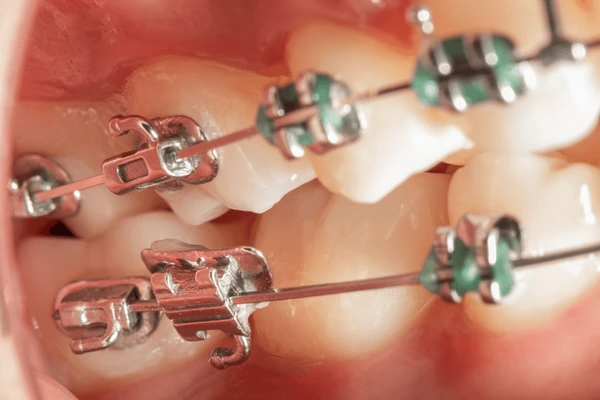
    broken braces

    What do you do if the braces tend to break?

    Even if taking measures, the braces tend to break; here are some tips to perform at first without any delay:

    Assess the situation 

    The foremost thing to do when you discover any breakage to the teeth is to examine the area properly. Do not manipulate or touch the area to avoid the risk of further damage; do not even use your tongue, as it can also cause injury to the area, worsening the situation.  

    Rinse your mouth 

    Take the help of lukewarm water and gently rinse your mouth with it to remove any food particles or buildups that might be present in that area.

    Examine for shape edges

    Sometimes, the broken braces may have sharp edges that may cause cuts or discomfort in your mouth containing soft tissues. Orthodontics might use wax to clear those areas to prevent them from causing damage to your mouth. 

    Contact your dentist  

    Your dentist is your rescuer; rush to your dentist as only they can help you in that situation. Contact your dentist by phone to make the earliest appointment possible and take notes on how to manage it for a temporary crisis. 

    Attend scheduled appointments

    Always make sure to attend the appointments on time for routine checkups and for recommendations from your dentists. They will stay proactive and help you to get the perfect treatment without any delays. 

    My braces are broken. Can I fix it at home?

    No, you should not try to touch that affected part any further. The foremost thing is to see your dentist. Fixing the braces at home may worsen the situation. You may also use orthodontic wax to reduce any further irritation caused by it. 

    Can we call an emergency on a broken brace?

    Typically, broken braces cannot be termed as an emergency, but they must be treated as soon as possible by your dentist. 
  • Dental Bridges in Boynton

    Dental Bridges in Boynton

    A dental bridge is an artificial deOne of the most common ways to do this is with dental bridges, which are designed for patients who have lost 2-3 teeth. They restore not just your mouth, but also they repair a portion of your smile. If you are thinking about getting dental implants in Boynton Beach and Dental Bridge, it is important to know exactly what this process entails and how the procedure works. All you need to know about dental bridges is explored in this blog post, so read through our guide and become knowledgeable enough to make a decision.

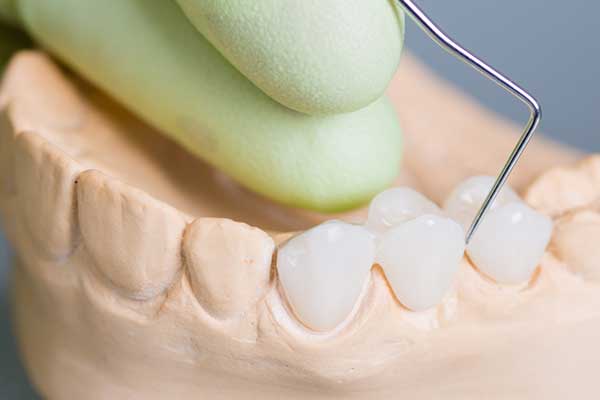
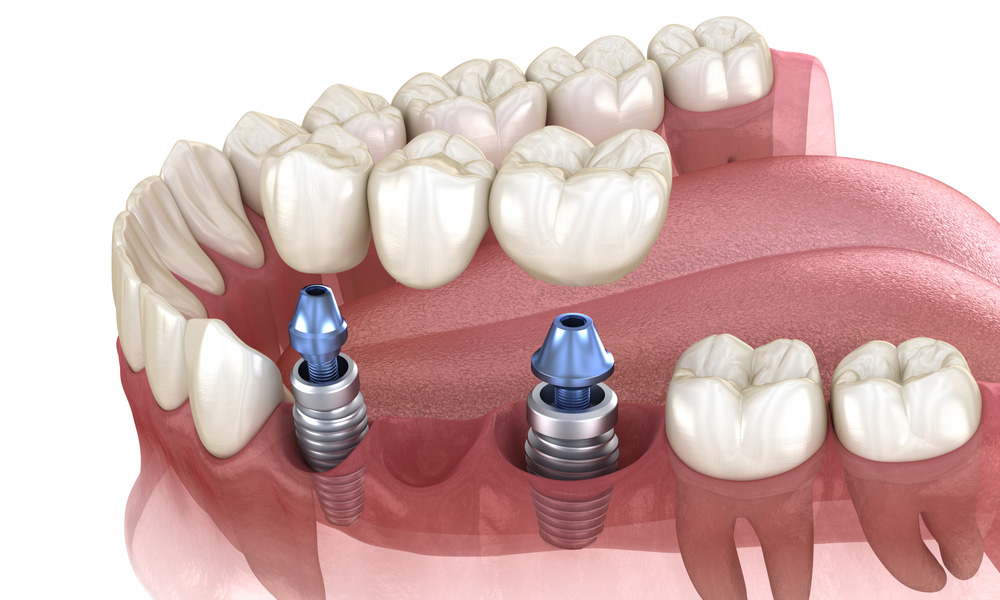
    What Is a Dentalvice that takes the place of a missing tooth or teeth. This type of bridge consists of two or more crowns for the teeth on either side, called abutment teeth, and a pontic —a false tooth that replaces the missing tooth. Pontic can be made up of porcelain, gold, or alloys and the combination depends on patient need & preference.

    Types of Dental Bridges

    Dental bridges come in a variety of forms, each intended to address a particular set of requirements:

    1. Traditional Dental Bridge: Another type of dental bridge, this is the most common. But the process entails designing a crown of tooth or implant on both sides of the absent tooth with a pontic in the middle. These are generally made of Porcelain Fused to Metal or Ceramics.
    2. Cantilever: When there are neighboring teeth on just one side of the lost tooth or teeth, a cantilever bridge is utilized. This kind of bridge is less prevalent and is usually placed in less stressed portions of the mouth, such as the front teeth.
    3. Maryland Bonded Bridge (Resin-Bonded Bridge): This bridge has a metal or porcelain framework that is bonded on the back of adjacent teeth. This is a more conservative approach than the first as it results in less tooth removal on either side of the implant.
    4. Implant-Supported Bridge: This kind of bridge is supported by dental implants instead of natural teeth. It is considered to be more stable and therefore often appropriate in case of multiple missing teeth.

    The Dental Bridge Procedure

    The procedure of securing a dental bridge is usually made over multiple trips to your dentist and it takes several steps:

    1. Consultation and Examination: The dentist needs to examine your mouth, take X-rays, and talk about treatment options. They will decide if a dental bridge is suitable for you, and the type best suited for your problem.
    2. Preparation of Abutment Teeth: The last step in the dental implant procedure involves preparing your abutment teeth. This results in your dentist reshaping these teeth by grinding away some of the enamel to make room for that crown. In a case like an implant-supported bridal, dental implants would be surgically inserted into the jawbone, and time allowed for them to bond with associate degree bone.
    3. Impressions and Temporary Bridge: Your dentist will then make an impression on your teeth. These implants will be scanned to make your custom-finished bridge, pontic, and crowns. During the process of creating your permanent bridge, our Flint cosmetic dentist will fit you with a temporary bridge to help shield and protect your vulnerable teeth and gums.
    4. Permanent Bridge Placement: When your permanent bridge is ready, we will remove the temporary unit and then prepare the new bridge to fit in place. An implant-supported bridge — Here, the bridge will be connected to the implants.

    A dental bridge is a great tooth replacement solution and provides functional aesthetics for long-term results. With knowledge of the types, procedures, and aftercare possible with a dental bridge might help you weigh your options as to whether these solutions can show long-term results.

  • Can Optometrists Help With Sleep Disorders? Unveiling The Link

    Can Optometrists Help With Sleep Disorders? Unveiling The Link

    Are you having trouble sleeping? You may not think of visiting an optometrist right away. Yet, there is a connection between our eyes and our sleep patterns. Interestingly, it’s not just about treating visual issues. Recent research shows that Chicago diabetic eye care – a focus on eye health for diabetes patients – also can influence sleep quality. Today, we’ll delve into this fascinating link between eye care and sleep disorders, revealing how optometrists could potentially help improve your nights. Let’s begin.

    The Eye-Sleep Connection

    Our eyes do more than just help us see. They play a critical role in our body’s internal clock. They help regulate our body’s response to light and darkness. So, problems with our eyes can disrupt this balance and lead to sleep disorders.

    How Optometrists Can Help

    Optometrists are eye care experts. They can detect issues that may be affecting your sleep. They can recommend treatments or lifestyle changes to improve your eye health and, in turn, your sleep.

    Optometrists

    Chicago Diabetic Eye Care and Sleep

    Diabetes patients often have specific eye care needs. In Chicago, optometrists help these patients protect their eyesight and sleep better. They monitor for conditions that impair sleep and offer practical solutions.

    Visual Issues and Sleep Disorders: A Comparison

    Here’s a quick overview of how certain eye issues can lead to sleep disorders:

    Eye Issue Sleep Disorder
    Glaucoma Insomnia
    Cataracts Sleep Apnea

    Wrapping Up

    Eye health is crucial for a good night’s sleep. Optometrists play a key role in maintaining this balance. If you’re struggling with sleep, consider getting your eyes checked. There just might be a link.

  • Gum Lift: A Revolutionary Cosmetic Procedure for a More Radiant Smile

    Gum Lift: A Revolutionary Cosmetic Procedure for a More Radiant Smile

    A gum lift, also known as gum contouring or gum reshaping, is an aesthetic dental procedure offered by experts at cosmetic dentistry Burlingame. This procedure has revolutionized the approach towards smile enhancement. This innovative treatment involves reshaping the gum line to expose adequate tooth surface, creating a more balanced and aesthetically pleasing smile. In this article, we will delve into the world of gum lifts, exploring the benefits, procedure, and what you can expect from this groundbreaking treatment.

    What is a gum lift?

    A gum lift, also known as gum contouring or gum reshaping, is a cosmetic dental procedure that involves reshaping the gum line to improve the appearance of the teeth and smile. The procedure typically involves removing excess gum tissue to expose more of the tooth surface, creating a more balanced and harmonious smile. This treatment is often used to address concerns such as a “gummy smile,” where the gums appear too prominent, or to improve the symmetry and balance of the teeth and gums. The result is a more radiant, confident, and beautiful smile that can greatly enhance one’s overall appearance and self-esteem.

    There are three main types of gum lifts:

    • Traditional gum lift: Involves removing excess gum tissue with a scalpel.
    • Laser gum lift: Uses a laser to reshape the gum line and remove excess tissue.
    • Pinhole gum lift: A minimally invasive technique using small pinholes to loosen excess gum tissue.

    What are the benefits of gum lift? 

    A gum lift offers numerous benefits, including:

    • Improved smile aesthetics
    • Enhanced tooth visibility
    • Increased confidence
    • Boosted self-esteem
    • More even gum line
    • Reduced gumminess
    • Improved oral health

    How is gum lift performed?

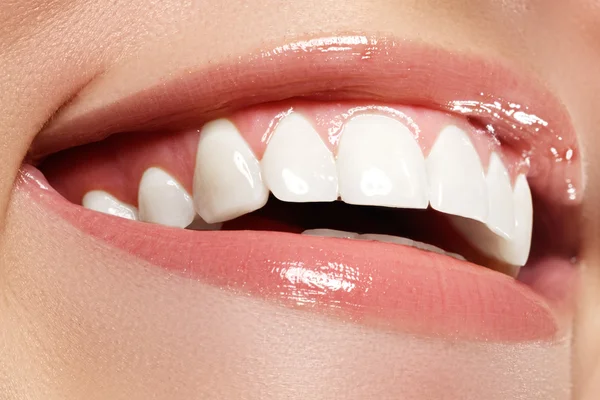
    Radiant Smile

    The procedure of a gum lift typically involves the following steps:

    • Consultation: Discuss your concerns and goals with your dentist to determine if a gum lift is right for you.
    • Preparation: The area is cleaned and prepared for treatment.
    • Anesthesia: A local anesthetic may be used to ensure comfort during the procedure.
    • Gum reshaping: The gum line is reshaped using a specialized tool or laser.
    • Tissue removal: Excess gum tissue is removed to expose more tooth surfaces.
    • Contouring: The gum line is contoured to achieve a natural-looking shape.
    • Suturing: Stitches may be placed to secure the new gum line.
    • Recovery: Follow post-operative instructions for a smooth recovery.

    Duration:

    • The procedure typically takes 30 minutes to an hour per arch (upper or lower teeth).

    Number of sessions:

    • One or multiple sessions may be needed to achieve desired results.

    What to expect after the gum lift?

    After a gum lift, you can expect:

    • Mild to moderate discomfort, pain, or tenderness in the treated area.
    • Swelling, bruising, or inflammation in the gums and surrounding tissues.
    • Some bleeding or oozing from the treated area.
    • Increased sensitivity to temperature, touch, or pressure.
    • Stitches may be placed to secure the new gum line and will be removed after 7-10 days.
    • The gums will take 1-2 weeks to heal, during which time they may appear pinker or more tender.
    • Follow-up appointments with your dentist to monitor progress and remove stitches.
    • Gentle oral hygiene practices, such as soft-bristled toothbrushes and mild mouthwash, promote healing.
    • A soft food diet for 1-2 weeks to avoid discomfort or irritation.
    • Pain medication or antibiotics may be prescribed to manage discomfort or prevent infection.

    Final note 

    A gum lift is a revolutionary cosmetic procedure that can transform your smile, boosting confidence and self-esteem. By reshaping the gum line and exposing more tooth surfaces, this treatment offers a more balanced and aesthetically pleasing smile. If you’re self-conscious about the appearance of your gums, consult with your dentist to determine if a gum lift is right for you.

  • The Importance of Mouthguards in Protecting Teeth During Sports

    The Importance of Mouthguards in Protecting Teeth During Sports

    In the case of people who engage in sporting activities, the importance of dental care in Plymouth or any other place cannot be overlooked. In case one needs to engage in any form of physical activity that may harm the teeth; the best measure he or she can take is to wear a mouthguard. 

    From playing contact sports like rugby to low-impact ones such as gymnastics, mouthguards allow the mouth to receive shock and in the process greatly minimize the incidence of dental complications. 

    When worn properly, they offer guard on the teeth from fracturing or getting expelled and the soft tissues from getting ripped. Furthermore, mouthguards avert damage to the jaw which reduces the likelihood of such conditions as temporomandibular joint (TMJ) disorders. 

    How do mouthguards Prevent Expensive Procedures? 

    Purchasing a good quality mouthguard means avoiding pricey procedures in the future to repair teeth that have been damaged. Sports-related injuries to the mouth are devastating and it could cause them to go for a filling, crown, or even an implant. 

    Dental surgery which includes physical reconstruction can be very expensive and range to thousands of dollars if the jaw or other several teeth have been damaged. The time taken to visit the doctor for follow-up as well as the extra costs of treatment which are incurred can be to the detriment of any person or family. 

    Through the use of a properly fitted mouthguard, incidences of dental trauma are minimized; thus good dental health is preserved, and emergency expenses for injuries are prevented. 

    What Similarities and Differences of Fixed and Fabricated Mouthguards Should Be Understood? 

    Mouthguards are particularly beneficial and necessary for young athletes due to the advantages of sporting activities customization. Cost of mouthguards mouth mouthguards bought over the counter are cheaper than mouthguards that are made to order for an individual but the latter are more effective since they are comfortable and fit well. 

    Upon weighing the likely cost of dental treatment subsequent to a sports-related injury, it would be seen that incurring expenses of a mouth guard custom-made for use is well justified. Also, prescription mouthguards are more firm than the other types and thus they last longer than the other types that wear out and need replacement regularly.

    Mouthguards

    In what ways can mouthguards contribute to minimizing the potential long-term economic costs? 

    Oral injuries have not only a one-time cost but a lifetime cost factor associated with them. When a tooth is avulsed or traumatized, and it cannot be salvaged, prosthodontic solutions for implants and bridges may be called for. 

    These treatments are usually costly, sometimes dental health insurance may not cater for or only partially cater for the costs. Besides, the time taken to heal from serious dental complications means that the patient is unable to work hence the expenditure. 

    This mouthguard will help in avoiding such accidents, and enable individuals to go about their activities, bearing in mind that they will not have to bother with major dental treatment procedures and their costs. 

    Conclusion 

    The financial benefits of wearing a mouthguard during sports are clear: it also offers dental benefits because it helps in the protection of teeth and hence is preventive of expensive dental care. Wearing a good, individually fitted mouth protector will help reduce the risks and, therefore, the overall expenses deriving from dental traumas. 

    Long term, it will help users avoid costly procedures, which normally might drop in the course of athletics, and thus enable such users to concentrate on their games without the concern of hefty bills. 

    Wearing a mouthguard is not only a measure in the sphere of one’s health, but also an intelligent investment for the future when potential damages to teeth will be already felt not only by the organism but also by the wallet so dear to the human heart.

  • Neurologists’ Approach To Treating Spinal Cord Disorders

    Neurologists’ Approach To Treating Spinal Cord Disorders

    Welcome. Today’s focus is on the approach neurologists take to treat spinal cord disorders. Our insights come directly from a board certified family nurse practitioner in Falls Church, VA, bringing a wealth of knowledge to this complex subject. Throughout this article, we aim to simplify the medical jargon, breaking down the complex strategies used in neurological treatment. Let’s begin this enlightening journey.

    Understanding Spinal Cord Disorders

    Spinal cord disorders affect millions of people worldwide. They come in different forms, from injuries to diseases like multiple sclerosis. These disorders can cause various symptoms such as pain, weakness, and changes in body function.

    How Neurologists Approach Treatment

    Neurologists use different methods to treat spinal cord disorders. These methods depend on the type, cause, and severity of the disorder. The goal is always to reduce symptoms, improve function, and improve quality of life.

    Neurologists

    Comparison of Treatment Approaches

    Treatment Approach Description
    Medication Drugs can control symptoms or slow the progression of the disease.
    Physical Therapy Improves mobility and function through exercises.
    Surgery Can remove obstructions, reduce pressure on the spinal cord, or correct spinal alignment.

    Medication

    Medication is often the first line of treatment. It can control pain, reduce inflammation, and manage other symptoms. Some drugs can also slow the progression of certain diseases.

    Physical Therapy

    Physical therapy is crucial for maintaining and improving function. It can include exercises, stretches, and other techniques. The aim is to improve strength, flexibility, and overall mobility.

    Surgery

    Surgery is usually reserved for severe cases. It can remove obstructions, reduce pressure on the spinal cord, or correct spinal alignment. Surgery can often significantly improve symptoms.

    Conclusion

    Treating spinal cord disorders is a complex process. It requires a comprehensive approach that takes into account the type and severity of the disorder. Our understanding of these disorders and how to treat them is constantly evolving. We hope this article has helped simplify the topic and shed light on the important work of neurologists.

  • The Top Benefits of Post-Surgery Care at Home

    The Top Benefits of Post-Surgery Care at Home

    Recovering from surgery can be challenging. Many people find that being at home for their recovery has distinct benefits. Here’s why post-surgery care at home is a great choice and how it helps with healing. 

    Comfort and Familiarity

    One of the biggest advantages of recovering at home is the comfort and familiarity it provides. After surgery, you might be in pain or feel weak. Being at home means you are surrounded by your own things, which can make you feel more at ease.

    Your bed, your favorite chair, and even your pet can be comforting. This familiar environment can help reduce stress and make recovery feel more manageable. 

    Personalized Care

    Expert home after surgery caregivers play a crucial role in your recovery. These caregivers provide personalized attention and care tailored to your specific needs. They can assist with medication, help with daily tasks, and ensure you follow your doctor’s instructions.

    This level of personal care is hard to match in a hospital setting where the focus is often on many patients at once. 

    Flexibility and Convenience

    In-home care offers a lot of flexibility. You can set up your recovery schedule to fit your needs. Whether you need extra rest in the morning or a specific time for meals, being at home allows you to make these adjustments.

    You don’t have to stick to the rigid schedules often found in hospitals. This flexibility can be especially helpful for managing pain and fatigue. 

    Reduced Risk of Infections

    Hospitals, while essential for acute care, are environments where infections can spread easily. When you’re at home, you’re in a cleaner and more controlled environment. This can significantly reduce your risk of catching infections.

    Plus, you can keep your home clean and ensure that only a few trusted people are in close contact with you, further lowering the risk. 

    Emotional Support

    Being at home allows you to be surrounded by loved ones who can offer emotional support. Having friends or family around can boost your morale and help you stay positive. Emotional well-being is an important part of the recovery process. Support from those you care about can be incredibly comforting and encouraging. 

    Cost-Effective

    Recovering at home can also be more cost-effective than staying in a hospital. Hospital stays can be expensive, and the costs can add up quickly. By opting for in-home care, you can save on hospital expenses and focus your resources on essential items and treatments for your recovery. Home care often involves fewer costs and can be more budget-friendly. 

    Independence and Privacy

    Recovering at home means you have more control over your space and routine. You can move around freely, watch TV, read, or do whatever makes you comfortable. This privacy and independence can be very important for your mental health and overall well-being. It allows you to heal in an environment that feels like your own. 

    Conclusion

    Post-surgery care at home offers numerous benefits, from comfort and personalized care to cost-effectiveness and reduced infection risks. With home after surgery caregivers and in-home care, you can recover in a familiar, supportive environment that promotes healing.

    Being at home not only helps with physical recovery but also provides emotional support and peace of mind.

  • Understanding Temporary Dental Crowns: What You Need to Know

    Understanding Temporary Dental Crowns: What You Need to Know

    Temporary dental crowns are an essential part of the dental restoration process, serving as a placeholder until a permanent crown is created and cemented into place. In this article, we will delve into the world of temporary dental crowns Honolulu HI, exploring their purpose, benefits, types, and what to expect during the procedure.

    What are dental crowns?

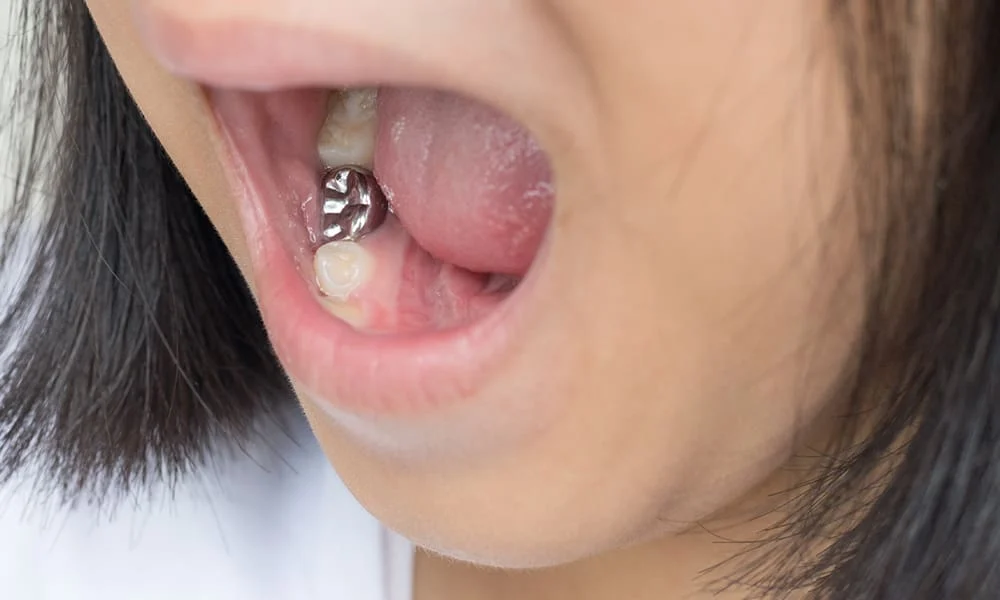
    A temporary dental crown, also known as a provisional crown, is a short-term, removable restoration that covers a prepared tooth until a permanent crown is fabricated and cemented into place. Typically made from acrylic, plastic, or stainless steel, temporary crowns are designed to protect the tooth from decay and sensitivity, maintain its shape and appearance, and enable normal chewing and speaking functions. 

    They are usually cemented or bonded into place with a temporary adhesive, allowing for easy removal when the permanent crown is ready. 

    Types of temporary dental crowns:

    • Plastic or resin crowns
    • Stainless steel crowns (for children’s primary teeth)
    • Acrylic or polymethyl methacrylate (PMMA) crowns
    • 3D-printed temporary crowns

    What is the purpose of temporary dental crowns?

    The purposes of temporary dental crowns are:

    • Protection: Shield the prepared tooth from decay, sensitivity, and further damage.
    • Aesthetics: Maintain a natural-looking smile and appearance.
    • Functionality: Enable normal chewing, speaking, and biting functions.
    • Healing: Allow the gum tissue to heal and recover from tooth preparation.
    • Assessment: Enable the dentist to assess the bite, make adjustments, and ensure proper occlusion.
    • Placeholder: Hold the space for the permanent crown, preventing surrounding teeth from shifting.
    • Comfort: Provide relief from sensitivity and discomfort during the interim period.
    • Trial: Allow the patient to try out the shape, size, and appearance of the crown before the permanent one is made.

    How are temporary dental crowns fabricated?

    dental crowns

    The procedure for temporary dental crowns typically involves the following steps:

    • Tooth preparation: The dentist prepares the tooth by removing the decay, shaping the tooth, and making room for the crown.
    • Impression taking: An impression of the prepared tooth and surrounding teeth is taken to create a temporary crown.
    • Temporary crown fabrication: The dentist creates a temporary crown using the impression, usually out of acrylic or stainless steel.
    • Cementation or bonding: The temporary crown is cemented or bonded onto the prepared tooth using a temporary adhesive.
    • Adjustments: The dentist makes any necessary adjustments to ensure proper fit, bite, and comfort.
    • Instructions: The patient is given instructions on how to care for the temporary crown, including diet and oral hygiene.
    • Follow-up: A follow-up appointment is scheduled to check on the temporary crown and prepare for the permanent crown placement.

    What are the benefits of temporary dental crowns?

    The benefits of temporary dental crowns include:

    • Immediate protection: Protects the prepared tooth from decay, sensitivity, and further damage.
    • Aesthetic appeal: Maintains a natural-looking smile and appearance.
    • Functional: Enables normal chewing, speaking, and biting functions.
    • Comfort: Provides relief from sensitivity and discomfort during the interim period.
    • Healing: Allows the gum tissue to heal and recover from tooth preparation.
    • Assessment: Enables the dentist to assess the bite, make adjustments, and ensure proper occlusion.
    • Placeholder: Holds the space for the permanent crown, preventing surrounding teeth from shifting.
    • Trial: Allows the patient to try out the shape, size, and appearance of the crown before the permanent one is made.
    • Reduced sensitivity: Reduces tooth sensitivity during the interim period.
    • Easy removal: This can be easily removed when the permanent crown is ready.
    • Cost-effective: Less expensive than permanent crowns.
    • Time-saving: This can be fabricated and placed in a single visit.

    Temporary dental crowns play a vital role in the dental restoration process, providing protection, aesthetics, and functionality until a permanent crown is placed. By understanding the purpose, benefits, and types of temporary crowns, patients can better navigate the process and ensure a successful outcome. Remember, proper care and maintenance of temporary crowns are crucial for a smooth transition to permanent crowns.

  • How Pain Management Specialists Assist In The Treatment Of Rare Pain Disorders

    How Pain Management Specialists Assist In The Treatment Of Rare Pain Disorders

    A walk in the Garden State foot and ankle might seem more like a stroll in a bed of nettles for those struggling with rare pain disorders. This is where pain management specialists come into the picture. They bring a flashlight into the obscure path of pain. They turn the complex into the comprehensible. They make the uncommon, manageable. More than mere medical professionals, they serve as guides on the hard road to relief. They teach, they aid, they treat. Today, we’ll delve into how they contribute to the treatment of rare pain conditions.

    The Role of Pain Management Specialists

    Pain management specialists play a vital role. They are the detectives of the medical world. They seek out the source of pain. They plan out the best course of action. They work with you to manage your pain.

    Methodologies in Pain Management

    These specialists use diverse methods. They may use medications. They might suggest physical therapy. They could even recommend procedures like nerve blocks. The goal is always the same. It’s to bring you relief.

    Understanding Rare Pain Disorders

    Rare pain disorders can be hard to understand. They may cause pain in one area. Or, they could cause pain all over. But fear not, help is at hand. Pain management experts can guide you. They make it easier to understand these conditions. They make it possible to live with them.

    Pain Management Techniques for Rare Disorders

    Each rare disorder is unique. So, the treatment must be unique too. The specialists understand this. They tailor the treatment to your needs. They take into account your pain levels. They consider your overall health. They design a treatment plan just for you.

    Pain Management Specialists

    Working Together To Manage Pain

    The specialists don’t work alone. They team up with your doctor. Together, they create the best plan. It’s a plan that fits you. It’s a plan that can bring you relief.

    Now, let’s compare the techniques used to manage common and rare pain disorders:

    Techniques Common Pain Disorders Rare Pain Disorders
    Medication Often used May need special drugs
    Physical Therapy Often used May need special exercises
    Nerve Blocks Sometimes used May be more common

    In conclusion, pain care clinic are crucial. They are the torchbearers on a dark path. They light the way for those struggling with pain. They bring hope. They bring relief.

    For more information on pain disorders, please visit the National Institutes of Health.

  • How Expert Cosmetic Dentists in Sugar Land Can Help Elevate Your Smile?

    How Expert Cosmetic Dentists in Sugar Land Can Help Elevate Your Smile?

    In an often weary and tiring world, a beautiful smile is an asset to be proud of! It not only boosts your own confidence but also instills a sense of happiness in others. Your smile has a much larger impact than you can imagine!

    According to an expert dentist in Sugar Land, this fact is unfortunately quite rarely known. Individuals under-appreciate the value of a perfect smile and what it can achieve. Mainly, this stems from not knowing that they can take assistance from experts to elevate a smile! No matter what the concern is, a dentist can take the necessary corrective action to help you get a beautiful smile. Here’s how…

    Straightening Your Smile with Invisalign

    Unlike traditional metal braces, Invisalign uses clear, removable aligners to gently shift teeth into their desired position. These aligners are custom-made to fit your teeth and are virtually invisible, making them an attractive option for adults and teens who want a discreet way to achieve a straighter smile. Invisalign offers several benefits, including comfort, convenience, and the ability to eat and drink without restrictions, as you can remove the aligners during meals. 

    Transforming Smiles with Porcelain Veneers

    Veneers are thin, custom-made shells that cover the front surface of your teeth, creating a uniform and aesthetically pleasing appearance. The process involves removing a small amount of enamel from the tooth surface to accommodate the veneer, followed by bonding the veneer to the tooth. Porcelain veneers are highly durable and resistant to staining, providing a long-lasting solution for enhancing your smile. \


    Brightening Your Smile with Teeth Whitening

    Professional teeth whitening

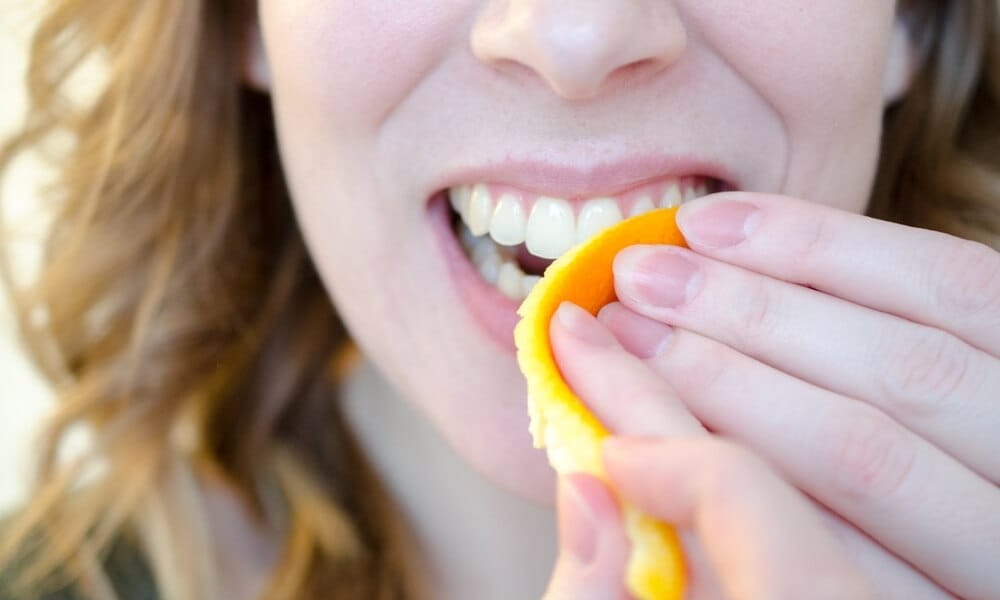
    Over time, teeth can become stained or discolored due to various factors such as diet, smoking, and aging. Cosmetic dentists offer professional teeth whitening treatments that are more effective and longer-lasting than over-the-counter options. In-office whitening treatments use high-concentration bleaching agents to safely and effectively remove stains, resulting in a noticeably brighter smile in just one visit. 

    Enhancing Aesthetics with Restorative Dentistry

    These treatments include options like tooth-colored fillings, crowns, and bridges, which not only repair damaged teeth but also enhance their appearance. Tooth-colored fillings, made from composite resin, blend seamlessly with natural teeth, providing an aesthetic alternative to traditional metal fillings. Crowns and bridges are used to restore the shape, size, and function of teeth that are severely damaged or missing, ensuring a natural and appealing look. 

    Importance of Consistent Dental Exams and Cleanings

    Cosmetic dentists emphasize the importance of preventive care to protect your teeth and gums from decay and disease. During a dental exam, your dentist will assess your oral health, identify potential issues, and recommend appropriate treatments to maintain or improve your smile. Professional cleanings remove plaque and tartar buildup that regular brushing and flossing cannot, helping to prevent cavities and gum disease. 

    A beautiful smile radiates confidence. It can help open doors that seem difficult. But remember, your smile is much more than aesthetics. It is also a visual indicator of oral health! During procedures, your dentist takes care to check for areas of concern as a preventative measure. Additionally, they also share care instructions to ensure your smile stays as radiant as ever!

    The deciding factor here is expertise. When you’re looking to enhance your smile, opt for a dentist with prior experience in similar requirements. Check for testimonials and other indicators. A tell-tale sign of an expert dentist is not just confidence in their craft, but also willingness to go out of their way to make you comfortable. 

    So don’t worry and don’t wait! Book an appointment with a local expert today!