Blog

  • What Every Parent Should Know About Children’s Fever

    What Every Parent Should Know About Children’s Fever

    In Singapore, parents often encounter the challenge of managing children’s fever. Understanding the causes, symptoms, and appropriate responses to fever is essential for ensuring your child’s well-being. Here’s a comprehensive guide on what every parent should know about children’s fever.

    Understanding Children Fever

    Children’s fever is the body’s natural response to infections or illnesses. It typically indicates that the immune system is working to fight off an infection or inflammation. Fever is defined as a body temperature above the normal range, usually around 37°C (98.6°F).

    Causes of Fever in Children

    Fever in children can stem from various factors, including viral or bacterial infections, immunizations, teething, or environmental factors such as hot weather. Identifying the underlying cause of your child’s fever can help determine the most appropriate course of action.

    Recognizing Symptoms of Fever in Children

    Recognizing the symptoms of fever is crucial for timely intervention and management. Common symptoms of children fever may include an elevated body temperature, warm or flushed skin, irritability, decreased appetite, lethargy, chills, and sweating. Monitoring your child’s symptoms and temperature regularly is essential for early detection and appropriate management.

    Managing Children’s Fever at Home

    When it comes to managing fever at home, several steps can help alleviate discomfort and support your child’s recovery:

    • Rest: Ensure your child gets plenty of rest to aid their body’s healing process. Encourage quiet activities and limit physical exertion until their fever subsides.
    • Hydration: Keeping your child well-hydrated is essential to prevent dehydration, which can accompany fever. Offer them plenty of fluids such as water, clear soups, broths, or oral rehydration solutions.
    • Comfortable Clothing: Dress your child in lightweight, breathable clothing to help regulate their body temperature. Avoid overdressing, as this can trap heat and exacerbate fever symptoms.
    • Fever Reducers: Over-the-counter fever reducers such as paracetamol or ibuprofen can help lower your child’s temperature and alleviate discomfort. Always follow the recommended dosage guidelines based on your child’s age and weight. Consult a healthcare professional before administering any medication to children, especially infants.

    When to Seek Medical Attention

    While most cases of children fever can be managed at home, certain circumstances warrant medical attention:

    • Infants: Fever in infants younger than three months old requires immediate medical evaluation, as it can be a sign of a serious underlying condition.
    • Duration: If your child’s fever persists for more than a few days or is accompanied by other concerning symptoms, consult a doctor for further assessment.
    • High Fever: A high fever (above 39°C or 102.2°F) may indicate a more severe infection or illness and warrants medical attention.
    • Dehydration: Signs of dehydration such as dry mouth, sunken eyes, decreased urine output, or lethargy require prompt medical evaluation and treatment.
    • Severe Symptoms: Seek medical advice if your child experiences difficulty breathing, persistent vomiting, a stiff neck, severe headache, or a rash, as these may indicate a more serious underlying condition.

    Preventive Measures

    Preventing children fever and associated illnesses involves:

    • Vaccinations: Ensure your child receives routine vaccinations as recommended by healthcare professionals to protect against vaccine-preventable diseases.
    • Hygiene: Encourage good hygiene practices such as frequent handwashing with soap and water to reduce the spread of germs and infections.
    • Respiratory Etiquette: Teach your child to cover their mouth and nose with a tissue or their elbow when coughing or sneezing to prevent the spread of respiratory infections.
    • Healthy Lifestyle: Promote a balanced diet, regular exercise, and adequate sleep to support your child’s overall health and immune function.

    Conclusion

    Children fever is a common occurrence that can often be managed at home with proper care and attention. By understanding the causes, symptoms, and appropriate management of fever in children, parents can provide comfort and support to their child during periods of illness. Remember to seek medical advice if you have concerns about your child’s fever or if symptoms persist or worsen.

  • Sleep Solutions: Harnessing Supplements for Restorative Slumber

    Sleep Solutions: Harnessing Supplements for Restorative Slumber

    In a fast-paced world filled with responsibilities and stressors, achieving restorative sleep can sometimes feel like an elusive dream. While lifestyle changes and bedtime routines play crucial roles in optimizing sleep quality, supplements from brands like Supplement First can serve as valuable allies in the quest for restful slumber. Read on to find out more about the supplements that can help with sleep quality.

    Understanding Sleep and Its Importance

    Sleep is a fundamental biological process that is essential for overall health and well-being. During sleep, the body undergoes crucial physiological functions, including tissue repair, hormone regulation, and memory consolidation. However, factors such as stress, poor sleep habits, and underlying health conditions can disrupt the natural sleep cycle, leading to sleep disturbances and daytime fatigue. Addressing these issues is paramount for restoring balance and promoting optimal sleep quality.

    Benefits of Sleep Supplements

    Sleep supplements offer a variety of benefits aimed at improving sleep duration, quality, and efficiency. Some of the key advantages include:

    1. Relaxation and Calmness: Many supplements contain natural ingredients such as herbs and amino acids that promote relaxation and reduce anxiety, facilitating the transition into sleep.
    2. Regulation of Sleep-Wake Cycle: Certain supplements help regulate the body’s internal clock and promote a consistent sleep-wake cycle, enhancing overall sleep quality and wakefulness during the day.
    3. Enhanced Sleep Architecture: Ingredients like melatonin and GABA (gamma-aminobutyric acid) can improve sleep architecture by increasing deep sleep and reducing nighttime awakenings, resulting in a more restorative sleep experience.
    4. Alleviation of Sleep Disorders: Sleep supplements may also alleviate symptoms associated with sleep disorders such as insomnia, restless legs syndrome, or sleep apnea, helping individuals achieve more restful and uninterrupted sleep.

    Key Ingredients to Look For

    When selecting a sleep supplement, it’s essential to consider the ingredients to ensure they align with your specific sleep needs. Some key ingredients to look for include:

    1. Melatonin: A hormone produced by the pineal gland, melatonin plays a crucial role in regulating the sleep-wake cycle. Supplementing with melatonin can help synchronize circadian rhythms and improve sleep onset and duration.
    2. L-theanine: Found in green tea, L-theanine is an amino acid that promotes relaxation and reduces stress and anxiety, thereby facilitating sleep induction and improving sleep quality.
    3. Magnesium: This essential mineral plays a role in muscle relaxation and neurotransmitter function, making it beneficial for promoting calmness and aiding in sleep onset.
    4. Valerian Root: Valerian root is a herbal remedy that has been traditionally used to promote relaxation and alleviate insomnia. It may help improve sleep quality and reduce the time it takes to fall asleep.
    5. 5-HTP (5-Hydroxytryptophan): Derived from the amino acid tryptophan, 5-HTP is a precursor to serotonin, a neurotransmitter involved in regulating mood and sleep. Supplementing with 5-HTP may promote relaxation and improve sleep quality.

    Wrapping It Up

    By understanding the benefits, key ingredients, and considerations for choosing the right supplement, you can embark on a journey towards more restful and rejuvenating sleep.

  • Psychotherapy for Anxiety: How it Works

    Psychotherapy for Anxiety: How it Works

    Like a shadow you can’t shake, anxiety follows you around. It sneaks up in the crowded subways of anxiety new york, or when you’re alone in your apartment at night. It’s a relentless beast, right? But there’s hope. Psychotherapy, an ally in the battle against this beast, is a tool designed just for this. This blog will explore how psychotherapy works for anxiety. It’s not magic, but it might just feel like it. So, let’s journey together into the heart of the beast and find our way out on the other side.

    Understanding Anxiety

    Imagine a lion. It’s chasing you – teeth bared, claws out. That’s what anxiety feels like. Your body is in overdrive, your mind is racing. It’s fear without reason, a threat without a source.

    Enter Psychotherapy

    Psychotherapy starts by holding a mirror to your anxiety. It’s like saying, ‘Look at this beast. It’s not as scary as you think.’ You see, psychotherapy is about understanding – seeing the beast for what it is.

    Three main ways psychotherapy helps:

    • Identifies triggers: It’s like a detective solving a mystery. What sets off your anxiety?
    • Changes thought patterns: It’s about flipping the script. Negative thoughts feed anxiety. But you can change the narrative.
    • Develops coping strategies: It’s like giving you a shield and a sword. You learn how to deal with anxiety when it strikes.

    Historical Perspective

    Psychotherapy isn’t new. It’s been around for over 100 years. Freud, Jung, and Adler – the big names in psychology – all preached the benefits of psychotherapy. It’s stood the test of time.

    Psychotherapy in Action

    Imagine you’re in the middle of a crowded subway. You feel the anxiety creeping in. But this time, you’re armed with the tools from psychotherapy. You recognize the trigger – too many people. You change your thought pattern – ‘It’s crowded, but I’m safe.’ You use your coping strategy – deep, slow breaths. The beast starts to shrink.

    Taming the Beast

    Psychotherapy doesn’t promise a life without anxiety. But it gives you the tools to tame the beast. It’s still there, but it’s not in control. You are. That can make all the difference.

    Psychotherapy for anxiety doesn’t have to be a lonely journey. Reach out. Seek help. Remember, you’re not alone in this battle.

  • Overcoming Barriers: How Wheelchair Lifts Empower Mobility and Independence

    Overcoming Barriers: How Wheelchair Lifts Empower Mobility and Independence

    For individuals who rely on wheelchairs, navigating everyday life can sometimes present challenges. Stairways and uneven terrain can create significant obstacles. This is where wheelchair lifts come in. These ingenious devices bridge accessibility gaps, fostering independence and improved quality of life for wheelchair users.

    Beyond Ramps: The Advantages of Wheelchair Lifts

    While ramps offer a solution for overcoming elevation changes, they might not always be practical due to space constraints or the steepness of the incline. Wheelchair lifts provide several advantages over ramps:

    • Space-Saving Design: Wheelchair lifts require minimal floor space compared to ramps, making them ideal for homes and buildings with limited square footage.
    • Versatility for Various Elevations: Lifts can be designed to handle different heights, making them suitable for overcoming single steps, full flights of stairs, or even accessing porches and decks.
    • Safe and Comfortable Transportation: Modern wheelchair lifts offer smooth and controlled movement, ensuring a safe and comfortable experience for users.
    • Indoor and Outdoor Applications: Wheelchair lifts are available for both indoor and outdoor use, catering to various accessibility needs.

    Understanding the Different Types of Wheelchair Lifts

    The world of wheelchair lifts offers a variety of options to suit specific needs and environments. Here’s a breakdown of the most common types:

    • Vertical Platform Lifts: These lifts raise and lower the wheelchair platform vertically, ideal for overcoming single steps or full flights of stairs.
    • Inclined Platform Lifts: These lifts follow an inclined track, providing access to porches, decks, or raised entryways.
    • Stair Lifts: Designed specifically for staircases, these lifts feature a chair that glides along a rail, allowing users to navigate stairs safely and comfortably.
    • Vehicle Lifts: These lifts attach to vans or trucks, enabling users to easily enter and exit their vehicles.

    Choosing the Right Wheelchair Lift: Factors to Consider

    Selecting the appropriate wheelchair lift involves careful consideration of several factors:

    • Environment: Is the lift needed for indoor or outdoor use?
    • Elevation Needs: How high does the lift need to reach?
    • Space Constraints: How much space is available for the lift’s installation?
    • User Weight and Wheelchair Size: Ensure the lift has the capacity to accommodate the user’s weight and wheelchair dimensions.
    • Budget: Wheelchair lifts vary in price depending on the type, features, and capacity.

    Consulting Professionals for Optimal Accessibility Solutions

    Consulting with a qualified mobility specialist or occupational therapist is crucial for choosing the most suitable wheelchair lift. They can assess your specific needs, recommend the ideal lift type, and ensure proper installation for safe and efficient operation.

    Investing in Independence and a Higher Quality of Life

    Wheelchair lifts are not just mechanical devices; they are gateways to greater independence and a more fulfilling life. By overcoming mobility barriers, wheelchair lifts empower individuals to participate more actively in daily activities, fostering a sense of freedom and dignity.

    Conclusion: A Lifelong Investment in Accessibility

    Whether navigating your home, workplace, or public spaces, wheelchair lifts can significantly enhance your quality of life. By investing in a well-chosen and professionally installed wheelchair lift, you can unlock a world of possibilities and experience greater independence. Remember, if you’re considering exploring the open water after regaining mobility, research new boat sales to find the perfect vessel for accessible boating adventures.

  • Ways to Manage Your Stress Levels during any Turbulent Time

    Ways to Manage Your Stress Levels during any Turbulent Time

    Stress is a natural process, but everyone should learn to acknowledge or manage it well, or else it might turn into a devastating thing for them. Based on a study it has been found that 27% of Americans who were stressed could not function properly. Again, nearly 75% of people accused stress of being responsible for some physical issues like excessive fatigue, nausea, headaches, and also feelings of depression and anxiety. The fortunate thing is you can manage stress well when you incorporate some habits:

    Attend counseling or regular therapy

    Therapy seems to be vital for everyone, even if they do not suffer from a mental health issue. As lots of people have become stressed during the COVID-19 pandemic, lots of therapy services have become virtual. So, today, everyone can attend regular sessions instead of attending video chats or taking phone calls. The therapy classes offer sessions on various things like parenting, relationships, careers, anxiety, and depression. Along with attending these therapy classes, people also use CBG for sale, as CBG seems to be hugely useful for stress.

    Take very good care of your health

    If you think being stressed is the end of the world, you are sadly mistaken. You should be mindful that you can overcome stress, but for this, you should develop some habits. You can remain stress-free by involving yourself in activities like gardening, jogging, walking, or other activities that make you active and rejuvenated. All kinds of physical activities work as stress relievers. When you exercise, it rejuvenates your feel-good endorphins as well as many other natural neural chemicals. Additionally, you should also pay heed to your diet. Make it a point to eat various fruits, whole grains, and vegetables.

    Encourage meditation 

    If you use meditation to manage stress, you will never go wrong with it. Meditation helps people remain focused; hence, they can relax their minds. People have been practicing meditation for many years, and it always gives positive results to them. They join many online sources that provide guided meditations to people.

    The usefulness of CBG

    When people feel stressed, they release the hormone cortisol, and it leaves various effects on a person’s body, like suppressing their immune system, decreasing energy levels, and enhancing blood sugar levels. Hence, it does not seem surprising that people look forward to CBG for sale to lessen their cortisol levels. CBG lessens cortisol levels as it interacts with the endocannabinoid system of a person’s body, and it plays a vital role in regulating anxiety and stress.

  • What Does Bulking Entail? Recognizing the Phase of Muscle Building

    What Does Bulking Entail? Recognizing the Phase of Muscle Building

    In the world of bodybuilding and fitness, the phrase “bulking” refers to a particular stage of training that aims to increase muscular mass and strength. People purposefully consume more calories during this time than they burn, resulting in a caloric surplus that gives the body the energy it needs to grow muscle.

    Here we discuss what does bulking mean in a bodybuilder’s life. The main objective of bulking is to increase muscle mass while reducing the amount of extra fat that accumulates on the body. To promote muscular growth, this period is often marked by rigorous resistance exercise and thoughtful diet.

    Important Elements of Bulking

    A good bulking phase involves a number of essential elements. First and foremost, diet is very important since building muscle requires ingesting more calories than one burns. But consuming more calories isn’t enough; the quality of those calories counts as well. It need a well-balanced diet high in protein, carbs, and good fats to promote muscle development and repair. Particularly important for muscle synthesis and recuperation is protein; 1.2 to 2.2 grams of protein per kilogram of body weight are normally advised consumption amounts.

    Resistance Training’s Significance

    In order to promote muscular development during the bulking period, resistance exercise is essential. Muscular-building exercises that focus on large muscular groups, such bench presses, squats, deadlifts, and rows, are very beneficial. To promote ongoing muscular adaptation, progressive overload which is progressively increasing the weight carried over time is essential. People may trigger the physiological reactions required for muscular growth by subjecting their muscles to progressively greater weights. To maximize muscular growth during the bulking phase, a well-designed resistance training program with an emphasis on compound exercises and sufficient volume and intensity is required.

    Tracking Development and Modifications

    Throughout the bulking period, it is essential to regularly assess progress to make sure that the required muscular development is taking place. Metrics like strength levels, body dimensions, and body weight may be tracked to provide important information into how well the bulking program is working. Adjustments can be required if development pauses or if there is an excessive increase in body fat. To better meet personal requirements and objectives, this may include shifting macronutrient ratios, calorie consumption, or training program modifications. It’s crucial to make well-informed modifications based on progress monitoring in order to maximize outcomes and prevent any setbacks.

    Conclusion

    A deliberate training phase called “bulking” aims to build larger, stronger muscles by combining physical training with smart eating. People may enhance their muscular growth by purposefully ingesting excess calories and doing intense resistance exercise. This will induce muscle hypertrophy. During the bulking phase, outcomes must be optimized by keeping an eye on developments and adjusting as necessary. After bulking, moving into a cutting phase refines the body by eliminating extra body fat while maintaining muscle mass.

  • Unlocking the Convenience and Efficiency of Urgent Care with HIMS AME

    Unlocking the Convenience and Efficiency of Urgent Care with HIMS AME

    In today’s fast-paced world, access to quality healthcare has become more critical than ever. However, with busy schedules and unexpected medical needs, finding the time for traditional doctor’s appointments can be challenging. This is where urgent care facilities step in to bridge the gap, offering convenient and timely medical services for non-life-threatening conditions. In this article, we delve into the world of urgent care and explore how the integration of technology like HIMS AME is revolutionizing the patient experience.

    Understanding Urgent Care: A Timely Solution

    Urgent care centers provide on-demand medical services for ailments that require immediate attention but are not severe enough to warrant a trip to the emergency room. From minor injuries and illnesses to diagnostic services and preventive care, these facilities cater to a wide range of medical needs without the long wait times typically associated with hospitals.

    The Rise of Urgent Care: Meeting Modern Healthcare Demands

    The popularity of urgent care has soared in recent years, thanks to its convenience and accessibility. With extended hours, walk-in appointments, and shorter wait times, these centers offer flexibility that traditional primary care offices may lack. Moreover, urgent care facilities are equipped to handle a variety of medical issues, from flu symptoms to minor fractures, making them a go-to option for many individuals and families.

    Introducing HIMS AME: Enhancing Urgent Care Services

    HIMS AME, an innovative healthcare technology solution, is revolutionizing the way urgent care facilities operate. By streamlining administrative tasks, optimizing patient flow, and improving communication between healthcare providers and patients, HIMS AME is reshaping the urgent care experience.

    Streamlining Administrative Tasks

    One of the key features of HIMS AME is its ability to streamline administrative tasks, such as patient registration, insurance verification, and medical history documentation. By digitizing these processes, urgent care staff can reduce paperwork and minimize errors, allowing them to focus more on delivering quality care to patients.

    Optimizing Patient Flow

    Efficient patient flow is essential for providing prompt and effective care in urgent care settings. HIMS AME employs advanced scheduling algorithms and real-time monitoring tools to optimize patient flow, ensuring that appointments are managed efficiently and wait times are kept to a minimum. This not only enhances the overall patient experience but also maximizes the productivity of healthcare providers.

    Improving Communication

    Effective communication is vital in any healthcare setting, and urgent care is no exception. HIMS AME facilitates seamless communication between patients and healthcare providers through features such as secure messaging, telemedicine consultations, and appointment reminders. This not only enhances patient engagement but also ensures that important medical information is conveyed accurately and promptly.

    Embracing the Future of Urgent Care

    As technology continues to evolve, so too will the landscape of urgent care. By embracing innovative solutions like HIMS AME, urgent care facilities can stay ahead of the curve and continue to meet the evolving needs of patients in a fast-paced world.

    Conclusion

    Urgent care plays a crucial role in modern healthcare, providing timely and convenient medical services for non-life-threatening conditions. With the integration of technologies like HIMS AME, the urgent care experience is being transformed, making it more efficient, accessible, and patient-centered than ever before. As we look to the future, the marriage of healthcare and technology promises to unlock even greater possibilities, ensuring that quality care remains within reach for all.

  • The Most Common Hip Conditions Demystified

    The Most Common Hip Conditions Demystified

    The Hip: Understanding the Basics

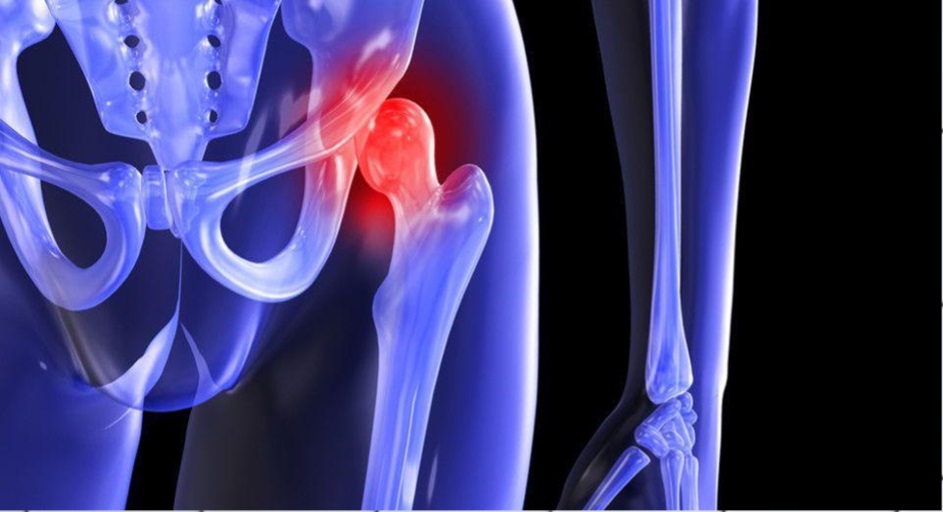
    The hip joint is one of the largest and most important joints in the human body. It is a ball-and-socket joint that connects the thigh bone (femur) to the pelvis. This joint allows for a wide range of motion, including walking, running, and sitting. Understanding the basics of the hip joint is essential in comprehending common hip conditions and how they can affect your daily life.

    1. An Introduction to the Hip Joint

    The hip joint is a synovial joint, which means it is surrounded by a capsule filled with synovial fluid that lubricates the joint and reduces friction. This fluid-filled capsule allows for smooth movement and protects the joint surfaces from wear and tear. The hip joint is also supported by ligaments, which are strong bands of connective tissue that hold the bones together and provide stability.

    Within the hip joint, there is a layer of cartilage covering the surface of the bones. This cartilage acts as a shock absorber, cushioning the joint and preventing the bones from rubbing against each other. The cartilage in the hip joint is thick and durable, but it can still be damaged or worn down over time, leading to various hip conditions.

    2. The Anatomy of the Hip

    To fully understand the common hip conditions, it is important to have a grasp of the anatomy of the hip. The hip joint is comprised of two main structures: the femur and the pelvis. The femur, or thigh bone, has a rounded head that fits into a socket in the pelvis, called the acetabulum.

    Surrounding the hip joint are several muscles, tendons, and ligaments that provide support and facilitate movement. Some of the key muscles include the gluteus maximus, which is responsible for hip extension, and the iliopsoas, which helps with hip flexion. These muscles work in coordination to allow for smooth and controlled movement of the hip joint.

    3. How the Hip Functions in the Body

    The hip joint plays a crucial role in the body’s mobility and stability. It is involved in various activities, such as walking, running, and sitting, as well as more complex movements like dancing and sports. The hip joint transfers the weight of the upper body to the lower body and allows for smooth and coordinated movement of the legs.

    In addition to movement, the hip joint is responsible for providing stability and balance. The ligaments and muscles surrounding the hip joint work together to maintain proper alignment and prevent excessive movement that could lead to injury. This combination of mobility and stability makes the hip joint essential for everyday activities and overall physical health.

    Common Hip Conditions: Causes and Symptoms

    Now that we have a good understanding of the hip joint, let’s explore some of the most common hip conditions, their causes, and the symptoms associated with them. These conditions can range from degenerative conditions to acute injuries and can significantly impact a person’s quality of life.

    1. Osteoarthritis: The Wear and Tear Condition

    Osteoarthritis is the most prevalent hip condition among adults and is often referred to as the wear and tear condition. It occurs when the cartilage in the hip joint breaks down over time, leading to pain, stiffness, and reduced mobility. The exact cause of osteoarthritis is still not fully understood, but factors such as age, genetics, obesity, and previous hip injuries can increase the risk.

    The symptoms of hip osteoarthritis usually develop gradually and worsen over time. Common symptoms include pain in the hip joint, especially during movement or weight-bearing activities such as walking or climbing stairs. Stiffness and a limited range of motion are also common, along with a feeling of grinding or crunching when moving the hip. In severe cases, osteoarthritis can lead to chronic pain and disability.

    2. Hip Bursitis: The Inflammation in the Hip

    Hip bursitis is a condition characterized by inflammation of the bursae, small fluid-filled sacs that act as cushions between bones, tendons, and muscles. These bursae help reduce friction and provide a smooth gliding surface during movement. When the bursae in the hip become irritated or inflamed, hip bursitis occurs.

    The most common cause of hip bursitis is repetitive stress or overuse of the hip joint. Activities that involve repetitive movements, such as running, cycling, or standing for extended periods, can lead to this condition. Other factors, such as trauma or infection, can also cause hip bursitis.

    The symptoms of hip bursitis usually include pain on the outside of the hip that worsens with prolonged walking, climbing stairs, or lying on the affected side. The hip may also feel tender to the touch, and swelling and redness may be present. In some cases, the pain can radiate down the thigh or buttock.

    3. Hip Fractures: When Bones Break

    Hip fractures are serious injuries that occur when one or more of the bones in the hip joint break. Fractures can happen in any part of the hip, including the femur, the pelvis, or the acetabulum. The most common cause of hip fractures is a fall, especially in older adults with weakened bones.

    The symptoms of a hip fracture include severe pain in the hip or groin area, inability to bear weight on the affected leg, and difficulty moving the leg or walking. The leg may also appear shorter or turned outward compared to the unaffected side. Immediate medical attention is crucial for hip fractures, as surgery is often required to repair the broken bones.

    Diagnosing and Treating Hip Conditions

    When it comes to diagnosing and treating hip conditions, a thorough evaluation by a healthcare professional is essential. They will take into account the patient’s medical history, perform a physical examination, and order additional tests or imaging studies, if necessary.

    1. The Diagnostic Process for Hip Conditions

    The diagnostic process for hip conditions typically involves a combination of medical history, physical examination, and imaging studies. A healthcare professional will ask about the patient’s symptoms, including when they started, the severity of the pain, and any factors that worsen or alleviate the symptoms.

    During the physical examination, the healthcare professional will assess the range of motion of the hip, check for tenderness or swelling, and perform specific tests to identify the underlying cause of the symptoms. They may also request imaging studies such as X-rays, CT scans, or MRI scans to get a more detailed view of the hip joint and identify any structural abnormalities or damage.

    2. Non-Surgical Treatment Options for Hip Conditions

    Non-surgical treatment options are often the first line of management for many hip conditions. These conservative approaches aim to relieve pain, reduce inflammation, and improve mobility without the need for surgery. Some common non-surgical treatments for hip conditions include:

    – Medications: Nonsteroidal anti-inflammatory drugs (NSAIDs) and analgesics may be prescribed to reduce pain and inflammation associated with hip conditions.

    – Physical Therapy: A physical therapist may design a personalized exercise program to strengthen the muscles around the hip joint, improve flexibility, and alleviate pain.

    – Assistive Devices: Using assistive devices, such as canes or walkers, can help relieve pressure on the hip joint and provide support during walking or daily activities.

    – Injections: Corticosteroid injections or viscosupplementation injections may be administered to reduce inflammation and provide temporary pain relief.

    3. Surgical Interventions for Hip Conditions

    If non-surgical treatment options fail to provide significant relief or if the hip condition is severe, surgical intervention may be considered. There are various surgical procedures available for different hip conditions, including:

    – Hip Replacement Surgery: In cases of severe hip arthritis or degenerative conditions, a total hip replacement surgery may be recommended. During this procedure, the damaged parts of the hip joint are replaced with artificial components made of metal and plastic. Hip replacement surgery can provide long-lasting pain relief and improve mobility.

    – Arthroscopy: Arthroscopic surgery involves making small incisions and using a camera and small instruments to diagnose and treat certain hip conditions. It is less invasive than traditional open surgery and allows for quicker recovery times.

    Preventing Hip Conditions: Tips and Exercises

    While some hip conditions cannot be completely prevented, certain measures can help reduce the risk and maintain the overall health of the hip joint. Incorporating these tips and exercises into your daily routine can contribute to stronger and healthier hips.

    1. Tips for Maintaining Hip Joint Health

    – Maintain a Healthy Weight: Excess weight puts additional stress on the hip joint. Maintaining a healthy weight can reduce the risk of developing hip conditions such as osteoarthritis.

    – Use Proper Form and Technique: When participating in physical activities or sports, use proper form and technique to avoid placing unnecessary strain on the hips. This includes maintaining good posture and practicing proper body mechanics.

    – Avoid Prolonged Sitting: Sitting for long periods can lead to stiffness and muscle imbalances. Take regular breaks to stand or walk around to keep the hip joints mobile.

    2. Strengthening Exercises for the Hip

    Strengthening the muscles surrounding the hip joint can provide support and stability, reducing the risk of hip injuries. Some effective exercises for hip strengthening include:

    – Squats: Stand with feet shoulder-width apart and slowly lower down into a squat position, keeping the knees aligned with the toes. Return to the starting position and repeat for several repetitions.

    – Hip Abduction: Lie on your side with the legs stacked on top of each other. Lift the top leg upwards, keeping it straight, and then lower it back down. Repeat on both sides.

    3. Stretching Exercises for the Hip

    Stretching the muscles around the hip joint can improve flexibility and prevent muscle imbalances. Some beneficial stretching exercises for the hip include:

    – Hip Flexor Stretch: Kneel on one knee, with the other foot positioned in front. Gently push the hips forward until a stretch is felt in the front of the hip. Hold for 30 seconds and repeat on the other side.

    – Piriformis Stretch: Sit on the edge of a chair and cross one ankle over the opposite knee. Gently press down on the raised knee until a stretch is felt in the buttock area. Hold for 30 seconds and switch sides.

    By incorporating these preventive measures and exercises into your routine, you can promote hip joint health and reduce the risk of developing common hip conditions.

    FAQ

    Question: What is hip osteoarthritis? – Hip osteoarthritis is a common hip condition characterized by the breakdown of cartilage in the hip joint. It causes pain, stiffness, and reduced mobility.

    Question: What is hip bursitis? – Hip bursitis is a condition characterized by inflammation of the bursae in the hip. The bursae are fluid-filled sacs that help reduce friction in the joint. Hip bursitis can cause pain, tenderness, and limited mobility.

    Question: What are hip fractures? – Hip fractures occur when one or more bones in the hip joint break. They are often caused by falls, especially in older adults with weakened bones. Symptoms include severe pain, inability to bear weight, and difficulty walking.

    Question: How are hip conditions diagnosed? – A healthcare professional will evaluate medical history, perform a physical examination, and may order imaging studies such as X-rays, CT scans, or MRI scans to diagnose hip conditions.

    Question: What are non-surgical treatment options for hip conditions? – Non-surgical treatments for hip conditions include medication, physical therapy, assistive devices, and injections. These treatments aim to relieve pain, reduce inflammation, and improve mobility.

    Question: When is surgery necessary for hip conditions? – Surgery may be necessary for severe hip conditions that do not respond to non-surgical treatments. Procedures such as hip replacement surgery or arthroscopy may be recommended to alleviate symptoms and improve hip function.

    Question: How can hip conditions be prevented? – Maintaining a healthy weight, using proper form during physical activities, and avoiding prolonged sitting can help prevent hip conditions. Strengthening and stretching exercises for the hip can also improve joint health and reduce the risk of injuries.


  • The Role of a Bariatrician in Managing Obesity

    The Role of a Bariatrician in Managing Obesity

    Imagine this. You’re at a crossroads, staring at two paths. One path is familiar – it’s the road you’ve been on, filled with failed diets, unmet fitness goals, and the heavy weight of obesity. The other path? It’s a route laden with hope and the promise of a healthier, more fulfilling life. This path is guided by a Bariatrician, a specialized doctor who understands the struggles you’re facing and has the expertise to help you overcome them. This isn’t just about losing weight. It’s about rebuilding your health, reshaping your future, and redefining what’s possible. Welcome to the world of Rebuil-T Healthcare, where your journey towards a healthier life begins with understanding the role of a Bariatrician in managing obesity.

    Who is a Bariatrician?

    A Bariatrician is a doctor who specializes in the treatment of obesity and related disorders. They are the navigators, guiding you along the second path.

    The Magic They Work

    They don’t expect you to run a marathon or live on salad alone. They identify the root cause of your obesity. Could be genetic, could be hormonal – they figure it out. They develop a comprehensive, personalized treatment plan for you.

    Tools at Their Disposal

    They employ a variety of tools. Lifestyle changes, medication, surgery – they are equipped. They monitor your progress, adjust your plan, and help you stay on track. They combat not just your weight, but also the illnesses that accompany it. Diabetes, hypertension, heart disease – they’ve got it covered.

    They Are Your Allies

    They empathize. They understand. They know the journey is tough. They’re there to help, to encourage, and to celebrate your successes.

    Healthcare and Bariatricians

    Bariatricians are committed and dedicated to helping you reclaim your health and life. They are the key to unlocking the door to a healthier, happier you.

    Final Thoughts

    Obesity is a battle, true. But it’s not one you have to fight alone. With a Bariatrician and the right healthcare platform, the path to a healthier, happier life is within your reach.

  • What are the most effective treatments for dark eye circles in Singapore?

    What are the most effective treatments for dark eye circles in Singapore?

    Dark eye circles are a common concern for many individuals in Singapore, causing them to seek effective treatments to diminish their appearance. These dark circles, also known as periorbital hyperpigmentation, can be caused by various factors, including genetics, lack of sleep, stress, and aging. Understanding the underlying causes is crucial in determining the most suitable Dark eye circles treatment singapore approach.

    1. Professional Treatments

    Dermatologists and aesthetic practitioners offer various professional Dark eye circles treatment singapore tailored to address dark eye circles effectively. These treatments include:

    • Laser Therapy

    Laser therapy targets the pigmented areas under the eyes, breaking down excess melanin and stimulating collagen production for smoother and brighter skin.

    • Chemical Peels

    Chemical peels exfoliate the skin, removing dead cells and promoting cell turnover to reduce pigmentation and improve skin texture.

    • Dermal Fillers

    Dermal fillers can be injected under the eyes to fill hollow areas and camouflage dark circles, providing an instant and long-lasting solution.

    2. Home Remedies

    In addition to professional treatments, several home remedies can help alleviate dark eye circles naturally:

    • Cold Compress

    Applying a cold compress to the eyes constricts blood vessels, reducing puffiness and dark circles.

    • Cucumber Slices

    Cucumber slices contain antioxidants and soothing properties that can reduce inflammation and lighten dark circles.

    • Tea Bags

    Placing chilled tea bags over the eyes can help constrict blood vessels and reduce dark circles due to the caffeine content.

    3. Skincare Products

    Using skincare products formulated with active ingredients can also help improve the appearance of dark eye circles:

    • Eye Creams

    Eye creams containing ingredients like vitamin K, peptides, and hyaluronic acid can hydrate the delicate skin around the eyes and reduce pigmentation.

    • Vitamin C Serums

    Vitamin C serums have brightening properties that can fade dark spots and even out skin tone, including dark eye circles.

    • Retinol Creams

    Retinol creams stimulate collagen production and promote cell turnover, leading to smoother and brighter skin.

    4. Lifestyle Changes

    Incorporating healthy habits into your lifestyle can complement treatment outcomes and prevent the recurrence of dark eye circles:

    • Diet

    Consuming a balanced diet rich in antioxidants, vitamins, and minerals can promote skin health and reduce inflammation.

    • Sleep Habits

    Getting an adequate amount of sleep allows the skin to repair and regenerate, minimizing the appearance of dark circles.

    • Stress Management

    Practicing stress-reduction techniques such as meditation, yoga, and deep breathing can prevent stress-related dark circles.