Blog

  • Taking Supplements Before Exercise and Its Benefits

    Taking Supplements Before Exercise and Its Benefits

    If you have ever worked out in a traditional gym, you have probably seen people taking before workout supplements. On rare circumstances, people choose to forego eating them altogether. They just swallow the powder whole and wash it down with water.

    Most supplement users are loyal to their tried and true pre-workout drink or powder. They do it often as part of their exercise regimen, and they are certain that the products they use allow them to feel more energized and give their all in the gym.

    Have you ever wondered whether pre-workout really is as effective as it claims to be? Will it have such a profound effect, or are people overstating its importance?

    The preworkout for endurance is not necessary for you to have a successful workout. This, however, is not to say that there aren’t any advantages to it. Some of the strongest reasons to include it in your personal pre-training routine are outlined below.

    To be more specific, what are “pre-workout” supplements?

    Pre-workout supplements are designed to enhance your mental and physical performance before, during, and after a session at the gym or other strenuous physical activity.

    There is a plethora of pre-workout pills available today, each with its own unique composition and set of purported benefits. Examples include HYDE Thermo, designed to aid in fat burning and weight loss, and HYDE Test Surge, created to aid in maximizing muscular endurance and exercise performance.

    Most pre-workout pills include ingredients like caffeine, beta-alanine, and creatine. Taurine is another typical ingredient. All of these factors work together to increase your stamina, strength, and power, enabling you to workout more intensely and more often with better results.

    In what ways can pre-workout supplements help?

    There are several benefits to adding pre-workout supplements to your supplement regimen. The following are just a few of the many benefits they bring to the table:

    Strengthening of Health and Vitality

    While there are pre-workout pills that do not include stimulants, the most majority do. Without a question, caffeine is one of the most widespread stimulants used in pre-workout supplements.

    Caffeine gives you energy in part by preventing the accumulation of the neurotransmitter adenosine, which is responsible for making you feel weary. Taking a caffeine-containing pre-workout pill can allow you to train harder and for longer before fatigue sets in.

    Caffeine’s positive effects extend beyond just boosting your energy levels; it may also help quicken the rate at which your muscles grow. This ensures that your strength training sessions are producing optimal results and leads to a general improvement in your athletic performance.

    Concentration may be boosted with pre-workout supplements.

    Pre-workout supplements might help you feel more alert and focused throughout your workout, which is an added bonus. Many common pre-workout supplements, including caffeine, L-Theanine, and Beta-Alanine, are cognition boosters. Caffeine fits this category as well.

    Conclusion

    Taking a pre-workout tablet, especially one that has these helpful ingredients, on days when you feel a bit tired or uninspired, may help you retain your focus on the goals you’ve set for yourself and keep working toward them. Is it difficult for you to maintain concentration and proper form throughout your workouts without some outside help? A pre-workout supplement would do wonders for your routine.


  • How to Make Difficult Decisions: Five Tips from Life’s Experts

    How to Make Difficult Decisions: Five Tips from Life’s Experts

    There are times in life when we have to make decisions that may have profound effects on the course of our lives. As we go through life, the priorities and foci of our efforts naturally vary.

    These decisions might affect not just our own lives, but also that of our neighbors and community members. These are not inconsequential choices like what to name the dog or which shower curtain to buy; rather, they are crossroads in our lives when we must weigh the benefits and risks of many options. Examples of decisions that individuals must make include: changing jobs, moving, buying or selling a house, ending or beginning a relationship, electing to put a loved one in a full-time care facility, deciding to adopt a child, retiring, and many other life events. For the hard choices this is an essential option. You may get worry and confusion just by considering such examples. These life choices need serious consideration. Here are some suggestions that might help you decide between two undesirable options:

    Think about where we may go from here.

    Lack of maturity is seen when choices are made only in response to immediate stimuli. When making a tough decision, it’s important to think about both the immediate and future rewards that might come from each possible course of action. There are times when we have to make sacrifices today, but the potential gains over time might easily outweigh those costs. Envision a child who, instead of spending his allowance on treats like candy and movies whenever the need strikes, chooses to save up for a bike.

    Explain why you think a “heart choice” is better than a “head choice.”

    A “heart choice” is one that you make from the depths of your being to fulfill a need or want, whereas a “head choice” is one that you come to after careful consideration and analysis. Your passion and emotion inform the choices you make from the heart.

    These choices are often chosen impulsively and without much thought since they are enjoyable in the moment and give a momentary emotional high. When entering a relationship, it’s easy to make a huge mistake if all you can see are the short-term benefits. Those who choose a spouse only on the basis of rational considerations (the “head choice” perspective) do so with the goal of checking off a set of desirable traits and principles while disregarding the importance of a genuine emotional and spiritual bond. The best decisions are often the ones that provide both intellectual and emotional satisfaction.

    Think about how you might react if your hopes were dashed.

    What if you decide on a course of action and pursue it wholeheartedly, only to realize that it was the incorrect one? Is it possible for you to go on if you feel like a failure? Consider not just the monetary loss but also the mental and emotional agony, in addition to the time and effort lost, when determining the cost of failure.

    Conclusion

    It’s important to take stock of how well we recover from setbacks and develop healthy strategies to deal with the disappointment that accompanies many of our decisions. If taking that path would leave you in ruins if it doesn’t work out, it’s probably not the greatest option. It’s necessary to think about the “what if” scenarios before going forward.

  • Deep Breathing Exercises for Relaxation and Stress Relief: Benefits and Techniques

    Deep Breathing Exercises for Relaxation and Stress Relief: Benefits and Techniques

    Stress is a part of our everyday lives, and it can be difficult to manage. However, practicing deep breathing exercises is a simple yet effective way to reduce stress and promote relaxation. Deep breathing exercises can be done anywhere and anytime, making them a convenient tool to have in your stress management toolkit.

    Deep Breathing Exercises for Relaxation and Stress Relief: Benefits and Techniques

    What are deep breathing exercises?

    Deep breathing exercises involve taking slow, deep breaths from the diaphragm, rather than shallow breaths from the chest. This type of breathing is also known as diaphragmatic breathing. It involves breathing in through the nose, filling the lungs with air, and then exhaling slowly through the mouth.

    How do deep breathing exercises help with relaxation and stress relief?

    Deep breathing exercises help to activate the body’s relaxation response, which is the opposite of the stress response. When we are stressed, our body goes into fight or flight mode, which can increase our heart rate, blood pressure, and breathing rate. This can lead to feelings of anxiety, tension, and overwhelm.

    When we practice deep breathing exercises, it helps to reduce the activation of the sympathetic nervous system (SNS), which is responsible for the stress response. Instead, it activates the parasympathetic nervous system (PNS), which is responsible for the relaxation response. This can help to reduce feelings of anxiety and tension, and promote a sense of calm and relaxation.

    What are the benefits of practicing deep breathing exercises?

    • Reduces stress and anxiety
    • Improves sleep quality
    • Increases feelings of relaxation and calmness
    • Improves focus and concentration
    • Can lower blood pressure
    • Improves respiratory function

    How to practice deep breathing exercises:

    1. Find a quiet and comfortable place to sit or lie down.
    2. Place one hand on your belly and the other on your chest.
    3. Take a slow, deep breath in through your nose, filling your lungs with air. As you breathe in, feel your belly rise and your chest expand.
    4. Hold the breath for a few seconds.
    5. Exhale slowly through your mouth, feeling your belly fall and your chest deflate.
    6. Repeat for several breaths, focusing on the sensation of the breath moving in and out of your body.

    Practicing deep breathing exercises for just a few minutes each day can have a significant impact on your stress levels and overall wellbeing. So, the next time you’re feeling stressed or overwhelmed, take a few deep breaths and feel the tension melt away.

  • Social Support and Exercise: Impact on Motivation and Adherence

    Social Support and Exercise: Impact on Motivation and Adherence

    Exercise programs are essential for maintaining a healthy lifestyle. However, motivation and adherence to these programs can be challenging, especially for those who lack social support. Social support refers to the assistance and encouragement provided by family, friends, and other individuals who are important in our lives. The impact of social support on motivation and adherence to exercise programs cannot be overstated.

    Social Support and Exercise: Impact on Motivation and Adherence

    What is Social Support?

    Social support can be defined as the provision of assistance, care, and empathy by others. Social support can come from various sources, including family, friends, peers, and healthcare providers. It can be emotional, informational, or instrumental support. Emotional support refers to the provision of comfort, care, and empathy, while informational support involves providing information and advice. Instrumental support involves tangible assistance, such as transportation or financial support.

    The Importance of Social Support in Exercise Programs

    Research has shown that social support plays a critical role in motivation and adherence to exercise programs. When individuals receive social support, they tend to feel more motivated and committed to their exercise regimen. Social support can provide the encouragement needed to overcome potential barriers and challenges that may arise during the exercise program.

    Moreover, social support can help individuals develop a sense of accountability and responsibility towards their exercise program. When individuals know that others are counting on them, they are more likely to stick to their exercise routine. Social support can also provide a source of positive reinforcement, which can enhance self-esteem and confidence, further motivating individuals to continue with their exercise program.

    The Different Types of Social Support

    There are different types of social support that individuals can receive, including emotional, informational, and instrumental. Emotional support involves providing comfort, encouragement, and empathy. For example, a friend who listens to an individual’s concerns about their exercise program and provides words of encouragement and support is providing emotional support.

    Informational support involves providing information and advice. For example, a healthcare provider who provides information about the benefits of exercise and how to develop an exercise program is providing informational support.

    Instrumental support involves tangible assistance, such as transportation or financial support. For example, a family member who provides transportation to and from the gym or buys exercise equipment for their loved one is providing instrumental support.

    Social support plays a critical role in motivation and adherence to exercise programs. When individuals receive social support, they tend to feel more motivated and committed to their exercise regimen. Social support can provide the encouragement needed to overcome potential barriers and challenges that may arise during the exercise program.

    There are different types of social support that individuals can receive, including emotional, informational, and instrumental. It is essential to identify the type of social support that is most helpful for an individual’s exercise program. By doing so, individuals can maximize the benefits of social support and achieve their exercise goals.

  • Sleep and Diabetes Management: Impact on Blood Sugar Regulation

    Sleep and Diabetes Management: Impact on Blood Sugar Regulation

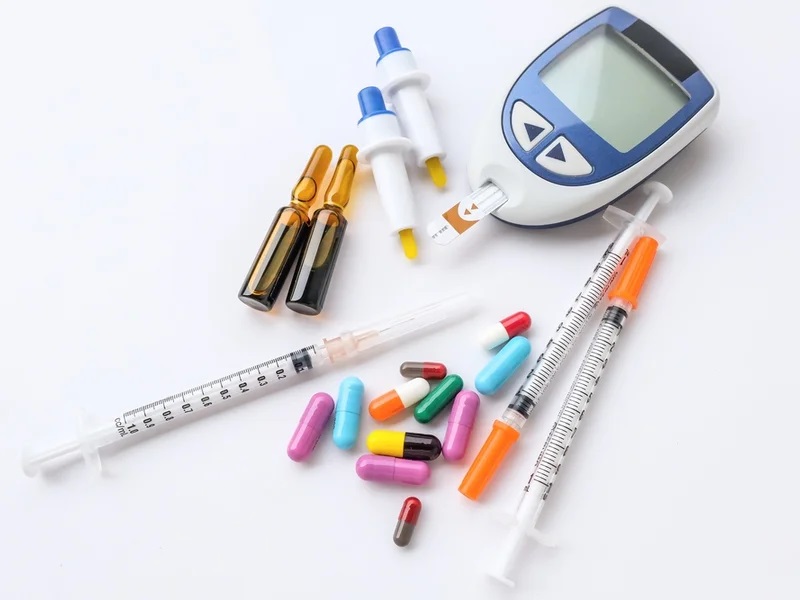
    Diabetes is a chronic illness that affects millions of people worldwide. It is characterized by high levels of glucose (sugar) in the blood due to the body’s inability to produce enough insulin or use it effectively. Diabetes management involves various lifestyle changes, including diet, exercise, and medication. However, sleep is often overlooked as a critical factor in blood sugar regulation and overall diabetes management.

    The Link Between Sleep and Blood Sugar Regulation

    Studies have shown that sleep plays a crucial role in regulating blood sugar levels. Lack of sleep or poor sleep quality can lead to insulin resistance, which means that the body’s cells cannot use insulin effectively. This, in turn, causes glucose to accumulate in the bloodstream, leading to high blood sugar levels. Over time, this can contribute to the development of type 2 diabetes.

    Moreover, sleep deprivation can also lead to an increase in stress hormones such as cortisol, which can further elevate blood sugar levels. This can be particularly problematic for people with diabetes, as they already have difficulty regulating their blood sugar levels.

    The Importance of Sleep in Diabetes Management

    Getting enough sleep is essential for overall health and well-being, but it is particularly important for people with diabetes. Adequate sleep can help improve insulin sensitivity and reduce the risk of developing type 2 diabetes. It can also help people with diabetes better manage their blood sugar levels and reduce the risk of complications such as heart disease and nerve damage.

    Furthermore, sleep can also have a positive impact on other aspects of diabetes management. For example, getting enough sleep can help reduce stress levels, which can be beneficial for people with diabetes who may experience stress-related fluctuations in blood sugar levels. It can also help improve mood and cognitive function, which can help with diabetes self-management.

    Tips for Improving Sleep Quality

    If you have diabetes, it is essential to prioritize sleep as part of your overall diabetes management plan. Here are some tips for improving sleep quality:

    • Establish a consistent sleep schedule and stick to it, even on weekends.
    • Create a relaxing bedtime routine, such as taking a warm bath or reading a book.
    • Avoid caffeine and alcohol before bedtime.
    • Make sure your sleeping environment is comfortable and conducive to sleep, such as keeping the room cool and dark.
    • Avoid using electronic devices such as smartphones or tablets before bedtime, as the blue light can disrupt sleep.

    Sleep is a crucial yet often overlooked factor in blood sugar regulation and overall diabetes management. Lack of sleep or poor sleep quality can contribute to insulin resistance and high blood sugar levels, which can increase the risk of developing type 2 diabetes and its complications. Prioritizing sleep as part of a comprehensive diabetes management plan can help improve blood sugar control and reduce the risk of complications.

  • Strength Training and Diabetes Management: Benefits and Best Practices

    Strength Training and Diabetes Management: Benefits and Best Practices

    Diabetes is a chronic medical condition that affects millions of people worldwide. It is characterized by high blood sugar levels that result from the body’s inability to produce or effectively use insulin. While there are several medical treatments available for diabetes, incorporating strength training into diabetes management programs can provide significant benefits for patients.

    What is strength training?

    Strength training involves exercises that target specific muscle groups to improve strength and endurance. This type of exercise is typically performed with weights, resistance bands, or bodyweight exercises. Strength training can help improve overall fitness, reduce the risk of injury, and improve mobility and balance.

    How can strength training benefit diabetes management?

    • Improved blood sugar control: Strength training can help improve insulin sensitivity, which can reduce blood sugar levels. This is particularly important for people with type 2 diabetes, where insulin resistance is a key factor in the development of the condition.
    • Increased muscle mass: Strength training can help increase muscle mass, which can help improve metabolism and burn more calories. This can be particularly beneficial for people with diabetes who may struggle with weight management.
    • Better cardiovascular health: Strength training can also help improve cardiovascular health, which is important for people with diabetes who are at increased risk of heart disease and stroke. Regular strength training can help lower blood pressure and cholesterol levels, which can reduce the risk of cardiovascular complications.
    • Improved bone density: Strength training can help improve bone density, which is important for people with diabetes who may be at increased risk of osteoporosis. Stronger bones can also reduce the risk of falls and fractures, which can be particularly dangerous for older adults with diabetes.

    How to incorporate strength training into diabetes management programs

    Strength training can be incorporated into diabetes management programs in several ways. Patients can work with a personal trainer to develop a customized strength training program that meets their specific needs and goals. Alternatively, patients can participate in group exercise classes that focus on strength training, such as yoga or Pilates.

    It is important for patients with diabetes to work closely with their healthcare provider before starting a strength training program. Patients should undergo a physical exam to ensure they are healthy enough to participate in strength training and to identify any potential risks or complications.

    Strength training is a valuable tool for managing diabetes. It can help improve blood sugar control, increase muscle mass, improve cardiovascular health, and improve bone density. By incorporating strength training into diabetes management programs, patients can improve their overall health and reduce the risk of complications associated with diabetes.

  • Adaptive Sports: Empowering People with Disabilities

    Adaptive Sports: Empowering People with Disabilities

    Adaptive sports have been gaining popularity as a way for people with disabilities to engage in physical activity and social interaction. These sports are designed to accommodate individuals with different abilities, providing them with an opportunity to participate in activities that promote physical and mental well-being.

    Adaptive Sports: Empowering People with Disabilities

    The Benefits of Adaptive Sports

    Adaptive sports have been proven to have numerous benefits for people with disabilities, including:

    • Improved physical health and fitness
    • Increased self-esteem and confidence
    • Enhanced social skills and communication
    • Opportunities for teamwork and leadership
    • Reduced stress and anxiety

    Participating in adaptive sports can also help individuals with disabilities develop a sense of community and belonging. They can connect with others who share similar experiences and challenges, creating a supportive and inclusive environment.

    The Role of Adaptive Sports in Promoting Physical Activity

    Physical activity is crucial for maintaining good health, but it can be challenging for people with disabilities to engage in traditional forms of exercise. Adaptive sports provide a way for individuals with disabilities to participate in physical activity that is tailored to their abilities.

    Adaptive sports can also be a fun and enjoyable way to stay active, which can lead to increased motivation and adherence to an exercise program. Regular physical activity can help reduce the risk of chronic diseases, such as heart disease and diabetes, and improve overall health and quality of life.

    The Role of Adaptive Sports in Promoting Social Engagement

    Social isolation is a common issue for people with disabilities. Adaptive sports provide an opportunity for individuals to connect with others and build social skills. Participation in adaptive sports can help individuals develop communication and teamwork skills, which can be beneficial in other areas of life.

    Adaptive sports can also help break down barriers and promote inclusivity. By participating in adaptive sports, individuals with disabilities can show others that they are capable of achieving great things.

    Examples of Adaptive Sports

    There are a variety of adaptive sports available for people with disabilities, including:

    • Wheelchair basketball
    • Para-athletics
    • Adaptive sailing
    • Sit volleyball
    • Blind soccer
    • Powerlifting

    These sports have been adapted to accommodate individuals with different abilities, making them accessible and inclusive. They are often played at a recreational or competitive level, providing individuals with different goals and aspirations a way to participate.

    Adaptive sports provide a way for people with disabilities to engage in physical activity and social interaction. They offer numerous benefits, including improved physical health, enhanced social skills, and a sense of community.

    By promoting inclusivity and breaking down barriers, adaptive sports can help create a more accessible and accepting society. It is important to continue to support and promote adaptive sports to ensure that individuals with disabilities have equal opportunities to participate and thrive.

  • Self-Compassion and Mental Health: The Power of Self-Care

    Self-Compassion and Mental Health: The Power of Self-Care

    Self-compassion is a term that has gained popularity in recent years, and for good reason. It refers to treating oneself with kindness and understanding, rather than harsh self-criticism. It involves recognizing that suffering and imperfection are a part of the human experience, and responding to one’s own pain and failures with empathy, rather than judgment.

    Research has shown that self-compassion can have a significant impact on mental health and well-being. Here are just a few ways that practicing self-compassion can benefit individuals:

    Reduces Anxiety and Depression

    When individuals are self-critical, they tend to ruminate on their mistakes and shortcomings, leading to feelings of anxiety and depression. In contrast, those who practice self-compassion are more likely to acknowledge their pain and imperfections without self-judgment or shame. This non-judgmental approach can help to reduce feelings of anxiety and depression and promote emotional resilience.

    Increases Self-Esteem

    Self-compassion involves recognizing one’s own inherent worth and treating oneself with kindness and understanding. This can lead to an increase in self-esteem, as individuals learn to accept themselves as they are, flaws and all. This acceptance can help individuals feel more confident and capable, leading to improved mental health and well-being.

    Improves Relationships

    When individuals practice self-compassion, they are more likely to extend that same kindness and understanding to others. This can lead to improved relationships, as individuals are more empathetic, patient, and forgiving with those around them. Additionally, individuals who practice self-compassion are less likely to rely on others for validation, leading to more authentic and fulfilling relationships.

    Enhances Emotional Regulation

    Self-compassion involves acknowledging and accepting one’s own emotions, rather than suppressing or denying them. This can lead to improved emotional regulation, as individuals learn to respond to their emotions in a healthy and constructive way. Rather than feeling overwhelmed or reactive, individuals who practice self-compassion are better able to manage their emotions and respond to challenges with resilience.

    How to Practice Self-Compassion

    Practicing self-compassion involves three key components:

    • Self-Kindness: Treating oneself with warmth, empathy, and understanding, rather than self-judgment or criticism.
    • Common Humanity: Recognizing that suffering and imperfection are a part of the human experience, rather than feeling isolated or abnormal.
    • Mindfulness: Observing one’s thoughts and emotions with curiosity and non-judgment, rather than getting caught up in them or trying to suppress them.

    Here are a few exercises that can help individuals cultivate self-compassion:

    • Self-Compassionate Letter: Write a letter to yourself as if you were writing to a friend who was going through a difficult time. Offer words of kindness, support, and encouragement.
    • Mindful Self-Compassion Meditation: This guided meditation involves focusing on the breath and offering oneself kindness and compassion.
    • Self-Compassion Break: When feeling stressed or overwhelmed, take a few moments to pause and offer oneself kind words of encouragement, such as “May I be kind to myself in this moment” or “May I give myself the compassion I need right now.”

    Overall, cultivating self-compassion can have a powerful impact on mental health and well-being. By treating oneself with kindness and understanding, individuals can reduce anxiety and depression, increase self-esteem, improve relationships, and enhance emotional regulation.

  • Assistive Technology: Empowering Disabilities

    Assistive Technology: Empowering Disabilities

    Assistive technology has made a significant impact on the lives of people with disabilities. These technological advancements have provided people with disabilities with greater independence and improved their overall quality of life.

    What is Assistive Technology?

    Assistive technology refers to any device, equipment, or software that helps people with disabilities perform daily activities. Assistive technology can range from simple devices such as hearing aids and magnifying glasses to more complex technologies such as prosthetics and communication devices.

    Improved Independence

    Assistive technology has enabled people with disabilities to become more independent in their daily lives. For example, individuals with mobility impairments can use wheelchairs or mobility scooters to move around independently. Similarly, individuals with visual impairments can use screen readers and magnifying devices to read books and navigate their surroundings.

    The use of assistive technology has also improved the ability of people with disabilities to perform tasks that were previously difficult or impossible. For example, voice recognition software has made it possible for individuals with physical disabilities to use computers and smartphones without the need for a keyboard or mouse.

    Improved Quality of Life

    Assistive technology has also had a significant impact on the overall quality of life for people with disabilities. By providing greater independence, assistive technology has helped individuals with disabilities to participate more fully in society. For example, individuals with hearing impairments can use hearing aids to participate in conversations and enjoy music, while individuals with visual impairments can use braille displays to read books and access information.

    Assistive technology has also improved the ability of people with disabilities to work and pursue their interests. For example, individuals with mobility impairments can use adaptive equipment to participate in sports and physical activities, while individuals with visual impairments can use screen readers to access information and work in a variety of fields.

    The impact of assistive technology on the lives of people with disabilities cannot be overstated. By providing greater independence and improving overall quality of life, assistive technology has enabled individuals with disabilities to participate more fully in society and pursue their goals and interests.

  • Continuous Glucose Monitoring: Managing Diabetes and Improving Outcomes

    Continuous Glucose Monitoring: Managing Diabetes and Improving Outcomes

    Diabetes is a chronic illness that affects millions of people worldwide. It is characterized by high blood sugar levels that can lead to a range of complications, including heart disease, kidney failure, and blindness. Managing diabetes requires careful monitoring of blood sugar levels and making lifestyle changes to maintain healthy levels. One tool that has been increasingly used in recent years to help manage diabetes is continuous glucose monitoring (CGM).

    What is Continuous Glucose Monitoring?

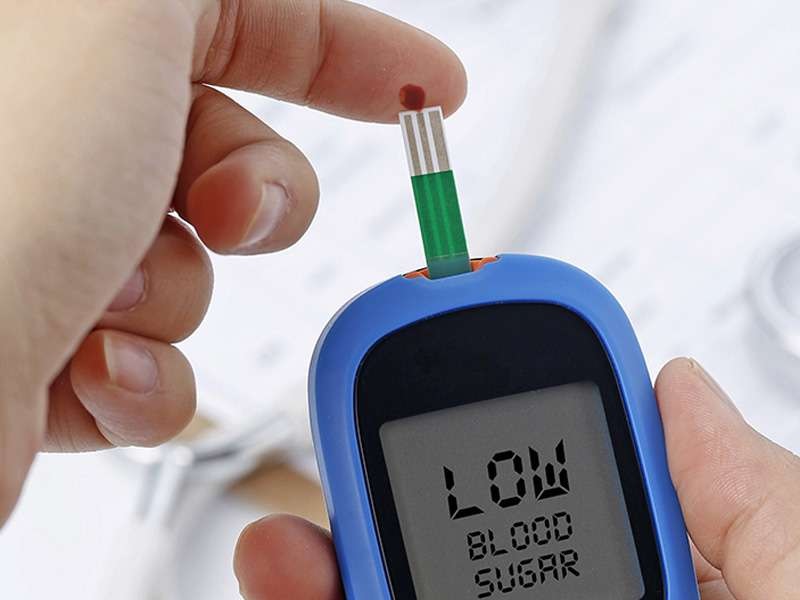
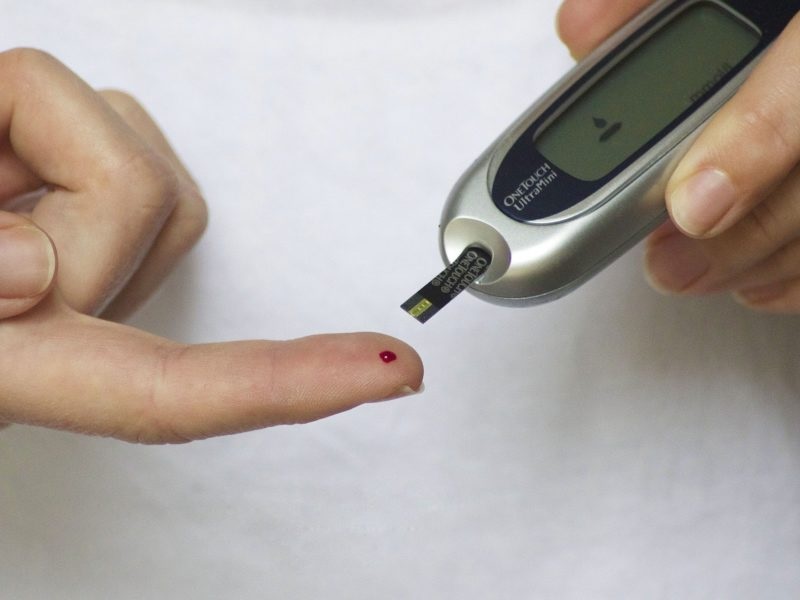
    Continuous glucose monitoring involves wearing a small sensor on the skin that measures blood sugar levels throughout the day. The sensor is connected to a transmitter that sends the data to a receiver or smartphone app, allowing the user to see their blood sugar levels in real-time and track trends over time. CGM can provide more detailed information about blood sugar levels than traditional blood glucose testing, which involves pricking the finger and testing a drop of blood.

    How Does Continuous Glucose Monitoring Help Manage Diabetes?

    CGM can help people with diabetes manage their blood sugar levels more effectively by providing more detailed information about how different foods, activities, and medications affect their blood sugar levels. By tracking blood sugar levels in real-time, CGM can also help people avoid dangerous highs and lows that can lead to complications.

    CGM can also help people with diabetes make more informed decisions about their diet and exercise habits. For example, if someone sees that their blood sugar levels spike after eating a certain type of food, they can make changes to their diet to avoid those spikes in the future.

    Improving Outcomes with Continuous Glucose Monitoring

    Studies have shown that using CGM can lead to improved diabetes outcomes, including better blood sugar control and reduced risk of complications. One study published in Diabetes Care found that people with type 1 diabetes who used CGM had better blood sugar control and fewer episodes of hypoglycemia compared to those who used traditional blood glucose testing.

    Another study published in The Lancet Diabetes & Endocrinology found that using CGM led to significant reductions in A1C levels (a measure of blood sugar control over time) in people with type 2 diabetes. The study also found that CGM use was associated with improved quality of life and reduced diabetes-related distress.

    Continuous glucose monitoring is a valuable tool for managing diabetes and improving outcomes. By providing detailed information about blood sugar levels in real-time, CGM can help people with diabetes make more informed decisions about their diet, exercise, and medication habits. Studies have shown that using CGM can lead to better blood sugar control and reduced risk of complications. If you have diabetes and are looking for ways to better manage your blood sugar levels, talk to your healthcare provider about whether continuous glucose monitoring may be right for you.