
Tag: Accessibility

  • Assistive Technology: Empowering Disabilities

    Assistive Technology: Empowering Disabilities

    Assistive technology has made a significant impact on the lives of people with disabilities. These technological advancements have provided people with disabilities with greater independence and improved their overall quality of life.

    What is Assistive Technology?

    Assistive technology refers to any device, equipment, or software that helps people with disabilities perform daily activities. Assistive technology can range from simple devices such as hearing aids and magnifying glasses to more complex technologies such as prosthetics and communication devices.

    Improved Independence

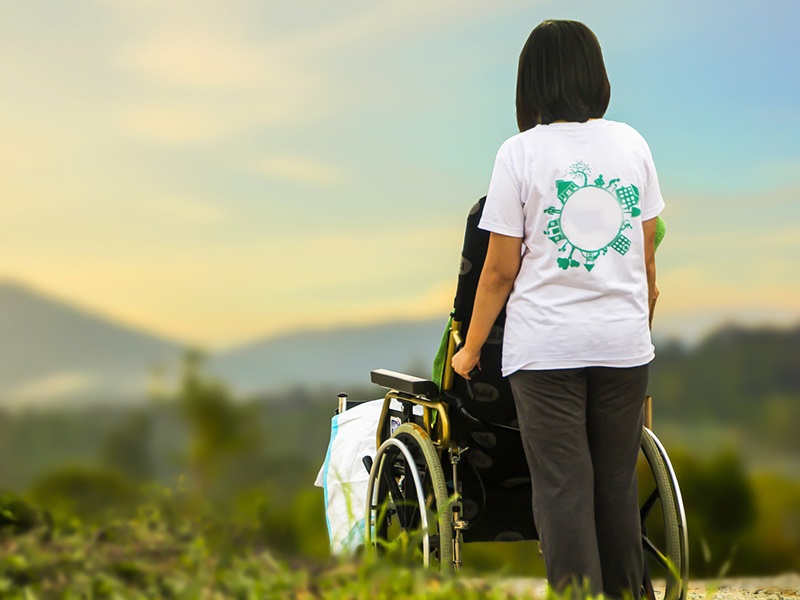
    Assistive technology has enabled people with disabilities to become more independent in their daily lives. For example, individuals with mobility impairments can use wheelchairs or mobility scooters to move around independently. Similarly, individuals with visual impairments can use screen readers and magnifying devices to read books and navigate their surroundings.

    The use of assistive technology has also improved the ability of people with disabilities to perform tasks that were previously difficult or impossible. For example, voice recognition software has made it possible for individuals with physical disabilities to use computers and smartphones without the need for a keyboard or mouse.

    Improved Quality of Life

    Assistive technology has also had a significant impact on the overall quality of life for people with disabilities. By providing greater independence, assistive technology has helped individuals with disabilities to participate more fully in society. For example, individuals with hearing impairments can use hearing aids to participate in conversations and enjoy music, while individuals with visual impairments can use braille displays to read books and access information.

    Assistive technology has also improved the ability of people with disabilities to work and pursue their interests. For example, individuals with mobility impairments can use adaptive equipment to participate in sports and physical activities, while individuals with visual impairments can use screen readers to access information and work in a variety of fields.

    The impact of assistive technology on the lives of people with disabilities cannot be overstated. By providing greater independence and improving overall quality of life, assistive technology has enabled individuals with disabilities to participate more fully in society and pursue their goals and interests.

  • Inclusive Design: Benefits in Public Spaces and Buildings

    Inclusive Design: Benefits in Public Spaces and Buildings

    Designing public spaces and buildings that are accessible and inclusive is essential for creating a welcoming environment for all individuals, regardless of age, ability, or background. Inclusive design principles aim to create spaces that are usable by everyone, regardless of their physical, cognitive, or sensory abilities.

    Inclusive Design: Benefits in Public Spaces and Buildings

    What is Inclusive Design?

    Inclusive design is the practice of creating products, environments, and services that are accessible and usable by a wide range of people. It involves considering the diverse needs of all individuals, including those with disabilities, seniors, and people from different socio-economic backgrounds.

    Inclusive design principles are based on the concept of universal design, which involves designing products and environments that are usable by everyone, regardless of their abilities. The principles of inclusive design are centered around three main areas: flexibility, simplicity, and accessibility.

    The Benefits of Incorporating Inclusive Design Principles

    There are many benefits to incorporating inclusive design principles in public spaces and buildings.

    1. Accessibility

    The primary benefit of inclusive design is accessibility. By designing spaces that are accessible and usable by everyone, regardless of their abilities, we create an environment that is welcoming and inclusive. This means that individuals with disabilities, seniors, and people from different socio-economic backgrounds can access and use public spaces and buildings with ease.

    2. Safety

    Inclusive design principles also promote safety in public spaces and buildings. By designing spaces that are easy to navigate and use, we reduce the risk of accidents and injuries. This is especially important for individuals with disabilities or mobility issues, who may require additional support to move around public spaces safely.

    3. Social Inclusion

    Inclusive design principles promote social inclusion by creating spaces that are welcoming and accessible to everyone. This means that individuals from different backgrounds, cultures, and abilities can come together in public spaces and buildings, fostering a sense of community and belonging.

    4. Economic Benefits

    Inclusive design principles can also have economic benefits. By designing spaces that are accessible and usable by everyone, we create a larger customer base for businesses and organizations. This means that more people can access and use their services, which can lead to increased revenue and growth.

    Incorporating Inclusive Design Principles

    Incorporating inclusive design principles in public spaces and buildings involves considering the diverse needs of all individuals and designing spaces that are accessible and usable by everyone. Some examples of inclusive design principles include:

    • Creating wide pathways to accommodate wheelchairs and strollers
    • Installing ramps and elevators for individuals with mobility issues
    • Providing braille signage for individuals with visual impairments
    • Using contrasting colors and textures to aid individuals with sensory impairments
    • Installing automatic doors for individuals with mobility issues
    • Providing seating areas and restrooms for individuals with disabilities and seniors

    By incorporating these and other inclusive design principles, we can create public spaces and buildings that are welcoming, accessible, and usable by everyone.

    Inclusive design principles are essential for creating public spaces and buildings that are accessible, safe, and welcoming to everyone. By considering the diverse needs of all individuals and designing spaces that are usable by everyone, we promote social inclusion, safety, and economic growth. Incorporating inclusive design principles is essential for creating a better and more inclusive world for all individuals, regardless of their abilities or backgrounds.