Tag: Diabetes Management

  • Sleep and Diabetes Management: Impact on Blood Sugar Regulation

    Sleep and Diabetes Management: Impact on Blood Sugar Regulation

    Diabetes is a chronic illness that affects millions of people worldwide. It is characterized by high levels of glucose (sugar) in the blood due to the body’s inability to produce enough insulin or use it effectively. Diabetes management involves various lifestyle changes, including diet, exercise, and medication. However, sleep is often overlooked as a critical factor in blood sugar regulation and overall diabetes management.

    The Link Between Sleep and Blood Sugar Regulation

    Studies have shown that sleep plays a crucial role in regulating blood sugar levels. Lack of sleep or poor sleep quality can lead to insulin resistance, which means that the body’s cells cannot use insulin effectively. This, in turn, causes glucose to accumulate in the bloodstream, leading to high blood sugar levels. Over time, this can contribute to the development of type 2 diabetes.

    Moreover, sleep deprivation can also lead to an increase in stress hormones such as cortisol, which can further elevate blood sugar levels. This can be particularly problematic for people with diabetes, as they already have difficulty regulating their blood sugar levels.

    The Importance of Sleep in Diabetes Management

    Getting enough sleep is essential for overall health and well-being, but it is particularly important for people with diabetes. Adequate sleep can help improve insulin sensitivity and reduce the risk of developing type 2 diabetes. It can also help people with diabetes better manage their blood sugar levels and reduce the risk of complications such as heart disease and nerve damage.

    Furthermore, sleep can also have a positive impact on other aspects of diabetes management. For example, getting enough sleep can help reduce stress levels, which can be beneficial for people with diabetes who may experience stress-related fluctuations in blood sugar levels. It can also help improve mood and cognitive function, which can help with diabetes self-management.

    Tips for Improving Sleep Quality

    If you have diabetes, it is essential to prioritize sleep as part of your overall diabetes management plan. Here are some tips for improving sleep quality:

    • Establish a consistent sleep schedule and stick to it, even on weekends.
    • Create a relaxing bedtime routine, such as taking a warm bath or reading a book.
    • Avoid caffeine and alcohol before bedtime.
    • Make sure your sleeping environment is comfortable and conducive to sleep, such as keeping the room cool and dark.
    • Avoid using electronic devices such as smartphones or tablets before bedtime, as the blue light can disrupt sleep.

    Sleep is a crucial yet often overlooked factor in blood sugar regulation and overall diabetes management. Lack of sleep or poor sleep quality can contribute to insulin resistance and high blood sugar levels, which can increase the risk of developing type 2 diabetes and its complications. Prioritizing sleep as part of a comprehensive diabetes management plan can help improve blood sugar control and reduce the risk of complications.

  • Strength Training and Diabetes Management: Benefits and Best Practices

    Strength Training and Diabetes Management: Benefits and Best Practices

    Diabetes is a chronic medical condition that affects millions of people worldwide. It is characterized by high blood sugar levels that result from the body’s inability to produce or effectively use insulin. While there are several medical treatments available for diabetes, incorporating strength training into diabetes management programs can provide significant benefits for patients.

    What is strength training?

    Strength training involves exercises that target specific muscle groups to improve strength and endurance. This type of exercise is typically performed with weights, resistance bands, or bodyweight exercises. Strength training can help improve overall fitness, reduce the risk of injury, and improve mobility and balance.

    How can strength training benefit diabetes management?

    • Improved blood sugar control: Strength training can help improve insulin sensitivity, which can reduce blood sugar levels. This is particularly important for people with type 2 diabetes, where insulin resistance is a key factor in the development of the condition.
    • Increased muscle mass: Strength training can help increase muscle mass, which can help improve metabolism and burn more calories. This can be particularly beneficial for people with diabetes who may struggle with weight management.
    • Better cardiovascular health: Strength training can also help improve cardiovascular health, which is important for people with diabetes who are at increased risk of heart disease and stroke. Regular strength training can help lower blood pressure and cholesterol levels, which can reduce the risk of cardiovascular complications.
    • Improved bone density: Strength training can help improve bone density, which is important for people with diabetes who may be at increased risk of osteoporosis. Stronger bones can also reduce the risk of falls and fractures, which can be particularly dangerous for older adults with diabetes.

    How to incorporate strength training into diabetes management programs

    Strength training can be incorporated into diabetes management programs in several ways. Patients can work with a personal trainer to develop a customized strength training program that meets their specific needs and goals. Alternatively, patients can participate in group exercise classes that focus on strength training, such as yoga or Pilates.

    It is important for patients with diabetes to work closely with their healthcare provider before starting a strength training program. Patients should undergo a physical exam to ensure they are healthy enough to participate in strength training and to identify any potential risks or complications.

    Strength training is a valuable tool for managing diabetes. It can help improve blood sugar control, increase muscle mass, improve cardiovascular health, and improve bone density. By incorporating strength training into diabetes management programs, patients can improve their overall health and reduce the risk of complications associated with diabetes.

  • Continuous Glucose Monitoring: Managing Diabetes and Improving Outcomes

    Continuous Glucose Monitoring: Managing Diabetes and Improving Outcomes

    Diabetes is a chronic illness that affects millions of people worldwide. It is characterized by high blood sugar levels that can lead to a range of complications, including heart disease, kidney failure, and blindness. Managing diabetes requires careful monitoring of blood sugar levels and making lifestyle changes to maintain healthy levels. One tool that has been increasingly used in recent years to help manage diabetes is continuous glucose monitoring (CGM).

    What is Continuous Glucose Monitoring?

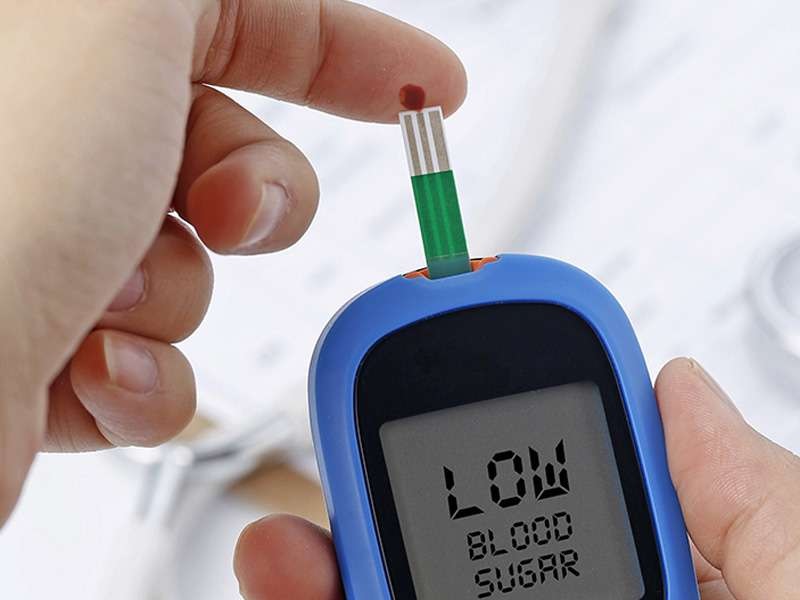
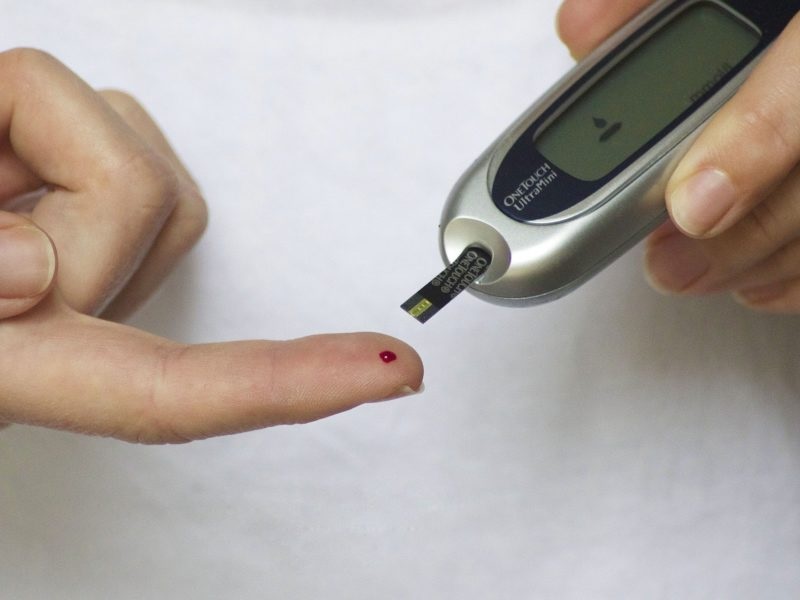
    Continuous glucose monitoring involves wearing a small sensor on the skin that measures blood sugar levels throughout the day. The sensor is connected to a transmitter that sends the data to a receiver or smartphone app, allowing the user to see their blood sugar levels in real-time and track trends over time. CGM can provide more detailed information about blood sugar levels than traditional blood glucose testing, which involves pricking the finger and testing a drop of blood.

    How Does Continuous Glucose Monitoring Help Manage Diabetes?

    CGM can help people with diabetes manage their blood sugar levels more effectively by providing more detailed information about how different foods, activities, and medications affect their blood sugar levels. By tracking blood sugar levels in real-time, CGM can also help people avoid dangerous highs and lows that can lead to complications.

    CGM can also help people with diabetes make more informed decisions about their diet and exercise habits. For example, if someone sees that their blood sugar levels spike after eating a certain type of food, they can make changes to their diet to avoid those spikes in the future.

    Improving Outcomes with Continuous Glucose Monitoring

    Studies have shown that using CGM can lead to improved diabetes outcomes, including better blood sugar control and reduced risk of complications. One study published in Diabetes Care found that people with type 1 diabetes who used CGM had better blood sugar control and fewer episodes of hypoglycemia compared to those who used traditional blood glucose testing.

    Another study published in The Lancet Diabetes & Endocrinology found that using CGM led to significant reductions in A1C levels (a measure of blood sugar control over time) in people with type 2 diabetes. The study also found that CGM use was associated with improved quality of life and reduced diabetes-related distress.

    Continuous glucose monitoring is a valuable tool for managing diabetes and improving outcomes. By providing detailed information about blood sugar levels in real-time, CGM can help people with diabetes make more informed decisions about their diet, exercise, and medication habits. Studies have shown that using CGM can lead to better blood sugar control and reduced risk of complications. If you have diabetes and are looking for ways to better manage your blood sugar levels, talk to your healthcare provider about whether continuous glucose monitoring may be right for you.