Tag: Improved Outcomes

  • Continuous Glucose Monitoring: Managing Diabetes and Improving Outcomes

    Continuous Glucose Monitoring: Managing Diabetes and Improving Outcomes

    Diabetes is a chronic illness that affects millions of people worldwide. It is characterized by high blood sugar levels that can lead to a range of complications, including heart disease, kidney failure, and blindness. Managing diabetes requires careful monitoring of blood sugar levels and making lifestyle changes to maintain healthy levels. One tool that has been increasingly used in recent years to help manage diabetes is continuous glucose monitoring (CGM).

    What is Continuous Glucose Monitoring?

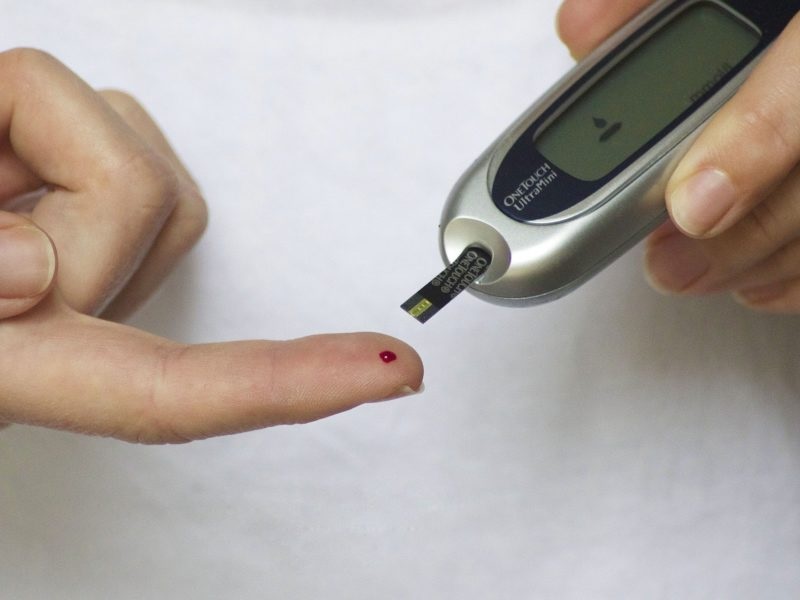
    Continuous glucose monitoring involves wearing a small sensor on the skin that measures blood sugar levels throughout the day. The sensor is connected to a transmitter that sends the data to a receiver or smartphone app, allowing the user to see their blood sugar levels in real-time and track trends over time. CGM can provide more detailed information about blood sugar levels than traditional blood glucose testing, which involves pricking the finger and testing a drop of blood.

    How Does Continuous Glucose Monitoring Help Manage Diabetes?

    CGM can help people with diabetes manage their blood sugar levels more effectively by providing more detailed information about how different foods, activities, and medications affect their blood sugar levels. By tracking blood sugar levels in real-time, CGM can also help people avoid dangerous highs and lows that can lead to complications.

    CGM can also help people with diabetes make more informed decisions about their diet and exercise habits. For example, if someone sees that their blood sugar levels spike after eating a certain type of food, they can make changes to their diet to avoid those spikes in the future.

    Improving Outcomes with Continuous Glucose Monitoring

    Studies have shown that using CGM can lead to improved diabetes outcomes, including better blood sugar control and reduced risk of complications. One study published in Diabetes Care found that people with type 1 diabetes who used CGM had better blood sugar control and fewer episodes of hypoglycemia compared to those who used traditional blood glucose testing.

    Another study published in The Lancet Diabetes & Endocrinology found that using CGM led to significant reductions in A1C levels (a measure of blood sugar control over time) in people with type 2 diabetes. The study also found that CGM use was associated with improved quality of life and reduced diabetes-related distress.

    Continuous glucose monitoring is a valuable tool for managing diabetes and improving outcomes. By providing detailed information about blood sugar levels in real-time, CGM can help people with diabetes make more informed decisions about their diet, exercise, and medication habits. Studies have shown that using CGM can lead to better blood sugar control and reduced risk of complications. If you have diabetes and are looking for ways to better manage your blood sugar levels, talk to your healthcare provider about whether continuous glucose monitoring may be right for you.

  • Wearable Fitness Technology: Tracking Progress and Improving Outcomes

    Wearable Fitness Technology: Tracking Progress and Improving Outcomes

    In recent years, wearable fitness technology has become increasingly popular as people become more health-conscious and seek ways to track their progress and improve their outcomes. These devices, such as fitness trackers, smartwatches, and heart rate monitors, have revolutionized the way we approach fitness and wellness.

    What is Wearable Fitness Technology?

    Wearable fitness technology refers to devices that can be worn on the body, usually on the wrist or chest, that track various metrics related to fitness and health. These devices typically use sensors to collect data on activity levels, heart rate, sleep patterns, and other health-related metrics. The data is then transmitted to a smartphone or computer, where it can be analyzed and used to track progress and make improvements.

    How Does Wearable Fitness Technology Work?

    The technology used in wearable fitness devices can vary depending on the device and the specific metrics being tracked. However, most devices use sensors to collect data on various aspects of fitness and health. For example, a fitness tracker might use an accelerometer to track the number of steps taken, while a heart rate monitor might use an optical sensor to measure heart rate.

    Once the data has been collected, it is transmitted to a smartphone or computer using Bluetooth or another wireless technology. This allows the user to track their progress over time and make adjustments to their fitness routine as needed.

    The Benefits of Wearable Fitness Technology

    There are many benefits to using wearable fitness technology to track progress and improve outcomes. Some of the most significant benefits include:

    • Increased Motivation: Wearable fitness technology can help motivate users to stay active and reach their fitness goals by providing real-time feedback on their progress.
    • Better Tracking: With wearable fitness technology, users can track their progress more accurately than ever before. This can help them make more informed decisions about their fitness routine and make adjustments as needed.
    • Improved Outcomes: By tracking progress and making adjustments to their fitness routine, users can improve their outcomes and achieve their fitness goals more efficiently.

    Wearable fitness technology has revolutionized the way we approach fitness and wellness. By providing real-time feedback on our progress and allowing us to track our fitness metrics more accurately, these devices have helped us achieve our fitness goals more efficiently than ever before. Whether you’re a seasoned athlete or just starting on your fitness journey, wearable fitness technology can help you reach your goals and improve your overall health and well-being.