
The Latency Period Of Asbestos Cancer Symptoms
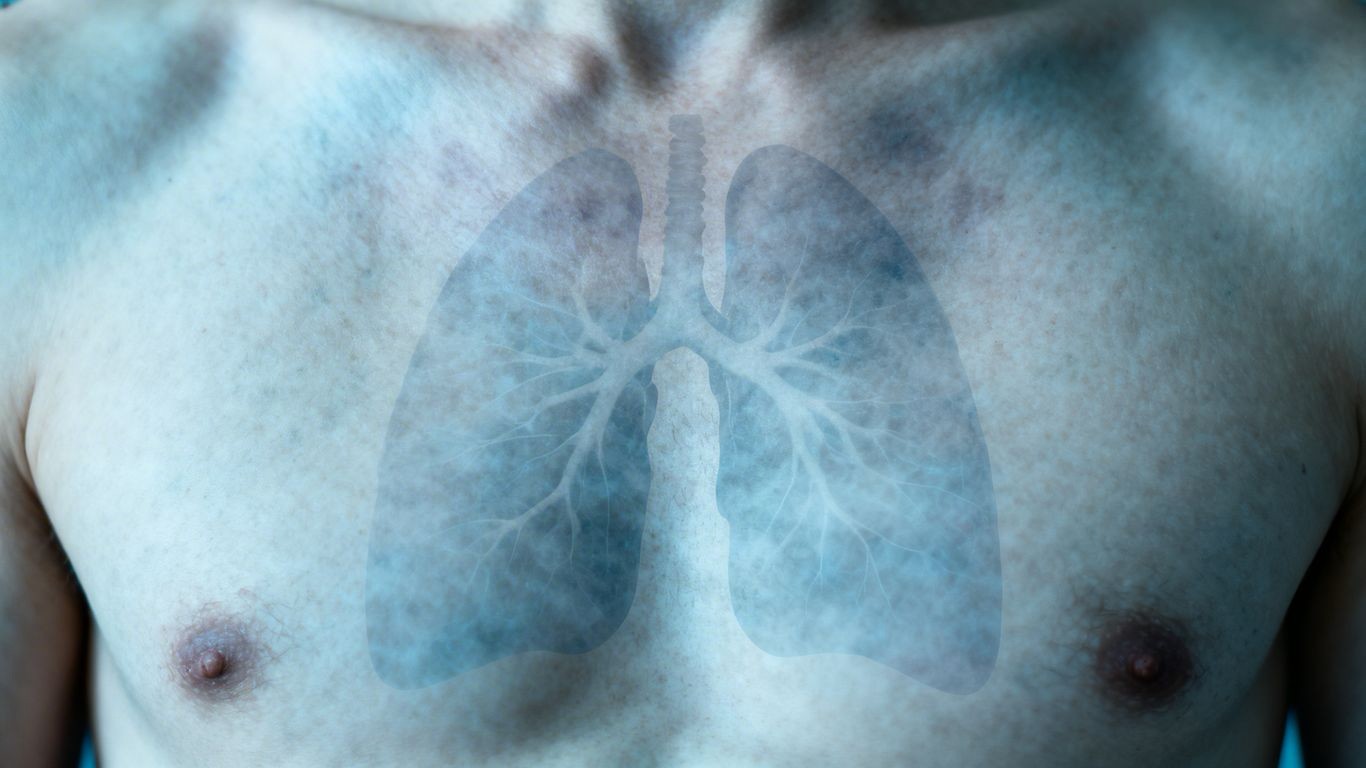

When asbestos fibers are inhaled, they can lodge themselves deep within the body, often in the lungs or the lining of the chest and abdomen. Because of their physical properties, these fibers can remain in the body for a very long time. This leads to a significant delay between the initial exposure and the development of any noticeable health problems, a period known as the latency period. This long delay is a defining characteristic of asbestos-related diseases.
The Asbestos Connection And Long Latency Period
Asbestos is a naturally occurring mineral that was widely used in construction and manufacturing for its heat-resistant properties. Unfortunately, its microscopic fibers can easily become airborne and, when inhaled, can cause serious damage over time. The connection between asbestos and diseases like mesothelioma is well-established, but it’s the extended timeframe that often makes diagnosis challenging. The fibers cause irritation and inflammation, which can slowly lead to cellular changes and eventually cancer. This process can take decades to unfold, making it difficult for individuals to connect their current health issues with past exposures, especially if those exposures occurred many years ago. Understanding this link is key to recognizing potential risks associated with past asbestos exposure.
Symptoms Can Remain Dormant For Decades
It’s not uncommon for individuals to have been exposed to asbestos and show no signs of illness for 20, 30, or even 50 years or more. During this time, the asbestos fibers are silently causing damage. The body’s natural healing processes may try to wall off the fibers, but this can lead to scarring and chronic inflammation, creating an environment where cancer cells can eventually develop. This long dormancy means that by the time symptoms appear, the disease may be quite advanced. This is why it’s so important for anyone with a history of asbestos exposure, even if it was brief or many years ago, to be aware of potential symptoms and to discuss their exposure history with a healthcare provider.
Asbestos Exposure And The Onset Of Disease
The onset of asbestos-related diseases isn’t solely determined by the initial exposure. Several factors can influence how long the latency period lasts and the severity of the resulting illness. These include:
- The amount of asbestos inhaled: Higher doses generally lead to a shorter latency period and more severe disease.
- The duration of exposure: Prolonged or repeated exposure increases the risk.
- The type and size of asbestos fibers: Different types of asbestos fibers may pose varying levels of risk.
- Individual health factors: Personal health, such as smoking habits or pre-existing lung conditions, can play a role.
- Genetic predispositions: Certain genetic factors might influence susceptibility.
Because of this complex interplay, the timeline for developing symptoms can vary significantly from person to person. This variability underscores the importance of a thorough medical evaluation if you have a history of asbestos exposure.
Recognizing Early Asbestos Cancer Symptoms
Shortness of Breath and Chest Pain
One of the initial indicators that might suggest an asbestos-related illness is a noticeable change in breathing. This can manifest as a feeling of breathlessness, even during light activity, or a persistent tightness and discomfort in the chest. These symptoms often arise because asbestos fibers can irritate and scar the lining of the lungs and chest cavity, known as the pleura. This irritation can lead to inflammation and fluid buildup, making it harder to breathe deeply. It’s important to pay attention to these changes, as they can be subtle at first but tend to worsen over time.
Persistent Cough and Hoarseness
A cough that doesn’t go away is another common early sign. It might start as a dry, hacking cough, but it can develop into a more severe, persistent one that produces mucus or even blood. This persistent cough is the body’s attempt to clear irritants from the airways, which have been damaged by asbestos exposure. Alongside a cough, individuals may experience hoarseness or a persistent sore throat. This can happen if the cancer affects the vocal cords or the surrounding tissues in the throat and chest area. These symptoms, especially when they occur together, warrant a closer look.
Unexplained Weight Loss and Appetite Changes
Significant and unintentional weight loss, coupled with a loss of appetite, can also be an early warning sign of asbestos-related cancers. When the body is fighting a serious illness like cancer, it can lead to metabolic changes that cause weight loss even without dieting or increased physical activity. A decreased appetite means less nutrient intake, which can further contribute to weakness and fatigue. If you notice a significant drop in your weight or a persistent lack of interest in food, and you have a history of asbestos exposure, it’s a good idea to consult a medical professional.
Symptoms Associated With Pleural Mesothelioma
Pleural mesothelioma, a cancer that develops in the lining of the lungs, often presents with symptoms that are centered around the chest area. Because asbestos fibers can travel to the pleura, this type of mesothelioma is the most common. It’s important to note that symptoms might not appear for many years after exposure, making early recognition challenging.
Chest Pain And Tightness
One of the more frequently reported signs of pleural mesothelioma is discomfort in the chest. This pain can range from a dull ache to a more intense, sharp sensation. It might feel like tightness or pressure, and its location can vary, sometimes extending to the lower back. The persistent nature of this pain is often what prompts individuals to seek medical advice.
Breathing Difficulties And Fluid Buildup
Difficulty breathing, or shortness of breath, is another common symptom. This can be caused by a buildup of fluid around the lungs, a condition known as pleural effusion. When fluid accumulates, it can put pressure on the lungs, making it harder to take a full breath. This fluid buildup is a significant indicator and is seen in a large percentage of pleural mesothelioma cases. You might also notice a persistent cough that doesn’t go away, which can sometimes be dry or produce phlegm.
Persistent Cough And Fatigue
Beyond the breathing issues, individuals may experience a persistent cough that seems to have no other cause, like a cold or flu. Alongside this, a general feeling of fatigue or extreme tiredness can set in. This isn’t just feeling a bit tired; it’s a profound lack of energy that can impact daily activities. Other signs that might accompany these include unexplained weight loss and sometimes hoarseness. Recognizing these signs, especially if you have a history of asbestos exposure, is key to seeking timely medical attention.
Symptoms Of Peritoneal Mesothelioma
Peritoneal mesothelioma, the second most common form of this cancer, affects the lining of the abdomen, known as the peritoneum. Because it impacts the abdominal cavity and the organs within it, the symptoms often relate to the digestive system and abdominal discomfort. It’s important to note that early signs can be subtle and may not be immediately recognized as related to asbestos exposure.
Abdominal Pain and Swelling
One of the most frequent indicators of peritoneal mesothelioma is a persistent ache or discomfort in the abdominal region. This pain might be accompanied by a noticeable swelling or distension of the abdomen. This swelling, sometimes referred to as ascites, is often caused by a buildup of fluid within the abdominal cavity. In some studies, a significant percentage of patients with peritoneal mesothelioma have reported experiencing abdominal distension, highlighting its commonality.
Nausea and Vomiting
As tumors grow and potentially obstruct the digestive tract, individuals may experience feelings of nausea. This can, in turn, lead to episodes of vomiting. These symptoms can be quite disruptive to daily life and may be mistaken for other gastrointestinal issues.
Unintentional Weight Loss
Another concerning symptom is unexplained weight loss. This can occur for several reasons related to the cancer. A loss of appetite is common, meaning individuals consume fewer calories. Additionally, the body may be using more energy to fight the disease, or the cancer itself might interfere with nutrient absorption. This combination can lead to a noticeable decrease in body weight without any deliberate effort to diet or exercise.
Other Potential Asbestos Cancer Symptoms
Fever and Night Sweats
Sometimes, asbestos-related cancers can manifest with systemic symptoms that might not immediately point to a specific disease. A persistent, unexplained fever, especially one that occurs primarily at night, can be a sign that the body is fighting an internal battle. These night sweats can be drenching and occur even when the room is cool. It’s not uncommon for individuals to dismiss these as a sign of a common infection, but when they persist without a clear cause, it warrants further investigation, particularly if there’s a history of asbestos exposure.
Difficulty Swallowing
When asbestos-related cancers, particularly mesothelioma, grow and spread, they can put pressure on or invade nearby structures in the chest and abdomen. This can lead to a sensation of food getting stuck in the throat or chest, a condition known as dysphagia. It might start as a mild discomfort when swallowing certain foods, like solids, and can progress to difficulty swallowing even liquids. This symptom can significantly impact nutrition and hydration, leading to unintended weight loss and general weakness.
Swelling of the Neck or Face
In some advanced cases of asbestos-related cancers, particularly those affecting the chest or lungs, there can be a blockage of major veins that return blood from the upper body to the heart. This blockage, often caused by a tumor pressing on the superior vena cava (SVC), can lead to swelling in the neck, face, and upper arms. This condition, known as Superior Vena Cava Syndrome (SVCS), is a serious sign that requires immediate medical attention. It can also be accompanied by a feeling of fullness in the head and shortness of breath.
When To Seek Medical Attention For Asbestos Concerns
Informing Your Doctor About Exposure History
If you have ever worked in an industry where asbestos was common, or if you suspect you may have been exposed in any other way, it is important to let your doctor know. This history is a key piece of information for them. Symptoms of asbestos-related diseases often take many years, even decades, to appear after the initial exposure. Because of this long delay, a doctor might not immediately connect current symptoms to past asbestos contact without being prompted. Openly discussing your potential exposure history allows your healthcare provider to consider asbestos-related conditions when evaluating your health.
Recognizing Overlapping Symptoms
Many symptoms associated with asbestos-related cancers, like persistent cough, shortness of breath, or unexplained weight loss, can also be signs of other, more common health issues. This overlap can make diagnosis tricky. However, if you have a known history of asbestos exposure, these seemingly common symptoms warrant closer investigation. It’s not about causing alarm, but about being thorough. Your doctor will look at the full picture, including your exposure timeline and the specific nature of your symptoms.
Prompt Consultation For Early Detection
When it comes to asbestos-related diseases, early detection can make a significant difference in treatment outcomes. If you are experiencing any of the symptoms discussed, especially if you have a history of asbestos exposure, seeking medical attention promptly is advisable. Consider the following steps:
- Communicate your exposure history: Clearly tell your doctor about any past contact with asbestos.
- Detail your symptoms: Note the specific symptoms you are experiencing, how long they have lasted, and how frequently they occur.
- Request appropriate evaluations: Ask your doctor about potential diagnostic tests, such as imaging scans or other screenings, that might be relevant given your history and symptoms.
Don’t hesitate to seek professional medical advice. Being proactive about your health is the most effective approach when dealing with potential asbestos-related concerns.