How Radiation Therapy Helps in Tumour Control
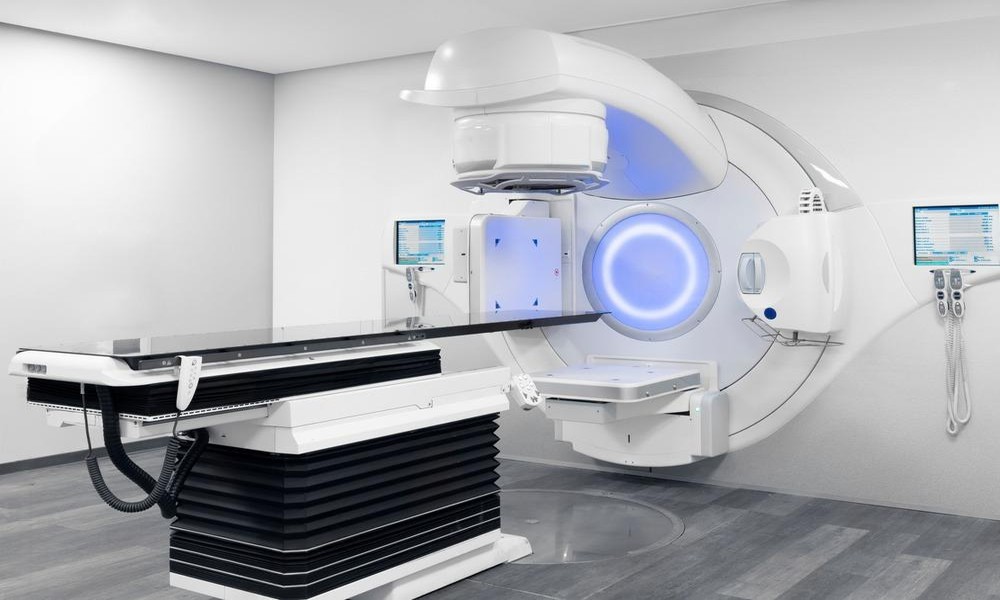

Cancer is a complex condition that requires precise and effective treatment to manage its growth. Among the available options, radiation therapy plays a crucial role in controlling tumours by targeting cancer cells at a cellular level. It can be used alongside surgery, chemotherapy, or as a stand-alone treatment, depending on the type and stage of cancer. Patients seeking advanced care often turn to a reputable cancer hospital in India, where modern radiation techniques and skilled oncology teams work together to improve outcomes and support quality of life. In this blog, we will explore how radiation therapy works, its benefits in tumour control, and what patients can expect throughout their treatment journey.
Understanding Radiation Therapy
Radiation therapy is a medical treatment that uses high-energy radiation to target and destroy cancer cells. Unlike surgery, which removes the tumour physically, radiation works at a microscopic level to damage the DNA of cancer cells. This prevents them from growing and dividing, ultimately reducing the size of the tumour.
Doctors tailor radiation therapy to each patient, taking into account the type of cancer, its location, and its stage. Modern techniques allow precise delivery of radiation to the affected area while minimising exposure to surrounding healthy tissues. This precision helps to reduce side effects and improve treatment effectiveness.
Radiation therapy can be used for various purposes. It may be given before surgery to shrink a tumour, after surgery to eliminate remaining cancer cells, or as a primary treatment when surgery is not an option. In all cases, the goal is to control the tumour’s growth and improve the patient’s prognosis.
Types of Radiation Therapy
Radiation therapy comes in several forms, each suited to specific types of cancer and patient needs.
External Beam Radiation Therapy (EBRT)
This is the most common form of radiation therapy. High-energy beams are directed at the tumour from outside the body. EBRT is highly precise, allowing oncologists to focus on the cancer cells while protecting healthy tissues.
Brachytherapy
Also known as internal radiation, brachytherapy involves placing a radiation source directly inside or next to the tumour. This method delivers a high dose to the cancer while reducing exposure to surrounding organs. It is often used for cancers of the cervix, prostate, or head and neck.
Stereotactic Radiotherapy and Radiosurgery
These are advanced techniques that deliver very precise, high-dose radiation to small or hard-to-reach tumours. They are typically used for brain tumours, lung cancers, and other localised cancers, and may involve fewer treatment sessions than conventional therapy.
How Radiation Controls Tumours
Radiation therapy does more than simply attack cancer cells. Its primary purpose is to control tumour growth, complement other treatments, and improve patient outcomes. Modern radiation techniques allow doctors to deliver energy precisely to the tumour, tailoring treatment to each patient’s specific condition.
Preventing Cancer Cell Division
Radiation works at the cellular level to damage the DNA of cancer cells. This prevents them from dividing and multiplying, gradually reducing the size of the tumour over time. Healthy cells are better able to repair themselves, which helps limit side effects.
Reducing Tumour Bulk
For larger tumours, radiation can shrink the mass, making it easier for surgeons to remove the tumour completely or for other treatments to be more effective. By reducing tumour size, patients often experience improved symptom management and better overall treatment outcomes.
Eliminating Microscopic Cells
Even after surgery, some cancer cells may remain undetected. Radiation targets these microscopic cells, lowering the risk of recurrence and supporting long-term disease control.
Managing Inoperable Tumours
In situations where surgery is not feasible, radiation can slow or stop tumour growth. This helps alleviate symptoms such as pain, bleeding, or obstruction, improving daily comfort and quality of life.
Enhancing Combination Therapy
Radiation therapy is often combined with other treatments like chemotherapy or immunotherapy. By weakening cancer cells, it increases the effectiveness of these therapies, providing a more comprehensive approach to treatment.
Supporting Patient Quality of Life
Controlling tumour growth with radiation therapy helps patients maintain organ function, reduce discomfort, and remain active during their treatment journey. This focus on symptom relief and functional support is a key aspect of holistic cancer care.
Benefits Beyond Tumour Control
Radiation therapy does more than shrink tumours and halt cancer growth. It also offers a range of benefits that enhance patients’ quality of life and support overall treatment goals. Key benefits include:
- Symptom Relief: Radiation can reduce pain, bleeding, or obstruction caused by tumours, helping patients feel more comfortable during treatment.
- Improved Function: By targeting tumours in critical areas, radiation helps maintain organ function and overall mobility.
- Adjunct to Other Treatments: Radiation often strengthens the effectiveness of chemotherapy, immunotherapy, or surgery, leading to better treatment outcomes.
- Minimising Recurrence: Postoperative radiation can destroy remaining cancer cells, lowering the chance of the tumour returning.
- Shorter Treatment Time with Advanced Techniques: Modern stereotactic and targeted radiation can reduce the number of sessions required, easing the burden on patients.
- Psychological Support: Knowing that the tumour is being actively controlled can help reduce anxiety and provide patients with a sense of empowerment in their care journey.
Managing Side Effects
While radiation therapy is precise, it can still affect healthy tissues near the treatment area. Understanding potential side effects and how to manage them is important for patient comfort and safety.
Common side effects may include:
- Skin changes – Redness, dryness, or irritation in the treated area, similar to a mild sunburn.
- Fatigue – A feeling of tiredness that can accumulate over the course of treatment.
- Digestive issues – Depending on the tumour location, patients may experience nausea, diarrhoea, or loss of appetite.
- Hair loss – Occurs only in the area being treated, such as the scalp for brain tumours.
- Swelling or inflammation – Localised swelling may occur around the treatment site.
Practical strategies to manage side effects:
- Skin care – Use gentle, unscented moisturisers and avoid tight clothing on the treated area.
- Rest and nutrition – Balance rest with light activity and maintain a nutritious diet to combat fatigue.
- Hydration – Drink plenty of fluids to support overall health and reduce digestive discomfort.
- Follow medical advice – Regularly consult your oncology team to address side effects promptly and adjust treatment if necessary.
- Support services – Access counselling, support groups, or physiotherapy as recommended by the hospital.
Conclusion
Radiation therapy is a powerful cancer treatment technique, providing precise tumour control, symptom relief, and support for other treatments. Beyond reducing tumour growth, it helps patients maintain quality of life and stay active during their treatment journey. For those seeking advanced care and personalised treatment plans, consulting a reputable cancer hospital in India can make a significant difference. Skilled oncology teams, modern radiation technology, and comprehensive patient support work together to improve outcomes and ensure comfort throughout the therapy process.
Frequently Asked Questions
1. What is radiation therapy?
Radiation therapy is a treatment that uses high-energy radiation to target and destroy cancer cells. It works at a cellular level to prevent cancer cells from growing and dividing, while minimising damage to healthy tissue.
2. How does radiation therapy control tumours?
Radiation damages the DNA of cancer cells, stopping them from multiplying. It can shrink tumours, eliminate microscopic cancer cells after surgery, and slow or stop the growth of inoperable tumours.
3. Are there different types of radiation therapy?
Yes. Common types include:
- External beam radiation therapy (EBRT) – Delivers radiation from outside the body.
- Brachytherapy – Internal radiation placed near or inside the tumour.
- Stereotactic radiotherapy – Highly precise, high-dose radiation for small or difficult-to-reach tumours.
4. Can radiation therapy be combined with other treatments?
Yes. Radiation is often used alongside surgery, chemotherapy, or immunotherapy. Combining treatments can improve outcomes by making cancer cells more sensitive to therapy.
5. What are the common side effects of radiation therapy?
Side effects depend on the treatment area and type, but may include fatigue, skin irritation, digestive issues, hair loss in treated areas, and local swelling. Most side effects are temporary and manageable with proper care.
6. How can patients manage side effects?
Patients can manage side effects by following medical advice, using gentle skincare, maintaining hydration and nutrition, resting adequately, and accessing support services such as counselling or physiotherapy.
7. How do I know if radiation therapy is suitable for me?
The suitability of radiation therapy depends on your type and stage of cancer, overall health, and treatment goals. Consulting a reputable cancer hospital in India or an oncology specialist can help determine the best approach.