Invisalign for Adults: The 2026 Process and Outcomes
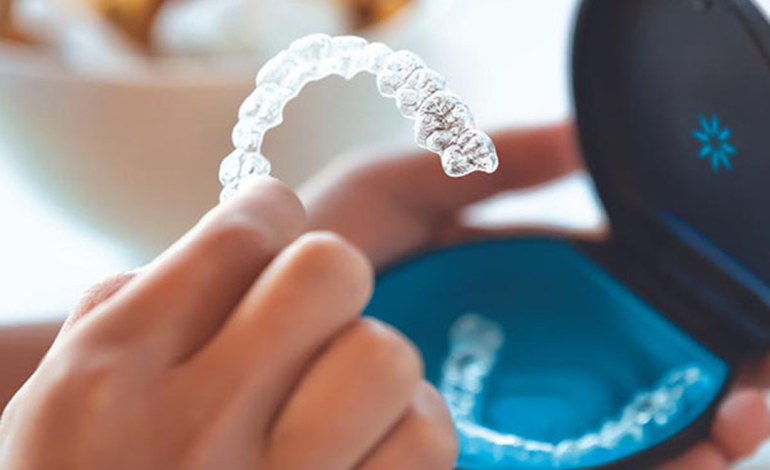

This detailed guide examines a modern orthodontic solution tailored for adult patients. It centres on a system of clear, removable aligners that provide a discreet path to a straighter smile.
Many people desire an effective treatment that does not disrupt their daily appearance. This option represents a transformative step forward, offering a nearly invisible alternative to conventional braces.
Banning Skin Ltd, operating through its clinical division Banning Dental, delivers this specialised care. Their practitioners use custom 3D digital scans to map out a precise, personalised treatment plan.
Readers will be walked through the complete journey from assessment to final outcome. The resource sets realistic expectations regarding timeline, efficacy, and the steps involved.
The plastic aligners apply gentle, controlled force to shift teeth gradually. A unique advantage is the ability to preview your projected new smile before the course begins.
Key Takeaways
- This resource offers a complete overview of a contemporary clear aligner system for adults.
- The treatment involves wearing a series of custom-made, transparent trays.
- Treatment duration is individualised, typically spanning 12 to 18 months.
- Advanced digital planning allows patients to see their anticipated results in advance.
- Banning Dental, under Banning Skin Ltd, provides expert clinical management.
- The entire process is designed to be unobtrusive and adaptable to a busy lifestyle.
- Following the active phase, a retention period is essential to maintain the new alignment.
Understanding Invisalign: A Modern Method for Adults
For many adults, achieving a straighter smile no longer requires visible metalwork. Contemporary orthodontics utilises clear, removable aligners. These custom-made trays apply gentle pressure to guide teeth into place.
Benefits of Clear Aligners
The primary benefit is discretion. The transparent material is nearly invisible during wear. This allows patients to undergo treatment without self-consciousness.
Another key advantage is removability. Users can take the aligners out to eat, drink, and clean their teeth. This supports better oral hygiene and offers flexibility for special occasions.
How Invisalign Compares to Traditional Braces
This method differs significantly from conventional fixed appliances. The table below highlights key contrasts:
| Feature | Clear Aligners | Traditional Braces |
|---|---|---|
| Appearance | Virtually invisible | Visible metal brackets and wires |
| Removability | Yes, for eating and cleaning | No, fixed in place |
| Comfort | Smooth plastic, less irritation | Can cause abrasions to cheeks |
| Typical Cases | Mild to moderate alignment issues | All complexities, including severe |
For mild to moderate issues like crowding or spacing, clear aligners offer comparable results. Traditional metal braces remain the gold standard for more complex corrections.
The treatment addresses common concerns such as overbites and crossbites. It provides a versatile, patient-centred solution.
Invisalign for Adults: Process Timeline and Results in 2026
Understanding the duration and stages of orthodontic treatment helps set realistic expectations. The active phase for moderate cases often spans 12 to 18 months. This period is frequently shorter than with traditional fixed appliances.
Each person’s journey is unique. The extent of correction required directly influences the overall treatment time.
Previewing Your Future Smile with Digital Scans
Modern care begins with advanced 3D imaging. These digital scans map the mouth with high precision. They replace old-fashioned putty impressions.
This technology allows patients to see a virtual preview of their projected smile. The computer simulation shows how teeth will move at each stage. It provides a clear vision of the final results before starting.
| Case Complexity | Typical Duration | Key Notes |
|---|---|---|
| Mild (minor spacing) | 6 to 9 months | For slight crowding or small gaps. |
| Moderate | 12 to 18 months | Covers most common alignment issues. |
| Complex (bite corrections) | 18 to 24+ months | Addresses overbites, underbites, and crossbites. |
| Invisalign Lite | 3 to 7 months | Designed for minor, cosmetic refinements only. |
Many people begin to see changes within the first few weeks. Minor crowding cases often show visible improvement within two months.
Final outcomes depend heavily on patient compliance. Wearing aligners for 20-22 hours daily is crucial. After active treatment, a retention phase maintains the new smile.
Step-by-Step Guide to Starting Your Invisalign Journey
This guide outlines the initial, structured pathway for adults considering clear aligner therapy. The first phase focuses on assessment and customised planning.
Scheduling Your Consultation
The first practical step is to book a consultation with a certified provider. This appointment serves as a comprehensive evaluation.
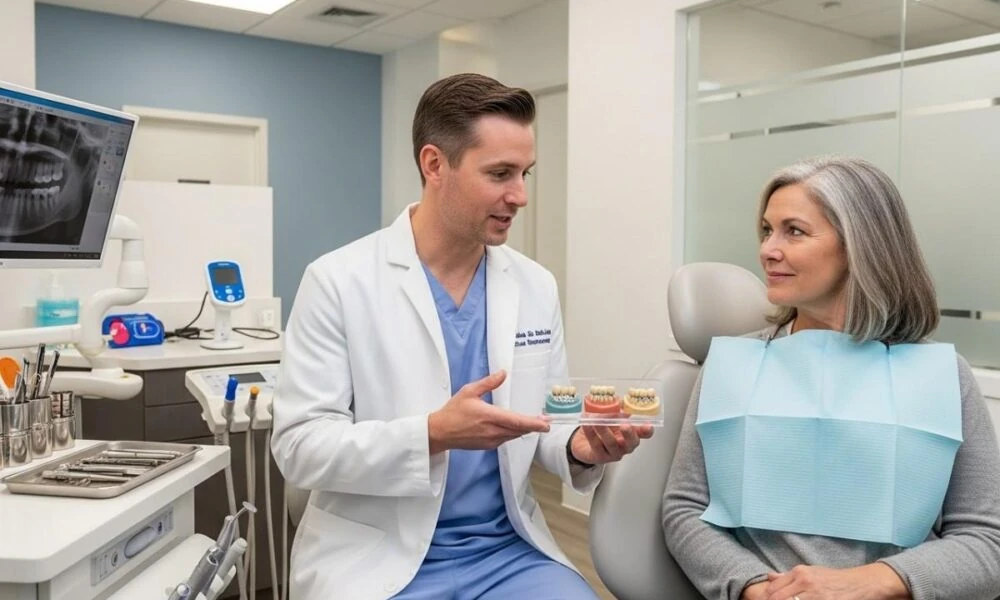
During the session, the clinician examines your teeth and bite. They discuss your aesthetic goals and overall oral health. This determines if clear aligners are the right choice for your specific needs.
This meeting is also a prime opportunity for you to ask questions. You can clarify details about the process, timeline, and financial investment. Feeling fully informed before committing is crucial.
Digital Scanning and Custom Treatment Planning
If you proceed, the next stage involves advanced digital mapping. A comfortable 3D intraoral scan captures precise measurements of your teeth. This technology has replaced messy traditional impressions.
Using this scan, your clinician creates a detailed virtual treatment plan. You will see a preview of how your teeth are projected to move at each stage. This visualisation shows the anticipated final outcome before you begin.
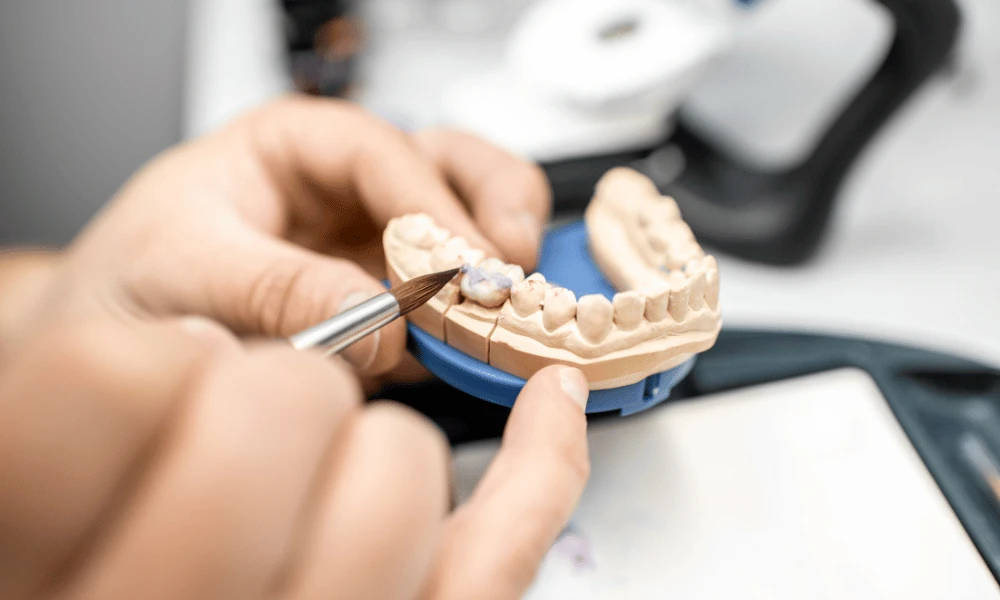
Once the plan is approved, your series of custom aligners is manufactured. Each transparent tray is made specifically for your teeth to create precise, gentle movements. Receiving your first sets typically marks the official start of your active treatment journey.
Treatment Details and Expected Outcomes
The success of orthodontic correction hinges on two distinct phases: active treatment and retention. Understanding both is crucial for achieving lasting results.
Active Treatment Phase Explained
During the active phase, patients must wear their clear aligners for 20 to 22 hours daily. They should only remove them for eating, drinking anything besides water, and oral hygiene.
Each set of aligners is typically worn for one to two weeks. A new set applies gentle pressure to guide teeth into the next planned position.
This pressure, often felt as tightness for a day or two, is a normal sign the aligners are working. Consistent wear is essential; reducing hours can extend the timeline and compromise outcomes.
Retention and Follow-Up Care
After active treatment, the retention phase begins. Teeth have a natural tendency to shift back. Wearing retainers prevents this movement.
A typical retention schedule includes:
- Full-time wear (20-22 hours daily) for the first 3 to 6 months.
- Transitioning to nighttime-only wear after six months.
- Continuing indefinite nighttime wear to maintain the new tooth position.
This follow-up care is non-negotiable for preserving the investment and final results.
Key Factors Influencing Your Invisalign Treatment Time
The length of a clear aligner course is not a fixed period but a personalised timeline shaped by several variables. Understanding these elements helps patients set realistic expectations for their orthodontic journey.
Case Complexity and Consistent Wear
The primary determinant of treatment time is the complexity of the individual case. Mild corrections, such as minor spacing or slight crowding, often achieve their goal within 6 to 9 months.
More significant alignment issues typically require 12 to 18 months. Complex cases involving severe crowding or bite corrections may need 18 to 24 months or longer.
Patient compliance is perhaps the most controllable factor. Diligent wear for the recommended 20 to 22 hours daily is essential for efficient progress.
Inconsistent wear can significantly extend the treatment time. Teeth require constant gentle pressure to move as planned.
Other elements can also influence duration. These include a person’s age, their unique biological response, and whether mid-course refinements are necessary.
To help minimise your overall treatment time, focus on excellent compliance with wear schedules. Attend all scheduled check-ups and communicate promptly with your clinician about any concerns.
Maintaining Your New Smile with Regular Check-Ups
Regular monitoring is a cornerstone of successful clear aligner therapy. Scheduled professional reviews ensure the course stays on track and delivers the anticipated outcome.
These visits are typically brief, often taking less than half an hour. They are designed to fit seamlessly into a busy adult schedule.
Importance of Routine Appointments
Progress appointments occur every four to six weeks. Their primary role is to verify that tooth movement aligns with the digital treatment plan.
The clinician performs a visual assessment during each check-up. They check the fit of the current aligners and discuss any patient concerns.
This regular oversight allows for early identification of any tracking issues. If teeth are not moving as predicted, small refinements can be made promptly.
Such timely adjustments prevent significant delays. They help keep the overall treatment timeline efficient.
| Feature | Clear Aligner Appointments | Traditional Brace Adjustments |
|---|---|---|
| Frequency | Every 4-6 weeks | Every 3-4 weeks |
| Typical Duration | 20-30 minutes | 30-45 minutes |
| Primary Purpose | Progress check & aligner distribution | Wire tightening & bracket adjustment |
| Invasiveness | Minimal, non-invasive | More involved, can cause discomfort |
Patients receive their next series of aligners at these sessions. Consistent attendance is therefore vital for uninterrupted progress.
The entire process is streamlined for convenience. It supports a smooth journey towards a beautifully aligned smile.
Aligner Care and Oral Hygiene Tips
The removable nature of clear aligners offers convenience but demands disciplined daily routines. Proper care ensures the aligners remain clear, effective, and hygienic throughout the treatment.
Cleaning and Storing Your Aligners
Patients must remove their aligners before every meal and snack. This allows them to eat without restrictions.
They should also take them out for coffee, tea, or coloured sodas. These drinks can stain the plastic and trap sugar against the teeth, raising cavity risk. Water is fine to drink with aligners in.
A thorough cleaning routine is essential each day. Follow these steps after eating:
| Task | Guideline | Key Reason |
|---|---|---|
| Clean Teeth | Remove aligners, brush thoroughly with fluoride toothpaste, and floss. | Prevents plaque build-up under the aligner. |
| Clean Aligners | Rinse with lukewarm water. Gently brush with a soft toothbrush and clear soap. | Removes debris and prevents odours without scratching. |
| Storage | Always place clean aligners in their protective case when not worn. | Prevents loss, damage, and contamination. |
This routine should happen at minimum morning and night.
Expert Advice from Banning Dental
Clinicians at Banning Dental emphasise that care is as crucial as wear time. Wearing aligners for 20-22 hours a day is vital, but so is keeping them clean.
They advise against using toothpaste to scrub the trays, as it can be abrasive. Consistent hygiene protects both the teeth and the investment in a straighter smile.
Comparing Invisalign with Traditional Braces
The choice between contemporary clear aligner systems and traditional bracket-and-wire orthodontics involves several practical considerations. Both approaches effectively straighten teeth, but they differ significantly in their application and patient experience.
Aesthetic and Comfort Considerations
Invisalign aligners are virtually invisible when worn. They are crafted from smooth plastic without sharp edges. This design minimises irritation to cheeks and lips.
Traditional metal braces feature visible brackets and wires. These fixed components can sometimes cause soft tissue discomfort. The aesthetic contrast between these options is often a deciding factor for adults.
A key advantage of clear aligners is their removability. Patients take them out to eat and clean their teeth. This eliminates food restrictions and simplifies oral hygiene routines.
| Aspect | Invisalign | Traditional Braces |
|---|---|---|
| Appearance | Nearly invisible | Visible metal components |
| Removability | Yes, for eating & cleaning | No, fixed until treatment ends |
| Comfort | Smooth plastic, less irritation | Can cause cheek abrasions |
| Food Restrictions | None (aligners removed) | Avoid hard, sticky foods |
| Oral Hygiene | Brush and floss normally | Special cleaning around brackets |
| Typical Duration | 12-18 months | 18-36 months |
Flexible Treatment Options for Various Cases
Clear aligner systems excel at addressing mild to moderate orthodontic issues. These include common problems like dental crowding, spacing, and minor bite corrections.
Traditional braces remain the preferred solution for more complex cases. Severe bite issues, significant tooth rotations, or situations requiring extractions often achieve optimal results with fixed appliances. The greater mechanical control of metal braces facilitates these substantial movements.
An experienced clinician can assess which approach suits a specific case best. Professional guidance ensures the selected treatment delivers the desired outcome efficiently.
Integrating Professional Expertise from Banning Skin Ltd and Banning Dental
Not all providers of discreet orthodontic solutions possess the same level of skill or utilise comparable technology. The choice of clinician is a pivotal factor influencing the entire experience and final outcome.
An experienced practitioner brings invaluable insight to complex cases. They can anticipate tooth movement and navigate potential challenges effectively.
This expertise is a hallmark of Banning Dental, the clinical division of Banning Skin Ltd. Their focus on advanced aesthetic treatments ensures a high standard of care for clear aligner therapy.
Choosing the Right Provider for Your Needs
Selecting a suitable provider requires careful evaluation of several key criteria. Adults should look beyond basic certification.
The initial consultation offers a vital opportunity for assessment. Patients should gauge how thoroughly their needs are discussed and how clearly the proposed treatment is explained.
“The right provider doesn’t just deliver a product; they deliver a predictable, well-managed journey towards your goals.”
Critical factors for consideration are detailed in the table below. This analysis helps match individual patient requirements with a practitioner’s capabilities.
| Factor | What to Look For | Why It Matters |
|---|---|---|
| Experience & Certification | High-level Invisalign certification and a portfolio of completed cases. | Indicates proven skill in planning and managing diverse treatment needs. |
| Technology | Use of modern 3D scanners and digital treatment planning software. | Enhances precision and allows visualisation of predicted results before starting. |
| Patient Reviews | Consistent positive testimonials and visible before-and-after photos. | Provides real-world evidence of satisfaction and successful outcomes. |
| Communication Style | A clinician who listens attentively and explains concepts clearly. | Builds trust and ensures you are fully informed throughout your treatment. |
| Practice Convenience | Accessible location, flexible hours, and efficient appointment scheduling. | Supports consistent attendance at progress checks, which is crucial for success. |
The final decision is personal. It balances professional qualifications with comfort and practical logistics.
Conclusion
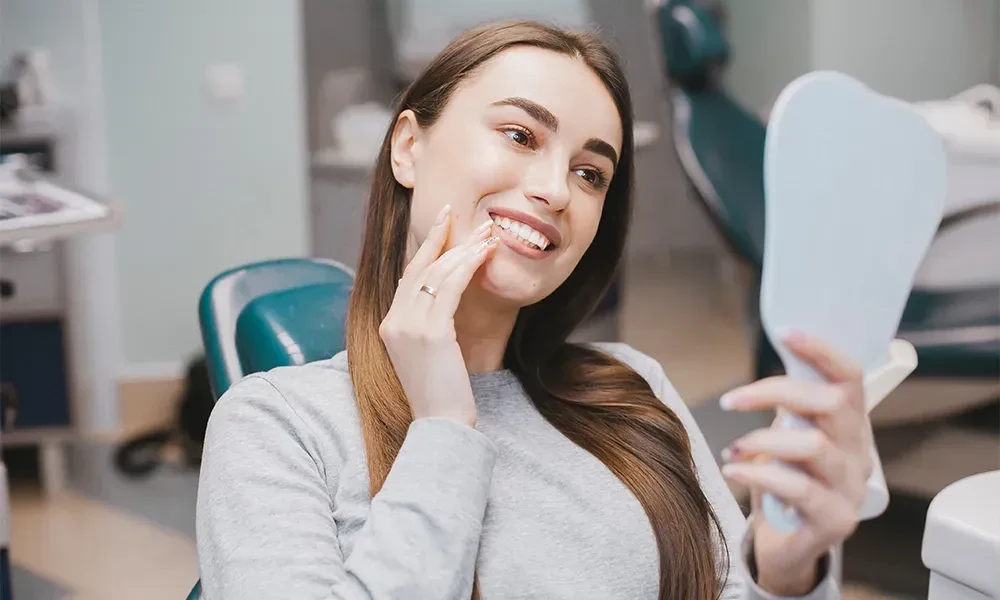
Modern clear aligner therapy has revolutionised how adults approach dental alignment, blending discretion with efficacy. This comprehensive guide has shown it offers a predictable path to a straighter smile, tailored to individual needs.
The typical timeline spans 12 to 18 months, with mild cases often completing sooner. Success hinges on wearing aligners for 20-22 hours a day and attending regular progress checks.
Visible results can appear within weeks, motivating people throughout their journey. Choosing an expert provider ensures a custom plan for your specific case.
Taking the first step to straighten your teeth is straightforward. Schedule a consultation to preview your new smile and begin a transformative movement towards lasting results.