TMVR vs Mitral Valve Repair: Understanding Treatment Options for Mitral Valve Disease
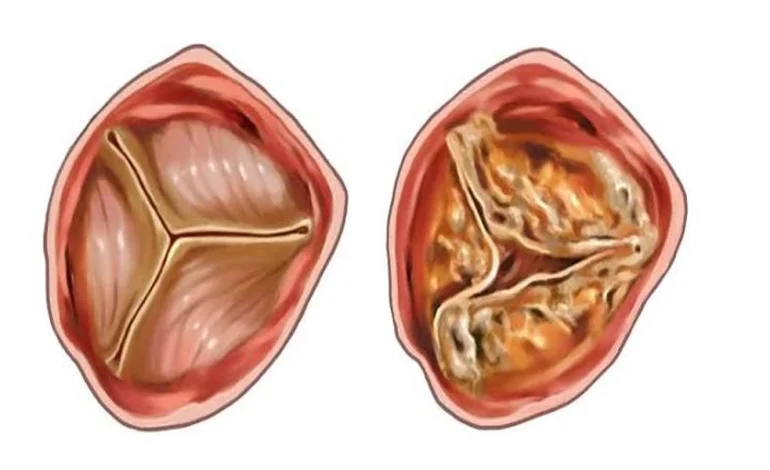

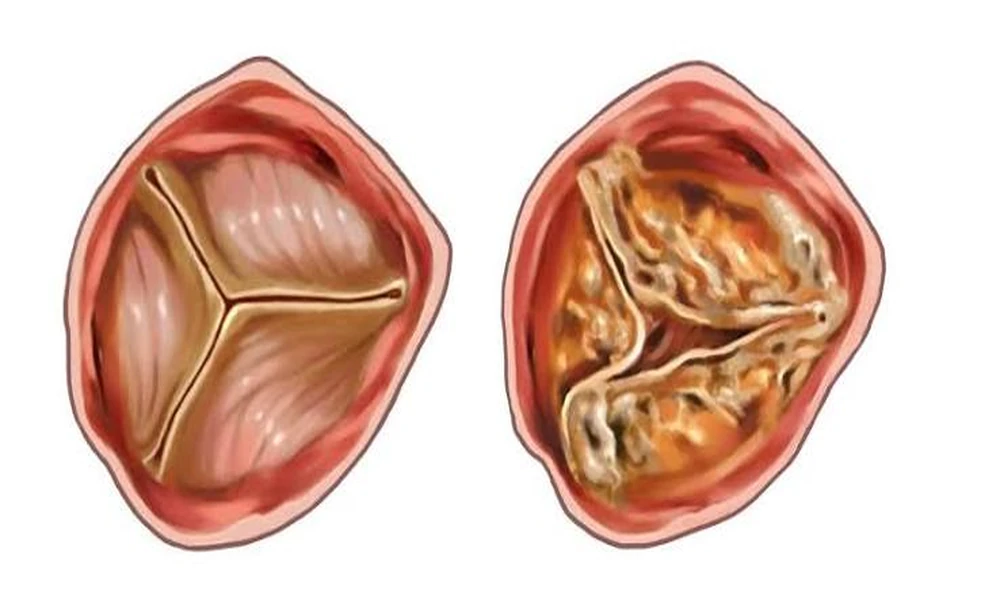
Mitral valve disease does not have one universal treatment. A leaking or narrowed mitral valve may be treated with medicines, surgical repair, surgical replacement or, in selected high-risk patients, transcatheter procedures. The right strategy depends on why the valve is abnormal, how severe the problem is, the patient’s symptoms, anatomy and overall surgical risk.
The terminology can also be confusing. TMVR is commonly used in medical literature to mean transcatheter mitral valve replacement. Catheter-based mitral repair, such as transcatheter edge-to-edge repair with a clip, is a different procedure. Understanding that distinction helps patients ask better questions when discussing treatment.
What Is Mitral Valve Repair?
Mitral valve repair aims to preserve the patient’s own valve. During surgical repair, the surgeon may reshape damaged leaflet tissue, repair or replace supporting chordae, and place an annuloplasty ring to restore the valve’s shape.
Repair is particularly important in many patients with degenerative primary mitral regurgitation when a durable repair can be achieved by an experienced surgical team.
The advantage is that the native valve is preserved rather than replaced. When repair is technically successful and durable, it can provide excellent valve function without the need for a prosthetic mitral valve.
What Is Transcatheter Mitral Valve Replacement?
Transcatheter mitral valve replacement places a prosthetic valve inside the mitral position using a catheter-based approach rather than conventional open-heart surgery.
Unlike TEER, which clips the native leaflets together, replacement creates a new valve mechanism. Depending on the clinical situation, transcatheter replacement may be considered in patients with a failing surgical bioprosthetic valve, a previous annuloplasty ring, severe mitral annular calcification or selected native-valve disease.
The anatomy of the mitral valve is more complex than the aortic valve, which makes transcatheter replacement technically demanding.
How Is TEER Different?
TEER is a catheter-based repair procedure. A device such as MitraClip grasps the mitral leaflets and brings them closer together to reduce regurgitation.
A TEER procedure can be an important option for selected patients with severe mitral regurgitation, particularly when surgery carries high risk or when appropriately selected secondary regurgitation persists despite guideline-directed heart-failure therapy.
TEER and TMVR should not be treated as interchangeable. One repairs the native valve, while the other replaces valve function with a prosthesis.
Why Is Surgical Repair Often Preferred When Possible?
For suitable patients with primary degenerative mitral regurgitation, expert surgical repair can address the underlying structural problem directly.
The surgeon can see the valve, correct multiple areas of prolapse, reconstruct supporting structures and reshape the annulus. This makes surgery particularly valuable when the anatomy is complex but repairable.
Surgery is also useful when the patient needs another operation at the same time, such as coronary bypass surgery or treatment of another valve.
Who Might Be Considered for a Transcatheter Approach?
Transcatheter treatment becomes especially relevant when conventional surgery carries substantial risk because of advanced age, frailty, previous heart operations or serious medical conditions.
A patient may also have anatomy that makes one catheter strategy more suitable than another. For example, some valves are favourable for TEER, while others may have leaflet or annular features that make clipping difficult.
For selected patients with a failing surgical bioprosthetic valve, valve-in-valve transcatheter treatment can sometimes avoid repeat open-heart surgery.
Why CT and Echocardiography Matter
Mitral intervention requires detailed imaging. Echocardiography explains the mechanism and severity of regurgitation, leaflet motion, valve area and ventricular function.
CT imaging becomes particularly important when transcatheter replacement is being considered. The team evaluates the mitral annulus, calcium, surrounding structures and the relationship between a proposed new valve and the left ventricular outflow tract.
One major concern with transcatheter mitral replacement is obstruction of the outflow tract from the left ventricle. Careful CT simulation helps estimate this risk before treatment.
Patients exploring a TMVR procedure should therefore expect more than a routine echocardiogram before a decision is made.
What Are the Recovery Differences?
Catheter-based procedures generally avoid the sternotomy used in conventional surgery and may allow earlier mobilisation and a shorter physical recovery for appropriately selected patients.
Surgical repair requires recovery from a major operation, but it may offer a more complete and durable correction for certain valve problems.
Recovery time should therefore be considered alongside expected valve performance, procedural risk and long-term treatment options.
What Risks Are Considered?
Surgical treatment carries risks associated with major cardiac surgery, including bleeding, infection, stroke, kidney injury and rhythm disturbances.
Transcatheter procedures have different risks, including vascular complications, bleeding, stroke, residual regurgitation, device-related problems and, for replacement procedures, obstruction of the left ventricular outflow tract or valve thrombosis.
The relevant risks vary considerably from patient to patient.
Why a Heart Valve Centre Matters
Complex mitral disease often requires input from cardiac surgery, interventional cardiology, advanced imaging and heart-failure specialists.
A dedicated heart valve clinic in Mumbai can compare repair, replacement, TEER and medical treatment rather than forcing every patient into one procedural pathway.
The Bottom Line
Mitral valve repair and transcatheter mitral valve replacement solve different problems. Surgical repair preserves and reconstructs the patient’s own valve, while TMVR uses a catheter-delivered prosthetic valve to replace valve function in selected patients.
TEER adds another option by repairing the valve through a catheter without replacing it. The best choice depends on the mechanism of disease, anatomy, surgical risk, other cardiac conditions and lifetime treatment goals.
For patients with complex mitral valve disease, detailed echocardiography, CT planning and a multidisciplinary Heart Team are essential to determine whether repair, replacement or another strategy is most likely to provide durable clinical benefit.