Why a Hair Transplant in Turkey Costs 70% Less Than the US or UK
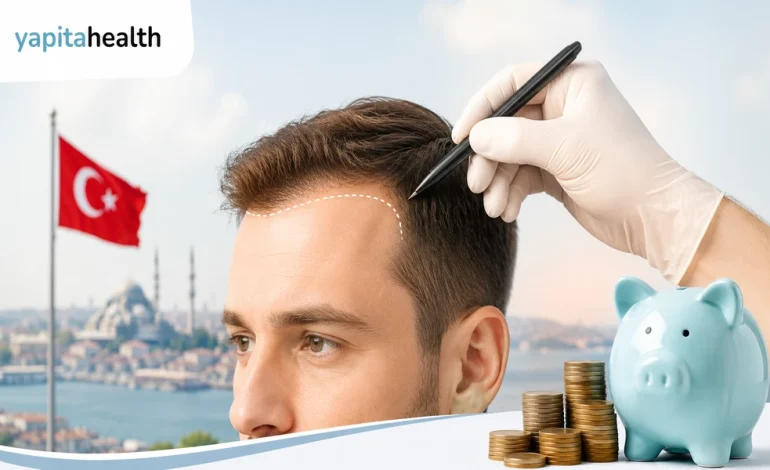

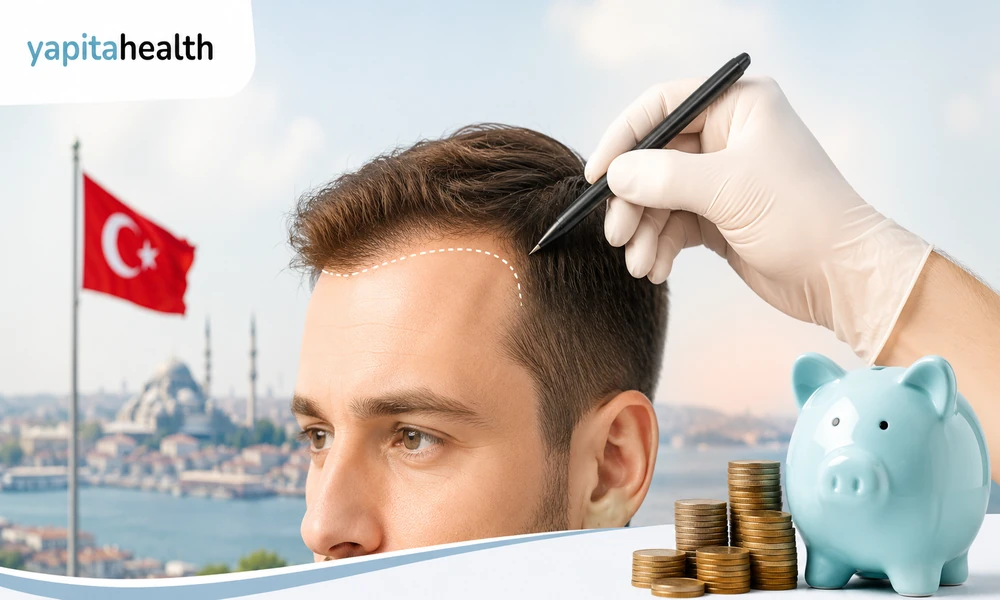
For many people considering hair restoration, the biggest surprise is not the procedure itself but the enormous difference in price between countries. A treatment that may cost well into five figures in the United States or United Kingdom can often be available in Turkey for a fraction of that amount.
The short answer is that Turkey’s lower prices are largely driven by economics, competition, and the structure of its medical tourism industry. Understanding the hair transplant cost in Turkey can help patients get a clearer idea of what they may pay and what factors influence the final price. A hair transplant in Turkey is not necessarily cheaper because the procedure is inferior. However, patients still need to distinguish between reputable clinics and businesses competing primarily on price.
The Cost Difference Is Real, but Comparisons Must Be Fair
Hair transplantation in the US and UK is often priced according to the number of grafts required. The greater the area of hair loss, the more grafts are needed and the higher the final bill becomes.
In Turkey, many clinics use a fixed package model. A standard FUE or DHI procedure may be quoted as one comprehensive price, sometimes covering accommodation, transfers, medication, and other services.
The exact cost depends on the clinic, technique, graft requirement, and surgeon’s involvement. However, compared with the US and UK, the overall difference can approach 70% in some cases.
Comparative Look at Average Costs: City-wise Comparison
Prices can also vary between Turkish cities. Istanbul, as the country’s leading medical tourism hub, offers the widest range of clinics and prices. The following figures provide a useful indication of average treatment costs:
| Cities | Average Cost Range ($) |
|---|---|
| Istanbul | $1,100 – $4,500 |
| Izmir | $1,200 – $3,500 |
| Ankara | $1,300 – $3,800 |
| Antalya | $1,200 – $3,700 |
| Bursa | $1,200 – $3,200 |
Patients should remember that the cheapest quote is not always the best option. The surgeon’s experience, clinic standards, technique used, graft planning, and level of aftercare can all influence the final value of treatment.
Lower Operating Costs Change the Economics
One of the most significant reasons for Turkey’s price advantage is the lower cost of running a medical practice.
Clinic rents, staffing costs, administrative expenses, and certain overheads are generally lower than those in major cities such as London, New York, or Los Angeles. Western clinics may also face substantially higher professional insurance, property costs, and employment expenses.
These financial realities influence the price of almost every private medical procedure.
This does not mean that every Turkish clinic is inexpensive or that every low-cost clinic offers the same standard of care. Premium clinics with highly experienced surgeons can still charge considerably more. The key point is that a clinic can operate at a lower price point without automatically compromising its profitability.
High Procedure Volume Creates Economies of Scale
Turkey has spent years developing a highly specialised hair restoration industry. Istanbul, in particular, has become a major destination for international patients seeking FUE and DHI procedures.
When clinics perform these procedures regularly, they can develop dedicated teams and efficient systems for consultation, surgery, patient coordination, and follow-up. High patient volume can improve operational efficiency and allow clinics to purchase equipment and supplies at more competitive rates.
However, high volume should never be confused with quality. A clinic’s daily patient capacity can become a concern if it exceeds the level of direct medical supervision available.
Package Pricing Can Make Turkey More Affordable
Another important factor is the way services are packaged.
A Turkish treatment package may include the procedure, accommodation, airport transfers, medication, and an aftercare kit. In the US or UK, some of these services may be charged separately.
Therefore, patients should compare the total expected cost rather than simply placing two headline prices side by side.
Before travelling, ask for a written breakdown confirming what is included. Important details include consultation fees, blood tests, medication, hotel stays, transfers, additional graft charges, and follow-up care.
The Currency Advantage Matters
International patients paying in US dollars or British pounds may benefit from the relative cost structure of the Turkish market.
Currency fluctuations can affect prices, but the broader advantage comes from differences in purchasing power and local operating costs. A procedure priced competitively in Turkey may therefore remain considerably more affordable for someone paying in a stronger foreign currency.
This is one reason Turkey has remained attractive to international patients even as global travel costs have increased.
Medical Tourism Infrastructure Reduces Patient Costs
Turkey’s hair restoration sector has adapted specifically to international patients. Many clinics have English-speaking coordinators, dedicated transport, hotel partnerships, and streamlined scheduling.
Instead of organising every part of the trip independently, patients may receive a coordinated treatment plan that simplifies logistics and reduces administrative complexity.
For international patients, Yapita Health helps patients explore treatment options and compare the services included in different hair transplant packages.
Cheaper Does Not Mean Risk-Free
A hair transplant is still a medical procedure, regardless of where it is performed.
Patients should ask who performs the consultation, designs the hairline, extracts the grafts, creates recipient sites, and oversees the surgery. They should also request information about the medical professional’s qualifications and experience.
Be cautious about unrealistic promises, “unlimited graft” claims, or prices that appear implausibly low. Poor donor management or an unnatural hairline can create problems that may be difficult and expensive to correct later.
The Bottom Line
Turkey’s lower hair restoration prices are primarily the result of lower operating costs, high procedure volumes, specialised infrastructure, package pricing, and a competitive medical tourism market. These factors can make treatment significantly less expensive than in the US or UK without automatically determining clinical quality.
The goal should not be to find the cheapest possible procedure. It should be to find the best value: an appropriately qualified medical team, realistic planning, clear communication, responsible graft management, and reliable aftercare.
The potential savings can be substantial, but informed decision-making is what ultimately determines whether the journey represents genuine value.