Cold-induced anaphylaxis is a rare allergy. It happens when the body reacts to cold. Cold air or cold water can trigger it. The reaction can be fast and severe. Some people only get skin rashes. But some get serious full-body symptoms. These can include swelling, hives, or breathing trouble. This condition is more than just feeling cold. It is not like frostbite or dry skin.
The immune system sees cold as harmful. It treats it like a virus or toxin. The body then fights the cold with strong chemicals. These chemicals cause allergic symptoms. Most people do not know about this allergy. It often goes undiagnosed for years. People may think it is just sensitive skin. But this is much more dangerous. Cold-induced anaphylaxis is not common. Many doctors still study its causes. They want to understand why cold starts this reaction. But what is the rarest allergy? Let us discuss.
Symptoms That You Should Not Ignore
Symptoms often begin quickly after cold exposure. The skin can turn red or swollen. Some people get large itchy hives. Others feel lightheaded or dizzy. A runny nose is not the issue here. This is not a winter cold or flu. This reaction can affect breathing and blood pressure. In severe cases, the throat swells. The chest gets tight. A person may feel they cannot breathe. This is a medical emergency. The heart may beat very fast or slow. Some people pass out. Others may vomit or feel very confused.
Who Can Be Affected by It
Anyone can get cold-induced anaphylaxis. It may happen in childhood or later in life. People with other allergies may be more likely to get it. Those with asthma may face more danger. The reaction can start from swimming in cold lakes. It can start from walking in snow. Some react after holding cold drinks. Others react to cold wind on their face.
Everyday Life Brings Unique Challenges
Epinephrine must be carried at all times. People often wear medical ID bracelets. This helps others know about the condition in emergencies. Many feel left out in winter. Others may not understand the allergy. Some think the person is just being careful or picky. They learn how to manage their condition. They find safe ways to enjoy every season.
Diagnosing and Managing the Condition
Doctors use a simple ice test to help diagnose it. They place ice on the skin for a few minutes. If a red raised bump forms, it suggests a reaction. This test must be done carefully. A strong reaction can happen fast. That is why it should only be done by a doctor. Some people also get blood tests. These can show allergy markers in the body.
Management means avoiding cold and being prepared. Some take antihistamines daily. Others rely on fast use of epinephrine during attacks. Doctors also suggest slow exposure therapy in some cases. This means exposing the body to small cold amounts over time. But this must be done under medical care.
People still ask, what is the rarest allergy? This allergy often makes the list. It is rare and often misunderstood. But it is very real and very serious. Support groups offer help. They share tips and offer comfort. Many feel better when they meet others with the same problem.
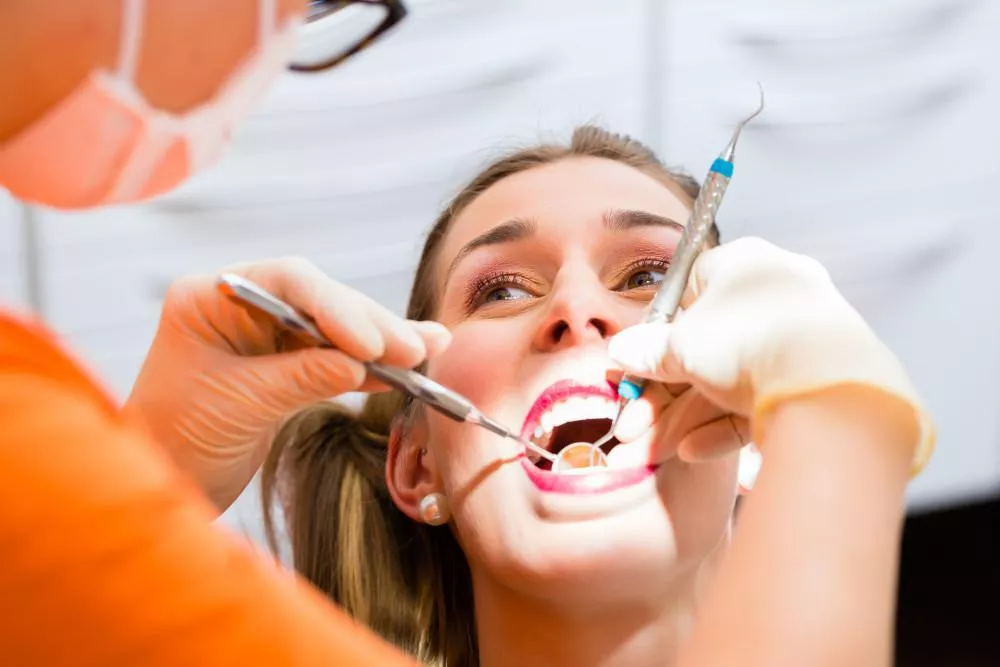
Oral hygiene means keeping your mouth, teeth, and gums clean and healthy. This includes brushing your teeth twice a day, flossing daily, and visiting the dentist regularly. If you’re looking to maintain a healthy smile, searching for dentists near me can connect you with professionals who offer personalized care. A dentist, like Dr. Z, also recommends getting your teeth cleaned by a professional at least twice a year. Good oral hygiene helps prevent tooth decay, gum infections, and other dental problems.
Taking care of your mouth is not just about keeping your teeth clean—it’s also important for your overall health. Studies show that poor oral hygiene can increase your risk of serious health problems.
Here are 5 important reasons why good oral hygiene matters:
ORAL HEALTH AFFECTS YOUR WHOLE BODY
Your mouth is the entry point to your body. If your mouth is not healthy, it can also affect other parts of your body. Some health issues, like diabetes and heart disease, are linked to poor oral hygiene. For example, gum disease can cause inflammation, which may also increase the risk of heart problems.
Additional health issues associated with inadequate oral hygiene include:
Bacterial pneumonia
Pregnancy complications
Low birth weight in babies
Sepsis (a serious infection)
Certain cancers
Keeping your mouth clean helps lower your chances of developing these health conditions. Visiting your dentist every six months is a smart way to catch any problems early.
1.2 YOU CAN SPOT DENTAL PROBLEMS EARLY
Your dentist can identify issues before they worsen with routine dental examinations. By visiting your dentist twice a year, small issues like cavities or gum inflammation can be treated early. This saves you from more pain and higher treatment costs later.
1.3 IT PREVENTS TOOTH LOSS
Both adults and children frequently experience tooth loss. One of the main reasons for losing teeth is poor oral hygiene. If you don’t brush and floss properly, plaque builds up. This can lead to tooth decay or gum disease, which may cause teeth to fall out.
Brushing and flossing every day helps, but it’s not enough. Professional dental cleanings remove plaque and tartar from areas you can’t reach with a toothbrush.
1.4 HELPS CREATE A PERSONALIZED TREATMENT PLAN
Every person’s dental needs are different. When you see your dentist for regular checkups, they can create a personalized treatment plan for you. Whether you need braces, fillings, or gum treatment, a custom plan ensures your mouth stays healthy and strong.
1.5 GIVES YOU A BRIGHTER SMILE
Clean, white teeth help you smile confidently. Brushing, flossing, and regular cleanings keep your teeth looking their best. A healthy smile boosts your self-esteem and makes a great first impression.
2. TIPS FOR GOOD ORAL HYGIENE
Brush your teeth twice a day.
Floss daily.
Eat healthy and limit sugary snacks.
Avoid tobacco products.
Rinse your mouth after meals.
Visit your dentist every 6 months for checkups and cleanings.
Practicing good oral hygiene is a smart investment in your health and happiness.
You may not realise it, but taking care of your teeth and gums can do much more than give you a nice smile. Good oral health plays a big role in your overall well-being, daily life, and future health. Searching for a dentist near me can be a great first step toward maintaining that health through regular checkups and preventive care. It affects the way we speak, eat, and interact with others. It can also influence how confident we feel and how others see us, which impacts job opportunities and self-esteem.
Many people tend to ignore their dental health, but it is deeply connected to the rest of the body. It is considered one of the key indicators of good health, just like proper nutrition and heart health. Poor oral hygiene can lead to painful and expensive problems such as cavities, gum disease, and even infections that affect the whole body. Sadly, people living in rural areas or with lower incomes often struggle the most with access to dental care. Studies show that many adults in these groups feel that the condition of their teeth affects their ability to attend job interviews confidently.
One of the most common case, especially among children, is tooth decay. This condition is mostly caused by poor hygiene and unhealthy food choices. Fortunately, it is completely preventable with simple habits like brushing, flossing, and eating less sugar. Without these healthy habits, plaque can build up, leading to cavities or gum disease that can harm more than just the mouth.
Researchers have also found a link between oral health and serious illnesses like diabetes and Alzheimer’s disease. Alzheimer’s is a brain disease that brings memory loss and confusion, mostly affecting older adults. While the exact cause is still unknown, scientists are now learning that gum disease may play a role in its development.
A recent study showed that mice exposed to bacteria from gum disease developed brain changes similar to those seen in Alzheimer’s patients. These changes included inflammation, nerve damage, and plaque buildup in the brain. What made this finding more surprising was that the mice used were healthy and not specially altered to develop brain problems. This suggests that long-term gum infections could be a risk factor for Alzheimer’s, especially the type that develops later in life.
The study also found that the bacteria from the gums had actually travelled to the brain and affected how it functions. It changed how the brain used glucose, which is the main source of energy for brain cells. This is important because the brain needs glucose to work properly.
These discoveries are helping researchers understand how oral infections might lead to more serious health problems.
In short, caring for your teeth and gums isn’t just about avoiding cavities—it’s about protecting your whole body. Regular brushing, dental checkups, and a healthy diet may help lower the risk of serious diseases and improve your quality of life.
Fitness doesn’t need to mean hitting the gym alone or adhering to rigid routines on your own; family fitness is one of the best and most enjoyable ways of creating healthier habits, strengthening relationships, and reaching goals together as a family unit. When everyone participates, wellness becomes part of everyday living rather than an occasional quick fix!
The Best and Most Enjoyable Ways of Reaching Goals Together
1. Establish Shared Fitness Goals
To kick off, discuss what health goals your family wishes to accomplish together – be they weight loss, building strength, or simply spending more quality time together. Setting shared fitness goals helps everyone remain accountable while giving activity greater meaning and purpose.
2. Make Fitness Fun
Fitness doesn’t need to feel like a chore: try active games such as backyard soccer, neighborhood bike rides, and dance challenges in the living room. Younger children might enjoy obstacle courses, while teens might appreciate group classes or workout apps for a better fitness experience.
3. Create a Routine You Can Stick To
Consistency is key when building long-term habits and routines, from 30-minute walks after dinner or Saturday morning boot camps, to treating fitness like any other family commitment and long-term results.
4. Partner With A Family-Friendly Personal Trainer
Do you need structure or guidance within your family? At TrYumph Fitness and Nutrition, our certified trainers tailor workout programs specifically towards meeting the individual needs, fitness levels, and goals of every family we train.
This post was written by a professional at TrYumph Fitness and Nutrition. TrYumph Fitness and Nutrition empowers busy professionals and parents to achieve lasting health the right way. We believe true wealth starts with well-being! On average, our clients gain 7-9 pounds of muscle and lose 12-20 pounds of fat within their first 90 days. Located in central Pinellas County, our spacious private studio is home to a dedicated team of 10 coaches and staff. We offer personal training, our signature TrYFit small group training, cardio kickboxing, KidFit, and free childcare. Click here to learn more.
I’ve worked in this space long enough to know that finding quality addiction treatment isn’t always straightforward. Many places promise the same thing, but only a few actually deliver care that’s personalized, effective, and consistent across different types of addiction. When people ask me where to start, I usually point them to DrugHelp.com. Their platform helps you understand how to find addiction treatment, and they connect you to care that matches your situation instead of trying to push a single facility or method.
I didn’t just land on this recommendation by accident. I’ve seen what happens when someone is bounced around from program to program. DrugHelp.com has a clear process that evaluates personal needs and then refers individuals to a rehab partner equipped to handle that exact type of addiction, whether it’s prescription drugs, alcohol, heroin, or something else.
You’ll want to read further if you’re trying to compare treatment options or you’re at that stage where you’re ready to get help but don’t know what to expect. I’ll break down the treatment styles that matter most, explain what makes DrugHelp.com effective, and help you avoid wasting time on the wrong kind of program.
The Importance of Tailored Treatment
If you’ve been searching for help online, you’ve probably noticed how every rehab center claims to offer the best program. The problem is, most of them are offering general treatment without digging into the cause of the addiction or the circumstances around it. What matters most is whether a program can adapt to your needs.
That’s something DrugHelp.com gets right. Their partner network includes detox centers, inpatient and outpatient programs, and facilities that specialize in co-occurring mental health conditions. They don’t use a one-size-fits-all system. Instead, you get connected to care based on whether you’re dealing with early addiction, severe dependency, or relapses tied to mental health triggers.
Evaluating Long-Term Options
In my experience, people underestimate how important long-term rehab options are, especially when someone has gone through short-term programs and ended up relapsing. It’s not that those programs failed completely, but they usually didn’t last long enough or cover all the layers involved in addiction.
This is where you should consider long term drug rehab facilities that work with you beyond just withdrawal. DrugHelp.com refers people to programs that include extended stays, structured routines, and gradual transitions back into everyday life. It makes a difference, particularly for someone whose addiction has been ongoing for years.
Balancing Affordability and Quality
The cost of treatment is one of the most common reasons people delay care. Some assume they need top-dollar programs to get real help, while others try to rely on free resources that don’t provide enough support. I’ve looked into this closely, and you don’t need to spend a fortune to access reliable treatment. The key is knowing where to look.
That’s why I always tell people to check out affordable drug rehab centers through DrugHelp.com. They work with treatment providers across the U.S. and help you compare costs based on your location and insurance. It removes the guesswork, especially for those who need support but feel limited by finances.
Why Dual Diagnosis Care Matters
If addiction is tied to anxiety, depression, or past trauma, traditional rehab isn’t enough. You need a facility that understands how to manage both addiction and mental health together. That’s called dual diagnosis treatment, and it’s something not all centers are equipped to handle.
DrugHelp.com connects individuals with facilities that specialize in dual diagnosis, offering psychiatric support alongside detox and rehab. I recommend looking into this if you’ve tried outpatient care before and felt like your emotional challenges weren’t being addressed.
Treatment Availability and Accessibility
One thing I appreciate about DrugHelp.com is how broad their coverage is. They have access to centers in almost every state, including high-demand areas like California, New York, Texas, and Florida. That means you can find help without needing to travel across the country, which is especially useful if you have work or family responsibilities that limit your mobility.
Support starts the moment you reach out. DrugHelp.com operates a 24/7 helpline that connects callers directly to their treatment partners. It’s not just about booking appointments either. Their team helps with insurance questions, program selection, and even planning for what comes after treatment.
Conclusion
You don’t need to keep searching endlessly or guessing which treatment path to follow. I’ve seen how much time people waste trying to figure it out alone. DrugHelp.com is one of the more reliable options out there, especially if you value treatment that adjusts to your situation, doesn’t hide pricing, and takes recovery seriously.
If you’re finally ready to take a step toward recovery, use a resource that actually puts your needs first. DrugHelp.com makes it easier to find the right fit without delay or confusion, and that’s something I respect in this field.
Biotech investment success hinges on accurately tracking drug development trajectories from early discovery through market approval. This monitoring process reveals crucial inflexion points where company valuations can shift dramatically based on clinical outcomes, regulatory decisions, or competitive threats. For investors, these inflexion points represent both opportunity and risk as capital flows reflect changing probabilities of commercial success. The therapeutic pipeline consists of developmental drugs at various clinical stages, from preclinical testing through Phase III trials and regulatory submission. This progression involves increasing investment requirements while reducing scientific uncertainty about efficacy and safety.
Innovation roadmap
Drug development follows predictable yet complex pathways that savvy investors learn to navigate. Each phase presents challenges, timelines, and capital requirements shaping investment thesis development. Preclinical studies establish basic safety and biological activity but offer limited predictive value for human outcomes. Phase I trials primarily evaluate safety in healthy volunteers, while Phase II studies provide the first meaningful efficacy signals in actual patients. Phase III represents the most capital-intensive and consequential stage, where large patient populations generate statistically significant data determining commercial viability. This phase consumes approximately 60% of total development costs, yet still carries substantial failure risk.
Clinical trial milestones
Strategic investors track specific development milestones that signal progress or problems:
Patient enrolment rates indicate trial execution quality and timeline reliability
Interim analysis results provide early efficacy signals that may trigger investment decisions
Safety monitoring committee reviews can reveal emerging concerns before public disclosure
Protocol amendments may signal design flaws or unexpected challenges
Competitor trial results reshape the potential market landscape and require efficacy thresholds
These milestones often trigger share price movements before final data readouts, creating trading opportunities for well-informed investors who recognise their significance. Early enrollment completion frequently predicts successful trial execution, while repeated extensions may indicate recruitment difficulties that threaten trial validity or statistical power.
Market impact metrics
Clinical success alone guarantees nothing without effective market penetration strategies. Preparing for commercial success requires parallel development of market access approaches, pricing models, and distribution channels alongside the clinical program. Investors must evaluate these commercial preparations when assessing long-term value potential beyond regulatory approval. Payer discussions begin years before approval, establishing reimbursement pathways critical for commercial uptake. These negotiations increasingly involve outcomes-based contracts where payment depends on real-world effectiveness. Market research with physicians helps quantify potential adoption rates based on efficacy profiles compared to standard treatments. Patient advocacy relationships create awareness and support that accelerate post-approval uptake.
Investment timing strategies
Optimal investment entry and exit points vary based on specific catalysts and risk tolerances:
Pre-data accumulation phases offer maximum upside, but the highest risk profiles
Post-positive Phase II data captures substantial upside while avoiding early scientific risk
Pre-approval regulatory stages provide more precise risk assessment with still-meaningful upside
Post-approval commercial ramp periods offer reduced volatility with extended growth potential
Market penetration maturity stages shift focus from growth to cash flow evaluation
Capital constraint periods represent attractive entry points as companies approach important milestones with limited financial runway. These situations create pressure to partner pipeline assets or raise capital at unfavourable terms, temporarily depressing valuations despite unchanged fundamental prospects. Conversely, periods immediately following successful financings usually represent valuation peaks as risk perceptions temporarily decline before the following critical milestone approaches.
Higher potency CBD gummies obviously trend as the landscape of CBD usage evolves, and individuals search for targeted therapeutic assistance alters. These very valuable and strong edibles are sought for their capacity to deliver noteworthy and effective symptom reduction. Reducing the effectiveness of a high-potency gummy only to the milligram quantity on its label is oversimplification, however. Real efficacy in these concentrated forms depends on a confluence of components that transcends dose alone. Understanding high potency means looking behind the surface of the label and assessing the underlying quality, which really opens the door to possibilities for general health benefits.
Starting Enhanced Therapeutic Results
The strongest CBD gummies are supposed to provide fresh therapeutic opportunities, with concentrations ranging from 100 mg of CBD for every gummy. This increasing focus notably seeks to give customers more overall advantages. The fundamental appeal of such strong formulations is their appropriateness for significant reduction of symptoms. For people managing considerable pain or intense demands, these gummies provide a quick and potent fix. Apart from general relief, one usually touted advantage of high-potency treatments is their purported ability to improve sleep quality. These gummies might have more obvious effects on the body’s systems as they include a higher concentration of CBD in a single dosage, thereby allowing the deeper relaxation and control needed for a comfortable sleep.
The true test of potency effectiveness is quality
The real potency of a high-potency CBD gummy is exactly correlated with manufacturing integrity and quality. If the product is contaminated, a high milligram count is not actually significant. The initial method used largely influences the effectiveness of extracting valuable compounds from the hemp plant. Equally important is the complete spectrum of cannabinoids, terpenes, flavonoids, and other compounds the plant retains; these elements are said to work together to possibly enhance medical effects above pure CBD. Conversely, the presence of pollutants may significantly lower the bioavailability of the chemical. Therefore, the body cannot properly absorb or utilize the CBD, and the high dose is less effective.
Value and flexibility for many different uses
Apart from the immediate therapeutic effects, the strongest CBD gummies provide strong long-term value that draws a wide range of consumers, including both experienced users and those who would ordinarily pick smaller doses. Although higher concentrations per gummy were initially planned just for persons wanting maximum relief, they may be fairly cost-effective even for those who prefer a smaller daily dose. A high-milligram gummy may be divided so that customers may change their intake from one unit, therefore lowering purchases over time for the same total dosage. These products attract because of their inherent value proposition as well as their chances for concentrated relief and better effects.
Many people rely on pre-workout energy drinks to boost their performance and endurance during exercise. However, many commercial pre-workouts are loaded with artificial ingredients, sweeteners, and excessive caffeine, which can lead to unwanted side effects like jitters, crashes, and digestive issues. Fortunately, several natural alternatives can provide a clean and sustained energy boost. When choosing a pre-workout, look for products with these beneficial natural ingredients to fuel your workouts safely and effectively.
Natural Caffeine Sources: Green Tea Extract & Yerba Mate
Caffeine is a common ingredient in pre-workout supplements, known for its ability to enhance focus and reduce perceived exertion. Instead of synthetic caffeine, opt for natural sources like green tea extract and yerba mate. Green tea extract contains caffeine along with L-theanine, an amino acid that promotes relaxation and focus, creating a balanced energy lift without the jitters. Yerba mate, a traditional South American beverage, offers a sustained energy boost due to its unique blend of caffeine, antioxidants, and nutrients. Both options provide a gentler, more prolonged energy release compared to anhydrous caffeine, minimizing the risk of energy crashes.
Performance Enhancers: Beetroot & Cordyceps
Beetroot is celebrated for its high nitrate content, which the body converts to nitric oxide. Nitric oxide improves blood flow, dilating blood vessels and delivering more oxygen to muscles, enhancing endurance and reducing fatigue. Cordyceps, a medicinal mushroom, has been used for centuries to improve energy, stamina, and athletic performance. It helps increase ATP production, the body’s primary energy currency, leading to improved exercise capacity and reduced muscle fatigue. These natural performance enhancers can provide a significant advantage without the use of artificial stimulants.
Hydration & Electrolyte Balance: Coconut Water & Sea Salt
Maintaining proper hydration and electrolyte balance is crucial during exercise. Coconut water is a natural source of electrolytes, including potassium, sodium, and magnesium, which are lost through sweat. Replenishing these electrolytes helps prevent muscle cramps, maintain fluid balance, and support optimal muscle function. Sea salt also provides essential electrolytes, particularly sodium and chloride, which help regulate fluid balance and nerve function. Including these natural sources in your best pre workout energy drink can keep you hydrated and energized throughout your workout.
Amino Acids for Muscle Support: Branched-Chain Amino Acids (BCAAs)
Branched-chain amino acids (BCAAs) – leucine, isoleucine, and valine – are essential amino acids that play a vital role in muscle protein synthesis and recovery. BCAAs can help reduce muscle soreness, improve endurance, and prevent muscle breakdown during exercise. They can be naturally derived from plant-based sources, such as fermented corn or soy. Adding BCAAs to your pre-workout can support muscle health and enhance recovery, allowing you to push harder and recover faster.
Adaptogens for Stress Reduction: Ashwagandha & Rhodiola
Exercise can be a stressor on the body, and adaptogens can help mitigate its impact. Ashwagandha is an herb known for its ability to reduce stress, improve energy levels, and enhance cognitive function. Rhodiola is another adaptogen that helps combat fatigue, improve mental performance, and increase resilience to stress. These ingredients can help you stay calm and focused, optimizing your performance and reducing the negative impact of stress on your body.
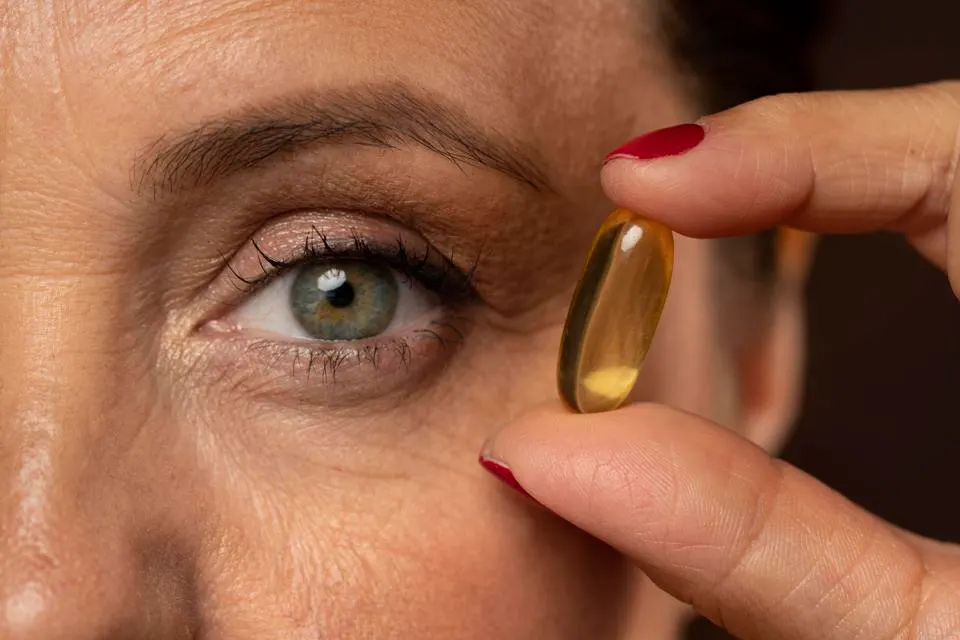
Vision health becomes increasingly important as we age, particularly after reaching 60, when age-related macular degeneration, cataracts, and other ocular conditions become more prevalent. Nutrition can help maintain eye function and prevent oxidative damage that accelerates these conditions. Research shows that specific nutrients can slow the progression of certain eye diseases, while others help maintain basic visual acuity and comfort during ageing. keeping vision healthy for eye vitamins for seniors recommended by many optometrists and ophthalmologists. These specialised supplements typically contain higher concentrations of antioxidants, carotenoids, and essential fatty acids that directly support retinal health and other ocular structures.
Essential nutrients for ageing eyes
The most research-backed nutrients for senior eye health include:
Lutein and zeaxanthin – These carotenoids concentrate in the macula, filtering harmful blue light and neutralising free radicals
Vitamin C – Maintains healthy blood vessels in the eyes and regenerates antioxidants
Vitamin E – Protects cell membranes throughout the eye from oxidative damage
Zinc – Brings vitamin A from the liver to the retina for production of protective melanin
Omega-3 fatty acids – Reduce inflammation and support proper retinal function
Copper – Works with zinc to help form connective tissue and produce melanin pigment
Clinical studies show these nutrients work synergistically, providing greater protection than when taken separately. The specific ratios matter considerably, with optimal formulations reflecting the proportions found most effective in large-scale clinical trials rather than simply including impressive-looking amounts on the label.
AREDS and AREDS2 formula explained
ARES and ARES2 are the gold standard for vision supplement research. These large, multi-year clinical trials established specific formulations shown to reduce the progression risk of advanced age-related macular degeneration by about 25% over five years in high-risk individuals. The original AREDS formula included vitamin C, E, beta-carotene, zinc, and copper. However, research later found that beta-carotene increased lung cancer risk in smokers, leading to the development of the AREDS2 formula. This updated version replaced beta-carotene with lutein and zeaxanthin, which proved effective without the associated risks. The AREDS2 formula also adjusted zinc levels based on newer research about optimal dosing for seniors.
When to start supplementation?
The best time to begin eye-specific supplementation varies based on individual risk factors and existing eye conditions. Eye-specific nutrients become particularly important for most adults after age 50, when natural protective mechanisms begin declining more rapidly. Those with family histories of macular degeneration or other genetic risk factors often benefit from starting specialised eye nutrition earlier, sometimes in their 40s. Early intervention proves especially valuable since many eye conditions develop silently for years before causing noticeable symptoms. When vision changes become apparent, considerable damage may have already occurred. Supplement effectiveness tends to focus more on preserving remaining vision rather than restoring what has been lost, making preventative approaches particularly valuable.
Natural vs. synthetic options
Though each approach offers distinct advantages, food-based and synthetic supplements can provide the necessary eye nutrients. Food-based supplements contain nutrients in their natural ratios along with complementary compounds that may enhance absorption and effectiveness. Nutrition-dense foods include bilberries, spinach, kale, and orange peppers in these formulations. Synthetic formulations allow for precise control of dosages based on clinical research findings. They typically deliver higher concentrations of specific nutrients than is possible through food-based options alone.
If you are thinking about donating plasma in New Jersey, it’s helpful to know the requirements, benefits, and how to go about it. This guide teaches you how to get started safely and with confidence.
Who Needs Plasma? The Science Behind This Precious Resource
Composition of Plasma
Plasma is the most utilized part of human blood, making up approximately 55% of its total volume. It consists mostly of water (about 90%), along with proteins, electrolytes, nutrients, hormones, and waste products. Proteins such as albumin and globulins help regulate blood pressure, assist in transport, and support clotting processes. Albumin maintains oncotic pressure and acts as a carrier for drugs and hormones, while globulins help form antibodies, and fibrinogen aids in wound healing. This complex composition explains why plasma is critical not just for transfusions, but for developing life-saving therapies.
Plasma’s Role in Medical Treatments
Plasma is essential for producing clotting factor concentrates for hemophilia patients, immunoglobulin therapies for immune deficiencies, and albumin solutions for severe burns or shock. It’s also used in treatments for hepatitis, autoimmune conditions, and more. As chronic diseases increase and the population ages, the demand for plasma-derived therapies—and for plasma donation in New Jersey and beyond—continues to grow.
The Lifesaving Impact of Donating Plasma: A Real-World Example
To appreciate the power of plasma donation, think of patients with hemophilia who depend on clotting factor infusions to lead active lives. Individuals with autoimmune diseases often rely on IVIG therapies made from donated plasma to manage symptoms. These treatments provide more than medical relief—they offer hope and quality of life. Convalescent plasma therapy also gained attention during the COVID-19 pandemic, reinforcing the importance of plasma donations during health crises. One donation can benefit many patients, making your contribution incredibly impactful.
Are You Eligible? Common Plasma Donation Myths Debunked
Health Criteria: Are You a Good Fit as a Donor?
Understanding donor eligibility is key before contributing to plasma donation in New Jersey. Most centers follow FDA and CDC guidelines, requiring donors to be in good health and free from chronic or transmissible diseases. Eligibility includes a medical history review and a physical examination. Disqualifying conditions include HIV, hepatitis B and C, and certain medications or recent vaccinations may result in temporary deferrals. Most centers list this information on their websites or can answer questions directly.
Age and Weight Requirements
In addition to health, age and weight are essential factors. Most centers require donors to be at least 18, although some states allow donations from 16 or 17-year-olds with parental consent. Donors typically must weigh at least 110 pounds. These criteria ensure both donor safety and a high-quality plasma supply. Rest assured, the process is supervised by medical professionals to keep donors safe and comfortable.
What to Expect at Your First Donation Appointment
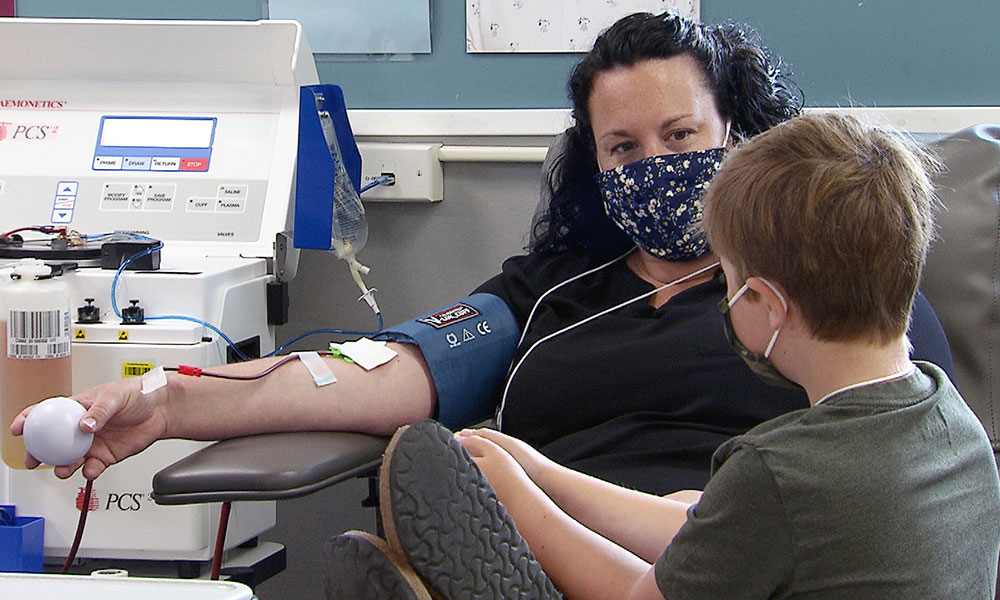
First-time donors can expect a friendly welcome and a thorough screening, including a medical history review, vitals check, and a quick blood test to measure protein and hematocrit levels. Once cleared, you’ll lie in a lounge-style chair as blood is drawn, plasma separated, and red blood cells returned to your body. The entire visit takes about two hours, with the donation itself lasting around 45 minutes. Staff will monitor you and provide refreshments to help you recover. Most new donors report the experience as much easier—and more rewarding—than expected.
Where to Donate Plasma in New Jersey
Types of Donation Centers
There are both nonprofit and for-profit plasma donation centers in New Jersey. Nonprofit organizations, like the American Red Cross, focus on humanitarian missions, while for-profit centers such as CSL Plasma or Grifols provide monetary compensation. Sites like DonateBloodNJBlood.org list nearby centers and offer helpful resources. You can also find reviews on platforms like Google or Yelp to evaluate cleanliness, staff professionalism, and overall donor experience.
Nonprofit vs. For-Profit Centers
Each type of center has pros and cons. Nonprofits emphasize community service, while for-profit clinics operate on business models that include donor incentives. Both are subject to strict safety and ethical standards, but the atmosphere and motivations may vary. Ultimately, your choice depends on whether you value community involvement or donor compensation more.
Finding a Convenient and Comfortable Location
When selecting a plasma donation in New Jersey site, consider location, hours, and amenities. Choose a center near your home or work for convenience. Visit during off-peak times—like early mornings or weekdays—to avoid long lines. Also assess seating comfort, cleanliness, and staff knowledge. Don’t hesitate to ask friends or family for recommendations—they can provide valuable firsthand insights.
More Than Donation: Additional Benefits and Impacts
Payment and Perks
Many for-profit centers offer payments ranging from $20 to $50 per visit, with potential bonuses for frequent donations. Some even run rewards programs where points can be redeemed for gift cards or other items. While compensation can motivate donors, the primary purpose remains supporting medical needs. Payment is simply recognition of your time and effort.
Building a Sense of Community
One lesser-known benefit of plasma donation is the community it fosters. Centers often host events like donor appreciation days, health fairs, and educational sessions. Donating becomes a shared experience that can lead to lasting friendships and social connections. Participating in local donation initiatives also promotes ongoing awareness and engagement.
Supporting Medical Research and Development
Plasma donations also support vital research into autoimmune disorders, rare blood diseases, and infectious conditions. Research institutions often partner with donation centers to study and develop new treatments. Your contribution plays a key role not just in today’s healthcare but in the future of medicine. Participating in plasma donation in New Jersey means helping patients now and enabling breakthroughs for generations to come.