Author: Jaime Walker

  • What Every Parent Should Know About Children’s Fever

    What Every Parent Should Know About Children’s Fever

    In Singapore, parents often encounter the challenge of managing children’s fever. Understanding the causes, symptoms, and appropriate responses to fever is essential for ensuring your child’s well-being. Here’s a comprehensive guide on what every parent should know about children’s fever.

    Understanding Children Fever

    Children’s fever is the body’s natural response to infections or illnesses. It typically indicates that the immune system is working to fight off an infection or inflammation. Fever is defined as a body temperature above the normal range, usually around 37°C (98.6°F).

    Causes of Fever in Children

    Fever in children can stem from various factors, including viral or bacterial infections, immunizations, teething, or environmental factors such as hot weather. Identifying the underlying cause of your child’s fever can help determine the most appropriate course of action.

    Recognizing Symptoms of Fever in Children

    Recognizing the symptoms of fever is crucial for timely intervention and management. Common symptoms of children fever may include an elevated body temperature, warm or flushed skin, irritability, decreased appetite, lethargy, chills, and sweating. Monitoring your child’s symptoms and temperature regularly is essential for early detection and appropriate management.

    Managing Children’s Fever at Home

    When it comes to managing fever at home, several steps can help alleviate discomfort and support your child’s recovery:

    • Rest: Ensure your child gets plenty of rest to aid their body’s healing process. Encourage quiet activities and limit physical exertion until their fever subsides.
    • Hydration: Keeping your child well-hydrated is essential to prevent dehydration, which can accompany fever. Offer them plenty of fluids such as water, clear soups, broths, or oral rehydration solutions.
    • Comfortable Clothing: Dress your child in lightweight, breathable clothing to help regulate their body temperature. Avoid overdressing, as this can trap heat and exacerbate fever symptoms.
    • Fever Reducers: Over-the-counter fever reducers such as paracetamol or ibuprofen can help lower your child’s temperature and alleviate discomfort. Always follow the recommended dosage guidelines based on your child’s age and weight. Consult a healthcare professional before administering any medication to children, especially infants.

    When to Seek Medical Attention

    While most cases of children fever can be managed at home, certain circumstances warrant medical attention:

    • Infants: Fever in infants younger than three months old requires immediate medical evaluation, as it can be a sign of a serious underlying condition.
    • Duration: If your child’s fever persists for more than a few days or is accompanied by other concerning symptoms, consult a doctor for further assessment.
    • High Fever: A high fever (above 39°C or 102.2°F) may indicate a more severe infection or illness and warrants medical attention.
    • Dehydration: Signs of dehydration such as dry mouth, sunken eyes, decreased urine output, or lethargy require prompt medical evaluation and treatment.
    • Severe Symptoms: Seek medical advice if your child experiences difficulty breathing, persistent vomiting, a stiff neck, severe headache, or a rash, as these may indicate a more serious underlying condition.

    Preventive Measures

    Preventing children fever and associated illnesses involves:

    • Vaccinations: Ensure your child receives routine vaccinations as recommended by healthcare professionals to protect against vaccine-preventable diseases.
    • Hygiene: Encourage good hygiene practices such as frequent handwashing with soap and water to reduce the spread of germs and infections.
    • Respiratory Etiquette: Teach your child to cover their mouth and nose with a tissue or their elbow when coughing or sneezing to prevent the spread of respiratory infections.
    • Healthy Lifestyle: Promote a balanced diet, regular exercise, and adequate sleep to support your child’s overall health and immune function.

    Conclusion

    Children fever is a common occurrence that can often be managed at home with proper care and attention. By understanding the causes, symptoms, and appropriate management of fever in children, parents can provide comfort and support to their child during periods of illness. Remember to seek medical advice if you have concerns about your child’s fever or if symptoms persist or worsen.

  • The Most Common Hip Conditions Demystified

    The Most Common Hip Conditions Demystified

    The Hip: Understanding the Basics

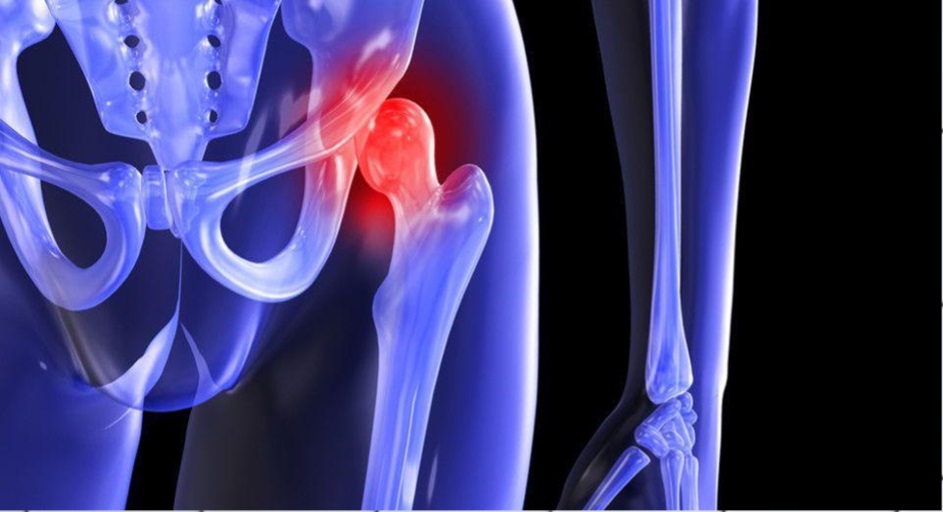
    The hip joint is one of the largest and most important joints in the human body. It is a ball-and-socket joint that connects the thigh bone (femur) to the pelvis. This joint allows for a wide range of motion, including walking, running, and sitting. Understanding the basics of the hip joint is essential in comprehending common hip conditions and how they can affect your daily life.

    1. An Introduction to the Hip Joint

    The hip joint is a synovial joint, which means it is surrounded by a capsule filled with synovial fluid that lubricates the joint and reduces friction. This fluid-filled capsule allows for smooth movement and protects the joint surfaces from wear and tear. The hip joint is also supported by ligaments, which are strong bands of connective tissue that hold the bones together and provide stability.

    Within the hip joint, there is a layer of cartilage covering the surface of the bones. This cartilage acts as a shock absorber, cushioning the joint and preventing the bones from rubbing against each other. The cartilage in the hip joint is thick and durable, but it can still be damaged or worn down over time, leading to various hip conditions.

    2. The Anatomy of the Hip

    To fully understand the common hip conditions, it is important to have a grasp of the anatomy of the hip. The hip joint is comprised of two main structures: the femur and the pelvis. The femur, or thigh bone, has a rounded head that fits into a socket in the pelvis, called the acetabulum.

    Surrounding the hip joint are several muscles, tendons, and ligaments that provide support and facilitate movement. Some of the key muscles include the gluteus maximus, which is responsible for hip extension, and the iliopsoas, which helps with hip flexion. These muscles work in coordination to allow for smooth and controlled movement of the hip joint.

    3. How the Hip Functions in the Body

    The hip joint plays a crucial role in the body’s mobility and stability. It is involved in various activities, such as walking, running, and sitting, as well as more complex movements like dancing and sports. The hip joint transfers the weight of the upper body to the lower body and allows for smooth and coordinated movement of the legs.

    In addition to movement, the hip joint is responsible for providing stability and balance. The ligaments and muscles surrounding the hip joint work together to maintain proper alignment and prevent excessive movement that could lead to injury. This combination of mobility and stability makes the hip joint essential for everyday activities and overall physical health.

    Common Hip Conditions: Causes and Symptoms

    Now that we have a good understanding of the hip joint, let’s explore some of the most common hip conditions, their causes, and the symptoms associated with them. These conditions can range from degenerative conditions to acute injuries and can significantly impact a person’s quality of life.

    1. Osteoarthritis: The Wear and Tear Condition

    Osteoarthritis is the most prevalent hip condition among adults and is often referred to as the wear and tear condition. It occurs when the cartilage in the hip joint breaks down over time, leading to pain, stiffness, and reduced mobility. The exact cause of osteoarthritis is still not fully understood, but factors such as age, genetics, obesity, and previous hip injuries can increase the risk.

    The symptoms of hip osteoarthritis usually develop gradually and worsen over time. Common symptoms include pain in the hip joint, especially during movement or weight-bearing activities such as walking or climbing stairs. Stiffness and a limited range of motion are also common, along with a feeling of grinding or crunching when moving the hip. In severe cases, osteoarthritis can lead to chronic pain and disability.

    2. Hip Bursitis: The Inflammation in the Hip

    Hip bursitis is a condition characterized by inflammation of the bursae, small fluid-filled sacs that act as cushions between bones, tendons, and muscles. These bursae help reduce friction and provide a smooth gliding surface during movement. When the bursae in the hip become irritated or inflamed, hip bursitis occurs.

    The most common cause of hip bursitis is repetitive stress or overuse of the hip joint. Activities that involve repetitive movements, such as running, cycling, or standing for extended periods, can lead to this condition. Other factors, such as trauma or infection, can also cause hip bursitis.

    The symptoms of hip bursitis usually include pain on the outside of the hip that worsens with prolonged walking, climbing stairs, or lying on the affected side. The hip may also feel tender to the touch, and swelling and redness may be present. In some cases, the pain can radiate down the thigh or buttock.

    3. Hip Fractures: When Bones Break

    Hip fractures are serious injuries that occur when one or more of the bones in the hip joint break. Fractures can happen in any part of the hip, including the femur, the pelvis, or the acetabulum. The most common cause of hip fractures is a fall, especially in older adults with weakened bones.

    The symptoms of a hip fracture include severe pain in the hip or groin area, inability to bear weight on the affected leg, and difficulty moving the leg or walking. The leg may also appear shorter or turned outward compared to the unaffected side. Immediate medical attention is crucial for hip fractures, as surgery is often required to repair the broken bones.

    Diagnosing and Treating Hip Conditions

    When it comes to diagnosing and treating hip conditions, a thorough evaluation by a healthcare professional is essential. They will take into account the patient’s medical history, perform a physical examination, and order additional tests or imaging studies, if necessary.

    1. The Diagnostic Process for Hip Conditions

    The diagnostic process for hip conditions typically involves a combination of medical history, physical examination, and imaging studies. A healthcare professional will ask about the patient’s symptoms, including when they started, the severity of the pain, and any factors that worsen or alleviate the symptoms.

    During the physical examination, the healthcare professional will assess the range of motion of the hip, check for tenderness or swelling, and perform specific tests to identify the underlying cause of the symptoms. They may also request imaging studies such as X-rays, CT scans, or MRI scans to get a more detailed view of the hip joint and identify any structural abnormalities or damage.

    2. Non-Surgical Treatment Options for Hip Conditions

    Non-surgical treatment options are often the first line of management for many hip conditions. These conservative approaches aim to relieve pain, reduce inflammation, and improve mobility without the need for surgery. Some common non-surgical treatments for hip conditions include:

    – Medications: Nonsteroidal anti-inflammatory drugs (NSAIDs) and analgesics may be prescribed to reduce pain and inflammation associated with hip conditions.

    – Physical Therapy: A physical therapist may design a personalized exercise program to strengthen the muscles around the hip joint, improve flexibility, and alleviate pain.

    – Assistive Devices: Using assistive devices, such as canes or walkers, can help relieve pressure on the hip joint and provide support during walking or daily activities.

    – Injections: Corticosteroid injections or viscosupplementation injections may be administered to reduce inflammation and provide temporary pain relief.

    3. Surgical Interventions for Hip Conditions

    If non-surgical treatment options fail to provide significant relief or if the hip condition is severe, surgical intervention may be considered. There are various surgical procedures available for different hip conditions, including:

    – Hip Replacement Surgery: In cases of severe hip arthritis or degenerative conditions, a total hip replacement surgery may be recommended. During this procedure, the damaged parts of the hip joint are replaced with artificial components made of metal and plastic. Hip replacement surgery can provide long-lasting pain relief and improve mobility.

    – Arthroscopy: Arthroscopic surgery involves making small incisions and using a camera and small instruments to diagnose and treat certain hip conditions. It is less invasive than traditional open surgery and allows for quicker recovery times.

    Preventing Hip Conditions: Tips and Exercises

    While some hip conditions cannot be completely prevented, certain measures can help reduce the risk and maintain the overall health of the hip joint. Incorporating these tips and exercises into your daily routine can contribute to stronger and healthier hips.

    1. Tips for Maintaining Hip Joint Health

    – Maintain a Healthy Weight: Excess weight puts additional stress on the hip joint. Maintaining a healthy weight can reduce the risk of developing hip conditions such as osteoarthritis.

    – Use Proper Form and Technique: When participating in physical activities or sports, use proper form and technique to avoid placing unnecessary strain on the hips. This includes maintaining good posture and practicing proper body mechanics.

    – Avoid Prolonged Sitting: Sitting for long periods can lead to stiffness and muscle imbalances. Take regular breaks to stand or walk around to keep the hip joints mobile.

    2. Strengthening Exercises for the Hip

    Strengthening the muscles surrounding the hip joint can provide support and stability, reducing the risk of hip injuries. Some effective exercises for hip strengthening include:

    – Squats: Stand with feet shoulder-width apart and slowly lower down into a squat position, keeping the knees aligned with the toes. Return to the starting position and repeat for several repetitions.

    – Hip Abduction: Lie on your side with the legs stacked on top of each other. Lift the top leg upwards, keeping it straight, and then lower it back down. Repeat on both sides.

    3. Stretching Exercises for the Hip

    Stretching the muscles around the hip joint can improve flexibility and prevent muscle imbalances. Some beneficial stretching exercises for the hip include:

    – Hip Flexor Stretch: Kneel on one knee, with the other foot positioned in front. Gently push the hips forward until a stretch is felt in the front of the hip. Hold for 30 seconds and repeat on the other side.

    – Piriformis Stretch: Sit on the edge of a chair and cross one ankle over the opposite knee. Gently press down on the raised knee until a stretch is felt in the buttock area. Hold for 30 seconds and switch sides.

    By incorporating these preventive measures and exercises into your routine, you can promote hip joint health and reduce the risk of developing common hip conditions.

    FAQ

    Question: What is hip osteoarthritis? – Hip osteoarthritis is a common hip condition characterized by the breakdown of cartilage in the hip joint. It causes pain, stiffness, and reduced mobility.

    Question: What is hip bursitis? – Hip bursitis is a condition characterized by inflammation of the bursae in the hip. The bursae are fluid-filled sacs that help reduce friction in the joint. Hip bursitis can cause pain, tenderness, and limited mobility.

    Question: What are hip fractures? – Hip fractures occur when one or more bones in the hip joint break. They are often caused by falls, especially in older adults with weakened bones. Symptoms include severe pain, inability to bear weight, and difficulty walking.

    Question: How are hip conditions diagnosed? – A healthcare professional will evaluate medical history, perform a physical examination, and may order imaging studies such as X-rays, CT scans, or MRI scans to diagnose hip conditions.

    Question: What are non-surgical treatment options for hip conditions? – Non-surgical treatments for hip conditions include medication, physical therapy, assistive devices, and injections. These treatments aim to relieve pain, reduce inflammation, and improve mobility.

    Question: When is surgery necessary for hip conditions? – Surgery may be necessary for severe hip conditions that do not respond to non-surgical treatments. Procedures such as hip replacement surgery or arthroscopy may be recommended to alleviate symptoms and improve hip function.

    Question: How can hip conditions be prevented? – Maintaining a healthy weight, using proper form during physical activities, and avoiding prolonged sitting can help prevent hip conditions. Strengthening and stretching exercises for the hip can also improve joint health and reduce the risk of injuries.

  • Elevating Skincare – Exploring 無針水光 and DEP Innovations

    Elevating Skincare – Exploring 無針水光 and DEP Innovations

    Amidst the whispers of skincare innovation, 無針水光 and DEP stand as torchbearers, illuminating the path towards a new era of non-invasive beauty solutions.

    Redefining Hydration and Precision: The Essence of 無針水光 and DEP

    1. Embracing Needle-Free Hydro-Infusion

    In a world where skincare meets innovation, 無針水光 emerges as a beacon of transformative hydration and rejuvenation, rewriting the narrative of traditional methods with its gentle yet profoundly effective approach.

    2. Precision Delivery with

    • Technology

    DEP revolutionizes skincare by enabling precise delivery of therapeutic compounds directly into the skin’s layers. Utilizing microencapsulation, DEP ensures targeted treatment of specific concerns, enhancing efficacy while minimizing discomfort and side effects commonly associated with traditional approaches.

    The Power of Synergy: Integrating 無針注射 and DEP for Optimal Results

    1. Harmonizing Hydration and Precision

    The combination of 無針注射 and DEP creates a synergistic approach to skincare that maximizes results and enhances overall skin health.

    In the delicate dance of skincare, the integration of hydration with precision delivery not only unlocks a spectrum of solutions but also crafts bespoke treatments that whisper to the unique needs of each individual, unveiling a personalized journey to radiant skin.

    2. Empowering Personalized Skincare Experiences

    Through the fusion of 無針水光 and DEP, individuals can embark on personalized skincare journeys designed to celebrate their unique beauty.

    Embracing the Future of Skincare Innovation

    In conclusion, 無針水光 and DEP represent a transformative shift in skincare, where innovation and efficacy converge to redefine beauty standards.

    As these techniques continue to evolve, they hold the promise of unlocking new possibilities in non-invasive skincare, empowering individuals to achieve radiant and youthful-looking skin without compromise.

    Together, let us embrace the transformative potential of 無針水光 and DEP as we embark on a journey towards timeless beauty and self-assurance.

  • Benefits of Botox- Improve Your Facial Beauty and Feel Confident

    Benefits of Botox- Improve Your Facial Beauty and Feel Confident

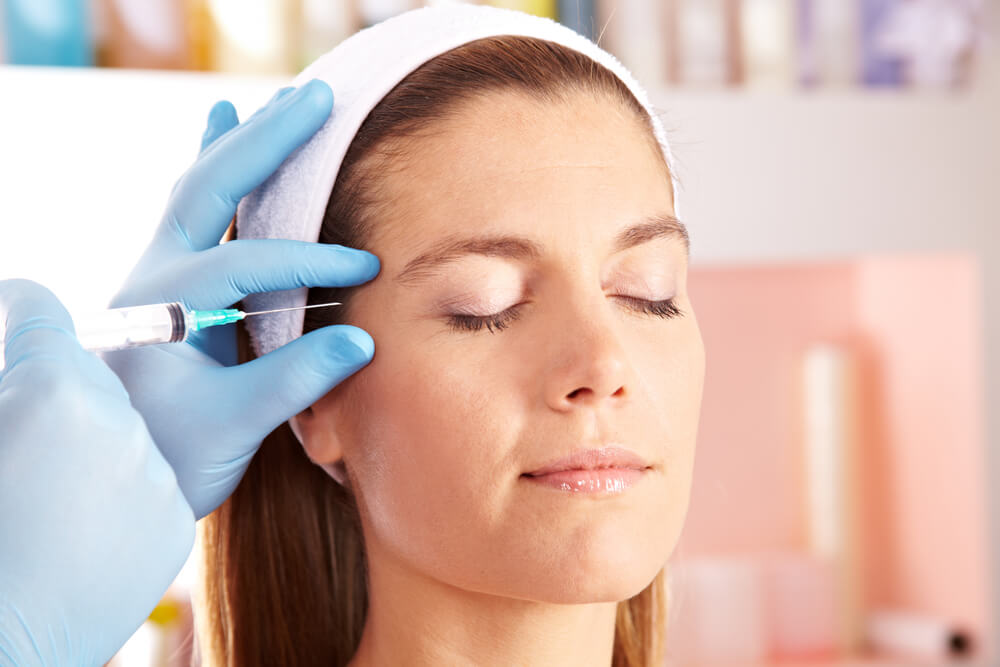
    If you are planning to get Botox injections to eliminate fine lines and wrinkles on your face, you probably have made the right choice. It is an undisputable way to look younger and more beautiful. As we grow old, we get fine lines around the forehead, lips and cheeks. They make us look older than our actual age. With the help of Botox in Newport Beach, you can get rid of these issues and enjoy your fresher and newer look.

    Benefits of Botox

    Apart from removing the wrinkles from your face, these injections can give several other advantages. Some of them have been elaborated on below: 

    Reduced wrinkles and fine lines

    If you are one of those, who look older than your age because of fine lines around your forehead and lips, you can opt for Botox. This is a perfect cosmetic procedure to make you look younger. These injections paralyze the targeted areas. Hence the contractions of the muscles are stopped unless these injections are effective. This way, these fine lines will not appear in these areas. 

    Improving the looks of the face

    There are several other benefits that the skin of a person receives after Botox injections such as a reduction in the size of pores, glow on the face and skin textures. All of these improve the beauty of the face and a person looks better and younger than ever before.

    Non-invasive procedure

    One of the reasons why people prefer this procedure over others is because it is a non-invasive method of treatment. They don’t have to undergo any surgery or take anesthesia to get it done. Hence, it is considered the safest way to look young and beautiful. Moreover, you can get back to your normal life after the injections and perform all activities without any issues.

    Reduce sweating 

    It has been observed that excessive sweating can be controlled with the help of Botox injections. This happens because the nervous signals responsible for sweating are blocked. It reduces the production of too much sweating around the armpits, hands and feet. However, the results may be suppressed after the effects of the injections fade away. You will have to take them again after a few months to enjoy their benefits. 

    If you are planning to get this procedure done, you should contact your dermatologist and get all your queries answered. Based on your lifestyle, medical history and preferences, he can guide you in a better manner. 

  • Beyond the Basics: Specialized Health Screenings and Their Importance

    Beyond the Basics: Specialized Health Screenings and Their Importance

    In the realm of preventive healthcare, basic health screenings are the foundation of early detection and intervention. However, as our understanding of health evolves, so does the need for specialized health screenings. These targeted assessments delve deeper into specific aspects of our well-being, providing a more comprehensive picture of our health status.

    In this article, we’ll explore the significance of specialized health screenings and how they go beyond the basics to offer a better understanding of our health.

    The Role of Health Screening Clinics in Specialized Screenings

    Before delving into the importance of specialized health screenings, it’s crucial to acknowledge the pivotal role that health screening clinics play in making these assessments accessible. Health screening clinics act as gateways to comprehensive health evaluations, offering a range of services that go beyond routine check-ups.

    Access to Expertise

    Health screening clinics house skilled healthcare professionals who specialize in various fields. From cardiologists to endocrinologists, these experts collaborate to provide a holistic assessment of your health, ensuring that no aspect is overlooked.

    State-of-the-Art Facilities

    Specialized screenings often require advanced equipment and technology. Health screening clinics invest in state-of-the-art facilities to conduct these assessments, offering you the latest in diagnostic capabilities for a thorough evaluation.

    Personalized Health Plans

    Based on the results of specialized screenings, health screening clinics can formulate personalized health plans. These plans are tailored to address specific health concerns, providing targeted interventions and lifestyle recommendations.

    Understanding Specialized Health Screenings

    Cardiovascular Health Screenings

    Cardiovascular screenings extend beyond routine blood pressure checks. They encompass tests like lipid profiles, ECGs, and stress tests, providing insights into heart health. Identifying cardiovascular risks early on allows for proactive measures to prevent heart-related issues.

    Cancer Screenings

    Cancer screenings are integral to specialized health assessments. Mammograms, colonoscopies, and pap smears are just a few examples of screenings that target specific types of cancer. Early detection through these screenings significantly improves treatment outcomes.

    Metabolic Health Screenings

    Screenings for metabolic health focus on conditions like diabetes and thyroid disorders. Blood glucose tests, HbA1c levels, and thyroid function tests help identify imbalances, enabling timely management and lifestyle adjustments.

    Bone Health Screenings

    Specialized screenings for bone health include bone density scans, crucial for detecting conditions like osteoporosis. These assessments help in assessing the risk of fractures and fractures associated with bone density loss.

    The Importance of Specialized Health Screenings

    Early Detection of Specific Conditions

    One of the primary benefits of specialized screenings is the early detection of specific health conditions. Unlike general screenings, these assessments are finely tuned to identify risks associated with particular diseases or disorders, allowing for prompt intervention.

    Targeted Interventions and Treatments

    Specialized screenings pave the way for targeted interventions and treatments. Armed with detailed information from these assessments, healthcare professionals can develop precise treatment plans that address the root causes of health issues.

    Comprehensive Health Understanding

    While basic screenings offer a snapshot of overall health, specialized screenings provide a more detailed and nuanced understanding. They allow for a comprehensive evaluation of specific organ systems or functions, contributing to a more holistic view of well-being.

    Customized Health Strategies

    Based on the results of specialized screenings, healthcare professionals can formulate customized health strategies. These may include targeted lifestyle modifications, dietary changes, or specific medications, ensuring that interventions align with individual health needs.

    Elevating Your Health with Specialized Screenings

    As we navigate the landscape of preventive healthcare, it’s evident that specialized health screenings play a pivotal role in enhancing our understanding of well-being. Health screening clinics act as crucial facilitators, providing the expertise and resources needed for these assessments.

  • Magnesium glycinate – Tips for choosing the best

    Magnesium glycinate – Tips for choosing the best

    Hundreds of biochemical reactions rely on magnesium. You need magnesium to control your blood glucose levels, regulate blood pressure, and maintain your immune system. Supplements containing magnesium glycinate are highly absorbable and bioavailable. Magnesium glycinate is less harsh on the stomach than magnesium oxide. As glycine is attached to magnesium molecules, it is efficiently absorbed and utilized. Magnesium glycinate is a great alternative to laxatives.

    Assess your needs

    consider any symptoms you experiencing and what dosage of elemental magnesium you might require. Factors like age, gender, activity levels, and medications impact your needs. For example, athletes tend to require higher magnesium intake than less active people. Speak to your doctor if you are pregnant, have kidney issues, or take medications that interact with magnesium. They help determine an appropriate supplemental dose. Check the supplement facts label for the amount of elemental magnesium per serving. This indicates how much actual magnesium you get, rather than just the weight of the entire compound. Aim for at least 100-200mg of elemental magnesium per capsule or serving. This ensures you meet the Recommended Dietary Allowance without taking multiple pills.

    Seek out chelated forms

    Chelated magnesium supplements, like magnesium glycinate, tend to offer superior absorption compared to non-chelated types. The amino acid glycine in magnesium glycinate chelates (binds) to the magnesium, allowing it to easily pass through intestinal membranes. Always verify the form listed on the ingredients label rather than the vague “magnesium amino acid chelate”. True glycinate chelates specify “magnesium bis-glycinate” content. Reputable supplement brands will send their products to independent laboratories to test for purity and potency. Look for markers of quality testing like NSF, USP, or BSCG certification. The report should confirm the supplement contains the ingredients listed in the amounts stated without contamination. Then you will know what you are paying for.

    how to choose best magnesium supplement? Steer clear of magnesium supplements with lots of unnecessary binders, fillers, colors, and additives. Stick to straightforward ingredients. Magnesium glycinate supplements contain just that – elemental magnesium bound to glycine. Simple is best when it comes to nutrient supplementation. Avoid “proprietary blends” that don’t disclose exact amounts of nutrients and additives.

    Give preference to reputable brands 

    With the supplement industry largely unregulated, quality varies widely between brands. Do some research to determine reputable manufacturers that source high-quality ingredients and test rigorously. These brands cost more but often provide substantially higher purity and potency compared to bargain options. It’s worth investing more in trusted supplement companies. Compare costs between various magnesium glycinate products taking into account the serving sizes and elemental magnesium content per serving. Calculate the daily cost based on how much elemental magnesium you need to meet your requirements. Avoid assuming higher priced products are always better or that extremely low costs don’t compromise quality. Find an optimal balance between quality and affordability.