Category: Health

  • How Radiation Therapy Helps in Tumour Control

    How Radiation Therapy Helps in Tumour Control

    Cancer is a complex condition that requires precise and effective treatment to manage its growth. Among the available options, radiation therapy plays a crucial role in controlling tumours by targeting cancer cells at a cellular level. It can be used alongside surgery, chemotherapy, or as a stand-alone treatment, depending on the type and stage of cancer. Patients seeking advanced care often turn to a reputable cancer hospital in India, where modern radiation techniques and skilled oncology teams work together to improve outcomes and support quality of life. In this blog, we will explore how radiation therapy works, its benefits in tumour control, and what patients can expect throughout their treatment journey.

    Understanding Radiation Therapy

    Radiation therapy is a medical treatment that uses high-energy radiation to target and destroy cancer cells. Unlike surgery, which removes the tumour physically, radiation works at a microscopic level to damage the DNA of cancer cells. This prevents them from growing and dividing, ultimately reducing the size of the tumour.

    Doctors tailor radiation therapy to each patient, taking into account the type of cancer, its location, and its stage. Modern techniques allow precise delivery of radiation to the affected area while minimising exposure to surrounding healthy tissues. This precision helps to reduce side effects and improve treatment effectiveness.

    Radiation therapy can be used for various purposes. It may be given before surgery to shrink a tumour, after surgery to eliminate remaining cancer cells, or as a primary treatment when surgery is not an option. In all cases, the goal is to control the tumour’s growth and improve the patient’s prognosis.

    Types of Radiation Therapy

    Radiation therapy comes in several forms, each suited to specific types of cancer and patient needs.

    External Beam Radiation Therapy (EBRT)

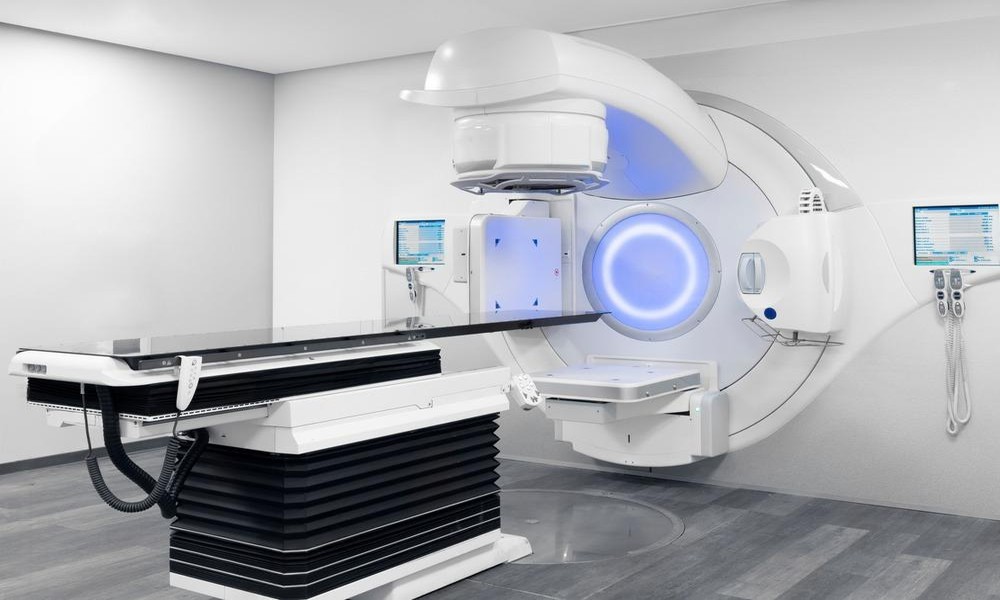
    This is the most common form of radiation therapy. High-energy beams are directed at the tumour from outside the body. EBRT is highly precise, allowing oncologists to focus on the cancer cells while protecting healthy tissues.

    Brachytherapy

    Also known as internal radiation, brachytherapy involves placing a radiation source directly inside or next to the tumour. This method delivers a high dose to the cancer while reducing exposure to surrounding organs. It is often used for cancers of the cervix, prostate, or head and neck.

    Stereotactic Radiotherapy and Radiosurgery

    These are advanced techniques that deliver very precise, high-dose radiation to small or hard-to-reach tumours. They are typically used for brain tumours, lung cancers, and other localised cancers, and may involve fewer treatment sessions than conventional therapy.

    How Radiation Controls Tumours

    Radiation therapy does more than simply attack cancer cells. Its primary purpose is to control tumour growth, complement other treatments, and improve patient outcomes. Modern radiation techniques allow doctors to deliver energy precisely to the tumour, tailoring treatment to each patient’s specific condition.

    Preventing Cancer Cell Division

    Radiation works at the cellular level to damage the DNA of cancer cells. This prevents them from dividing and multiplying, gradually reducing the size of the tumour over time. Healthy cells are better able to repair themselves, which helps limit side effects.

    Reducing Tumour Bulk

    For larger tumours, radiation can shrink the mass, making it easier for surgeons to remove the tumour completely or for other treatments to be more effective. By reducing tumour size, patients often experience improved symptom management and better overall treatment outcomes.

    Eliminating Microscopic Cells

    Even after surgery, some cancer cells may remain undetected. Radiation targets these microscopic cells, lowering the risk of recurrence and supporting long-term disease control.

    Managing Inoperable Tumours

    In situations where surgery is not feasible, radiation can slow or stop tumour growth. This helps alleviate symptoms such as pain, bleeding, or obstruction, improving daily comfort and quality of life.

    Enhancing Combination Therapy

    Radiation therapy is often combined with other treatments like chemotherapy or immunotherapy. By weakening cancer cells, it increases the effectiveness of these therapies, providing a more comprehensive approach to treatment.

    Supporting Patient Quality of Life

    Controlling tumour growth with radiation therapy helps patients maintain organ function, reduce discomfort, and remain active during their treatment journey. This focus on symptom relief and functional support is a key aspect of holistic cancer care.

    Benefits Beyond Tumour Control

    Radiation therapy does more than shrink tumours and halt cancer growth. It also offers a range of benefits that enhance patients’ quality of life and support overall treatment goals. Key benefits include:

    • Symptom Relief: Radiation can reduce pain, bleeding, or obstruction caused by tumours, helping patients feel more comfortable during treatment.
    • Improved Function: By targeting tumours in critical areas, radiation helps maintain organ function and overall mobility.
    • Adjunct to Other Treatments: Radiation often strengthens the effectiveness of chemotherapy, immunotherapy, or surgery, leading to better treatment outcomes.
    • Minimising Recurrence: Postoperative radiation can destroy remaining cancer cells, lowering the chance of the tumour returning.
    • Shorter Treatment Time with Advanced Techniques: Modern stereotactic and targeted radiation can reduce the number of sessions required, easing the burden on patients.
    • Psychological Support: Knowing that the tumour is being actively controlled can help reduce anxiety and provide patients with a sense of empowerment in their care journey.

    Managing Side Effects

    While radiation therapy is precise, it can still affect healthy tissues near the treatment area. Understanding potential side effects and how to manage them is important for patient comfort and safety.

    Common side effects may include:

    • Skin changes – Redness, dryness, or irritation in the treated area, similar to a mild sunburn.
    • Fatigue – A feeling of tiredness that can accumulate over the course of treatment.
    • Digestive issues – Depending on the tumour location, patients may experience nausea, diarrhoea, or loss of appetite.
    • Hair loss – Occurs only in the area being treated, such as the scalp for brain tumours.
    • Swelling or inflammation – Localised swelling may occur around the treatment site.

    Practical strategies to manage side effects:

    • Skin care – Use gentle, unscented moisturisers and avoid tight clothing on the treated area.
    • Rest and nutrition – Balance rest with light activity and maintain a nutritious diet to combat fatigue.
    • Hydration – Drink plenty of fluids to support overall health and reduce digestive discomfort.
    • Follow medical advice – Regularly consult your oncology team to address side effects promptly and adjust treatment if necessary.
    • Support services – Access counselling, support groups, or physiotherapy as recommended by the hospital.

    Conclusion

    Radiation therapy is a powerful cancer treatment technique, providing precise tumour control, symptom relief, and support for other treatments. Beyond reducing tumour growth, it helps patients maintain quality of life and stay active during their treatment journey. For those seeking advanced care and personalised treatment plans, consulting a reputable cancer hospital in India can make a significant difference. Skilled oncology teams, modern radiation technology, and comprehensive patient support work together to improve outcomes and ensure comfort throughout the therapy process.

    Frequently Asked Questions

    1. What is radiation therapy?

    Radiation therapy is a treatment that uses high-energy radiation to target and destroy cancer cells. It works at a cellular level to prevent cancer cells from growing and dividing, while minimising damage to healthy tissue.

    2. How does radiation therapy control tumours?

    Radiation damages the DNA of cancer cells, stopping them from multiplying. It can shrink tumours, eliminate microscopic cancer cells after surgery, and slow or stop the growth of inoperable tumours.

    3. Are there different types of radiation therapy?

    Yes. Common types include:

    • External beam radiation therapy (EBRT) – Delivers radiation from outside the body.
    • Brachytherapy – Internal radiation placed near or inside the tumour.
    • Stereotactic radiotherapy – Highly precise, high-dose radiation for small or difficult-to-reach tumours.

    4. Can radiation therapy be combined with other treatments?

    Yes. Radiation is often used alongside surgery, chemotherapy, or immunotherapy. Combining treatments can improve outcomes by making cancer cells more sensitive to therapy.

    5. What are the common side effects of radiation therapy?

    Side effects depend on the treatment area and type, but may include fatigue, skin irritation, digestive issues, hair loss in treated areas, and local swelling. Most side effects are temporary and manageable with proper care.

    6. How can patients manage side effects?

    Patients can manage side effects by following medical advice, using gentle skincare, maintaining hydration and nutrition, resting adequately, and accessing support services such as counselling or physiotherapy.

    7. How do I know if radiation therapy is suitable for me?

    The suitability of radiation therapy depends on your type and stage of cancer, overall health, and treatment goals. Consulting a reputable cancer hospital in India or an oncology specialist can help determine the best approach.

  • Personalised AMD Treatment Supporting Targeted Vision Care and Long-Term Stability

    Personalised AMD Treatment Supporting Targeted Vision Care and Long-Term Stability
    Clear attention toward body signals often helps people maintain steady visual function over many years. The eye plays a central role in daily reading, movement recognition, and personal independence. Gradual changes sometimes develop quietly, so regular observation protects sight quality, and Private age related macular degeneration treatment supports visual stability.

    Individual Health Pattern Review

    Understanding personal health patterns helps specialists shape suitable guidance for each person. Daily habits, rest quality, and stress levels often influence how visual ability changes with time. A detailed review helps identify factors that affect the eye and overall visual function.

    Consistent Visual Monitoring Habits

    Regular monitoring allows individuals to stay aware of small variations in clarity, brightness, or reading comfort. Gentle observation routines encourage people to notice changes before they become serious challenges.

    • Gentle morning checks help recognise small clarity changes before daily tasks begin
    • Writing short notes about visual comfort supports better personal health tracking
    • Calm lighting conditions support reading ability while reducing visual strain daily
    • Consistent rest breaks support stronger focus during long reading or screen time
    • Regular sleep patterns help visual organs recover after extended concentration hours

    Guided Lifestyle Adjustment Planning

    Daily habits strongly influence visual strength over time. Small lifestyle adjustments may protect delicate structures that support clear sight. Guidance plans usually encourage healthy routines that reduce pressure on the eye while improving general well-being, often supported alongside Private age related macular degeneration treatment for long-term visual care.

    Supportive Wellness Routine Building

    Healthy routines strengthen the body while helping visual ability remain steady through different life stages. Balanced physical activity, restful sleep, and calm mental focus can protect the eye from unnecessary pressure.

    • Balanced daily movement improves circulation, which supports healthy visual function
    • Proper hydration helps maintain tissue balance, supporting stable visual clarity
    • Calm breathing exercises reduce tension, which influences visual comfort during reading
    • Structured rest periods help the eye relax after extended attention tasks
    • Mindful posture during reading helps maintain clear focus without unnecessary strain

    Long Range Visual Protection

    Long-range protection depends on consistent habits, patience, and reliable professional guidance. Individuals benefit from routine check visits, which help track gradual changes in the eye. With supportive monitoring, people often maintain visual independence for extended years.

    Helpful Direction For Visual Wellbeing

    Maintaining steady visual ability requires patience, observation, and supportive guidance. Consistent health monitoring, balanced routines, and early professional support help people maintain stable sight for longer periods. Thoughtful lifestyle planning encourages individuals to respond quickly when small visual changes occur. With structured care habits and careful observation, many people continue daily activities confidently while protecting long-range visual strength.

    FAQ

    What daily habit helps maintain stable visual clarity during the ageing years?

    Balanced sleep, gentle lighting, and regular observation habits support healthy visual stability.

    Why is early monitoring helpful for protecting long-term visual ability?

    Early observation identifies small visual changes before they develop serious difficulty.

    How can lifestyle adjustments support stable sight during gradual visual changes?

    Healthy routines reduce strain while helping visual organs maintain balanced function.

  • Parents sometimes consider extra protection shots beyond routine childhood schedule

    Parents sometimes consider extra protection shots beyond routine childhood schedule

    When children are young, most parents simply follow the vaccine schedule given by doctors. It usually starts during the baby’s first months and continues through early childhood.

    At the beginning, parents rarely question it much. Doctors explain the timing, the purpose of each vaccine, and families attend the appointments when the dates arrive.

    The schedule itself may look long on paper. Several doses. Different ages. Many parents keep the vaccination booklet somewhere safe so they do not miss the next visit.

    During these early discussions, the children NCIS vaccinations at Keystone schedule is often explained as the main structure for childhood protection. It covers the most important diseases doctors want to prevent during the early years.

    For many families, simply following that schedule already feels like enough.

    And honestly, most of the time it is.

    Talking with doctors before deciding on extra protection

    Most parents do not decide on additional vaccines by themselves. They prefer to ask the doctor first.

    During the appointment, the doctor might review the child’s vaccination record and look at the age of the child. Previous doses also matter when planning anything new.

    Parents often ask practical questions during this discussion.

    Will the child need another injection during the same visit? Is it better to wait until the next appointment? Is the vaccine really necessary?

    Doctors usually explain things in simple terms.

    Sometimes they recommend it. Sometimes they say it is optional.

    And sometimes they simply say the current schedule is already enough.

    What usually happens during a vaccination consultation

    A vaccination visit usually begins with a quick conversation.

    The doctor or nurse checks the child’s vaccination record first. They confirm which doses were already given and what comes next.

    Parents sometimes ask questions during this time.

    Some ask whether the child may develop a mild fever later. Others ask if the child should rest after the injection.

    Most of the time, the injection itself happens very quickly.

    Children react in different ways. Some cry immediately. Others only realize afterward that something happened.

    And sometimes the reaction is barely noticeable.

    Every child is different.

    Keeping a complete record of every protection shot

    Vaccination records are more important than many parents realize.

    Each injection is recorded carefully so doctors know exactly what the child has received. Without those records, it becomes harder to track the schedule later.

    Parents usually keep the vaccination booklet somewhere safe at home.

    Over time the list of doses grows longer. One visit after another gets added to the record.

    When parents look back at it later, they often notice how the children NCIS vaccinations at Keystone schedule formed the base of their child’s protection, while any additional vaccines were simply added when the doctor felt they were useful.

    Nothing complicated really.

    Just small steps taken over several years.

  • Why routine medical checks quietly support long term personal wellbeing

    Why routine medical checks quietly support long term personal wellbeing

    People rarely wake up one morning and decide they need medical tests. Most of the time the idea appears slowly. Maybe someone at work mentions a health check they recently completed. Or a family member talks about discovering high cholesterol during a routine appointment.

    Little conversations like that sometimes stay in the mind longer than expected.

    Weeks later the thought comes back again. Maybe it would not be a bad idea to check things once in a while. Nothing serious. Just curiosity about what is happening inside the body.

    That is often how visits to a health screening clinic Keystone start. Not because someone feels ill, but because checking early feels slightly reassuring.

    Understanding the value of early detection

    The human body is surprisingly good at adapting. Small changes can happen quietly without causing obvious symptoms.

    Blood pressure might increase gradually across several years. Cholesterol can also build up without people really feeling anything different.

    And that is exactly what makes early detection useful.

    Doctors often explain that preventive tests help reveal changes before they become difficult to manage. Sometimes the results simply show that everything looks normal.

    Other times they highlight small numbers that deserve attention.

    Not necessarily a major problem. Just something to keep an eye on.

    Everyday health habits that support preventive care

    Medical tests matter, but they are only one piece of the picture. Daily habits tend to shape long term health much more.

    A lot of everyday choices quietly affect how the body functions. Balanced meals help. Staying somewhat active helps too. And sleep… that part matters more than many people expect. People who keep up with these habits often notice that their routine screenings come back fairly steady.

    Still, even those with good habits sometimes discover unexpected numbers during a checkup.

    Typical preventive evaluations may include:

    • Blood pressure measurement
    • Cholesterol level testing
    • Blood glucose assessment
    • Basic blood tests that review organ function

    These tests do not always reveal problems. In many cases they simply confirm that the body is functioning normally.

    And sometimes that confirmation alone brings peace of mind.

    How early results guide healthier decisions

    Numbers on a medical report can sometimes influence daily habits in unexpected ways.

    Someone who sees slightly elevated cholesterol might start walking more often in the evenings. Another person may begin paying closer attention to food choices.

    These changes rarely happen overnight.

    But awareness has a subtle effect. It encourages people to think differently about their health routines.

    And sometimes those small adjustments gradually improve future test results.

    Building a long term mindset around preventive care

    Often the results show that everything appears stable. Other times they highlight small areas worth monitoring.

    Either way, visiting a health screening clinic Keystone occasionally gives people a clearer understanding of how their body is doing.

    Not because something feels wrong. Sometimes just because staying informed feels like a sensible habit.

  • Choosing the right health screening package, based on age, and lifestyle needs

    Choosing the right health screening package, based on age, and lifestyle needs

    Daily routines keep changing with work pressure, sleep pattern changes, and diet habits. Regular check-up’s help track body condition before small problems become serious ones. A proper health screening package helps understand body signals through simple tests. Age level and daily habits decide what type of check-up is required. Correct selection helps avoid unnecessary tests and saves time during visits.

    Understanding age-related health test priorities

    Body condition changes slowly as years increase, with different needs appearing.Test selection should match the current health condition instead of random checking.

    Lifestyle habits influence medical test selection.

    Sleep routine, activity level, and stress control affect body performance daily.Correct evaluation helps decide which tests should be included in screening.

    Tests recommended for younger age groups

    Young adults usually need a basic health evaluation to track early changes.

    • Blood count check helps identify weakness signs before major symptoms appear.
    • Sugar level testing supports early control of future metabolic problems.
    • Vision and hearing checks improve work performance during long screen hours.
    • Weight and body fat measurements show fitness balance clearly.
    • Vitamin level analysis helps correct nutrition gaps at the right time.

    Important screenings for middle-aged monitoring

    Middle years require more careful tracking because risk factors increase gradually.

    • Cholesterol testing supports heart health monitoring during busy schedules.
    • Liver function check helps detect damage caused by irregular habits.
    • Kidney test confirms proper filtering function inside the body.
    • Blood pressure reading helps control silent risk conditions early.
    • Thyroid test identifies hormone imbalance affecting energy level daily.

    Health checks required for active lifestyles

    Regular activity demands proper monitoring to avoid hidden injuries or stress.

    • Muscle strength testing confirms body support during physical movements.
    • Bone density check helps prevent weakness caused by heavy activity.
    • Heart rhythm test ensures safe performance during intense exercise.
    • Hydration level test shows the balance of fluids inside the body.
    • Lung capacity check supports better breathing during workouts.

    Screening needs for sedentary routine workers

    Long sitting hours create different health concerns that need proper evaluation.

    • Spine posture assessment prevents long-term back discomfort problems.
    • Eye strain testing supports safe work during continuous computer use.
    • Blood sugar monitoring reduces the risk caused by a low movement routine.
    • Body mass index check shows weight increase early.
    • Stress level analysis helps control mental pressure from the workload.

    How often should health tests be done?

    Frequency depends on age group, work pattern, and family history.Regular check-up’s once every year help maintain a safe health condition.Doctor’s advice helps decide the correct interval for each test.

    What should be checked before selecting tests?

    Choosing the correct tests needs simple planning to avoid unnecessary procedures.

    • Review past reports to understand the previous health condition clearly.
    • Consider the daily routine to select useful medical examinations only.
    • Check family history for possible hereditary health problems early.
    • Confirm budget limit before selecting a long list of tests.
    • Ask a medical expert about the required tests for the current age group.

    Which factors decide a suitable screening option?

    The right choice depends on body condition, age level, and lifestyle balance.Extra tests are not always useful without proper medical guidance.Simple evaluation helps select the correct check-up without confusion.

    Testing Purpose Why It Matters Result Benefit Recommended Frequency
    Routine check Detect hidden infection early Prevent future complications Every 6 months
    Before relationship Ensure both partners safe Build trust between partners Before commitment
    After risk exposure Confirm current status quickly Reduce anxiety Immediately after concern
    Regular monitoring Track personal condition Maintain long term safety Once per year

    Better health decision

    Careful planning always gives better results than random testing methods. The right selection of health screening package helps maintain stable body condition. Age level with routine habits should guide every medical decision. Simple awareness prevents stress during hospital visits and report checking. Regular monitoring keeps life active with fewer unexpected health problems.

  • What Are The Active Symptoms Of Poor Heart Health?

    25th Feb 2026

    We, the human beings, will always raise questions about our existence; but in true essence, really, where did we come from, and how does our entire body function in such precise, perfect, optimized conditioning? The human heart – more than an organic entity, a structure that controls the entire body- is just beyond words to comprehend.

    Our heart works according to our body’s functionality, beating rapidly to keep us alive. When this important organ starts to suffocate, it sends out certain signals that can never be ignored. Understanding these symptoms by noticing irregular patterns can be the key difference between medication and an emergency. In this timeline, technology has skyrocketed. With these emerging advances, we can easily understand these symptoms and therefore make the right choices to seek immediate medical aid. With the popularity of healthcare apps like HealthSy, anyone can get access to a virtual doctor consultation and receive professional guidance from the comfort of their home.

    Importance of Heart Health: Why It Matters Most

    Heart diseases are leading the worldwide mortality rate at a rapid pace. The heart is responsible for pumping oxygen-rich blood throughout our entire body, and even if for a fraction of a second, its functionality takes a break or slows down, every known system in the body can be severely affected by it. Scheduling an online appointment with doctor can help detect issues early and allow them to take precautionary steps towards safer cardio health.

    Let us discuss and understand these symptoms accordingly:

    1. Chest Discomfort or Slight Burning Effect:

    The most recognized symptom of poor heart health is chest pain or discomfort, very similar to that of a burning sensation, in the medical spectrum known as angina. The main problem with identification is that it does not occur like the ones in the movies; it can be very similar to that of –

    • A feeling of heavy force on the chest
    • A burning sensation in the chest area
    • Discomfort that spreads to the shoulders, arms, neck, and jaw
    • Pain that worsens with physical activity

    If the affected person is experiencing this on a long-term basis, it is essential for them to seek immediate medical attention. HealthSy is a reliable health consultation app through which one can connect with a doctor or a medical professional who can examine, assess, and diagnose symptoms, thereby providing information on the next steps that should be followed. One can buy prescription medicine safely through this trusted online pharmacy and get their required treatment accordingly.

    2. Shortness of Breath:

    Shortness of breath can basically indicate that one’s heart is not pumping the right amount of blood efficiently, causing fluid buildup in the lungs. By getting a hands-on appointment with a doctor through Healthsy, the professional can clarify if the breathing difficulties are indeed heart-related or not. Heavy out-of-breath situations while performing daily activities can directly signal that there could be some sort of heart problem, so it should not be ignored.

    We all feel tired and fatigued out sometimes or later, but an unusual and persistent fatigue that does not improve with rest could immediately signal poor heart health. When the heart is unable to pump blood to fulfill one’s bodily needs, there is a dense feeling of being drained.

    3. Irregular Heartbeat (Arrhythmia):

    A healthy heart beats in a steady, regular rhythm. The moment there is a complication, the heart rate will undergo irregularities. While occasional irregularities can be normal, persistent changes in the heart rhythm directly signal a complication.

    What Are the Active Symptoms of Poor Heart Health?-Understanding Care, Consultation, and Ongoing Management:

    Poor heart health rarely develops overnight. In most cases, the body begins to show active warning signs long before serious cardiovascular complications occur. These signs typically indicate underlying concerns linked to blood pressure imbalance, cholesterol buildup, or reduced cardiac efficiency. Medical evaluation becomes necessary to prevent progression toward severe cardiovascular disease.

    Importance of Verified Medical Access in Heart Health Management:

    Modern digital healthcare systems have reshaped how individuals manage chronic conditions related to heart health. Instead of focusing solely on medicine acquisition, these regulated platforms emphasize safe medical validation, ensuring that treatment decisions originate from licensed healthcare professionals.

    By integrating real-time communication tools, digital record management, and secure health monitoring features, these platforms create a seamless bridge between patients and healthcare providers, making expert medical guidance more accessible, efficient, and personalized than ever before.

    In this evolving healthcare landscape, a health consultation app helps you connect with doctors anytime from home, offering convenience, timely support, and continuous care without the need for in-person visits.

    A structured healthcare process generally involves:

    • Medical consultation based on reported symptoms
    • Clinical evaluation before any treatment recommendation
    • Verified prescriptions issued by registered practitioners
    • Pharmacy-level verification aligned with regulatory standards
    • Secure delivery systems supporting treatment continuity

    Such regulated pathways help patients maintain uninterrupted care while ensuring compliance with healthcare safety norms.

    Role of Remote Health Consultation in Early Cardiac Monitoring:

    Accessible medical consultation plays a critical role when early symptoms of poor heart health appear. Digital consultation environments allow individuals to seek timely medical opinions without delay, especially for recurring symptoms like breathlessness or fatigue.

    Key consultation support typically includes:

    • Access to doctors from multiple medical specializations
    • Options for immediate or scheduled consultations
    • Professional assessment through audio, video, or chat interaction
    • Digitally documented treatment guidance
    • Short-term follow-up communication when symptom monitoring is required

    Early consultation often helps detect risk factors before they evolve into advanced cardiac conditions.

    Managing Blood Pressure for Heart Stability:

    Blood pressure imbalance is one of the strongest contributors to declining heart health. Active symptom management focuses heavily on lifestyle regulation and consistent monitoring rather than reactive treatment.

    Practical blood pressure management includes:

    • Monitor blood pressure regularly at home
    • Reduce excessive salt and processed food intake
    • Maintain consistent physical activity suited to age and condition
    • Manage stress through breathing or relaxation practices
    • Follow medically advised routines without interruption
    • Maintain healthy sleep cycles

    Cholesterol Regulation for Cardiovascular Protection:

    Elevated cholesterol levels silently affect arterial health, often without immediate symptoms until circulation becomes compromised. Preventive management remains essential.

    Cholesterol Control Practices:

    • Prefer fiber-rich foods such as fruits, vegetables, and whole grains
    • Limit saturated and trans fats
    • Maintain balanced body weight
    • Avoid smoking and excessive alcohol consumption
    • Engage in routine cardiovascular exercise
    • Schedule periodic lipid profile assessments

    Supporting Overall Heart Health Management:

    Many people choose to buy generic medicines to save money on treatment. However, affordability alone is not enough to ensure long-term cardiovascular wellness without proper guidance and structured care. Effective heart health management depends on consistency rather than emergency response. Individuals experiencing active symptoms benefit most from combining medical supervision with sustainable daily habits.

    Core Heart Health Maintenance Strategies:

    • Recognize symptoms early and seek evaluation promptly
    • Maintain routine health consultations
    • Follow structured dietary discipline
    • Stay physically active within safe limits
    • Track vital health indicators regularly
    • Adhere strictly to professional medical advice

    Conclusion:

    Understanding the active symptoms of poor heart health encourages proactive care rather than delayed intervention. Structured healthcare access, informed consultation, and disciplined lifestyle management together form the foundation for protecting long-term cardiovascular well-being. Do not wait for symptoms to degrade you internally. If you are someone experiencing any of the active symptoms of poor heart health discussed in this narrative, schedule an appointment with a doctor through apps like Healthsy today. Your heart works hard for you every single day. Make sure you’re working just as hard to secure it.

  • How Body Contouring Surgery Improves Proportion, Not Just Shape

    How Body Contouring Surgery Improves Proportion, Not Just Shape

    How a board-certified plastic surgeon in Newport Beach restores balance and harmony through advanced contouring techniques

    Many patients consider body contouring surgery to improve specific problem areas such as loose skin, stubborn fat, or weakened abdominal muscles. While improving shape is an important part of the process, the true goal of body contouring is to restore proportion and balance across the entire body. A well-contoured body is not defined by size alone, but by the relationship between different areas, including the waist, abdomen, hips, thighs, and chest.

    Dr. Siamak Agha, board-certified plastic surgeon in Newport Beach and founder of The Aesthetics Centers, specializes in advanced body contouring procedures designed to enhance overall proportion while maintaining natural appearance. His approach focuses on restoring harmony between body regions rather than simply reducing or enlarging individual areas.

    “The goal of body contouring is to create balance. True aesthetic improvement comes from restoring proportion, not just changing shape.”

    This philosophy helps patients achieve results that appear natural, refined, and long-lasting.

    Understanding the Importance of Body Proportion

    Body proportion refers to the balance between different areas of the body. Even small changes in one area can significantly affect overall appearance. For example, excess abdominal skin or fat can make the waist appear wider, disrupting natural balance between the upper and lower body.

    Similarly, loose skin in the thighs or flanks can affect how clothing fits and alter overall silhouette. Body contouring procedures address these concerns by refining shape and restoring proportional relationships between body regions.

    Improving proportion creates a more harmonious appearance that enhances natural anatomy. This results in a more balanced and aesthetically pleasing overall look.

    Dr. Siamak Agha carefully evaluates each patient’s anatomy to determine which areas should be refined to restore proportion.

    How Body Contouring Targets Multiple Areas

    Body contouring often involves treating multiple areas to achieve balanced results. Procedures such as tummy tuck, liposuction, thigh lift, and body lift work together to improve overall contour.

    A tummy tuck removes excess skin and tightens abdominal muscles, restoring a flatter, firmer abdomen. Liposuction removes stubborn fat deposits that disrupt natural contours. A thigh lift improves firmness and smoothness in the legs.

    By addressing multiple areas, Dr. Agha ensures the entire body appears balanced and proportionate rather than focusing on a single isolated region.

    This comprehensive approach creates results that appear natural and harmonious.

    Why Removing Excess Skin Improves Overall Balance

    Excess skin is one of the most common causes of disproportion, particularly after weight loss or pregnancy. Loose skin can create uneven contours and affect how the body appears both in and out of clothing.

    Removing excess skin restores smoother, firmer contours and allows the body’s natural shape to re-emerge. This improves overall proportion and enhances silhouette.

    Patients often notice that clothing fits more comfortably and that their body appears more balanced after surgery.

    “Restoring smooth contours helps reveal the body’s natural proportions and enhances overall appearance.”

    This improvement contributes to both aesthetic and functional benefits.

    How Muscle Repair Enhances Structural Support

    Body contouring procedures such as tummy tuck involve repairing separated abdominal muscles. This structural repair improves both contour and physical support.

    Restoring muscle strength helps flatten the abdomen and improve posture. This contributes to improved balance between the upper and lower body.

    Muscle repair also helps prevent abdominal bulging, creating a smoother and more defined waistline.

    Dr. Siamak Agha’s advanced surgical techniques ensure muscle repair is performed safely and effectively, supporting long-term contour improvement.

    Personalized Surgical Planning Is Essential

    Every patient has unique anatomy and aesthetic goals. Personalized planning ensures body contouring procedures are tailored to achieve balanced results.

    Dr. Siamak Agha carefully evaluates body structure, skin elasticity, and contour distribution during consultation. This allows him to develop customized surgical plans that address individual needs.

    His goal is to enhance natural proportions while preserving each patient’s unique features.

    At The Aesthetics Centers in Newport Beach, patients receive individualized care designed to achieve optimal aesthetic outcomes.

    Why Choosing a Board-Certified Plastic Surgeon Matters

    Body contouring surgery requires advanced expertise and precision. Choosing a board-certified plastic surgeon ensures procedures are performed safely and effectively.

    Dr. Siamak Agha is a board-certified plastic surgeon with extensive experience in advanced body contouring procedures. His expertise allows him to create refined results that enhance overall proportion.

    His personalized approach ensures each procedure is tailored to the patient’s anatomy and goals.

    Patients benefit from modern surgical techniques, comprehensive care, and expert guidance throughout the process.

    Restoring Confidence Through Balanced Results

    Body contouring surgery offers more than cosmetic improvement. It restores balance, proportion, and confidence. Patients often feel more comfortable in their clothing and more satisfied with their appearance.

    By improving proportion rather than simply altering shape, body contouring provides natural-looking and long-lasting results.

    Dr. Siamak Agha and The Aesthetics Centers in Newport Beach provide advanced body contouring procedures designed to enhance natural beauty and restore confidence.

    Schedule a consultation with Dr. Siamak Agha, board-certified plastic surgeon in Newport Beach, to learn how body contouring surgery can restore balance and proportion.

  • How to Meditate for Beginners with a Simple 10 Minute Routine

    How to Meditate for Beginners with a Simple 10 Minute Routine

    Learning how to meditate doesn’t require a silent retreat, special equipment, or an hour of free time. For beginners, the most effective approach is often the simplest one: a short routine that fits into real life. Meditation is less about “clearing the mind” and more about training attention-returning to the present moment when the mind wanders (because it will).

    This guide breaks meditation into a practical 10-minute practice that can be done at home, at work, or anywhere a person can sit comfortably for a few minutes.

    What Beginners Should Know Before Starting

    New meditators often assume they’re doing it wrong if thoughts keep appearing. In reality, noticing distraction and returning to the breath (or another anchor) is the practice. A successful session is not a perfectly quiet mind-it’s showing up and practicing the return.

    A few helpful expectations:

    1. Consistency matters more than duration.
    2. Issues of comfort, more than posture perfection.

    The Simple 10-Minute Meditation Routine

    Beginners who want a clear structure can use this plan. It’s intentionally straightforward, so it’s easy to repeat daily.

    Minute 0-1: Settle In

    A beginner sits with a tall but relaxed spine. Feet can be on the floor, hands resting on thighs, and shoulders soft. One deeper inhale and a slow exhale can signal the start.

    Minutes 1-3: Choose An Anchor

    A beginner picks one anchor and stays with it: breath at the nostrils, breath in the belly, or a soft mental note like “in” and “out.” When the mind drifts, the focus simply returns without criticism.

    Minutes 3-8: Practice The Return

    The anchor stays at the center of attention. If strong thoughts pull focus away, beginners can label them gently (“thinking,” “planning,” “worrying”) and return to the breath. This makes the process feel less personal and more mechanical.

    Minute 8-10: Close With Intention

    Awareness widens to include the body and sounds in the environment. One slow inhale and exhale can complete the session, followed by opening the eyes. Many beginners find it helpful to choose one quality to carry forward-calm, clarity, patience, or kindness.

    For those who prefer a structured approach, the resource page on how to meditate can serve as a reference to maintain consistency across sessions.

    Common Beginner Mistakes And Quick Fixes

    Most challenges are typical and easy to adjust to.

    “I Can’t Stop Thinking.”

    That’s expected. The goal is to notice thinking sooner and return more gently.

    “I Feel Uncomfortable Sitting Still.”

    Beginners can use a chair, support the back, or place a cushion under the hips. Comfort helps consistency.

    “I Get Sleepy.”

    Beginners can meditate earlier in the day, sit more upright, or keep the eyes slightly open.

    How To Make Meditation A Habit That Sticks

    Beginners often succeed when meditation is small and scheduled. They can attach it to something already consistent: after brushing teeth, before coffee, or right after shutting down a laptop. Tracking two weeks with a simple check mark can also help build momentum.

    Over time, people who practice meditation consistently often notice practical benefits like steadier focus, better sleep, and a calmer response to everyday stress.

    The Takeaway

    Meditation is a skill built one return at a time. With a simple 10-minute routine and realistic expectations, beginners can build a practice that actually sticks-and supports calmer, clearer days.

  • How Glaucoma Damages Vision and Why Early Detection Matters

    How Glaucoma Damages Vision and Why Early Detection Matters

    Understanding the silent progression of glaucoma and how early diagnosis protects long-term eyesight.

    Glaucoma is often called “the silent thief of sight,” and for good reason. Unlike many eye conditions that cause noticeable discomfort or sudden visual changes, glaucoma typically develops slowly and quietly. In its earliest stages, most people feel completely normal and see clearly. There is no pain, no redness, and no immediate disruption to daily life. Yet beneath the surface, damage may already be occurring to the optic nerve, the delicate structure responsible for carrying visual information from the eye to the brain.

    By the time symptoms become obvious, permanent vision loss has often already occurred. This is what makes glaucoma one of the most serious and misunderstood eye diseases today. It is also why early detection and consistent monitoring are essential for protecting long-term eyesight. At Anaheim Eye Institute, glaucoma care is built around identifying the condition as early as possible, slowing its progression, and preserving vision for decades to come.

    Understanding how glaucoma damages vision, how that damage progresses, and why early diagnosis makes such a dramatic difference can empower patients to take proactive steps before their eyesight is permanently affected.

    How glaucoma quietly attacks the optic nerve

    The optic nerve functions like a high-speed communication cable, transmitting visual signals from the retina to the brain. Glaucoma damages this nerve gradually, often due to increased pressure inside the eye or poor blood flow to the nerve fibers. Over time, this damage interrupts the transmission of visual information, leading to blind spots and eventually widespread vision loss.

    In most forms of glaucoma, pressure builds up when the fluid inside the eye, called aqueous humor, does not drain properly. This pressure compresses the delicate fibers of the optic nerve, slowly destroying them. Each fiber lost represents a tiny piece of visual information that will never be restored.

    What makes this process especially dangerous is how subtly it unfolds. Peripheral vision is usually affected first. A person may still read, drive, and work normally while gradually losing side vision without realizing it. The brain compensates remarkably well, filling in missing information and masking early defects.

    “Glaucoma does not announce itself. It erodes vision quietly, one nerve fiber at a time, often without the patient noticing until meaningful damage has already occurred.”

    As damage accumulates, tunnel vision may develop, where only the central portion of the visual field remains intact. In advanced cases, even central vision becomes compromised, leading to severe visual impairment or blindness.

    Once optic nerve fibers are destroyed, current medical science cannot regenerate them. This is why glaucoma management focuses on preventing future damage rather than reversing what has already occurred.

    Why early glaucoma detection changes everything

    The single most important factor in preserving vision with glaucoma is timing. When the disease is identified early, treatment can significantly slow or halt its progression. Patients who begin care in the early stages often maintain functional vision for the rest of their lives.

    Routine comprehensive eye exams play a critical role in early detection. These exams measure intraocular pressure, evaluate the optic nerve, assess peripheral vision, and increasingly rely on advanced imaging technologies that detect microscopic changes long before vision loss is noticeable.

    At Anaheim Eye Institute, modern diagnostic tools allow specialists to identify subtle nerve fiber thinning, early pressure abnormalities, and minor visual field changes that would have gone unnoticed just a decade ago. This proactive approach enables intervention while vision is still fully intact.

    Early treatment typically involves prescription eye drops to lower eye pressure, lifestyle recommendations, and regular monitoring. In some cases, laser therapy or minimally invasive procedures may be recommended to improve fluid drainage and stabilize pressure.

    When glaucoma is diagnosed late, treatment options become more limited. While progression can still be slowed, lost vision cannot be recovered. This is why patients with risk factors such as family history, diabetes, high blood pressure, or age over 40 are strongly encouraged to schedule regular screenings.

    The emotional and practical impact of untreated glaucoma

    Vision loss affects far more than eyesight alone. It alters independence, confidence, mobility, and quality of life. Patients with advanced glaucoma often struggle with driving, reading, recognizing faces, and navigating unfamiliar environments. These challenges can lead to social isolation, anxiety, and increased risk of falls and injuries.

    Glaucoma is particularly devastating because it often leads to preventable outcomes. Many individuals who suffer significant vision loss were unaware they were developing the disease until it progressed.

    “Glaucoma is not just an eye condition. It is a life-altering disease when left undetected.”

    Early diagnosis changes the narrative entirely. Instead of reacting to irreversible damage, patients gain control over the disease. They move from crisis management to long-term preservation, maintaining their independence and daily routines.

    Who is most at risk for glaucoma

    Although anyone can develop glaucoma, certain factors significantly increase risk. Age is a strong predictor, with prevalence rising sharply after 40 and even more after 60. Family history also plays a major role, as genetics can influence optic nerve vulnerability and eye pressure regulation.

    Medical conditions such as diabetes, cardiovascular disease, migraines, and chronic steroid use may further elevate risk. Individuals with thin corneas, severe nearsightedness, or a history of eye injury are also more susceptible.

    Ethnicity matters as well. African American and Hispanic populations experience higher rates of open-angle glaucoma and are more likely to develop severe vision loss if not treated early.

    Consistent screening remains the most reliable safeguard, as many risk factors remain unchangeable. Even patients with perfect vision should not assume their eyes are healthy without professional evaluation.

    Modern glaucoma care focuses on preservation, not perfection

    There is no cure for glaucoma, but there is highly effective management. The goal of treatment is simple but powerful: lower eye pressure to a level that prevents further optic nerve damage.

    Modern care strategies are individualized. Two patients with the same diagnosis may require different treatments depending on pressure levels, nerve appearance, lifestyle, and overall health.

    Consistent use of eye drops consistently provides safe and effective pressure reduction. Laser treatments can enhance natural drainage pathways with minimal discomfort and downtime. Surgical options, including minimally invasive glaucoma surgery (MIGS), provide additional tools when medications alone are insufficient.

    At Anaheim Eye Institute, treatment plans are tailored to the patient, not just the diagnosis. This personalized approach improves compliance, comfort, and long-term outcomes.

    Regular follow-up appointments are essential. Glaucoma is dynamic, not static. Pressure levels fluctuate, the optic nerve changes gradually, and treatment effectiveness must be continually reassessed.

    Living well with glaucoma starts with awareness

    A glaucoma diagnosis does not mean inevitable blindness. With early detection and proper care, most patients retain useful vision for life. The key is understanding that glaucoma is a chronic condition requiring long-term partnership between patient and physician.

    Daily habits matter. Taking medications as prescribed, attending follow-up visits, and reporting any changes in vision promptly all contribute to successful management. Patients who actively participate in their care experience better stability and peace of mind.

    Education also plays a powerful role. When patients understand what glaucoma is doing inside their eyes, they become more motivated to protect their vision and less fearful of the unknown.

    “Knowledge transforms glaucoma from a silent threat into a manageable condition.”

    Why specialized care matters

    Not all eye exams are the same. Glaucoma requires specialized evaluation, advanced imaging, and experienced interpretation. Without the proper technology and clinical expertise, it is possible to miss subtle nerve changes.

    Anaheim Eye Institute combines comprehensive diagnostics with a patient-centered philosophy, ensuring that glaucoma is detected early, monitored precisely, and treated effectively. This integrated approach allows patients to move forward with confidence, knowing their vision is being protected with modern medicine and attentive care.

    If you haven’t had a comprehensive eye exam recently, or if you have a family history of glaucoma, scheduling an evaluation is crucial for your long-term health.

    If you are concerned about glaucoma or are due for an eye exam, schedule a comprehensive screening with Anaheim Eye Institute to protect your vision before damage occurs. Early detection can make the difference between lifelong clarity and irreversible vision loss.

  • Mastering Russian Volume Eyelash Extensions: Techniques and Application

    Mastering Russian Volume Eyelash Extensions: Techniques and Application

    This guide delves into the sophisticated world of a popular advanced beauty technique. It focuses on creating full, fluffy lashes with a surprisingly lightweight feel. This method has revolutionised client expectations in salons across the United Kingdom.

    The process involves using ultra-fine synthetic fibres, often as thin as 0.03 mm. These fibres are crafted into multi-strand fans. Artists then attach each fan to a single natural lash for a dramatic yet comfortable result.

    Readers will find evidence-based insights here. For instance, sets built with 0.05 mm fibres show remarkable resilience. They can maintain up to 95% of their curl after a full four weeks.

    This resource is designed for both new and experienced lash technicians. It covers everything from fibre selection to advanced fan creation. The goal is to help professionals refine their skills and expand their service offerings effectively.

    The article also explores the business advantages of offering this premium service. Real-world data indicates a significant potential increase in average ticket value. This makes it a valuable addition to any salon’s menu.

    Key Takeaways

    • Russian volume lashes use incredibly fine fibres to build lightweight, multi-strand fans.
    • This technique originated as an advanced method developed by professional lash artists.
    • Properly applied sets can achieve excellent curl retention for up to four weeks.
    • Salons can leverage this service for premium pricing and increased client loyalty.
    • The guide provides step-by-step instructions for both beginners and seasoned technicians.
    • Understanding the technical specifications is crucial for creating stunning, long-lasting results.
    • Adopting this method can lead to measurable business benefits and higher customer satisfaction.

    Introduction to Russian Volume Lash Extensions

    Unlike traditional methods, this advanced approach focuses on creating multi-fibre fans for a feathery, full effect. It represents a significant evolution in the world of eyelash extensions.

    The core principle is simple yet transformative. Instead of the classic 1:1 ratio, a handmade fan of multiple ultra-fine extensions is attached to each individual natural lash. This creates incredible density without a heavy feel.

    The fibres used are remarkably thin, typically between 0.03 and 0.07 mm. This fineness is the key to comfort and health. Multiple strands can be applied safely without overburdening the client’s own lash.

    The result is a look of soft, dimensional beauty. Clients achieve the dramatic fullness they desire while enjoying a lightweight, comfortable wear. This guide will explore how these stunning volume lashes are crafted.

    Key Differences: Classic vs. Volume Lashes

    Feature Classic Extensions Russian Volume Lashes
    Application Ratio One extension per natural lash One fan (2-6D) per natural lash
    Fibre Diameter 0.15 – 0.20 mm 0.03 – 0.07 mm
    Final Look Natural, defined length Full, fluffy, and voluminous
    Ideal For Subtle enhancement Maximum drama and density

    This technique allows for incredible customisation. Fans can range from a subtle 2D to a bold 8D or more. The artistry lies in tailoring the volume to each client’s unique eye shape and style.

    The Evolution of Russian Volume Techniques

    The development of Russian volume extensions represents a significant milestone in lash artistry. It began with creative Russian artists seeking to overcome classic method limitations.

    Initially, creating multi-strand fans required exceptional skill and considerable time. This painstaking process limited accessibility to only the most experienced technicians.

    As the technique gained popularity across Europe, standardised training programmes emerged. Specialised tools were developed, making Russian volume more accessible to artists at various skill levels.

    Continuous refinement marked the evolution. Fan-making methods improved alongside adhesive formulations and fibre technology. Each advancement contributed to better retention and comfort.

    Today’s techniques benefit from years of collective industry experience. Lash artists share best practices and push creative boundaries. The method has transformed from niche speciality to essential skill.

    “The evolution reflects broader trends in the beauty industry towards customisation and dramatic yet wearable enhancements.”

    This historical journey shows how innovation drives the beauty sector forward. What started as an experimental approach now sets global standards for eyelash artistry.

    Mastering Russian Volume Eyelash Extensions Techniques and Application

    The artistry behind creating flawless volume lash extensions centres on the meticulous process of handmade fan formation. This approach gives technicians superior control over width, curl, and placement compared to pre-made alternatives.

    Each handmade fan consists of multiple ultra-fine fibres crafted into a symmetrical shape. Artists tailor these fans to match the client’s natural lash strength and desired aesthetic outcome. This customisation ensures natural-looking, comfortable results.

    Precise isolation forms the foundation of successful application. Technicians must separate each natural lash before attaching a fan. This prevents lashes from sticking together and maintains comfortable wear throughout the retention period.

    Developing consistent manual dexterity is essential for quality results. Proper training helps artists create fans with even distribution and appropriate width. Practice builds the muscle memory needed for reliable performance.

    The technique extends beyond fan creation to strategic lash mapping. Artists plan where to place different fan sizes and lengths. This creates balanced, flattering results that complement individual eye shapes.

    Environmental factors significantly impact fan integrity and retention. Adhesive viscosity, humidity levels, and room temperature all influence how well the lash extensions perform. Understanding these variables separates novice technicians from experts.

    Professional development typically progresses from theoretical understanding to supervised practice. Each stage builds essential competencies for independent application. Troubleshooting skills develop through experience with common challenges like fan closure or uneven lines.

    Essential Tools and Materials for Precise Application

    The precision of a Russian volume set relies heavily on the calibre of equipment used. Superior tools directly influence the artist’s control, the client’s comfort, and the longevity of the lash extensions.

    Investing in professional-grade supplies from the outset is a strategic decision. It lays the groundwork for efficient, high-quality work that builds client trust and satisfaction.

    Optimal Tools Selection

    Specialised tweezers are the cornerstone of this technique. Volume tweezers have fine, angled tips designed for picking and fanning multiple ultra-fine fibres with ease.

    Isolation tweezers, with their straight or curved tips, are equally vital. They allow the technician to separate individual natural lashes securely, preventing them from sticking together during the application.

    Organisational aids like lash tiles and adhesive rings are also important. They help maintain a tidy workspace, which is crucial for a smooth, uninterrupted procedure.

    Quality Adhesives and Materials

    The choice of adhesive is critical for retention. A professional-grade, fast-drying formula designed for volume work ensures a strong, safe bond.

    High-quality lash fibres in various diameters, lengths, and curls provide the versatility needed for customisation. These products form the literal building blocks of the final look.

    Supplementary products like primer, cleanser, and remover complete the kit. They ensure proper preparation and safe maintenance of the extensions.

    Whilst the initial investment in top-tier tools and materials may be higher, it pays dividends. Better application speed, superior results, and improved client retention make it a wise long-term choice for any serious technician.

    Crafting Perfect Handmade Fan Extensions

    Handmade fan extensions represent the technical heart of premium volume lash artistry. This process allows complete control over fan width and density. The outcome is more natural-looking results with superior curl retention.

    Techniques for Consistent Fan Formation

    The journey begins with selecting ultra-fine fibres, typically 0.05mm for optimal flexibility. Specialised volume tweezers are essential tools here. They differ significantly from classic tweezers designed for single lash work.

    Artists gently pick 2-6 extensions from their strip. Perfect tip alignment is crucial for consistent length. All fibres must lay parallel on the tweezers before fan formation begins.

    The “blooming” technique follows. This involves carefully bending the extension base while holding tips steady. The fibres splay naturally into a symmetrical shape resembling a peacock’s tail.

    Adhesive application requires precision. A light dot at the fan base prevents clumping. Waiting 3-5 seconds allows optimal tackiness development. This ensures strong bonding without stiffness.

    Properly formed fans show even spacing between each extension. They feature a tight, well-defined base for secure adhesion. Tips align perfectly without stray fibres crossing.

    Mastering this handmade approach distinguishes expert artists. It enables customisation for each individual natural lash. The technique justifies premium pricing through superior aesthetic results.

    Detailed Step-by-Step Application Process

    Achieving professional results with volume lashes hinges on mastering a systematic approach that prioritises both aesthetics and safety. This meticulous process ensures each client receives a customised set that enhances their natural beauty while protecting lash health.

    The entire procedure typically requires 2.5 to 3.5 hours for a complete set. This time investment reflects the precision needed to apply fans to approximately 120-140 individual natural lashes.

    Consultation and Lash Mapping

    The initial consultation forms the foundation of a successful application. During this critical step, the technician assesses the client’s natural lash density, strength, and eye shape.

    Lifestyle factors and desired outcomes inform the custom design plan. The artist decides on fan density, curl type, and length progression during mapping.

    This planning stage ensures the final look complements the client’s unique features. Strategic placement patterns create balanced, flattering results that appear naturally voluminous.

    Precise Application and Finishing Touches

    Thorough cleansing prepares the lashes by removing oils and residue. Under-eye protection secures lower lashes while the technician works.

    Meticulous isolation separates each single natural lash using specialised tweezers. This precision prevents accidental bonding and maintains lash health throughout the process.

    Artists create handmade fans and apply adhesive with careful timing. Each fan positions 1-2 mm from the eyelid, aligning with natural growth patterns.

    Regular symmetry checks ensure balanced results between both eyes. The final step includes adhesion verification and comprehensive aftercare guidance.

    Retention, Longevity and Aftercare Strategies

    The longevity of a meticulously applied lash set is a partnership between the technician’s skill and the client’s daily habits. A well-executed set can maintain its beautiful, full look for four to six weeks. This duration depends heavily on proper aftercare and the natural health of the client’s own lashes.

    Infills are typically recommended every two to four weeks to preserve optimal density. This approach is healthier for the natural lashes than frequent full sets.

    Aftercare Dos and Don’ts

    The first 24 to 48 hours are critical for the adhesive to cure fully. During this time, clients must avoid steam, saunas, and heavy workouts. Water exposure and oil-based skincare products around the eyes should also be avoided.

    A simple daily routine ensures the extensions stay flawless. Gently brushing the lashes with a clean spoolie keeps fans aligned. Cleansing two to three times weekly with an oil-free, lash-specific cleanser removes debris without damaging the bond.

    Common mistakes can shorten the life of the extensions. Rubbing or pulling at the lashes causes premature loss. Using oil-based makeup removers breaks down the adhesive. Side-sleeping can crush the fans, deforming their shape.

    Essential Aftercare Guide for Clients

    Action Do Don’t
    First 48 Hours Keep lashes completely dry; sleep on your back. Expose to steam, saunas, or vigorous exercise.
    Daily Care Brush gently with a clean spoolie wand. Use oil-based products near the eye area.
    Cleansing Wash 2-3 times a week with specialist cleanser. Rub or pull lashes when removing makeup.
    Long-Term Maintenance Schedule infill appointments every 2-4 weeks. Wait for all extensions to fall out before a refresh.

    By following these strategies, clients enjoy their stunning look for the full wear period. This protects their natural lashes and justifies the investment in the service.

    Avoiding Pitfalls & Common Mistakes in Volume Application

    Even the most skilled lash artist can encounter hurdles when creating multi-fibre fans. Recognising these common challenges is the first step towards delivering consistently flawless and comfortable results for every client.

    A proactive approach focuses on prevention through meticulous technique. This ensures the health of the client’s natural lash and the longevity of the extensions.

    Common Challenges in Fan Formation

    Several issues can arise during the application process. Understanding their root causes is essential for effective problem-solving.

    • Fan Closure or Clumping: This often stems from using too much adhesive or not allowing sufficient drying time. It can create a heavy, unnatural look.
    • Premature Shedding: This typically indicates that the fan is too heavy for the supporting one natural lash. Poor isolation, where multiple natural lashes stick together, is another common cause.
    • Uneven Lash Lines: An inconsistent or “spiky” appearance usually results from uneven fan lengths or a lack of pre-planned mapping. This disrupts the desired fluffy effect.

    Expert Problem-Solving Approaches

    Expert technicians address these issues with targeted strategies. Their methods prioritise the integrity of the client’s own lashes.

    For fan-related problems, the solution lies in technique refinement. Using a minimal number of adhesive dots and ensuring correct tack time prevents clumping. Matching the density of the volume fan to the strength of each individual natural lash prevents premature shedding.

    To avoid irritation, artists must place each fan precisely 1-2 mm from the lash line. This prevents skin contact with the adhesive. A thorough consultation and patch test can also identify potential sensitivities before the full application begins.

    Ultimately, continuous practice and education empower artists to troubleshoot effectively. This builds the confidence needed to master advanced volume techniques and achieve stunning outcomes on every set of lashes.

    Customised Styling and Dramatic Customisations

    The true artistry of customised styling lies in its ability to transform a client’s vision into a wearable reality. This approach allows technicians to create personalised looks ranging from subtle enhancements to bold statements.

    Each client benefits from adjustments to multiple variables. Artists can modify fan density, curl type, and length progression. Strategic placement patterns complement unique eye shapes and facial features.

    Styling Options for Different Preferences

    Style Fan Density Best For Final Effect
    Natural Look 2D-3D Workplace appropriateness Subtle enhancement
    Glamorous Style 5D-8D+ Special occasions Maximum impact
    Dramatic Customisation 6D-10D+ Fashion-forward clients Avant-garde statement

    Eye shape considerations significantly influence design choices. Techniques like “cat-eye” effects elongate the outer corners. “Doll-eye” styles emphasise centre lashes for an opening effect.

    These volume extensions offer a perfect middle ground. They create fuller, more striking results than classic methods. Yet they remain lighter than mega volume alternatives.

    “The consultation process becomes the foundation for successful customisation, where artist and client collaborate to achieve the perfect balance between vision and practicality.”

    Length layering prevents uniform artificial appearances. It creates dimensional lash lines that mimic natural distribution. This technique ensures voluminous lashes appear authentically fluffy.

    Ultimately, the versatility of these extensions serves diverse client needs. From brides seeking photogenic looks to professionals wanting subtle enhancement. The customisation possibilities are nearly endless.

    Salon Success: Business Insights and Industry Trends featuring Penelope Academy Ltd

    Integrating advanced lash services into a salon’s portfolio offers a powerful strategy for business growth. The move towards Russian volume techniques represents a significant trend in the UK beauty industry.

    Real-world data confirms the financial benefits. One salon reported an 18% increase in average ticket value by upgrading classic clients to 3D-5D volume sets. This approach builds longer-term relationships.

    Strategies from Penelope Academy Ltd

    The premium pricing of these extensions is justified. It reflects the advanced skill and extra time required for application. Clients appreciate the dramatic, long-lasting results.

    Salons can differentiate themselves from basic lash shops. Offering high-quality volume sets builds a loyal customer base. This is especially true when paired with excellent aftercare guidance.

    Structured infill scheduling, typically every two to three weeks, transforms one-time visitors into recurring clients. This improves retention rates significantly.

    Penelope Academy Ltd emphasises that success requires more than technical training. It involves business strategy and client education. This framework maximises both service quality and commercial viability.

    Key industry trends driving demand include:

    • Growing consumer awareness through social media.
    • The technique’s balance of drama and wearability.
    • Word-of-mouth recommendations from satisfied clients.

    Investing in comprehensive training positions a salon as a premium destination. It differentiates through demonstrable expertise and superior lash results.

    Comparing Russian Volume, Hybrid, and Classic Lash Techniques

    The choice between different lash application methods significantly influences both the final aesthetic outcome and the practical considerations for clients and technicians alike. Each technique offers unique benefits tailored to specific preferences and natural lash conditions.

    Key Differences in Application and Look

    Classic lashes follow the traditional approach of attaching one extension to each natural lash. This creates subtle enhancement perfect for workplace settings or clients preferring minimal change.

    Russian volume lash extensions use multiple ultra-fine fibres formed into fans. These fans attach to individual natural lashes, creating dramatic fullness while remaining lightweight.

    Hybrid techniques blend classic and volume methods. They offer a balanced look with more texture than classic sets but less intensity than full volume applications.

    Technique Comparison Guide

    Feature Classic Lashes Hybrid Lashes Russian Volume Lash
    Application Ratio 1 extension per natural lash Mix of 1:1 and volume fans 2-8D fans per natural lash
    Time Required 1.5-2 hours 1.5-2.5 hours 2.5-3.5 hours
    Final Appearance Natural definition Textured dimension Full, fluffy volume
    Ideal Client Subtle enhancement seekers Transitioning from classic Maximum drama desired

    This frequently asked comparison helps clients understand that technique selection depends on individual factors. Natural lash health, desired aesthetic, and maintenance commitment all influence the ideal choice.

    The number of extensions varies substantially across methods. Classic sets use approximately 50-80 individual extensions per eye. Volume techniques may involve hundreds of fibres creating the final look.

    Advanced Tips for Lash Artists and Expert Training featuring Penelope Academy

    Continuous skill development separates competent technicians from true experts in the field of eyelash extensions. Professional lash artists who specialise in advanced methods understand that ongoing education is essential for career advancement.

    These professionals cultivate personalised workflows that balance speed with quality. They strategically organise materials and maintain focus throughout lengthy application sessions.

    Innovative Techniques by Penelope Academy

    Expert-level application involves understanding how environmental factors affect results. Room temperature, humidity, and air circulation all influence adhesive performance during multi-hour procedures.

    Advanced fan creation extends beyond basic symmetrical designs. Techniques include textured fans with varied lengths and mega-volume options for clients with strong natural lashes.

    Professional development through programmes like those offered by Penelope Academy provides structured learning pathways. This training includes hands-on practice and expert feedback that validates competency.

    Investing dedicated hours in mastering these methods pays substantial dividends. It leads to improved client satisfaction and enhanced professional reputation within the beauty industry.

    Conclusion

    As we conclude this exploration of premium lash artistry, the transformative potential of sophisticated techniques becomes clear. This comprehensive guide has detailed every essential step in creating stunning multi-dimensional results.

    Russian volume lashes represent more than a trend—they are an art form that combines technical precision with creative vision. The extensions offer clients unparalleled comfort and dramatic enhancement. For professionals, mastering these methods opens doors to premium services and business growth.

    The journey through advanced eyelash extensions demonstrates how dedication to skill development yields remarkable rewards. Whether you’re new to the field or seeking to refine your expertise, the path forward is clear. Embrace the opportunity to transform your beauty practice with these innovative techniques.

    FAQ

    What exactly are Russian volume lashes?

    Russian volume lashes involve the meticulous application of multiple ultra-fine extensions to a single natural lash. This technique creates a handmade fan, resulting in a much fuller and more dramatic look than classic lashes. The goal is a dense, soft, and feathery appearance.

    How long does a full set of volume lash extensions take to apply?

    A full set application typically requires between two to three hours. The time depends on the desired density and the natural lash health of the client. This process is more time-consuming than classic lash application due to the intricate fan-making technique.

    What is the difference between classic and volume eyelash extensions?

    Classic extensions apply one extension to one natural lash for a natural enhancement. Volume lash extensions attach a handmade fan of multiple, finer extensions to a single natural lash. This offers a far more voluminous and dramatic result.

    How many extensions are in a typical Russian volume fan?

    A standard fan often contains between two to six lightweight extensions. The number used depends on the client’s natural lash strength and the desired intensity of the look. A skilled lash artist will assess which weight the natural lash can safely support.

    What is the average longevity of a volume lash set?

    With proper aftercare, volume lashes can last through a full natural lash growth cycle, typically around six to eight weeks. To maintain a full appearance, clients are advised to schedule infill appointments every two to three weeks.

    Are Russian volume lashes safe for my natural lashes?

    When applied correctly by a certified and experienced lash technician using high-quality products, volume lashes are completely safe. The key is ensuring each fan is properly isolated and attached to a single natural lash of adequate strength, preventing any damage.

    What aftercare is essential for maintaining my volume extensions?

    Essential aftercare includes keeping lashes dry for the first 24-48 hours, avoiding oil-based products near the eyes, and gently brushing lashes daily. Clients should also sleep on their back if possible and avoid rubbing their eyes to maximise retention.

    Can I get a wet look or a mega volume set?

    Yes, these are popular customisations. A wet look uses longer extensions to create a sleek, defined effect. Mega volume involves applying fans with a very high number of ultra-fine extensions for an extremely dramatic, dense result, tailored to the client’s lash capacity.

    Where can a lash artist receive expert training in these techniques?

    Reputable academies, such as Penelope Academy Ltd, offer comprehensive training courses. These programmes cover everything from basic fan formation to advanced styling and business strategies, ensuring artists master the craft with professional support.