How to Choose the Right Invisalign Provider for Your Smile

Introduction
Deciding to get Invisalign is only half the decision. The provider you choose has just as much influence over your results as the aligners themselves, since treatment planning, monitoring, and problem-solving all depend on the skill of the person guiding your case. With so many dentists and orthodontists now offering clear aligners, it helps to know what actually separates a strong provider from an average one before you commit to a treatment plan.
Before selecting an invisalign provider, it is helpful to think beyond the convenience of clear aligners and focus on the quality of care behind the treatment. The right professional should take time to evaluate your teeth, bite, and overall smile goals before recommending a specific approach. Reviewing their experience with similar cases, communication style, treatment technology, and approach to follow-up care can help you feel more confident about your choice. This initial research can also make it easier to understand what to expect throughout the alignment process.
Know the Difference Between a Dentist and an Orthodontist
Many general dentists offer Invisalign, but orthodontists complete two to three additional years of training focused specifically on tooth and jaw movement after finishing dental school. That extra specialization often matters most in cases involving bite correction, significant crowding, or complicated tooth rotations. A general dentist can be a fine choice for simpler cosmetic cases, but more complex situations usually benefit from an orthodontist’s deeper experience with how teeth and jaws respond to sustained pressure.
Check Certification Level and Case Volume
Align Technology assigns providers a tier status based on how many Invisalign cases they complete each year, with designations like Elite or Top 1 percent signaling substantially more hands-on experience than an entry-level provider. Asking directly how many cases a provider has treated, and how many were similar in complexity to yours, gives a much clearer picture than simply confirming that they are certified at all.
Evaluate the Technology and the Consultation Experience
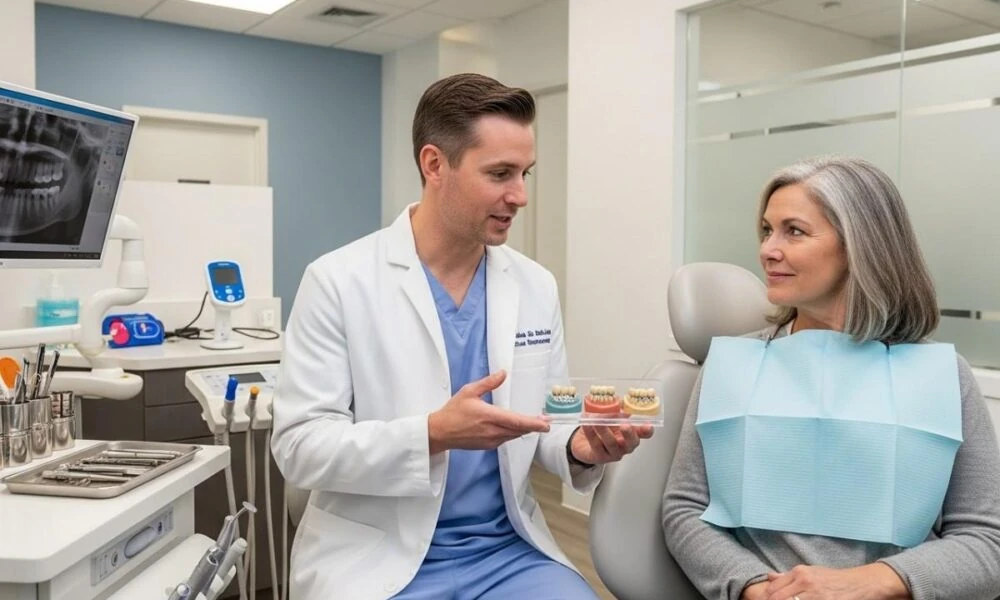
A strong practice typically uses in-house 3D scanning rather than old-fashioned impressions, along with software that lets you preview your projected outcome before starting. Pay attention, too, to how the initial consultation feels. A provider worth choosing will explain your treatment plan clearly, answer questions without rushing, and set realistic expectations about timeline and results rather than making vague promises.
Weigh Cost, Coverage, and Practical Logistics
Price matters, but it should never be the only deciding factor, since a lower quote sometimes reflects less experience or fewer included services such as refinements and retainers. Ask whether your dental insurance covers orthodontic treatment, and confirm what financing or payment plans are available. It is also worth considering the office’s location and hours, since Invisalign requires periodic check-ins throughout treatment, and a convenient, accessible practice makes those visits far easier to keep.
Trust Reviews and Your Own Instincts
Patient reviews can reveal a lot about a practice’s communication style, punctuality, and how staff handle complications when they arise. Beyond the ratings, though, pay attention to how you feel walking out of the consultation. If the team took time to understand your goals and you left feeling confident rather than confused, that is often a strong sign you have found the right fit.
Conclusion
Choosing an Invisalign provider is ultimately about finding someone whose experience, communication, and approach match what your specific smile needs. Take the time to compare a few consultations, ask pointed questions about experience and technology, and pay attention to how well a provider listens before you commit. That extra research upfront tends to pay off in a smoother treatment and a result you are genuinely happy with.