Tag: Mental Health

  • Do online doctors offer virtual mental health assessments?

    Do online doctors offer virtual mental health assessments?

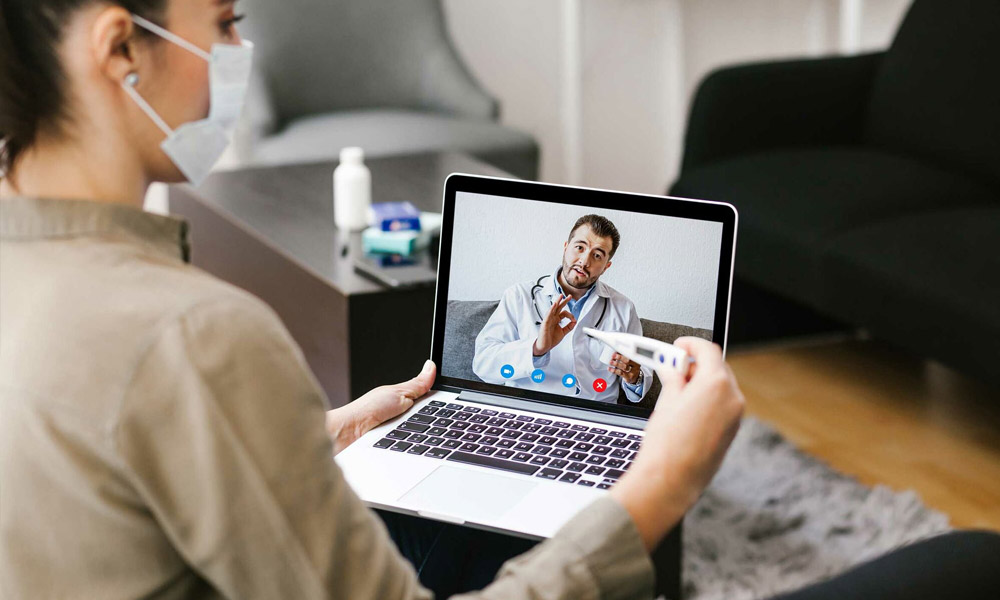
    The transition to online mental health services represents a significant advancement in healthcare accessibility. Online doctors now provide comprehensive evaluations that mirror traditional office visits but offer greater convenience. These virtual assessments allow medical professionals to evaluate symptoms, discuss concerns, and create treatment plans through secure video connections.

    Many patients appreciate the privacy of accessing mental health services from their own homes. This comfort can help individuals speak more openly about their challenges, potentially leading to more accurate diagnoses and personalized care recommendations. Online doctors typically offer several assessment options depending on patient needs:

    1. Initial consultations – Comprehensive evaluations for new patients seeking diagnosis or treatment
    2. Medication management reviews – Regular check-ins to monitor prescription effectiveness and side effects
    3. Crisis intervention assessments – Urgent evaluations for patients experiencing acute symptoms
    4. Specialized disorder assessments – Focused evaluations for conditions like depression, anxiety, or ADHD

    These assessments follow established clinical protocols similar to those used in traditional settings. Medical professionals gather information through structured interviews, standardized questionnaires, and observation of patient behaviour and communication patterns during video sessions.

    online doctors

    Online mental health assessments

    Accessing mental health care virtually eliminates many traditional barriers to treatment. Patients living in rural areas no longer need to travel hours for appointments. Those with mobility limitations or transportation challenges can connect with qualified professionals from home.

    The flexibility of scheduling also makes a substantial difference. Many online doctors offer evening and weekend appointments, accommodating work schedules and family responsibilities that might otherwise prevent seeking help. Cost factors play an essential role as well. Virtual visits often cost less than in-person appointments, and patients save money on related expenses like transportation and childcare. Many insurance providers now cover telehealth services, recognizing their value and effectiveness.

    Insurance coverage for virtual mental health

    A growing number of insurance plans now cover telehealth services, including mental health assessments. This change reflects growing recognition of virtual care’s effectiveness. To avoid unexpected costs, patients should verify specific benefits with their insurance providers before scheduling appointments. Some online mental health platforms offer subscription models that provide regular access to care at predictable monthly rates. This approach can benefit patients needing ongoing support rather than one-time assessments.

    Many virtual providers offer sliding scale fees based on income for those without insurance coverage. These options make professional mental health assessments more accessible regardless of financial circumstances. Click here to learn about your area’s affordable virtual mental health assessment options.

    Preparing for your virtual mental health assessment

    Maximizing the value of online mental health assessments requires preparation. Patients should:

    • Write down current symptoms, including duration and intensity
    • List medications and supplements currently taken
    • Note any family history of mental health conditions
    • Prepare questions about diagnosis, treatment options, or medication concerns

    Having this information organized before the appointment helps professionals conduct thorough assessments in a limited time. This preparation also ensures patients address all concerns during their sessions. Creating the right environment also matters. Finding a quiet, private space without distractions allows for honest discussion of sensitive topics. This privacy helps build the trust necessary for practical assessment and treatment planning.

  • Keep it moving: the importance of exercise for older adults

    Keep it moving: the importance of exercise for older adults

    Exercise is crucial for maintaining health and independence as we age. It supports physical strength, mental well-being, and overall quality of life. The importance of exercise for older adults cannot be overstated. It helps reduce the risk of disease, improves bone health, and enhances balance and coordination. Regular physical activity also supports mental health and helps maintain a healthy weight. Whether through walking, strength training, or yoga, exercise is a powerful tool for aging gracefully and staying active.

    Find below five key reasons why exercise is so important for older adults.

    Reduces the risk of disease

    Regular exercise lowers the risk of many chronic diseases, including heart disease, diabetes, and high blood pressure. Cardiovascular activities like walking, swimming, or cycling improve circulation and strengthen the heart. Exercise also helps regulate blood sugar levels, reducing the risk of type 2 diabetes. Seniors who stay active are less likely to develop illnesses and are better equipped to manage existing conditions. Physical activity boosts the immune system, making it easier to fight off common infections.

    Improves bone health

    Bone density naturally decreases with age, increasing the risk of osteoporosis and fractures. Weight-bearing exercises like walking, dancing, or light strength training help strengthen bones and slow bone loss. Strong bones are essential for maintaining mobility and independence. Regular physical activity also improves joint health, reducing stiffness and discomfort associated with arthritis. By focusing on exercises that promote bone strength, older adults can prevent falls and maintain an active lifestyle.

    older adults

    Enhances balance and coordination

    Balance and coordination are crucial for preventing falls, a common concern among older adults. Activities like tai chi, yoga, or simple balance exercises improve stability and strengthen the muscles that support the body. These exercises enhance awareness of movement and help seniors feel more confident in their mobility. Better balance reduces the likelihood of injuries and ensures greater independence in daily activities.

    Boosts mental health

    Exercise is not just good for the body, but it is also essential for the mind. Physical activity releases endorphins, which improve mood and reduce stress and anxiety. Regular exercise can help prevent or slow cognitive decline, supporting brain health as we age. Activities like group walks or fitness classes provide social interaction, reducing feelings of isolation and promoting emotional well-being. Seniors who exercise regularly often experience greater mental clarity and a more positive outlook on life.

    Helps maintain a healthy weight

    Staying active helps older adults maintain a healthy weight, which is important for overall health and mobility. Exercise burns calories, builds muscle, and increases metabolism, making it easier to manage weight. Maintaining a healthy weight reduces stress on joints and lowers the risk of obesity-related conditions like heart disease or diabetes. Combined with a balanced diet, regular exercise helps seniors feel more energetic and capable in their daily lives.

    Final words

    Exercise is essential for older adults to stay strong, independent, and healthy. By reducing the risk of disease, improving bone health, enhancing balance, supporting mental well-being, and maintaining a healthy weight, physical activity promotes a higher quality of life. Incorporating exercise into a daily routine ensures that aging can be both active and fulfilling.

  • Deep Breathing Exercises for Relaxation and Stress Relief: Benefits and Techniques

    Deep Breathing Exercises for Relaxation and Stress Relief: Benefits and Techniques

    Stress is a part of our everyday lives, and it can be difficult to manage. However, practicing deep breathing exercises is a simple yet effective way to reduce stress and promote relaxation. Deep breathing exercises can be done anywhere and anytime, making them a convenient tool to have in your stress management toolkit.

    Deep Breathing Exercises for Relaxation and Stress Relief: Benefits and Techniques

    What are deep breathing exercises?

    Deep breathing exercises involve taking slow, deep breaths from the diaphragm, rather than shallow breaths from the chest. This type of breathing is also known as diaphragmatic breathing. It involves breathing in through the nose, filling the lungs with air, and then exhaling slowly through the mouth.

    How do deep breathing exercises help with relaxation and stress relief?

    Deep breathing exercises help to activate the body’s relaxation response, which is the opposite of the stress response. When we are stressed, our body goes into fight or flight mode, which can increase our heart rate, blood pressure, and breathing rate. This can lead to feelings of anxiety, tension, and overwhelm.

    When we practice deep breathing exercises, it helps to reduce the activation of the sympathetic nervous system (SNS), which is responsible for the stress response. Instead, it activates the parasympathetic nervous system (PNS), which is responsible for the relaxation response. This can help to reduce feelings of anxiety and tension, and promote a sense of calm and relaxation.

    What are the benefits of practicing deep breathing exercises?

    • Reduces stress and anxiety
    • Improves sleep quality
    • Increases feelings of relaxation and calmness
    • Improves focus and concentration
    • Can lower blood pressure
    • Improves respiratory function

    How to practice deep breathing exercises:

    1. Find a quiet and comfortable place to sit or lie down.
    2. Place one hand on your belly and the other on your chest.
    3. Take a slow, deep breath in through your nose, filling your lungs with air. As you breathe in, feel your belly rise and your chest expand.
    4. Hold the breath for a few seconds.
    5. Exhale slowly through your mouth, feeling your belly fall and your chest deflate.
    6. Repeat for several breaths, focusing on the sensation of the breath moving in and out of your body.

    Practicing deep breathing exercises for just a few minutes each day can have a significant impact on your stress levels and overall wellbeing. So, the next time you’re feeling stressed or overwhelmed, take a few deep breaths and feel the tension melt away.

  • Self-Compassion and Mental Health: The Power of Self-Care

    Self-Compassion and Mental Health: The Power of Self-Care

    Self-compassion is a term that has gained popularity in recent years, and for good reason. It refers to treating oneself with kindness and understanding, rather than harsh self-criticism. It involves recognizing that suffering and imperfection are a part of the human experience, and responding to one’s own pain and failures with empathy, rather than judgment.

    Research has shown that self-compassion can have a significant impact on mental health and well-being. Here are just a few ways that practicing self-compassion can benefit individuals:

    Reduces Anxiety and Depression

    When individuals are self-critical, they tend to ruminate on their mistakes and shortcomings, leading to feelings of anxiety and depression. In contrast, those who practice self-compassion are more likely to acknowledge their pain and imperfections without self-judgment or shame. This non-judgmental approach can help to reduce feelings of anxiety and depression and promote emotional resilience.

    Increases Self-Esteem

    Self-compassion involves recognizing one’s own inherent worth and treating oneself with kindness and understanding. This can lead to an increase in self-esteem, as individuals learn to accept themselves as they are, flaws and all. This acceptance can help individuals feel more confident and capable, leading to improved mental health and well-being.

    Improves Relationships

    When individuals practice self-compassion, they are more likely to extend that same kindness and understanding to others. This can lead to improved relationships, as individuals are more empathetic, patient, and forgiving with those around them. Additionally, individuals who practice self-compassion are less likely to rely on others for validation, leading to more authentic and fulfilling relationships.

    Enhances Emotional Regulation

    Self-compassion involves acknowledging and accepting one’s own emotions, rather than suppressing or denying them. This can lead to improved emotional regulation, as individuals learn to respond to their emotions in a healthy and constructive way. Rather than feeling overwhelmed or reactive, individuals who practice self-compassion are better able to manage their emotions and respond to challenges with resilience.

    How to Practice Self-Compassion

    Practicing self-compassion involves three key components:

    • Self-Kindness: Treating oneself with warmth, empathy, and understanding, rather than self-judgment or criticism.
    • Common Humanity: Recognizing that suffering and imperfection are a part of the human experience, rather than feeling isolated or abnormal.
    • Mindfulness: Observing one’s thoughts and emotions with curiosity and non-judgment, rather than getting caught up in them or trying to suppress them.

    Here are a few exercises that can help individuals cultivate self-compassion:

    • Self-Compassionate Letter: Write a letter to yourself as if you were writing to a friend who was going through a difficult time. Offer words of kindness, support, and encouragement.
    • Mindful Self-Compassion Meditation: This guided meditation involves focusing on the breath and offering oneself kindness and compassion.
    • Self-Compassion Break: When feeling stressed or overwhelmed, take a few moments to pause and offer oneself kind words of encouragement, such as “May I be kind to myself in this moment” or “May I give myself the compassion I need right now.”

    Overall, cultivating self-compassion can have a powerful impact on mental health and well-being. By treating oneself with kindness and understanding, individuals can reduce anxiety and depression, increase self-esteem, improve relationships, and enhance emotional regulation.

  • Stress Management and Diabetes: Importance and Strategies

    Stress Management and Diabetes: Importance and Strategies

    Diabetes is a chronic disease that affects millions of people worldwide. It occurs when the body is unable to properly use and store glucose, leading to high levels of sugar in the blood. While genetics and lifestyle factors such as diet and exercise play a significant role in the development of diabetes, stress is also a major contributing factor.

    The Link Between Stress and Diabetes

    Stress triggers the body’s “fight or flight” response, causing a surge in hormones such as cortisol and adrenaline. These hormones increase blood sugar levels, making it harder for the body to regulate glucose. Over time, chronic stress can lead to insulin resistance, a condition in which the body becomes less responsive to insulin, the hormone that regulates blood sugar levels.

    Insulin resistance is a key factor in the development of type 2 diabetes, the most common form of the disease. In addition, stress can also lead to unhealthy coping mechanisms such as overeating or smoking, which further increase the risk of diabetes.

    The Benefits of Stress Management

    Managing stress is essential for preventing and managing diabetes. By reducing stress levels, the body is better able to regulate blood sugar and insulin levels. In addition, stress management can help individuals make healthier lifestyle choices, such as eating a balanced diet, exercising regularly, and getting enough sleep.

    There are many effective stress management techniques, including:

    • Exercise: Physical activity releases endorphins, which can help reduce stress levels.
    • Meditation: Mindfulness practices such as meditation or deep breathing can help calm the mind and reduce stress.
    • Yoga: Yoga combines physical movement with mindfulness practices, making it an effective stress management tool.
    • Talk therapy: Speaking with a therapist can help individuals identify and manage sources of stress in their lives.
    • Time management: Learning to prioritize tasks and manage time effectively can reduce feelings of overwhelm and stress.

    Incorporating Stress Management into Diabetes Management

    For individuals with diabetes, stress management should be an integral part of their overall diabetes management plan. By reducing stress levels, individuals can improve their blood sugar control and reduce the risk of complications such as heart disease and nerve damage.

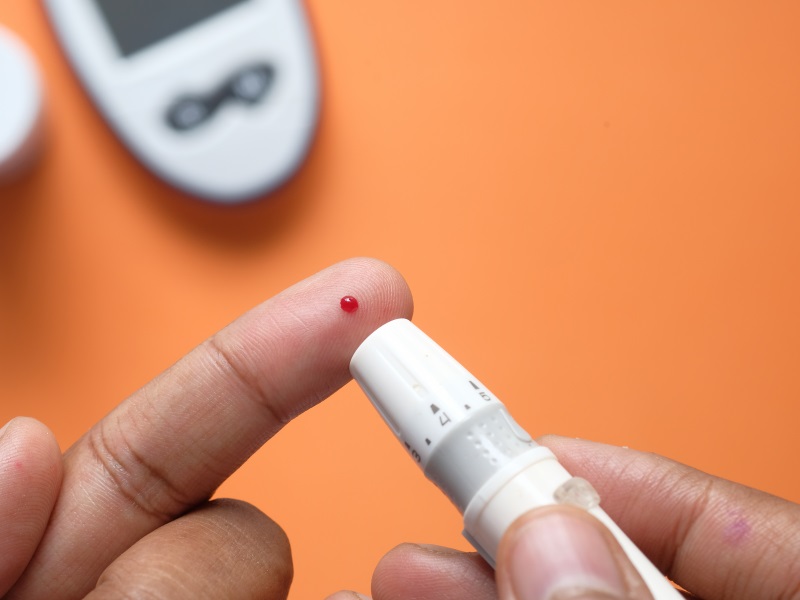
    Diabetes management should also include regular monitoring of blood sugar levels, taking medication as prescribed, and making healthy lifestyle choices such as following a balanced diet and exercising regularly.

    Stress is a major contributing factor in the development of diabetes, but it is also a modifiable risk factor. By incorporating stress management techniques into their daily routine, individuals can reduce their risk of developing diabetes and improve their overall health and well-being.

  • Social Connections and Health: Importance for Mental and Physical Well-being

    Social Connections and Health: Importance for Mental and Physical Well-being

    As social creatures, human beings thrive on regular social interactions. However, in today’s fast-paced world, it’s easy to get caught up in the daily grind and forget about the importance of connecting with others. This is unfortunate because social connections play a crucial role in maintaining both mental and physical health.

    Social Connections and Health: Importance for Mental and Physical Well-being

    Mental Health Benefits of Social Connections

    Regular social connections have been linked to improved mental health and well-being. Studies have shown that people who have strong social connections are less likely to experience depression, anxiety, and loneliness. Social connections can provide emotional support, a sense of belonging, and a feeling of purpose, all of which are important for mental health.

    Additionally, social connections can help reduce stress levels. When we spend time with friends, family, or colleagues, we release oxytocin, a hormone that helps us feel calm and relaxed. This can help reduce the negative effects of stress on our mental health.

    Physical Health Benefits of Social Connections

    Regular social connections can also have a positive impact on our physical health. Studies have shown that people who have strong social connections are less likely to develop chronic diseases such as heart disease, diabetes, and cancer. This may be because social connections can help reduce stress levels, which can have a negative impact on our physical health.

    In addition, social connections can encourage healthy behaviors. For example, if we have friends who enjoy exercising, we may be more likely to join them for a workout. Likewise, if we have friends who enjoy cooking healthy meals, we may be more likely to adopt healthier eating habits.

    How to Maintain Social Connections

    Maintaining social connections can be challenging, especially in today’s digital age. However, there are many ways to stay connected with others. Here are a few tips:

    • Make time for social activities: Try to schedule regular social activities with friends, family, or colleagues.
    • Join a club or organization: Joining a club or organization can be a great way to meet new people with similar interests.
    • Volunteer: Volunteering can be a rewarding way to connect with others and give back to your community.
    • Use social media wisely: While social media can be a great way to stay connected, it’s important to use it wisely. Try to limit your time on social media and focus on building real-life connections.

    Regular social connections are important for both mental and physical health. They can provide emotional support, reduce stress levels, and encourage healthy behaviors. While maintaining social connections can be challenging, it’s important to make it a priority. By making time for social activities, joining clubs or organizations, volunteering, and using social media wisely, we can build strong and meaningful connections with others.

  • Nursing and Mental Health: Promoting Patient Well-being

    Nursing and Mental Health: Promoting Patient Well-being

    Mental health is a critical aspect of overall health and well-being, and nurses play a crucial role in promoting it. Nurses have a unique position in healthcare as they are often the first point of contact for patients seeking healthcare services. They are also responsible for providing care and support to patients with mental health conditions, which requires specialized training and expertise.

    Nursing and Mental Health: Promoting Patient Well-being

    The Importance of Mental Health in Healthcare

    Mental health is an essential component of overall health, and it is essential to recognize that mental health and physical health are interdependent. Poor mental health can lead to physical health problems, and vice versa. Patients with mental health conditions are more likely to experience physical health problems, such as heart disease, diabetes, and obesity.

    Therefore, it is critical to prioritize mental health in healthcare to prevent and manage physical health problems. Nurses play a vital role in promoting mental health and well-being among patients. They are often the first point of contact for patients seeking healthcare services and are responsible for assessing patients’ mental health status.

    The Role of Nurses in Promoting Mental Health and Well-being among Patients

    Nurses play a vital role in promoting mental health and well-being among patients. They have a unique position in healthcare as they are often the first point of contact for patients seeking healthcare services. Nurses are responsible for assessing patients’ mental health status, developing care plans, and providing care and support to patients with mental health conditions.

    Nurses also play a critical role in educating patients and their families about mental health and well-being. They provide information on healthy lifestyle habits, such as exercise, nutrition, and stress management. Nurses also teach patients coping strategies to manage symptoms of mental health conditions, such as anxiety and depression.

    Nurses work collaboratively with other healthcare professionals to provide holistic care to patients. They work with physicians, social workers, psychologists, and other healthcare professionals to develop comprehensive care plans that address patients’ physical and mental health needs.

    The Benefits of Nurses’ Role in Promoting Mental Health and Well-being among Patients

    The role of nurses in promoting mental health and well-being among patients has several benefits. By promoting mental health and well-being, nurses can improve patients’ overall health outcomes, reduce healthcare costs, and improve patients’ quality of life.

    Nurses’ role in promoting mental health and well-being among patients can also help reduce stigma surrounding mental health conditions. By educating patients and their families about mental health and well-being, nurses can help reduce the stigma associated with mental health conditions and promote understanding and acceptance.

    The role of nurses in promoting mental health and well-being among patients is vital. Nurses have a unique position in healthcare as they are often the first point of contact for patients seeking healthcare services. They are responsible for assessing patients’ mental health status, developing care plans, and providing care and support to patients with mental health conditions.

    By promoting mental health and well-being, nurses can improve patients’ overall health outcomes, reduce healthcare costs, and improve patients’ quality of life. Their role in promoting mental health and well-being among patients can also help reduce stigma surrounding mental health conditions and promote understanding and acceptance.

  • Mindfulness for Stress Management and Focus: Benefits and Practices

    Mindfulness for Stress Management and Focus: Benefits and Practices

    Stress is a common phenomenon in today’s fast-paced world. Practicing mindfulness is an effective way to manage stress and improve focus. Mindfulness is the practice of being present and fully engaged in the current moment, without judgment or distraction. Here are some of the benefits of practicing mindfulness for stress management and focus.

    Mindfulness for Stress Management and Focus: Benefits and Practices

    Reduces Stress

    One of the primary benefits of practicing mindfulness is that it reduces stress. When you are present and engaged in the current moment, you are less likely to worry about the past or the future. This reduces the stress caused by anxiety and uncertainty. Research has shown that mindfulness-based stress reduction (MBSR) can significantly reduce symptoms of stress and anxiety.

    Improves Focus and Concentration

    Practicing mindfulness also improves focus and concentration. When you are fully engaged in the current moment, you are more likely to be productive and efficient. Mindfulness helps you to stay focused on your tasks and avoid distractions. Studies have shown that mindfulness training can improve cognitive performance and working memory.

    Enhances Emotional Regulation

    Mindfulness can also help you to regulate your emotions. When you are present and aware of your thoughts and feelings, you are more likely to respond in a calm and rational manner. This can help you to manage difficult emotions such as anger, anxiety, and depression. Studies have shown that mindfulness can improve emotional regulation and reduce symptoms of depression and anxiety.

    Improves Sleep

    Practicing mindfulness before bedtime can also improve the quality of your sleep. Mindfulness can help you to relax and reduce the racing thoughts that often keep us awake at night. Studies have shown that mindfulness-based interventions can improve sleep quality and reduce insomnia.

    Boosts Overall Well-being

    Mindfulness has numerous benefits for overall well-being. It can improve physical health by reducing symptoms of chronic pain, lowering blood pressure, and boosting the immune system. It can also improve mental health by reducing symptoms of depression and anxiety, and improving mood and self-esteem.

    Practicing mindfulness is an effective way to manage stress, improve focus, and enhance overall well-being. By being present and fully engaged in the current moment, you can reduce stress, improve cognitive performance, regulate your emotions, improve sleep, and boost your overall well-being. So, take some time out of your busy schedule to practice mindfulness and experience the benefits for yourself!