The Science of Hair Transplant: Examining the Effectiveness of the Procedure
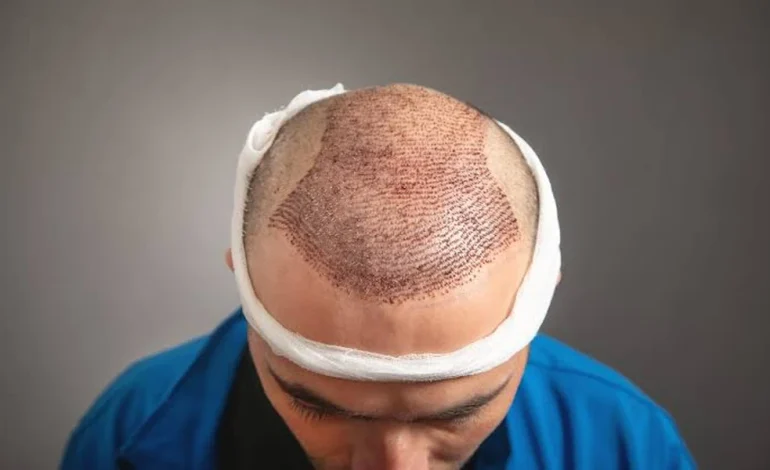

While hair transplant is a popular cosmetic procedure for hair loss, there is a scientific and biological aspect of the treatment that most people fail to consider. Although the pictures before and after are impressive, very few people really know the science behind why hair transplants work.
Why is it that transplanted hair continues to grow for years? How can transplanted hair follicles be able to live in a new area of the scalp? Most importantly, how effective is a transplant in the long-term?
The science of hair transplant in India is evolving. The demand for the procedure rises, it is crucial for patients to be informed about the science behind the procedure. Let’s delve deeper into the science behind hair transplants and understand why it continues to be one of the most effective hair restoration treatments available now.
Understanding the Biology of Hair Growth
Before coming to the understanding of hair transplants, the understanding of its natural growth is essential. Each hair follicle is a small organ that is part of the scalp. There is a continuous cycle of each follicle:
Growth Phase (Anagen)
This is the period of active growth when hair keeps on growing.
Transition Phase (Catagen)
The follicles temporarily cease their activity.
Resting Phase (Telogen)
Eventually, hair falls out and new hair grows in its place. Normally, these cycles take place in thousands of follicles, contributing to overall hair density. However, issues occur when some follicles are influenced by hormones and genes, and begin to gradually shrink, yielding thinner strands.
Concept of Donor Dominance
The key scientific concept in hair transplanting is called “donor dominance. This is how it is possible to have the transplanted hair grow even after they are transplanted to another section of the scalp.
Typically, the hair follicles in the back and sides of the head are more resistant to the factors which cause pattern baldness.
They are genetically the same after transplanting.
In simple terms:
- No matter the location of the move, a resistant donor area will remain resistant to the new location.
- This biological phenomenon is the basis of modern hair transplantation.
- If there was no dominance, long term hair restoration would not exist.
Why Are Hair Transplants Permanent?
One common question many people ask is if there will be a time when hair transplants fall out. The solution is in genetic programming of the donor follicles. Donor follicles continue to generate hair after the transplant surgery as they remain resistant to hair loss.
This is the reason that a successful Hair Transplant in India is considered as a permanent solution to the problem of hair loss. But it’s crucial to know that transplanted hair and natural hair may react differently. Transplanted hair is not as likely to change in size as the hair around it can change over the years. This is one of the reasons for the significance of long-term treatment planning.
What to Expect With a Hair Transplant?
Hair transplants from a scientific point of view are the process of moving live follicular units from one part of the head to another. The follicular unit consists of:
- Hair follicles
- Blood vessel networks
- Supporting tissue structures
The challenge is to keep it viable during the process. Successful transplantation requires:
- Careful harvesting
- Proper graft handling
- Strategic placement
- Proper blood flow following implanting.
After these factors are taken into consideration, the transplanted follicle will grow normally in its new environment.
The Role of Blood Supply in Hair Growth
Blood supply plays a vital role in hair follicles.
After transplanting, the follicles are initially dependent on the surrounding tissue to sustain their survival until new blood vessel connections are formed. This is called revascularization.
In the healing phase:
- Blood vessels grow around the graft
- Oxygen delivery improves
- Nutrient supply increases
- Follicles gradually stabilize
This biological process has a direct impact on the success or failure of grafts and their long-term effect. Proper post operative care is so important for this reason.
Why Transplanted Hair Sometimes Sheds Initially
One of the most common concerns of patients is that their transplanted hairs fall out a few weeks after the procedure. From a scientific point of view, this is a regular occurrence. The temporary shedding is a result of the stress put on the follicle when it is being transplanted. The actual hair shaft can fall out but the hair follicles will stay alive under the skin. The follicle goes through a brief resting period and then slowly begins to grow again.
This is because new hair growth occurs months after the procedure, not immediately. Assessing the results of a hair transplant in determining effectiveness, it is essential to determine what success is. Hair transplant is not intended to bring back the exact hair density that a person experienced in their teens. Its aim is to, rather, do the following:
- Improve coverage
- Enhance appearance
- Create natural-looking density
- Restore facial framing
- Increase confidence
The success or failure of the objectives indicates effectiveness.
The Importance of Hairline Design
Hairline design is one of the most neglected scientific and artistic parts of hair transplantations.
Facial symmetry and proportions are extremely noticeable to the human eye. Even if hair is 100% grafted, a bad hairline can look unnatural. When designing a hairline, it is important to take into account:
- Facial structure
- Age
- Existing hair pattern
- The further progression of hair loss
Science and aesthetics are an important part of patient satisfaction.
Final Thoughts
The science is at the core of the success of a Hair Transplant in India. Today’s hair restoration techniques are effective because they follow the principle of donor dominance; understand the biology of follicle survival, blood vessel regeneration, and natural hair growth cycles.
Understanding the science behind hair transplantation is essential, even though the Hair Transplant Cost in India is a crucial factor. Although the hair transplant cost in India is a significant factor, the science behind the procedure is equally important and should give you a better understanding of why hair transplantation is one of the most reliable and enduring solutions for hair loss.
Hair transplantation is not just a cosmetic procedure; it’s a testament to the wonders of medical science that continues to restore not only hair but self-assurance and a sense of normalcy to those who have gone through it.