Polishing for Health: How Professional Teeth Stain Removal Supports the Reversal of Early Gingivitis
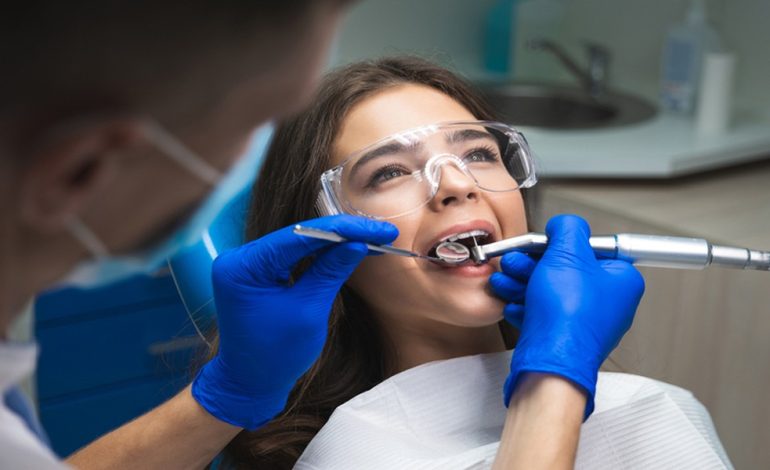

In the world of dental hygiene, the line between “cosmetic” and “clinical” is often thinner than patients realize. While many seek teeth stain removal to erase the evidence of coffee, tea, or red wine, the procedure-known professionally as dental prophylaxis-is a fundamental pillar of periodontal health.
The presence of extrinsic stains is rarely just an aesthetic issue; it is a structural one. By removing the microscopic layers of pigment and protein that cling to the enamel, dental professionals create a “clean slate” that is essential for reversing the early stages of gingivitis.
The Surface Science: Why Stains Harbor Bacteria
To understand how stain removal impacts gum health, one must look at the topography of a tooth. Healthy, polished enamel is one of the smoothest surfaces in the human body. However, as stains accumulate, this smoothness is compromised.
1. The Acquired Pellicle and the “Velcro Effect”
Teeth are coated in a thin film of salivary proteins called the acquired pellicle. Stains from food and drink bond to this film. Under a microscope, a stained tooth surface is jagged and porous compared to a clean one. This creates a “Velcro effect,” where bacterial plaque can anchor itself more deeply and resist the mechanical sweeping of a toothbrush.
2. The Niche for Gingivitis-Causing Microbes
When plaque is “locked” into the rough texture of a stain, it matures quickly. As the biofilm thickens at the gum line, it triggers the body’s inflammatory response, gingivitis. The result is red, swollen tissue that bleeds upon contact. Without removing the physical “anchor” of the stain, the bacteria remain in constant, irritating contact with the gingival margin.
How Professional Polishing Reverses the Trend
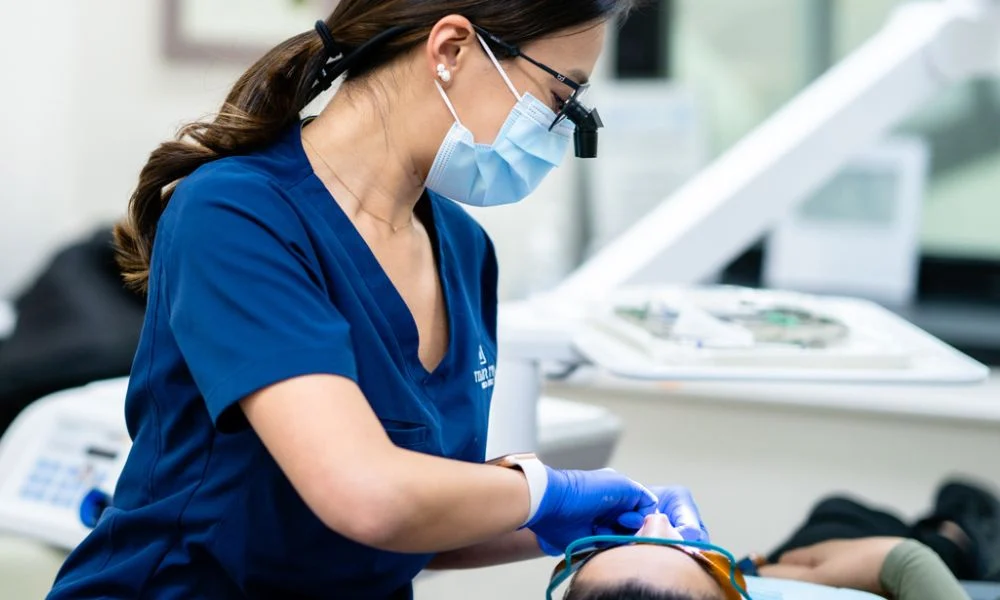
Professional teeth stain removal utilises specialised tools, such as slow-speed handpieces with prophy paste or air-polishing systems, to achieve what home brushing cannot.
Breaking the Biofilm Cycle
By stripping away the stained pellicle, the hygienist removes the “foundation” upon which the bacteria build their fortresses. This “mechanical debridement” does more than whiten the smile; it physically lowers the bacterial load to a level the body’s immune system can manage.
Restoring Enamel Smoothness
A key part of professional polishing is the use of varying grits of paste to “buffer” the enamel. A smooth tooth surface is naturally “plaque-resistant.” When the surface is slick, bacteria have a harder time gaining a foothold, making your at-home brushing significantly more effective in the weeks following the appointment.
The Aesthetic-Health Synergy: “Lifting” the Gums
One of the most immediate benefits of treating gingivitis through stain removal is the visual change in the gums themselves.
- Receding Inflammation: As the bacterial anchor is removed, the “puffy” appearance of the gums subsides.
- Color Contrast: Healthy gums are a firm, pale pink. When gums are inflamed (red or purple) and teeth are stained (yellow or brown), the smile appears “dark.” As the teeth are brightened and the gums heal to a lighter pink, the entire oral cavity appears rejuvenated and healthy.
Maintaining the “Clean Slate” at Home
Professional teeth stain removal provides a “reset,” but maintaining that health requires a proactive chemical strategy to prevent the return of gingivitis.
1. Targeted Plaque Control
Even a polished tooth begins to form a new pellicle within minutes. To prevent this pellicle from becoming a bacterial colony, daily mechanical cleaning is essential. However, because we cannot brush 100% of the tooth’s surface, a chemical adjunct is required.
2. The Role of Antimicrobial Mouthwash
A therapeutic mouthwash is the perfect partner for post-polishing care.
- Inhibiting Attachment: Antimicrobial agents help kill pioneer bacteria before they can bond to the newly polished enamel.
- Soothing the Gingiva: If the gums were bleeding due to gingivitis, a rinse helps reduce the chemical mediators of inflammation, allowing the tissue to “tighten” back around the tooth.
- Stain Prevention: Many high-quality rinses contain polyphosphates that form a protective shield over the enamel, chemically repelling new stains and keeping the surface smooth for longer.
Conclusion: A Brighter Path to Periodontal Health
It is time to stop viewing teeth stain removal as a luxury “extra” and start seeing it as a vital component of infection control. Stains provide the habitat, and bacteria provide the harm. By removing the stained “habitat” through professional polishing, you deprive the bacteria of their strongest foothold.
When you combine a professional “reset” with a rigorous daily routine-including a powerful antimicrobial mouthwash-you do more than just whiten your teeth. You strengthen the biological foundation of your smile, ensuring that your journey toward a brighter look is also a journey toward lasting, vibrant health.