Cracked Tooth Symptoms: When You May Need a Crown


A cracked tooth is a common dental problem that can affect people of all ages. While some cracks are minor and cause few symptoms, others can lead to significant discomfort, sensitivity, and even tooth loss if left untreated. Because cracks are not always visible to the naked eye, many patients may not realize they have a problem until symptoms become more noticeable.
Recognizing the signs of a cracked tooth early can help prevent further damage and improve treatment outcomes. In many cases, dental crowns in Cambridge may be recommended to protect the tooth and restore its function. Understanding the symptoms of a cracked tooth and when a crown may be necessary can help patients seek timely dental care and avoid more complex procedures later.
Understanding Cracked Teeth
A cracked tooth occurs when a fracture develops in the tooth structure. Cracks can range from tiny surface lines to more significant fractures that affect deeper layers of the tooth.
Common causes of cracked teeth include:
- Biting hard foods
- Teeth grinding or clenching
- Dental trauma or injury
- Large fillings that weaken the tooth
- Age-related wear and tear
- Sudden temperature changes in the mouth
Not all cracks require the same treatment. The location, size, and depth of the crack play a major role in determining the most appropriate approach.
What Are the Common Symptoms of a Cracked Tooth?
Cracked teeth can be difficult to diagnose because symptoms often come and go. Some patients may experience discomfort only during certain activities, while others may have persistent symptoms.
Pain When Chewing
One of the most common signs of a cracked tooth is pain when biting or chewing. Patients may notice discomfort when releasing pressure after biting down rather than while chewing itself.
Sensitivity to Hot and Cold
A cracked tooth can expose the inner layers of the tooth, making it more sensitive to:
- Hot beverages
- Cold drinks
- Ice cream
- Temperature changes
Sensitivity may be intermittent and difficult to predict.
Sudden Sharp Pain
Some patients experience a sharp, sudden pain that occurs without warning. This can happen when the crack allows movement within the tooth structure during normal function.
Swelling Around the Tooth
If bacteria enter through a crack, irritation or infection may develop, causing swelling in the surrounding gum tissue.
Discomfort Without an Obvious Cause
A cracked tooth may cause vague discomfort that is difficult to pinpoint. Patients sometimes report feeling that “something isn’t right” even when no visible damage is present.
Types of Tooth Cracks
Different types of cracks may require different treatments.
Craze Lines
These are small surface cracks that affect only the outer enamel. They are common and often do not require treatment.
Fractured Cusps
A portion of the chewing surface may become weakened and crack, often around a large filling.
Cracked Tooth
A crack extends from the chewing surface toward the root. Early treatment is important to prevent the crack from worsening.
Split Tooth
When a crack progresses significantly, the tooth may split into separate segments. This often requires more extensive treatment.
Vertical Root Fracture
These cracks begin near the root and may not cause symptoms until infection develops.
Key Facts Patients Should Know
Understanding the nature of cracked teeth can help patients seek treatment before complications occur.
Important facts include:
- Cracks rarely heal on their own.
- Symptoms may come and go.
- Early treatment often improves outcomes.
- Untreated cracks can worsen over time.
- Not all cracked teeth require extraction.
- A dental crown is often used to protect weakened teeth.
Prompt evaluation can help determine the extent of the damage and available treatment options.
When May You Need a Dental Crown?
Dental crowns are commonly used to strengthen and protect cracked teeth.
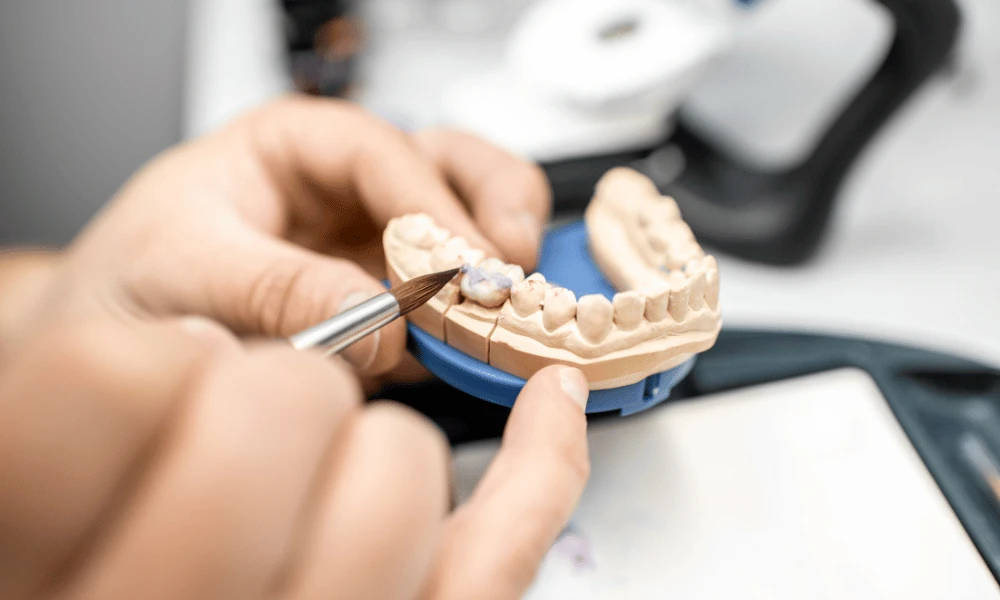
A crown is a custom-made restoration that covers the visible portion of the tooth, helping distribute biting forces more evenly and reducing the risk of further damage.
Moderate Cracks
When a crack affects a significant portion of the tooth but has not extended too deeply, a crown may help preserve the tooth and restore function.
Fractured Cusps
Teeth with damaged cusps often benefit from crown placement to prevent additional fractures.
Teeth Following Root Canal Treatment
If a cracked tooth requires root canal therapy, a crown is often placed afterward to provide long-term protection.
Weakened Teeth
Teeth that have large fillings or extensive structural damage may be more vulnerable to cracking and may benefit from crown coverage.
A dental examination is necessary to determine whether a crown is the most appropriate treatment option.
Prevention and Treatment Considerations
While not all cracked teeth can be prevented, certain habits can reduce the risk.
Prevention Strategies
- Avoid chewing ice and hard objects
- Wear a mouthguard during sports
- Use a nightguard if you grind your teeth
- Maintain regular dental checkups
- Address cavities and damaged fillings promptly
Treatment Options
Depending on the severity of the crack, treatment may include:
- Dental bonding
- Dental crowns
- Root canal therapy
- Tooth extraction in severe cases
- Replacement options such as dental implants
Early diagnosis often allows for more conservative treatment.
What to Expect During a Dental Visit
Assessment and Examination
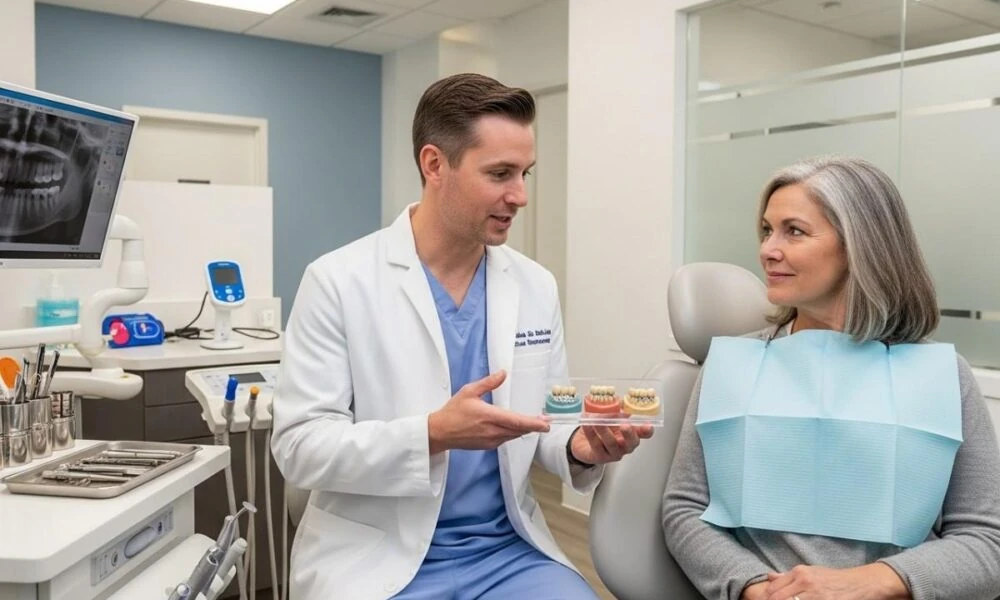
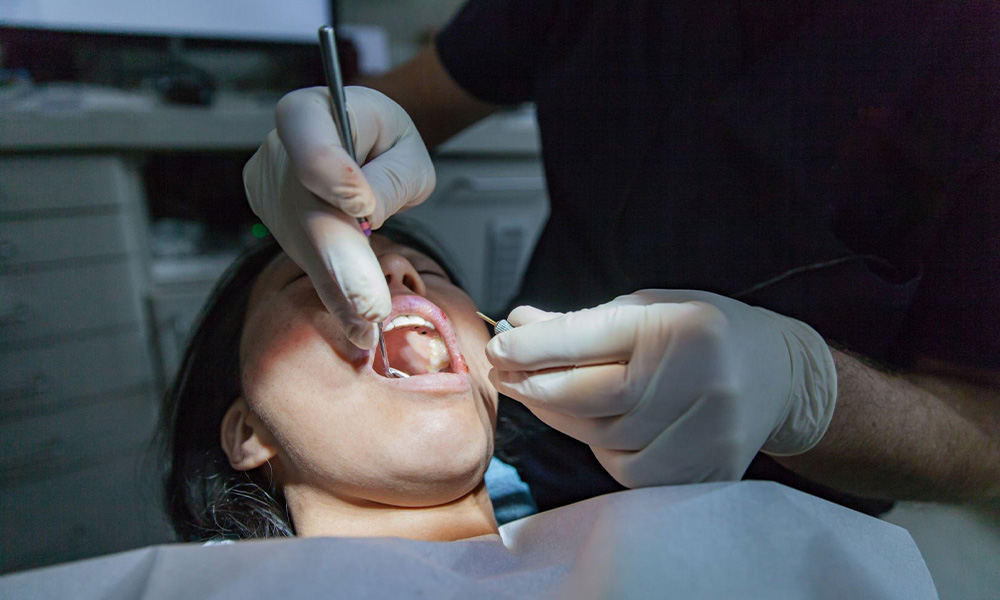
The dentist evaluates symptoms, examines the tooth, and may use special tools or imaging to identify the crack.
Diagnosis
The location and extent of the crack are assessed to determine the best treatment approach.
Treatment Planning
A personalized treatment plan is developed based on the condition of the tooth and the patient’s oral health needs.
Crown Preparation
If a crown is recommended, the tooth is prepared and impressions or digital scans are taken to create a custom restoration.
Follow-Up Care
The dentist monitors healing and ensures the restored tooth remains healthy and functional.
Local Considerations for Ontario Patients
Ontario patients experiencing tooth pain, sensitivity, or discomfort when chewing should consider seeking professional evaluation promptly. Delaying treatment may allow a crack to worsen, potentially leading to more extensive dental procedures.
Patients concerned about a cracked tooth may benefit from consulting a dental clinic in Cambridge, ON to determine whether a crown or other restorative treatment is appropriate for protecting the affected tooth.
In some situations, treatments such as dental crowns in Cambridge, emergency dental care, root canal therapy, family dentistry services, or dental implants may be discussed as part of a comprehensive treatment plan.
Frequently Asked Questions
How do I know if my tooth is cracked?
Common symptoms include pain when chewing, sensitivity to temperature changes, occasional sharp pain, and discomfort that comes and goes. A dental examination is often needed for confirmation.
Can a cracked tooth heal on its own?
No. Unlike other parts of the body, a cracked tooth cannot repair itself. Professional treatment is usually required to prevent further damage.
Does every cracked tooth need a crown?
Not necessarily. Treatment depends on the size and location of the crack. Minor cracks may require monitoring, while larger cracks often benefit from crown protection.
Is a cracked tooth a dental emergency?
A cracked tooth should be evaluated promptly, especially if pain, swelling, or sensitivity is present. Early treatment may help prevent complications.
How long does a dental crown last?
Dental crowns can often last many years with proper care, regular dental visits, and good oral hygiene habits.
What happens if a cracked tooth is left untreated?
An untreated crack may worsen over time, potentially leading to infection, tooth fracture, root canal treatment, or tooth loss.
Final Thoughts
A cracked tooth may seem like a minor issue at first, but it can lead to significant problems if ignored. Symptoms such as pain when chewing, temperature sensitivity, and intermittent discomfort should not be overlooked.
Understanding the warning signs of a cracked tooth and knowing when a dental crown may be recommended can help patients seek treatment before the damage becomes more severe. Regular dental checkups and professional guidance can help patients maintain long-term oral health and address concerns before they become more serious.