Blog

  • Medical Clean Room Assembly: Precision, Safety, and Compliance in Healthcare Manufacturing

    Medical Clean Room Assembly: Precision, Safety, and Compliance in Healthcare Manufacturing

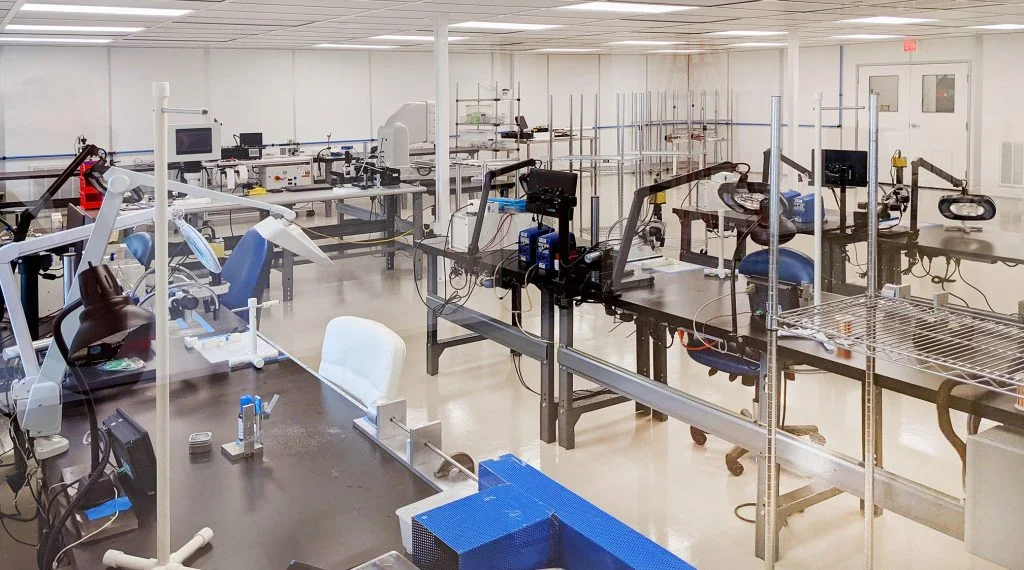
    Medical clean room assembly is the backbone of modern healthcare manufacturing, ensuring that medical devices, pharmaceuticals, and biotech components meet the highest standards of sterility and precision. Without these controlled environments, the risk of contamination, defects, and compromised patient safety would skyrocket.

    In Singapore, where the biomedical sector contributes over 20% to the manufacturing industry, the demand for state-of-the-art medical clean room assembly continues to rise. With stringent GMP (Good Manufacturing Practice) requirements and the country’s position as a regional hub for medtech production, maintaining highly controlled assembly environments is more critical than ever.

    What is Medical Clean Room Assembly?

    Medical clean room assembly refers to the manufacturing and assembly of medical products in an ultra-clean, controlled environment where airborne contaminants, temperature, humidity, and personnel activity are strictly regulated. These clean rooms are essential for:

    Medical device production

    Including surgical instruments, implants, and diagnostic tools.

    Pharmaceutical manufacturing

    Ensuring sterility in drug production and packaging.

    Biotechnology and lab research

    Protecting sensitive biological materials from contamination.

    Microelectronics in healthcare

    Producing highly precise electronic components for medical use.

    Clean rooms operate under ISO classifications, ranging from ISO 1 (the cleanest) to ISO 9 (less strict but controlled). The classification dictates the number of allowable airborne particles per cubic metre, ensuring that contaminants are kept at a minimum.

    How Does Medical Clean Room Assembly Work?

    The process of assembling medical products in a clean room follows a structured approach to guarantee quality, precision, and compliance with global healthcare standards.

    1. Clean Room Design & Classification

    Before assembly even begins, clean rooms must be designed to meet specific ISO standards:

    ISO 5 or ISO 6

    Used for implantable medical devices and high-precision biotech components.

    ISO 7 or ISO 8

    Commonly used for general medical device assembly and pharmaceutical packaging.

    Singapore’s healthcare manufacturing sector follows strict ISO 14644 clean room classifications, ensuring compliance with both FDA and EU MDR regulations.

    2. Air Filtration & Environmental Control

    ·       HEPA (High-Efficiency Particulate Air) filters remove 99.97% of airborne particles as small as 0.3 microns.

    ·       Temperature and humidity control prevents static buildup and microbial growth.

    ·       Positive air pressure keeps contaminants out, ensuring a pristine working environment.

    3. Personnel & Contamination Control

    People are the biggest source of contamination in clean rooms. Strict protocols ensure minimal risk:

    ✔ Gowning procedures

    Operators must wear sterile gloves, full-body suits, masks, and boot covers.

    ✔ Limited movement

    Rapid movements or unnecessary equipment use can generate airborne particles.

    ✔ Air showers & entry controls

    Personnel must pass through decontamination air showers before entering the clean room.

    4. Material Handling & Sterile Assembly

    ·       All materials entering the clean room must be sanitised or pre-sterilised.

    ·       Ultrasonic cleaning, plasma cleaning, and chemical sterilisation are used for precision components.

    ·       Assembly stations are equipped with laminar flow hoods to maintain sterility.

    5. Quality Assurance & Regulatory Compliance

    ·       Every assembled medical product undergoes microscopic inspection to detect defects.

    ·       Sterility validation ensures that no microbial contamination is present.

    ·       End-product testing follows FDA, EU MDR, and Singapore’s Health Sciences Authority (HSA) guidelines.

    Why Medical Clean Room Assembly is Essential for Singapore’s Healthcare Industry

    Singapore has established itself as a global medical technology (medtech) hub, home to over 60 multinational medtech companies and more than 220 local medtech startups. The country’s biomedical sector employs over 25,000 people, contributing significantly to GDP.

    Key Reasons Why Medical Clean Room Assembly Matters in Singapore:

    Growing Demand for High-Quality Medical Devices

    Singapore’s medical device exports exceed S$8 billion annually, requiring stringent clean room production.

    Strong Government Investment in Biomedical Manufacturing

    The Singapore Economic Development Board (EDB) continues to invest in medtech R&D and precision manufacturing, further strengthening clean room assembly.

    Strict Regulatory Compliance

    With the rise of pandemic-related medical production, Singapore enforces high sterility standards for PPE, surgical instruments, and diagnostic kits.

    Industries That Rely on Medical Clean Room Assembly

    ✔ Medical Device Manufacturers

    Producing catheters, pacemakers, prosthetics, and stents.

    ✔ Pharmaceutical Companies

    Ensuring contamination-free drug packaging.

    ✔ Biotech & Lab Research Facilities

    Handling sensitive biological materials.

    ✔ Microelectronics & Optics for Healthcare

    Assembling precise imaging and diagnostic devices.

    Challenges in Medical Clean Room Assembly

    Despite its advantages, maintaining a sterile, high-tech production environment comes with challenges:

    🛑 High Operational Costs

    Running HEPA filtration systems, temperature controls, and quality testing is expensive.

    🛑 Stringent Regulatory Requirements

    Keeping up with FDA, EU MDR, and Singapore HSA guidelines requires constant updates.

    🛑 Workforce Training & Compliance

    Staff must undergo continuous training to ensure adherence to strict contamination control measures.

    The Future of Medical Clean Room Assembly

    As Singapore’s medtech and biotech sectors continue to grow, the demand for cutting-edge clean room technology will only increase. Key innovations shaping the future include:

    🚀 Automated Clean Room Assembly

    Robotics and AI-driven quality control will enhance precision.

    🚀 Advanced Air Filtration & Sterilisation

    New HEPA nanofiber technologies will improve efficiency.

    🚀 Smart Monitoring Systems

    Real-time particle count sensors and AI-powered contamination alerts will revolutionise clean room management.

    With Singapore leading ASEAN’s medical manufacturing sector, investments in clean room technology, automation, and regulatory compliance will ensure continued growth and global competitiveness.

    Final thoughts

    Medical clean room assembly is a critical process in ensuring the safety, sterility, and precision of medical products. With Singapore’s rapidly growing medtech industry and government-backed biomedical investments, the future of clean room assembly will be driven by innovation, automation, and stringent quality control. The importance of medical clean room assembly in healthcare, biotechnology, and pharmaceuticals cannot be overstated, as it remains the foundation of sterile, high-precision medical manufacturing.

  • Alcohol Abuse: Recognizing the Signs and Breaking Free from Dependency

    Alcohol Abuse: Recognizing the Signs and Breaking Free from Dependency

    Alcohol misuse represents a significant challenge that impacts millions globally. It can adversely affect physical health, mental wellness, and interpersonal relationships. Identifying the indicators of alcohol misuse is the initial step toward recovery. With appropriate support and resources, it is feasible to overcome dependency.

    What is Alcohol Abuse?

    Alcohol abuse occurs when an individual consumes alcohol in excessive amounts and is unable to regulate their drinking behavior. This can result in a range of health, social, and legal complications. Unlike alcohol dependence, individuals who struggle with alcohol abuse may not experience physical addiction, yet they still partake in detrimental drinking habits.

    Signs of Alcohol Abuse

    Recognizing the warning signs can help prevent long-term damage. Common symptoms include:

    • Drinking frequently, even when it causes problems at work, home, or school
    • Difficulty in controlling or reducing alcohol intake
    • Drinking in risky situations, such as before driving
    • Building a high tolerance for alcohol
    • Experiencing withdrawal symptoms like nausea, sweating, or anxiety
    • Continuing to drink despite negative consequences

    Effects of Alcohol Abuse

    Alcohol abuse can have severe health and social consequences:

    • Physical Health Issues: It can lead to liver disease, high blood pressure, and heart problems.
    • Mental Health Problems: Anxiety, depression, and memory loss are common among those who abuse alcohol.
    • Relationship Struggles: Alcohol abuse often causes conflicts with family and friends.
    • Legal and Financial Issues: Drunk driving, job loss, and financial instability are frequent outcomes.

    Understanding Alcohol Dependency

    Alcohol dependency is a more severe form of alcohol abuse. A person becomes physically and emotionally reliant on alcohol. Breaking free from dependency requires professional help and strong support.

    How Technology Supports Recovery

    Overcoming alcohol abuse is challenging, but technology can make the journey easier. One helpful tool is Soberlink, a remote alcohol monitoring system. It helps individuals stay accountable by tracking their alcohol intake in real time. Many people in recovery use Soberlink to rebuild trust with their loved ones and maintain sobriety. If you are looking for a reliable monitoring solution, you can study Soberlink reviews to understand how it has helped others in their recovery journey.

    Steps to Break Free from Alcohol Dependency

    Recovering from alcohol abuse requires commitment and the right approach. Here are some steps to take:

    1. Acknowledge the Problem: The first step to recovery is accepting that alcohol is affecting your life.
    2. Seek Professional Help: Doctors, therapists, and support groups can provide guidance.
    3. Build a Support System: Surround yourself with people who encourage and support your recovery.
    4. Join Support Groups: Organizations like Alcoholics Anonymous (AA) offer a safe space to share experiences and gain support.
    5. Adopt Healthy Habits: Regular exercise, proper nutrition, and meditation can help improve mental and physical health.
    6. Monitor Your Progress: Keeping track of drinking habits and setting recovery goals can help you stay on the right path.

    The Role of Family and Friends in Recovery

    Support from loved ones is crucial in overcoming alcohol abuse. Family and friends can:

    • Encourage treatment and recovery efforts
    • Provide emotional support
    • Help create a sober-friendly environment
    • Celebrate small victories during recovery

    Final Thoughts

    Alcohol abuse can take a toll on health, relationships, and overall well-being. However, recovery is possible with the right support and resources. Recognizing the signs early, seeking professional help, and using tools like Soberlink can make the journey smoother. If you or someone you know is struggling with alcohol abuse, take the first step today. A healthier, alcohol-free life is within reach.

  • Transform Your Smile: The Benefits Of General And Cosmetics Dentistry

    Transform Your Smile: The Benefits Of General And Cosmetics Dentistry

    Your smile is your welcome mat to the world. Taking care of it means a lot. You have general and cosmetic dentistry to help. Both offer unique benefits. General dentistry keeps your mouth healthy. It focuses on prevention and routine care. Cosmetic dentistry improves the look of your smile. It addresses issues like stained or chipped teeth. Together, they transform your smile. You gain confidence and health at the same time. When issues arise, an emergency dentist San Jose handles urgent needs. You ensure your teeth stay in top shape. This dual approach gives you a comprehensive solution. You won’t leave anything to chance. When you combine general and cosmetic care, your smile gets the attention it deserves. Take the first step today. You deserve a healthy, radiant smile that lasts a lifetime.

    The Role of General Dentistry

    General dentistry forms the foundation of oral health. It helps you maintain clean teeth and gums. Regular check-ups catch problems early. Cleanings remove harmful plaque. Fillings repair cavities. Each of these steps prevents more serious issues later. You prioritize health by focusing on prevention.

    The Role of Cosmetic Dentistry

    Cosmetic dentistry boosts the beauty of your smile. Whitening removes stains and brightens your teeth. Veneers cover imperfections like chips or gaps. These treatments enhance your confidence. You feel better about showing your smile. Your appearance can improve, boosting your self-esteem.

    Comparing General and Cosmetic Dentistry

    Feature General Dentistry Cosmetic Dentistry
    Focus Health and Prevention Aesthetics and Appearance
    Treatments Cleanings, Fillings, Extractions Whitening, Veneers, Bonding
    Benefits Prevents Disease, Maintains Health Enhances Beauty, Boosts Confidence

    Why Both Are Important

    General and cosmetic dentistry together provide a full solution. Health and looks are both important. You need to address both aspects to achieve a perfect smile. Healthy teeth give you a strong foundation. Cosmetic treatments refine and perfect your appearance. Together, they offer a complete package. You don’t need to compromise on health for aesthetics or vice versa. You gain both.

    Getting Started

    Schedule your appointment with a trusted dentist. Discuss your goals and concerns. Consider both general and cosmetic options. A professional guides you through the process. Your dentist will create a plan tailored for you. This ensures your smile gets the care it needs. Take control of your oral health.

    Resources and Support

    Many resources aid your journey to a better smile. The American Dental Association offers valuable information on dental health. You find tips on maintaining your oral hygiene. The Centers for Disease Control and Prevention provide insights into preventive care. These resources empower you with knowledge.

    Conclusion

    Your smile is your most vital asset. It reflects your well-being and confidence. By combining general and cosmetic dentistry, you achieve a healthy and beautiful smile. Both approaches offer unique benefits. Together, they ensure you have a comprehensive solution. The journey to a transformed smile starts with you. Take action today and see the change tomorrow.

  • Finding The Right Family And Cosmetic Dentist For Your Needs

    Finding The Right Family And Cosmetic Dentist For Your Needs

    Choosing the right dentist for your family and cosmetic needs can feel stressful. You deserve reliable care without the guesswork. Whether you are seeking routine cleanings or cosmetic enhancements, your peace of mind matters. You want a dentist who listens and understands your goals. When researching, look for experience and a welcoming environment. A dentist in Hanford, CA can offer what you need and make you feel comfortable. Consider these key factors: clear communication, a clean and organized office, and a team that respects your time. An ideal dentist will ensure your comfort and trust. Dental health is crucial for your overall well-being and confidence. By focusing on these aspects, you can find a dentist who meets your family’s unique needs, ensuring that each visit feels smooth and reassuring. With the right dentist by your side, you can look forward to a lifetime of healthy, confident smiles.

    Understanding Family and Cosmetic Dentistry

    Family dentistry involves care for patients of all ages. It includes preventive services like cleanings and fluoride treatments. Cosmetic dentistry focuses on improving the look of your smile. Treatments such as teeth whitening and veneers are common. Both fields aim to maintain and enhance your dental health.

    Key Factors to Consider

    When choosing a dentist, consider these important elements:

    • Experience: Look for a dentist with a solid track record. Experienced professionals are more likely to provide quality care.
    • Communication: A dentist should explain procedures clearly. Understanding your treatment plan builds trust and reduces anxiety.
    • Office Environment: A clean, organized office signals professionalism. A welcoming atmosphere helps ease dental visit nerves.

    Comparing Family and Cosmetic Dentistry

    Aspect Family Dentistry Cosmetic Dentistry
    Focus General and preventive care Improving appearance
    Common Treatments Cleanings, exams, fluoride Whitening, veneers, bonding
    Patient Age All ages Primarily adults

    Evaluating Your Needs

    Assess what services are most important for you and your family. Consider any specific dental concerns or cosmetic goals. This assessment will help you prioritize what you require from your dentist. For more detailed information on dental care guidelines, you can refer to the Centers for Disease Control and Prevention.

    Research and Referrals

    Start your search by asking for referrals from people you trust. They can share their personal experiences with local dentists. Online reviews and testimonials also provide insights into a dentist’s reputation. Visit the dentist’s website to learn more about their services and philosophy. The American Dental Association is another resource for finding licensed and reputable practitioners.

    Preparing for Your First Visit

    Before your first appointment, prepare a list of questions or concerns. Discuss any dental anxieties you may have. Understanding your dentist’s approach to care will help you feel more in control. During your visit, observe the office environment and staff interactions. A friendly and knowledgeable team greatly enhances your experience.

    Regular Visits for Long-term Health

    Routine dental visits are essential. They prevent serious issues and maintain your oral health. Regular check-ups ensure that any potential issues are addressed early. This approach saves you from costly treatments in the future. With consistent care, you establish a strong foundation for a lifetime of healthy teeth and gums.

    Making the Right Choice

    Choosing a dentist is a significant decision. The right choice offers peace and confidence in your dental health journey. Prioritize what matters most to you and your family. With thorough research and an understanding of your needs, you will find a dentist who supports you and enhances your smile.

  • How organic decaf coffee beans online offer a healthier choice?

    How organic decaf coffee beans online offer a healthier choice?

    Coffee brings joy to millions of people daily, but traditional caffeinated varieties present challenges for many consumers. Health concerns, caffeine sensitivity, or evening cravings lead many coffee lovers to seek decaffeinated alternatives. Within this category, organic decaf coffee stands out as a particularly thoughtful choice, combining the pleasures of coffee with additional health and environmental benefits.

    Decaffeination process differences

    All decaf coffee undergoes processing to remove caffeine while preserving flavour compounds. However, the methods used vary significantly in their environmental impact and potential health implications. Traditional decaffeination often employs chemical solvents like chloroform or ethanol to dissolve caffeine molecules from green coffee beans.

    Organic decaffeination takes a different approach, using processes that meet strict organic certification standards. The Swiss Water Process represents one popular method, using only water, temperature, time, and carbon filtering to remove caffeine without chemical solvents selectively. Another approved approach, the CO2 method, uses pressurized carbon dioxide to extract caffeine in a closed-loop system that prevents environmental contamination.

    Pesticide elimination – Organic advantage

    Beyond decaffeination methods, organic certification addresses another significant health consideration agricultural chemical. Conventional coffee ranks among the most heavily sprayed crops globally, with farmers applying numerous pesticides, herbicides, and fungicides throughout the growing cycle. These chemicals potentially remain residues in the final product, entering consumers’ bodies with each cup.

    Organic coffee cultivation prohibits synthetic chemicals, instead employing organic pest management and soil fertility. These methods include companion planting, beneficial insects, and plant and animal-based fertilizers. The resulting beans contain fewer potentially harmful substances, making them a more precise choice for health-conscious consumers.

    Health connection – Indirect benefits

    The health advantages of organic decafs extend beyond direct consumption effects. Conventional coffee cultivation often creates environmental problems that indirectly impact human well-being, including water contamination, soil degradation, and reduced biodiversity. These effects mainly harm the health of farming communities living near production areas.

    Organic practices mitigate these problems by prohibiting synthetic chemicals that persist in ecosystems and contaminate water supplies. The focus on soil health also increases carbon sequestration, contributing to climate stability. These environmental benefits translate to broader public health advantages, making organic decaf coffee a choice with positive ripple effects beyond personal consumption.

    When purchasing Organic decaf coffee beans online, many retailers now provide detailed information about specific environmental initiatives at origin. This transparency allows consumers to select options with the most substantial ecological commitments, maximizing their positive impact with each purchase.

     Sleep quality improvement

    Adequate sleep fundamentally influences overall health, affecting everything from immune function to cognitive performance and emotional regulation. Traditional caffeinated coffee, especially when consumed later in the day, often disrupts sleep patterns, even in people who don’t feel immediately affected. Even small amounts of caffeine can reduce sleep quality without preventing sleep onset.

    Organic decaf coffee provides a solution by removing 97-99% of caffeine while preserving the ritual and enjoyment of coffee consumption. This reduction allows coffee lovers to maintain their evening routines without sacrificing sleep quality. The remaining trace amounts typically don’t affect most consumers, though particularly sensitive individuals should monitor their responses.

    Roast level affects both flavour and certain health aspects. Lighter roasts generally preserve more antioxidants but may emphasize any processing-related flavour changes. Medium roasts typically offer decaffeinated beans’ most balanced representation of origin characteristics. Darker roasts develop roast-related flavours that can mask any processing notes while creating their distinct antioxidant profile.

  • Exploring The Benefits Of Holistic Dentistry For Your Overall Health

    Exploring The Benefits Of Holistic Dentistry For Your Overall Health

    Your mouth is a window to your body’s health. Santa Rosa holistic dentistry embraces this truth. This approach treats your teeth and gums while caring for your overall well-being. It doesn’t just fix problems. It supports your body’s natural healing. You might not see the link between your mouth and your heart, but they are closely connected. Dental health can affect heart health. Addressing one can enhance the other. Holistic dentistry uses methods that avoid harm. It respects your body and its capacity to heal. This means fewer chemicals and more natural remedies. It often involves personalized care plans tailored to your health needs. This compassionate approach considers your entire body. It seeks to prevent issues before they arise, saving you pain and discomfort. By choosing this path, you can improve your health in a balanced and thoughtful way.

    What Is Holistic Dentistry?

    Holistic dentistry is not just about teeth. It looks at how dental health affects your entire body. Traditional dentistry often treats symptoms, but holistic dentistry goes further. It aims to find and fix the root cause of issues. This approach uses safe and natural materials, avoiding harmful chemicals. It balances modern science with traditional healing methods. This way, you receive a well-rounded care experience.

    Benefits Of Holistic Dentistry

    The benefits of holistic dentistry are clear. First, it reduces exposure to harmful substances. Traditional dentistry uses materials like mercury amalgam. Holistic dentistry avoids these, choosing safer alternatives. Second, it supports natural healing. It uses treatments that work with your body’s systems. Third, it offers personalized care. Each patient receives a unique plan that considers their health, lifestyle, and preferences.

    Link Between Oral Health And General Health

    Your oral health is connected to your general health. Poor dental health can lead to problems like heart disease, diabetes, and even pregnancy complications. According to the Centers for Disease Control and Prevention, about 47% of adults over 30 have some form of periodontal disease. This condition can increase the risk of systemic issues. By maintaining good oral health, you can improve your overall health.

    Comparison: Traditional vs. Holistic Dentistry

    Aspect Traditional Dentistry Holistic Dentistry
    Materials Amalgam, fluoride Biocompatible, natural
    Approach Symptom-focused Root cause-focused
    Health Connection Teeth and gums only Whole body connection
    Treatment Plans Standardized Personalized

    How To Choose A Holistic Dentist

    Choosing a holistic dentist is a significant decision. First, check their credentials and certifications. Many holistic dentists have additional training in alternative therapies. Second, ask about their treatment methods and materials. They should use safe, biocompatible options. Third, consider their philosophy. They should value whole-body health. Lastly, read reviews or ask for recommendations.

    The Future Of Dentistry

    Holistic dentistry is growing in popularity. More people are looking for safe, natural ways to care for their health. This approach is likely to become more common. It aligns with a broader trend towards integrative health care. According to the National Institutes of Health, integrative medicine is gaining acceptance worldwide. It merges traditional medicine with alternative treatments. This trend reflects a growing understanding of the body as an interconnected system.

    Conclusion

    Your health is precious. Holistic dentistry offers a method to care for it with thoughtfulness and respect. It addresses dental issues while considering their impact on your overall health. This comprehensive approach can help you achieve a healthier, more balanced life. By choosing holistic dentistry, you invest in your long-term well-being. It is a step towards a healthier future, where your body and mind work in harmony.

  • Transform Your Smile: The Benefits Of General And Cosmetic Dentistry

    Transform Your Smile: The Benefits Of General And Cosmetic Dentistry

    A healthy smile can change your world. It boosts your confidence, enhances your well-being, and opens doors to new opportunities. Whether you need a basic cleaning or a full smile makeover, a dentist in Weston, MA can help. General dentistry keeps your teeth strong and healthy. It focuses on prevention and routine care. Cosmetic dentistry transforms your smile. It fixes gaps, straightens teeth, and brightens them. Together, these services can improve your oral health and appearance. Not only will you feel good, but you’ll also look good. When you can smile without hesitation, you feel empowered. You speak with confidence and engage with others more easily. The benefits of dentistry extend beyond your mouth. They touch every part of your life. If you’re ready to transform your smile, visit a trusted dentist. They will guide you on your journey to better oral health and a happier life.

    General Dentistry: The Foundation of Oral Health

    General dentistry is essential for maintaining healthy teeth and gums. It includes routine check-ups, cleanings, and treatments for cavities and gum disease. These regular visits prevent serious issues and keep your mouth healthy. When you invest in general dentistry, you’re taking steps to avoid pain and costly procedures later. Dentists use exams to spot problems early. This proactive approach saves you time and money.

    If you’re unsure where to begin, check with reliable health organizations like the Centers for Disease Control and Prevention for guidance on maintaining oral health. Regular check-ups and cleanings play a crucial role in preventing tooth decay and gum disease, which affect millions each year.

    Cosmetic Dentistry: Transforming Your Appearance

    Cosmetic dentistry focuses on enhancing the appearance of your smile. Procedures like teeth whitening, veneers, and dental bonding can create dramatic changes. These improvements give you more than just a beautiful smile. They also boost your self-esteem and social interactions. A confident smile makes a memorable impression.

    While cosmetic dentistry is about aesthetics, it also impacts function. For example, correcting misaligned teeth can improve your bite. When you combine cosmetic and general dentistry, you achieve the best of both worlds. You ensure health and beauty for your smile.

    Comparing General and Cosmetic Dentistry

    Aspect General Dentistry Cosmetic Dentistry
    Purpose Maintain oral health Enhance smile appearance
    Examples of Procedures Cleanings, fillings, sealants Whitening, veneers, bonding
    Benefits Prevents decay, treats disease Boosts confidence, improves aesthetics
    Focus Health and function Appearance and confidence

    Choosing the Right Dentist

    Finding the right dentist is key to your dental journey. Look for professionals with experience in both general and cosmetic procedures. This way, you receive comprehensive care that meets all your needs. A skilled dentist will assess your oral health and suggest treatments that align with your goals.

    Consider consulting resources like the American Dental Association for additional information on selecting a qualified dentist. They provide valuable insights on what to look for in dental professionals and how to ensure quality care.

    Taking the First Step Toward a Better Smile

    Transforming your smile starts with a single step. Prioritize your oral health, and don’t hesitate to explore cosmetic options. A brighter, healthier smile is within reach. When you commit to regular dental care, you invest in your overall well-being. Remember, a confident smile can change how you feel and how the world sees you.

    Whether you seek routine care or a cosmetic boost, your journey to a better smile begins today. With the right dentist by your side, you’ll discover the power of a transformed smile that enhances every aspect of your life.

  • Do online doctors offer virtual mental health assessments?

    Do online doctors offer virtual mental health assessments?

    The transition to online mental health services represents a significant advancement in healthcare accessibility. Online doctors now provide comprehensive evaluations that mirror traditional office visits but offer greater convenience. These virtual assessments allow medical professionals to evaluate symptoms, discuss concerns, and create treatment plans through secure video connections.

    Many patients appreciate the privacy of accessing mental health services from their own homes. This comfort can help individuals speak more openly about their challenges, potentially leading to more accurate diagnoses and personalized care recommendations. Online doctors typically offer several assessment options depending on patient needs:

    1. Initial consultations – Comprehensive evaluations for new patients seeking diagnosis or treatment
    2. Medication management reviews – Regular check-ins to monitor prescription effectiveness and side effects
    3. Crisis intervention assessments – Urgent evaluations for patients experiencing acute symptoms
    4. Specialized disorder assessments – Focused evaluations for conditions like depression, anxiety, or ADHD

    These assessments follow established clinical protocols similar to those used in traditional settings. Medical professionals gather information through structured interviews, standardized questionnaires, and observation of patient behaviour and communication patterns during video sessions.

    online doctors

    Online mental health assessments

    Accessing mental health care virtually eliminates many traditional barriers to treatment. Patients living in rural areas no longer need to travel hours for appointments. Those with mobility limitations or transportation challenges can connect with qualified professionals from home.

    The flexibility of scheduling also makes a substantial difference. Many online doctors offer evening and weekend appointments, accommodating work schedules and family responsibilities that might otherwise prevent seeking help. Cost factors play an essential role as well. Virtual visits often cost less than in-person appointments, and patients save money on related expenses like transportation and childcare. Many insurance providers now cover telehealth services, recognizing their value and effectiveness.

    Insurance coverage for virtual mental health

    A growing number of insurance plans now cover telehealth services, including mental health assessments. This change reflects growing recognition of virtual care’s effectiveness. To avoid unexpected costs, patients should verify specific benefits with their insurance providers before scheduling appointments. Some online mental health platforms offer subscription models that provide regular access to care at predictable monthly rates. This approach can benefit patients needing ongoing support rather than one-time assessments.

    Many virtual providers offer sliding scale fees based on income for those without insurance coverage. These options make professional mental health assessments more accessible regardless of financial circumstances. Click here to learn about your area’s affordable virtual mental health assessment options.

    Preparing for your virtual mental health assessment

    Maximizing the value of online mental health assessments requires preparation. Patients should:

    • Write down current symptoms, including duration and intensity
    • List medications and supplements currently taken
    • Note any family history of mental health conditions
    • Prepare questions about diagnosis, treatment options, or medication concerns

    Having this information organized before the appointment helps professionals conduct thorough assessments in a limited time. This preparation also ensures patients address all concerns during their sessions. Creating the right environment also matters. Finding a quiet, private space without distractions allows for honest discussion of sensitive topics. This privacy helps build the trust necessary for practical assessment and treatment planning.

  • Top 5 Benefits Of Hiring A Nonprofit Accounting Firm

    Top 5 Benefits Of Hiring A Nonprofit Accounting Firm

    Navigating the financial landscape of a nonprofit can be daunting. Hiring a nonprofit accounting firm makes it easier. These experts bring immense value, ensuring your organization stays compliant and mission-focused. If you’re seeking professional help with bookkeeping for nonprofits in Myrtle Beach, SC, you’ll discover numerous benefits. First, you’ll gain financial clarity. Accurate books mean better decision-making. Second, these firms understand nonprofit regulations, keeping you safe from penalties. Third, efficiency improves significantly. You can focus on your mission while experts handle finances. Fourth, trust increases with donors. Transparent finances build confidence and encourage support. Lastly, you’ll find peace of mind. When experts manage your books, you worry less and achieve more. In today’s fast-paced environment, there is no room for error. Nonprofit accounting firms provide the support you need to thrive. Embrace this partnership and watch your organization flourish. Your journey to success starts here.

    Understanding Nonprofit Regulations

    Nonprofit organizations face unique regulatory challenges. These rules ensure that funds are used appropriately to serve the community. A nonprofit accounting firm knows these regulations inside and out. This knowledge protects your organization from costly mistakes. According to the IRS, fines and penalties for not complying with nonprofit laws can be severe. With a specialized accounting firm, you can have confidence that you’re meeting all legal requirements.

    Enhancing Financial Clarity

    When you have clear financial records, decision-making becomes easier. An accounting firm provides detailed reports and analysis, helping you understand your financial position. This clarity aids in strategic planning and resource allocation. Nonprofit accounting experts help identify areas for cost reduction and revenue enhancement. A clear financial picture leads to informed decisions that align with your organization’s goals.

    Improving Efficiency

    Handling finances can consume a lot of your time. By outsourcing to an accounting firm, you free up valuable resources. This shift allows you to focus on your mission rather than getting bogged down in numbers. Efficiency improves as accounting professionals streamline your financial processes. They implement best practices that save time and reduce manual errors.

    Boosting Donor Trust

    Trust is the backbone of any nonprofit. Donors want assurance that their contributions are managed responsibly. Transparent financial reporting fosters this trust. When donors see transparency and professionalism, they feel more connected and willing to contribute. Nonprofit accounting firms help maintain this trust by ensuring accurate and honest financial reporting.

    Achieving Peace of Mind

    The stress of managing finances can weigh heavily on nonprofit leaders. Hiring an accounting firm alleviates this burden. You gain peace of mind knowing experts are handling your finances. This assurance lets you focus on what matters most: fulfilling your mission. The peace of mind that comes from professional accounting services cannot be overstated.

    Comparison of In-House vs. Outsourced Accounting

    Aspect In-House Accounting Outsourced Accounting
    Cost Higher due to salaries and benefits Flexible and often more cost-effective
    Expertise Limited to team skills Access to seasoned professionals
    Scalability Requires hiring more staff Easy to scale with organization needs
    Focus Diverts attention from core mission Allows focus on mission and goals

    Conclusion

    Nonprofit accounting firms are invaluable partners. They offer expertise, efficiency, and peace of mind. These benefits translate to better financial management and enhanced organizational impact. As you consider your options, remember the advantages of professional accounting support. Make the decision to invest in quality financial management. It’s a step toward ensuring your nonprofit thrives in serving its mission. For guidance on managing nonprofit finances, explore resources from Nonprofit Accounting Basics. Your success is closer than you think.

  • 5 Signs It’s Time to Visit Your Family Dentist

    5 Signs It’s Time to Visit Your Family Dentist

    Your oral health matters. Ignoring dental issues can lead to bigger problems, but many people are unsure when to see their dentist. You should pay attention to the signals your mouth sends. Understanding these signs will help you decide if it’s time to make that important visit to your Pasadena, TX dentist. A little discomfort might seem harmless, but it’s often your body’s way of calling for attention. Persistent bad breath, bleeding gums, or sensitivity to hot and cold are clear indicators that professional care is needed. Regular check-ups catch minor problems before they become painful or costly. Trust your instincts and recognize when your dental health needs qualified help. Addressing these signs early ensures a healthier mouth and a happier you. Don’t wait until it hurts. Take the step to prioritize your dental health today. Your teeth deserve care, and your dentist is ready to help.

    1. Bleeding Gums

    Bleeding gums are not normal. If you see blood when you brush or floss, it could mean gum disease. This condition can worsen without treatment. Bleeding often accompanies inflammation, tenderness, and redness. Gum disease can lead to tooth loss, so it’s essential to visit your dentist as soon as possible. The American Dental Association provides more information on gum disease and its impact.

    2. Persistent Bad Breath

    Bad breath that sticks around even after brushing could signal an underlying problem. It may point to gum disease, cavities, or other oral infections. Persistent bad breath affects your confidence and daily interactions. A dentist can identify the cause and recommend treatment to restore your oral health.

    3. Tooth Sensitivity

    Sensitivity to hot, cold, or sweet foods and drinks may indicate cavities or worn tooth enamel. This discomfort means your teeth need attention. Ignoring sensitivity can lead to more serious dental issues, such as root damage. Early intervention is crucial for effective treatment.

    4. Mouth Sores

    Occasional mouth sores usually heal on their own. But if you have sores that don’t improve in a week or two, it’s time to see a dentist. Persistent sores could suggest an infection or other medical issue needing professional evaluation. Immediate care can prevent complications.

    5. Loose or Shifting Teeth

    Adult teeth should not feel loose. If your teeth move or your bite changes, it might mean bone loss or infection. These signs require immediate dental care. If left untreated, they could lead to tooth loss. Your dentist will assess the situation and offer a treatment plan.

    Dental Check-ups Save Time and Money

    Regular dental visits are preventative. They save time by catching small problems early. Costly treatments can often be avoided with early detection. Routine care means fewer appointments and less worry.

    Sign Potential Concern Why You Should See a Dentist
    Bleeding Gums Gum disease Prevent tooth loss and treat inflammation
    Persistent Bad Breath Oral infections Restore confidence and treat underlying issues
    Tooth Sensitivity Cavities or enamel wear Prevent further damage
    Mouth Sores Infections Prevent complications with timely care
    Loose Teeth Bone loss or infection Avoid tooth loss with early intervention

    Proactive Steps for Healthier Teeth

    Brush twice daily. Floss regularly. Maintain a balanced diet. Keep hydrated. These steps support your dental health and prevent many common issues.

    Conclusion

    Listening to your mouth and acting on these signs keeps your teeth healthy and strong. Don’t ignore signals like bleeding gums, bad breath, or tooth sensitivity. Visit your dentist regularly. They are your partner in maintaining a confident smile and optimal oral health.