We’ve all been there—waking up with a scratchy, painful throat and wondering if it’s just a common cold or something more serious like strep throat. While many sore throats are mild and clear up on their own, strep throat is a bacterial infection that needs medical attention. So how do you know the difference, and more importantly, when to get tested?
Common Sore Throat vs. Strep Throat
A regular sore throat usually comes with symptoms like a runny nose, cough, or hoarseness. It’s often caused by viruses, which means antibiotics won’t help. On the other hand, strep throat tends to hit harder and faster, with symptoms such as:
Sudden and severe throat pain
Pain when swallowing
Red and swollen tonsils, sometimes with white patches
Fever over 101°F
Swollen lymph nodes in the neck
Headache or stomach pain (especially in kids)
If your sore throat is paired with any of these signs and doesn’t improve in a day or two, it might be time to think about when to get tested for strep.
Why Getting Tested Matters
Strep throat is caused by Group A Streptococcus bacteria and requires antibiotics to prevent complications like rheumatic fever or kidney issues. That’s why early detection and treatment are key. At NovaHealth Urgent Care, we offer rapid strep testing with results in minutes—so you’re not left guessing or suffering longer than you have to.
When Should You See a Doctor?
If you or your child has had a sore throat for more than 48 hours, especially with a high fever or without cold symptoms, it’s a smart idea to visit urgent care. Knowing when to get tested can help you get the right treatment faster and reduce the risk of spreading it to others.
We’re Here to Help
At NovaHealth Urgent Care, we make it easy to get the care you need—no appointments necessary. Whether it’s a minor sore throat or a more serious infection, our experienced providers are ready to help you feel better, faster.
Don’t ignore your symptoms. If you’re not sure what’s going on, stop by and let us help you figure out if it’s just a sore throat or something more.
This post was written by a professional at NovaHealth Urgent Care of Southfield. At NovaHealth Urgent Care of Southfield, our mission is to make patients feel valued and well cared for. We provide convenient, quality, and care for non-life-threatening illnesses and injuries. Our certified providers offer best-in-class urgent care oak park miin clean, modern facilities. Located at W 10 Mile Rd. & Beech Rd., we are open 365 days a year: Monday – Friday, 8:00 am – 9:00 pm, and weekends, 8:00 am – 6:00 pm. NovaHealth proudly serves Southfield City, Southfield, Farmington Hills, Franklin, Beverly Hills, Farmington, Detroit, and more. Whether you need treatment for a minor injury, illness, or routine health service, we are here to help. Connect with us today!
In the US, nearly two-thirds of adults face sleeping problems. Not only in the US; the other parts of the world are also suffering from sleep disorders. It is primarily caused by various health issues, stress, work pressure, environmental factors, etc. With the rise in cases, the need for the right medication demand has also increased.
However, due to the numerous side effects of modern medicines, people are opting for natural remedies. Among various natural cures, CBN gummies have gained immense popularity due to their useful properties. It is considered one of the people’s favorite methods to get their dosage of CBD.
What are CBN gummies?
CBN gummies are delicious edible gummies that have cannabinol, which is extracted from the hemp plant. Combined with both CBD and CBN, these supplements have the properties of two cannabinoids that help in curing sleep disorders and promote relaxation.
Key benefits of CBN gummies
CBN gummies have properties that interact with the endocannabinoid system, which promotes quality sleep.
It helps reduce chronic pain. In addition, it has anti-inflammatory components that aid in easing inflammation.
CBN gummies produce mild anxiolytics that promote calmness through their effects on the nerves in the brain.
It is found that CBN has the ability to stimulate appetite.
Regular dosage of CBN gummies can slow down and cure chronic diseases like Parkinson’s and Alzheimer’s.
Reasons to choose CBN gummies
It is a natural alternative to modern medicines with no side effects.
Its delicious taste makes it easy for daily consumption.
It is a mild psychoactive product; therefore, it won’t make you high.
Ways to choose the best CBN gummies
Before purchasing any kind of CBN gummies, look for the third-party lab test report. This report shows whether the product is safe to use or not. Also, it informs consumers about the levels of CBD and THC present in it. One must also check the type of ingredients present in it. The ingredients must be natural, GMO-free and have no preservatives. In addition, always check for customer reviews and ratings to get a real overview of the product.
Final thoughts
CBN gummies are undoubtedly the most convenient product for people who are suffering from sleep disorders and are planning to go for a natural treatment. It has the required properties to treat insomnia, inflammation and anxiety. Regular use of the CBN gummies may help your brain to stay calm and focused.
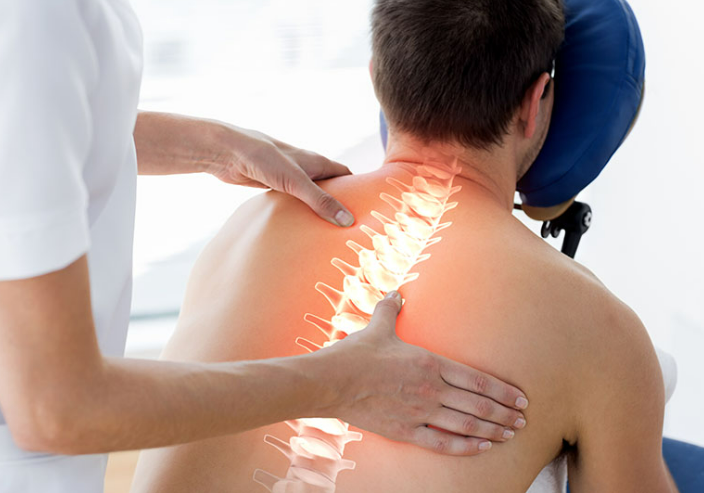
Back pain is something many people shrug off as a normal part of life. Maybe it’s from sitting too long, lifting something heavy, or even just sleeping wrong. But what happens when that discomfort doesn’t go away—or worse, it gets more intense? Recognizing the early signs that you need professional help can prevent long-term damage and get you back to living your life pain-free.
At Florida Medical Pain Management, we specialize in identifying the root causes of back discomfort before it becomes debilitating. Here are some early signs that it’s time to consider Back Pain Treatment in Florida.
1. Pain That Lingers More Than a Few Days
It’s one thing to feel sore for a day or two, but if your back pain sticks around longer than a week, it’s a red flag. Persistent pain may signal something more serious than simple muscle strain.
2. Discomfort That Disrupts Daily Activities
If you find yourself avoiding certain movements, skipping workouts, or struggling with simple tasks like bending or walking, it’s time to listen to your body. Back pain shouldn’t put your life on pause.
3. Pain That Radiates Down Your Legs
A common symptom of sciatica, radiating pain that travels from your lower back through your hips and legs could indicate a nerve issue. This isn’t something to ignore—early intervention can prevent worsening symptoms.
4. Numbness or Tingling
Numbness or a pins-and-needles sensation in your back or legs could suggest nerve compression. These symptoms often go hand-in-hand with herniated discs or spinal issues that need medical attention.
5. Sudden Sharp or Shooting Pains
A sudden jolt of pain that takes your breath away isn’t just alarming—it’s a sign that something is off. Whether it’s a strained ligament or a disc problem, don’t wait for the pain to “go away on its own.”
At Florida Medical Pain Management, we offer advanced diagnostic tools and personalized treatment plans to help you find relief. From minimally invasive procedures to regenerative therapies, we’re committed to helping you move and live pain-free.
Don’t wait for your back pain to take over your life. If you’re experiencing any of these signs, reach out to us for expert Back Pain Treatment in Florida today. Let’s take the first step toward healing—together.
A medical professional wrote this article at Florida Medical Pain Management. Florida Medical Pain Management is proud to offer comprehensive pain management services to a diverse group of patients. Patients at Florida Medical Pain Management can get help managing hip, knee, leg, and neck pain. The practice also offers comprehensive arthritis management, along with treatments for auto accidents, sports, and work injuries as well as ketamine infusion.
CBD (cannabidiol) flower is gaining popularity as a natural remedy for physical and mental health concerns. Unlike THC-rich cannabis, CBD flower provides therapeutic benefits without psychoactive effects, making it appealing for those seeking relief without impairment. From pain management to anxiety reduction, CBD flower is a staple in holistic wellness. Its versatility allows users to consume it by smoking, vaporizing, or infusing it into teas and edibles, offering a fast-acting, natural solution to enhance overall well-being.
Understanding CBD Flower
CBD flower can be obtained from the hemp plant, which has CBD content with very low THC concentration of not more than 0.3%. This is such a natural health promoting compound that works with the human body to affect and respond to mood, pain, sleep induction, and immune system regulation. Unlike CBD oils or edible products, CBD flower is an inhaled product, this means that the effects are felt almost immediately.
Benefits of Using CBD Flower for Therapy
The recent popularity of using CBD flower is attributed to the fact that it can be employed for various medical purposes as it is considered as a natural remedy to various medications. Some of the benefits associated with the institutions include:
1. Anxiety and Stress Relief
CBD flower is used by many individuals who use it to help soothe them. There are all sorts of benefits: it normalizes the hormone cortisol that is associated with stress and can help bring about a state of calm without the use of prescription sleep aids. Individuals with anxiety disorders, PTSD or people with high stress jobs can take advantage of and enjoy this benefit. Read this article for more information about the benefits of using CBD flowers.
2. Pain and Inflammation Management
CBD has been established to have anti-inflammatory as well as anti- pain properties. Hence, there is a chance that patients with chronic pain conditions, including arthritis, fibromyalgia, or migraines, may find comfort after using this flower. CBD manages to alleviate pain by engaging with the pain receptor located in different regions of the brain, improving an individual’s health.
3. Sleep Improvement
CBD flower also helps those suffering from sleep disorders or those who are experiencing sleeping problems. CBD prescribed for sleep is different from non-prescription sleep aids in manner that puts the body to sleep without daytime drowsiness.
4. Mood Enhancement and Depression Support
It was also found that CBD can reduce anxiety, and various trials and research show that it has the potential to stabilize the mood in people suffering from depression. CBD works on serotonin receptors and helps regulate the amount through the brain, which contributes to happiness and emotional balance; thus, such helpful supplements are a suitable natural remedy for depressed people.
5. Addiction Recovery and Craving Reduction
Cannabidiol flower is the current trend due to its impact on the process of substance dependence. It is effective in minimizing craving and withdrawal signs, serious, and abstinence has been proved to be more effective.
How to Use CBD Flower for Therapy
CBD flower can be consumed in various ways, depending on individual preferences and health considerations:
Smoking: Smoking marijuana in a joint or a pipe is another efficient and fast way of administering the flower as some might need quick assistance.
Vaporizing: Along with dry herb vaporizer, it gives the user an opportunity and advantage of using CBD without the ill effects of burning.
Infusions: The flower of CBD can be used to prepare teas or been used to prepare oil or even added to food to produce slow and steady impacts. You can click here for reference.
Safety and Considerations
Nonetheless, it is good to take some precautions when consuming the breakthrough CBD flower:
However, it is advised that any user, especially one with certain underlying health conditions or one who is currently on some medications, should consult a healthcare provider before using CBD products.
It is advisable to begin by taking a small amount of this drug and gradually increase it depending on the outcome.
Here are some recommendations to help you make the right decision when buying this flower to apply in your recipes:
Lastly, content people with legal boundaries as the use of CBD oil depends on the specific country and state.
Final Thoughts
CBD flower is an effective all-natural way of enhancing the health of an individual both mentally and physically. Regardless of the reason for its use be it stress, pain or sleeping disorder, most people have found it to offer several great benefits in the holistic healing practices. In some cases, taking CBD flower in moderation is quite harmless and incorporating this plant-based substance into your daily wellness regimen is safe for most people.
Did you know essential oils can make your skin glow naturally? They are packed with all the good stuff your skin needs. For centuries, people have used them to make their skin look better.
Essential oils are super concentrated. They help your skin stay healthy and look young. Aroma oils are also great for glowing skin. They’re gentle and natural, making your skin look healthy and bright.
Natural skincare like essential oils is getting more popular. People love them because they work well and don’t have harsh chemicals.
Key Takeaways
Essential oils can help revitalize the complexion and achieve a natural glow.
Essential oils for glowing skin are a natural and effective way to promote skin health.
Aroma oil for glowing skin provides a natural and gentle way to achieve a healthy and radiant complexion.
Natural skincare remedies, such as essential oils, are becoming increasingly popular due to their effectiveness and lack of harsh chemicals.
Essential oils can help to revamp and nurture skin health, leaving it looking supple, bright, and youthful.
Essential oils can be used to achieve a glowing and youthful complexion, and are a great addition to any natural skincare routine.
Essential oils can significantly transform skin health by reducing stress and creating a sense of wellness when incorporated into daily skincare routines.
Understanding the Power of Essential Oils for Skin Health
Essential oils are known for their many benefits, including improving skin health. They can reduce inflammation and boost skin hydration. This makes them a top choice for natural skincare.
The best essential oils for glowing skin come from plants, flowers, and herbs. These oils are packed with volatile compounds. They contain antioxidants, vitamins, and minerals that are good for the skin.
What Makes Essential Oils Effective for Skin Care
Essential oils work well for skin care because they deeply nourish and protect the skin. They can make fine lines and wrinkles less visible. They also help improve skin texture and encourage new skin cell growth.
The Science Behind Essential Oils and Skin Rejuvenation
Studies show that essential oils can greatly improve skin health. They can reduce inflammation, improve hydration, and help skin cells grow. Tea tree oil, for example, fights acne and other skin issues because of its antibacterial properties.
Key Components That Promote Skin Health
Key components for skin health include:
Antioxidants, which protect the skin from damage
Vitamins, which nourish and protect the skin
Minerals, which help skin cells grow and improve texture
Top Essential Oils for Glowing Skin and Radiance
Essential oils are great for keeping your skin healthy. They offer many benefits for glowing skin and radiance. Essential oils for skincare can improve skin health by hydrating, managing acne, and fighting aging.
Lemon, rose, sandalwood, and rosemary are top picks for glowing skin. They are packed with antioxidants and nutrients. Lemon oil helps with acne and firming skin. Rose oil is good for dry skin because it hydrates.
Here are some essential oils for skincare that can help achieve glowing skin and radiance:
Lemon oil: known for its astringent properties and high vitamin C content
Rose oil: recognized for its hydrating properties and antioxidant content
Sandalwood oil: beneficial for its anti-inflammatory properties and ability to reduce skin irritation
Rosemary oil: known for its antioxidant properties and ability to improve skin texture
When using essential oils for healthy skin, always dilute them with carrier oils. Also, do a patch test to avoid skin irritation. With the right essential oils and skincare, you can get glowing skin and radiance.
The Benefits of Lavender Oil for Youthful Complexion
Lavender oil is known for its many benefits, including making skin look younger. It’s packed with antioxidants and nutrients that boost skin health. This makes it a great choice for skincare routines that use essential oils.
Using diluted lavender oil regularly can make your skin smoother. It also helps improve skin elasticity by boosting collagen production. This is key for a glowing complexion.
Anti-aging Properties of Lavender
Lavender oil fights off free radicals, which can make fine lines and wrinkles less visible. Its anti-inflammatory properties help soothe redness and irritation. This is great for sensitive skin, improving overall skin tone and brightness.
How Lavender Promotes Skin Cell Regeneration
Lavender oil helps skin cells regenerate, which is crucial for fixing damaged tissue and reducing acne scars. It’s best used in facial massages or added to skincare routines. This boosts its benefits, even more, when combined with other essential oils.
Best Applications for Lavender Oil
To get the most out of lavender oil, mix it with carrier oils like jojoba, almond, or coconut oil. You can also add it to skincare products. This adds extra protection and helps achieve a glowing complexion.
Some top ways to use lavender oil include facial massages, skincare routines, and mixing it with moisturizer or carrier oil. These methods help enhance natural glow and are part of a complete essential oil skincare approach.
Tea Tree Oil: Nature’s Solution for Clear Skin
Tea tree oil is a well-known essential oil for skin health. It helps reduce acne and skin imperfections. This makes it great for those looking for glowing skin.
Its antibacterial and antiseptic properties are why it’s used in many products. Using it with other oils can boost its effects.
Tea tree oil fights inflammation and lowers scarring risk. It’s also good for dry skin and acne. Its pre-diluted form is safe and easy to use.
It’s also cruelty-free, vegan-friendly, and eco-friendly. This makes it a top choice for those who care about the environment and ethics.
When using tea tree oil, dilute it properly to avoid irritation. Mix 2-3 drops with a carrier oil like olive or coconut oil. This keeps your skin’s oil balance right.
Use it as a spot treatment or in facial cleansers. It works well with other oils for a personalized skincare routine.
Tea tree oil is a natural way to get clear, glowing skin. Its benefits, ease of use, and sustainability make it a great addition to any skincare routine. It pairs well with other oils for even better results.
Benefits of Tea Tree Oil
Description
Reduces inflammation
Helps to lower the risk of scarring and soothe dry skin
Sustainably sourced
Aligns with environmental and ethical standards
Cruelty-free and vegan-friendly
Meets the needs of those who prioritize animal welfare and environmental sustainability
Frankincense: The Ancient Secret for Skin Rejuvenation
Frankincense has been a prized item for centuries, known for its health benefits, including skin care. It comes from the Boswellia tree and was once traded for valuable things like silver and gold. When Tutankhamun’s tomb was opened, the scent of frankincense was still present, showing its long history in embalmings.
Frankincense is great for the skin. It tones and rejuvenates, making mature skin look better. Boswellic acid in frankincense fights inflammation and heals the skin. Studies show it can reduce wrinkles and fine lines, making it a key part of glowing skin routines.
Frankincense offers many benefits, like fighting bacteria and improving mood. It also boosts collagen production, making the skin firmer and more elastic. Its essential oil can even out skin tone and improve health, which is great for mature skin.
To use frankincense essential oil, mix 1 to 2 drops with carrier oils like jojoba or almond. You can make a toner by mixing 100 ml of rose water with 10 to 15 drops of Frankincense essential oil. Adding 2 to 3 drops to face masks can also enhance their benefits. But remember, avoid sun exposure after using it and always use sunscreen.
Benefits of Frankincense
Description
Anti-inflammatory
Reduces redness, irritation, and inflammation
Antimicrobial
Prevents the growth of microorganisms
Antioxidant
Protects the skin from damage caused by free radicals
Anti-aging
Minimizes the appearance of wrinkles and fine lines
Safe Application Methods and Dilution Guidelines
Using essential oils for healthy skin requires careful application and dilution. Essential oils are very concentrated. So, it’s important to mix them with a carrier oil. A good starting point is a few drops of essential oil per tablespoon of carrier oil.
The right ratio depends on your skin type and the essential oil. For example, geranium and chamomile are gentle and can be used more freely. But citrus oils like bergamot and lemon need to be used less to avoid sun sensitivity. Always do a patch test, even if you have normal skin.
Here are some tips for diluting essential oils:
Begin with a small amount (1-2%) and adjust as needed.
Choose a carrier oil that matches your skin, like coconut or jojoba oil.
Don’t apply essential oils to damaged or irritated skin.
By following these guidelines, you can safely use essential oils for healthy skin. Always pick high-quality oils from trusted sources. And always follow the recommended usage.
Essential Oil
Recommended Dilution Ratio
Carrier Oil
Lavender
2-3%
Jojoba oil or coconut oil
Tea Tree
1-2%
Coconut oil or olive oil
Geranium
2-3%
Jojoba oil or sweet almond oil
Creating Your Own Essential Oil Skincare Routine
To make a skincare routine with essential oils for glowing skin, pick the right aroma oil for glowing skin and carrier oils. Carrier oils depend on your skin type. You can choose from sweet almond, grapeseed, argan, jojoba, avocado, hemp, and rose hip.
Some top carrier oils are:
Sweet almond oil, rich in omega 3s and vitamins A and E
Argan oil, high in omega 6 and omega 9 fatty acids
Jojoba oil, which mimics natural skin oils
For your skincare routine, add essential oils like frankincense, lavender, and geranium. They help with inflammation and bacteria. Always dilute essential oils right to avoid skin harm.
Using essential oils for glowing skin and aroma oil for glowing skin in your routine boosts skin health. It also gives you a natural glow. Always test and follow dilution rules for safe use.
Carrier Oil
Benefits
Sweet Almond Oil
Rich in omega 3s and vitamins A and E
Argan Oil
High in omega 6 and omega 9 fatty acids
Jojoba Oil
Mimics natural skin oils
Common Mistakes to Avoid When Using Essential Oils
Using essential oils for clear skin and a glowing complexion requires caution. Many people make mistakes that can cause irritation or allergic reactions. Research shows that about 80% of DIY skincare fans have had bad reactions from using essential oils.
Some oils, like citrus, can make your skin more sensitive to the sun. It’s best to use these oils at night to avoid sun exposure. Proper dilution and storage are also key to safe use. Some oils can stain skin and fabrics, so be careful before they absorb.
To avoid mistakes, follow important guidelines and precautions. Here are some tips:
Always dilute essential oils with a carrier oil before applying to the skin
Store essential oils in a cool, dark place to maintain their potency and shelf life
Avoid using essential oils on sensitive skin or open wounds
Be cautious when using essential oils around pets and children
By knowing these common mistakes and taking precautions, you can safely use essential oils. Always choose high-quality oils from trusted brands. These brands should have third-party testing to ensure purity and quality.
Combining Essential Oils with Other Natural Skincare Practices
Essential oils can greatly enhance a natural skincare routine. They offer many essential oils benefits for skin. When paired with practices like facial massage and exfoliation, they help achieve glowing skin essentials.
A study showed that 50% of users with cystic acne saw improvements. They made the switch to essential oils and natural skincare.
Some popular natural skincare practices to combine with essential oils include:
Facial massage to increase blood flow and reduce tension
Exfoliation to remove dead skin cells and promote cell turnover
Using natural masks and toners to balance the skin’s pH and reduce inflammation
By adding essential oils to a complete skincare routine, you can see better skin health. You’ll get a more radiant look. The right mix of essential oils and natural skincare can lead to glowing skin essentials and many essential oils benefits for skin.
Conclusion: Embracing Natural Beauty with Essential Oils
Essential oils are natural wonders that can make your skin glow. They include lavender, tea tree, and frankincense. These oils have been used for centuries to care for the skin. Modern science also supports their benefits.
Adding essential oils to your skincare routine can make your skin look amazing. They help fight aging signs, reduce acne, and keep your skin bright. With so many essential oils available, you can find the perfect mix for your skin. Let nature help you achieve the radiant skin you desire.
FAQ
What are the benefits of using essential oils for skin health and achieving a glowing complexion?
Essential oils are natural and packed with nutrients. They can make your skin look soft, bright, and young. They have antioxidants, vitamins, and minerals that help your skin grow new cells and look better.
What are the top essential oils for glowing skin and radiance?
The best essential oils for glowing skin are lemon, rose, sandalwood, and rosemary. They are full of antioxidants and other good stuff that helps your skin.
How can lavender oil help achieve a youthful complexion?
Lavender oil fights aging and helps your skin grow new cells. Use it in face massages or in your skincare routine. It can make your skin look younger and more radiant.
How can tea tree oil help clear up skin imperfections?
Tea tree oil is great for fighting acne and blemishes. It’s antibacterial and anti-inflammatory. Use it as a spot treatment or in your cleanser to get clear, glowing skin.
What are the benefits of using frankincense for skin rejuvenation?
Frankincense has been used for ages to make skin look younger. It helps your skin grow new cells and reduces wrinkles. It’s good for your skin and can be used in massages or in your skincare routine.
What are the proper dilution guidelines and safety considerations when using essential oils for skin care?
Always dilute essential oils in a carrier oil before using them. The right ratio depends on the oil and your skin. Always do a patch test and know the risks. Store them properly to keep them safe and effective.
How can I create a personalized skincare routine using essential oils?
First, figure out what you want to fix, like dullness or acne. Pick the best oils for your skin and add them to your routine. Cleanse, tone, and moisturize with essential oils. Try different ways to apply them to find what works best for you.
What are some common mistakes to avoid when using essential oils for skin care?
Don’t use essential oils straight from the bottle. Avoid mixing them in dangerous ways and store them right. Know the signs of bad reactions and stop using if you see them. Getting advice from experts can help you use essential oils safely and effectively.
Looking for safe, effective, and time-tested natural remedies? Unlock the secrets of holistic healing at Pure Remedy Solutions
Trauma-informed care is a way of looking at mental health treatment that starts with understanding how trauma affects people. It’s not just about the symptoms someone shows, but about recognizing the deep and often invisible wounds that past experiences can leave. This approach asks, “What happened to you?” instead of “What’s wrong with you?” It’s a shift in thinking that aims to create a safe space for healing by acknowledging the impact of trauma.
Key Principles of Trauma-Informed Care
The core principles of trauma-informed care revolve around safety, trust, and collaboration. Safety means creating an environment where patients feel secure and respected. Trust is built through transparency and consistent support. Collaboration involves working together with patients, recognizing their strengths, and giving them a voice in their treatment. These principles help to foster a supportive setting where healing can take place.
Importance in Mental Health Treatment
Trauma-informed care is crucial in mental health treatment because it addresses the root causes of distress rather than just the symptoms. By understanding the role of trauma, therapists can tailor their approaches to better meet the needs of their patients. This kind of care can lead to more effective treatment outcomes, as it empowers individuals to take an active role in their healing journey. In New England, this approach is increasingly seen as a vital part of mental health services, reflecting a broader movement towards more compassionate and effective care.
The Rise of Trauma-Informed Care in New England
Historical Context and Development
In recent years, trauma-informed care has gained significant traction in New England, reshaping the landscape of mental health treatment. This approach focuses on understanding the effects of trauma on individuals and integrating that understanding into care practices. The roots of trauma-informed care in this region can be traced back to the late 20th century, when mental health professionals began to recognize the profound impact of trauma on mental health. Initial efforts were largely grassroots, with local therapists and social workers advocating for a shift in treatment paradigms. Over time, these efforts coalesced into a broader movement, with institutions across New England adopting trauma-informed practices as a foundation for their mental health services.
Key Figures and Organizations
Several key figures and organizations have been instrumental in the rise of trauma-informed care in New England. These include pioneering mental health professionals who have championed the integration of trauma-informed principles into clinical settings. Their work has been supported by organizations dedicated to mental health advocacy and policy reform. These groups have played a crucial role in promoting awareness and education about the benefits of trauma-informed care, leading to its widespread acceptance and implementation. The CONNECT program, for instance, has been pivotal in enhancing healthcare access and providing essential services to vulnerable populations, including those experiencing homelessness.
Impact on Regional Mental Health Policies
The adoption of trauma-informed care has had a profound impact on mental health policies throughout New England. Policymakers have increasingly recognized the importance of addressing trauma in mental health treatment, leading to significant changes in how services are delivered. This shift is evident in the increased funding for trauma-informed training programs and the integration of trauma-informed practices into public health initiatives. As a result, New England has become a leader in the implementation of trauma-informed care, setting an example for other regions to follow. This transformation underscores the region’s commitment to improving mental health outcomes by addressing the root causes of trauma and prioritizing patient-centered care.
Core Principles of Trauma-Informed Mental Health Care
Safety and Trustworthiness
Creating an environment where people feel safe and can trust those around them is a big part of trauma-informed care. It’s about making sure that everyone involved in the care process, from the patients to the staff, feels secure and respected. This means clear communication, honest interactions, and a commitment to privacy. When people feel safe, they’re more likely to open up and engage in their treatment, which is essential for healing. It’s not just about physical safety but also emotional and psychological security.
Peer Support and Collaboration
Peer support is another cornerstone of this approach. It involves people who have experienced trauma themselves helping others on their healing journey. This kind of support can be incredibly powerful because it comes from a place of understanding and empathy. Collaboration goes hand in hand with this, as it encourages teamwork between patients and professionals. By working together, they can create a more personalized and effective treatment plan. This collaborative spirit helps to build a sense of community and shared purpose, which can be incredibly motivating.
Empowerment and Choice
Empowerment and choice are about giving people control over their healing process. It’s crucial that individuals feel they have a say in their treatment and that their preferences are respected. This principle is all about recognizing the strength and resilience of those who have experienced trauma and encouraging them to take an active role in their recovery. By offering choices and respecting decisions, care providers can help individuals reclaim a sense of control that they may have lost due to their traumatic experiences. This approach not only aids in healing but also helps to restore dignity and self-worth.
Implementing Trauma-Informed Practices in Therapy
Adapting Therapeutic Techniques
Therapists in New England are reshaping their approaches to better align with trauma-informed care principles. This shift means focusing more on creating a safe and supportive environment for clients. Therapists aim to build trust by being transparent and consistent in their actions. They listen actively and validate clients’ experiences, which helps in reducing feelings of shame and isolation. By integrating these practices, therapists can help clients feel more in control and less overwhelmed during sessions.
Training and Education for Therapists
Education is a cornerstone in the move towards trauma-informed care. Many therapists are undergoing specialized training to better understand trauma’s impact on mental health. These programs teach them to recognize signs of trauma and respond appropriately. It’s not just about learning techniques; it’s about changing mindsets. The goal is to help therapists see beyond symptoms and understand the underlying trauma, which can lead to more effective treatment plans.
Challenges and Solutions
Implementing trauma-informed practices is not without its hurdles. Therapists often face challenges like limited resources and time constraints. However, many are finding creative solutions to these problems. For example, some are collaborating with community organizations to provide more comprehensive support. Others are advocating for policy changes that allocate more funding to trauma-informed programs. Despite the obstacles, there’s a strong commitment to making these practices work because the benefits for clients are profound.
Case Studies: Success Stories from New England
Community-Based Programs
In New England, community-based programs have been at the forefront of implementing trauma-informed care, making a significant difference in the lives of many. These programs focus on understanding the unique needs of each community and tailoring their approaches accordingly. By fostering environments where individuals feel safe and supported, these initiatives have not only improved mental health outcomes but also strengthened community bonds. One standout example is a program that integrates trauma-informed care within local schools, providing students with the tools they need to cope with stress and anxiety. This approach has led to noticeable improvements in student behavior and overall school climate.
Hospital and Clinical Settings
Hospitals and clinics across New England have embraced trauma-informed care, transforming the way they approach mental health treatment. By prioritizing patient safety and trust, these settings have seen a reduction in patient distress and an increase in treatment adherence. Clinicians are trained to recognize signs of trauma and respond with empathy and understanding, creating a more supportive atmosphere for healing. A notable success story comes from a hospital that revamped its emergency department protocols to be more trauma-sensitive, resulting in faster recovery times and improved patient satisfaction.
Individual Patient Transformations
The impact of trauma-informed care is perhaps most profoundly seen in individual patient transformations. Patients who once felt overwhelmed by their traumatic experiences are now finding hope and healing through personalized care strategies. These transformations are not just about symptom reduction; they involve rebuilding a sense of empowerment and control over one’s life. For instance, a patient who struggled with post-traumatic stress disorder (PTSD) found relief through a combination of therapy and peer support, leading to improved mental health and a renewed sense of purpose. These success stories highlight the potential of trauma-informed care to change lives, offering a path to recovery that respects and honors each person’s journey.
The Role of Trauma-Informed Care in Addressing PTSD
Understanding PTSD and Its Impact
Post-Traumatic Stress Disorder (PTSD) is a condition that can deeply affect those who’ve experienced traumatic events. It often manifests through flashbacks, severe anxiety, and a compelling need to avoid anything that might remind one of the trauma. These symptoms can disrupt daily life, making it hard to maintain relationships or hold down a job. Trauma-informed care steps in by recognizing these unique challenges. It aims to create a supportive environment where individuals feel safe and understood, which is crucial in helping them manage their symptoms and improve their quality of life.
Trauma-Informed Approaches to PTSD
Trauma-informed care focuses on addressing PTSD by acknowledging its specific challenges and symptoms, including flashbacks, anxiety, and the avoidance of trauma reminders. This approach is not just about treating symptoms but also involves understanding the person behind the trauma. By fostering a sense of safety and trust, it encourages individuals to open up about their experiences. Therapists trained in trauma-informed care use techniques that are sensitive to the needs of those with PTSD, ensuring that treatment is both effective and compassionate.
Success Rates and Patient Feedback
The effectiveness of trauma-informed care in treating PTSD is reflected in the positive feedback from patients. Many report feeling a greater sense of control over their lives and an ability to cope with their symptoms more effectively. This approach has been shown to reduce the intensity of PTSD symptoms, helping individuals to lead more fulfilling lives. The success stories from those who have undergone trauma-informed therapy highlight its potential as a powerful tool in the mental health field.
Integrating Trauma-Informed Care in Schools and Education
Benefits for Students and Educators
In recent years, schools have begun to understand the profound impact trauma can have on a child’s ability to learn and thrive in an educational setting. By integrating trauma-informed care into schools, educators aim to create an environment where all students feel safe and supported. This approach acknowledges the challenges that trauma can bring and seeks to address them in a compassionate manner. For students, this means having access to resources and support systems that help them manage their emotions and behaviors in a healthy way. For educators, it involves training and tools that equip them to recognize signs of trauma and respond appropriately, creating a more inclusive and understanding classroom atmosphere.
Programs and Initiatives in New England
New England has been at the forefront of implementing trauma-informed practices in education. Schools across the region are adopting programs that focus on creating supportive and nurturing environments for students. These initiatives often include training for teachers and staff on how to implement trauma-informed strategies in their daily interactions with students. By fostering a community that prioritizes emotional safety and resilience, these programs aim to improve educational outcomes and overall student well-being. The region’s commitment to these practices reflects a broader understanding of the importance of addressing trauma in educational settings.
Long-Term Impact on Student Well-Being
The long-term benefits of integrating trauma-informed care in schools are significant. Students who feel understood and supported are more likely to succeed academically and socially. By addressing trauma in the school environment, educators can help mitigate its effects, leading to improved mental health and emotional stability for students. Over time, these practices can contribute to a more compassionate and empathetic society, as students carry the skills and understanding gained from trauma-informed education into adulthood. The focus on trauma-informed practices not only enhances the educational experience but also fosters a generation of individuals who are better equipped to handle life’s challenges.
Policy Changes and Advocacy for Trauma-Informed Care
Legislative Efforts in New England
In recent years, New England has seen a shift in how trauma-informed care is approached at the legislative level. Policymakers are increasingly recognizing the value of integrating trauma-informed practices into mental health services. This shift is partly driven by a growing body of research that underscores the importance of addressing trauma to improve mental health outcomes. Legislation is being crafted to support funding for trauma-informed training programs and to mandate the inclusion of trauma-informed care principles in state-run mental health services. These efforts aim to ensure that individuals receiving care are treated with the understanding and compassion they need, ultimately leading to better recovery and resilience.
Advocacy Groups and Their Influence
Advocacy groups in New England have played a crucial role in pushing trauma-informed care to the forefront of mental health treatment. Organizations focused on mental health and trauma survivors have been instrumental in raising awareness and educating both the public and policymakers about the importance of trauma-informed approaches. These groups often collaborate with healthcare providers to develop guidelines and best practices that can be implemented across various settings. Their persistent efforts have not only influenced policy but have also led to increased funding and resources dedicated to trauma-informed care initiatives.
Future Directions and Opportunities
Looking ahead, the future of trauma-informed care in New England seems promising. There is a strong push towards expanding these practices beyond mental health services into other areas, such as education and criminal justice. This expansion is seen as an opportunity to create more supportive environments that acknowledge the impact of trauma on individuals’ lives. As more sectors adopt trauma-informed principles, the potential for broader systemic change grows. Continued advocacy and legislative support will be key in ensuring that trauma-informed care becomes a standard practice, providing a more compassionate and effective approach to treatment across the region. Furthermore, integrating trauma-informed approaches with evidence-based practices is seen as a critical step in enhancing the effectiveness of interventions, particularly in behavioral health crisis care.
Challenges in Expanding Trauma-Informed Care
Resource Allocation and Funding
Expanding trauma-informed care faces several hurdles, with resource allocation and funding being primary concerns. Organizations often struggle to secure necessary funds to implement comprehensive trauma-informed programs. This can be due to budget constraints or competing priorities within healthcare systems. Without adequate financial support, it’s challenging to train staff, develop resources, and maintain ongoing support for trauma-informed initiatives. This lack of funding can lead to inconsistent application of trauma-informed practices, which can undermine their effectiveness.
Resistance and Misunderstandings
Another significant barrier is resistance and misunderstandings about what trauma-informed care actually entails. Some professionals in the healthcare field may not fully understand the principles behind trauma-informed care, leading to skepticism or outright resistance. There is often a perception that these practices require too much time or resources without clear evidence of immediate benefits. Educating healthcare providers and stakeholders about the long-term benefits of trauma-informed care is crucial to overcoming this resistance.
Strategies for Overcoming Barriers
To tackle these challenges, strategic approaches are necessary. Building awareness through education and advocacy can help dispel myths and promote the benefits of trauma-informed care. Additionally, fostering collaborations between organizations can help pool resources and share knowledge, making it easier to implement these practices effectively. Securing long-term funding through grants and partnerships is also key. By addressing these issues head-on, there is a greater chance of successfully expanding trauma-informed care and improving outcomes for those affected by trauma.
The Future of Trauma-Informed Mental Health Care
Innovations and Emerging Trends
Looking ahead, trauma-informed mental health care is poised to undergo significant changes. New technologies like virtual reality and AI are beginning to find their place in therapy sessions, offering fresh ways to engage patients. These tools can create immersive environments that help individuals process their trauma in a controlled setting. Moreover, there’s a growing trend towards personalized care, where treatment plans are tailored to the unique experiences and needs of each person. This shift is driven by a deeper understanding of how trauma impacts individuals differently, emphasizing the importance of flexibility in therapeutic approaches.
Potential for Broader Applications
Trauma-informed care is not just limited to mental health settings. Its principles are being applied in various fields, from education to criminal justice. Schools are adopting trauma-informed practices to create safer and more supportive environments for students. In the justice system, there’s a push to understand the trauma histories of offenders, which can lead to more compassionate and effective rehabilitation programs. This broader application highlights the versatility of trauma-informed approaches and their potential to create positive change in many areas of society.
Vision for the Next Decade
In the next ten years, trauma-informed care is expected to become more mainstream. As awareness grows, more organizations and institutions will likely adopt these practices. This could lead to a cultural shift where understanding and addressing trauma becomes a fundamental part of how we approach health and well-being. The future holds promise for a more empathetic and inclusive society, where the impacts of trauma are acknowledged and addressed in all aspects of life. The ongoing research and development in this field suggest that the best is yet to come, with new strategies and insights continuing to emerge.
Every successful weight loss journey begins with understanding your present health condition. Visiting a doctor helps create a clear picture of your body’s unique requirements. Regular health check-ups track vital signs, metabolism rates, and body composition analysis. This medical insight shapes realistic goals aligned with your body type. Working with healthcare providers builds a strong base for long-term success in your weight loss path.
Sleep habits – optimizing rest for results
Quality sleep plays a crucial role in weight management by regulating hunger hormones and recovery. Set up a bedtime routine that will help you sleep better. Keep your bedroom cool, dark, and quiet for optimal rest conditions. Ensure you get 7-8 uninterrupted hours of sleep each night. Good sleep habits reduce stress eating and boost energy levels for daytime activities.
Mindful eating – developing awareness
Learn to recognize true hunger signals versus emotional eating triggers. Take time to chew slowly and appreciate food flavours fully. Practice portion awareness by using smaller plates and bowls. Make mindful adjustments to your eating patterns by keeping a food diary. Being present during meals helps prevent overeating and builds healthier relationships with food.
Nutrition planning – building balanced meals
A well-structured meal plan works as the backbone of weight loss success. Focus on lean proteins like chicken, fish, and eggs to maintain muscle mass during weight reduction. Include fibre-rich vegetables and whole grains to keep hunger at bay. Personalized nutrition plans for Medical Weight Loss Grandview Heights take into account a person’s food preferences and lifestyle. Smart portion control and regular meal timing boost metabolism naturally.
Support systems – building your team
Get in touch with others who have similar health goals. Join local fitness groups or online communities for motivation and accountability. Share your progress with family members to gain their support. Working with certified trainers provides expert guidance and safety tips. Having a strong support network makes the weight loss journey more achievable.
Progress tracking – measuring success
Document your journey through regular measurements and progress photos. Focus on non-scale victories like improved energy levels and better-fitting clothes. Keep track of strength gains and endurance improvements. Celebrate small achievements to maintain motivation. Regular progress checks help adjust strategies for optimal results.
Meal prep – organizing for success
Dedicate time for weekly meal preparation to ensure healthy food availability. Stock your kitchen with nutritious ingredients for quick meal assembly. Prepare portion-controlled meals in advance to avoid impulsive food choices. Use food storage containers to keep meals fresh and organized. Smart meal prep saves time and supports consistent healthy eating.
Long-term lifestyle – sustaining changes
Focus on building sustainable habits rather than following temporary diets. Make gradual changes that fit naturally into your daily routine. Learn to enjoy nutritious foods and regular physical activity. Create a balanced approach that allows occasional treats without guilt. Sustainable lifestyle changes lead to lasting weight management success.
Fluoxymesterone, or Halotestin, is a steroid that is very commonly used in bodybuilding and workouts to lose fat. It is an anabolic steroid that can easily cause a loss of fat while enabling the accumulation of muscular mass. Since it is highly effective, most athletes and bodybuilders prefer to stick with this sort of reduction cycle. Its use, along with worldwide Fluoxymesteron providers, has turned out to be a popular steroid among bodybuilders as it helps burn fats during reduction.
Trestolone Acetate/MENT as Ultimate Strength Gainer
Trestolone Acetate is one of the best anabolic steroids for strength and gain. The Trestolone Acetate powder has a rapid action and a result that starts coming days after taking the cycle. This rapid action makes bodybuilders continue to gain muscle and strength quickly. MENT is perfect for professional athletes and bodybuilders for optimal performance quickly and fast without waiting long periods that other anabolic steroids take for action.
Benefits of Building Muscle Using Trestolone Acetate
Sexual activity differentiates Trestolone Acetate/MENT from other anabolic steroids. MENT does not cause sexual dysfunction as neither most 19-nor steroids do; users may thus enjoy usual male sexual activity without the fears of low libido and impotence. Trestolone Acetate from the manufacturer of the product – aasraw can also replace testosterone, which often complicates many bodybuilding programs and allows a more flexible cycle design. Therefore, athletes may tailor their cycles according to their objectives without worries about testosterone side effects.
Increased Muscle Growth, Estrogen Control
Trestolone Acetate powder has a higher affinity for androgen receptors (AR) than testosterone or nandrolone. This is a significant advantage since it allows for fast and intense muscle growth without the nasty side effects of excessive estrogen. Critical bodybuilders enjoy massive muscle mass gain for improved performance as well as physiological growth. MENT does not bind with SHBG; thus, the chemical gets to muscle-building androgen receptors in greater quantities. This one singular characteristic enables more Trestolone Acetate to operate, and therefore, transformational improvements in the bodybuilder are created.
Safety and efficiency first
For excellent bodybuilding results, one can acquire high-grade quality Trestolone Acetate from reliable suppliers like AASraw. The specific anabolic features make Fluoxymesterone/Halotestin able. Halotestin boosts protein synthesis and metabolism. It enhances body fat burning as fatty acids are used for energy. Bodybuilders prefer to attain a shredded look. Halotestin also boosts energy, and users can work out more intensely and burn weight. Athletes can be sure that their body is losing fat without muscle injury by purchasing Halotestin through a trusted Fluoxymesterone supplier. In summary, Fluoxymesterone (Halotestin) and Trestolone Acetate (MENT) can assist in burning fat and growing muscles for bodybuilders. Halotestin burns fats properly, and Trestolone Acetate is powerful and nontoxic.
Plasma makes up about 55% of blood volume and is essential for transporting substances throughout the body.
It contains proteins like immunoglobulin and clotting factors crucial for immune response and preventing bleeding.
Plasma donations are vital for treating medical conditions and advancing medical research and innovation.
Eligibility for donation generally includes being at least 18 years old, weighing a minimum of 110 pounds, and passing a health screening.
The donation process lasts about 1.5 to 2 hours and involves a comprehensive screening and plasma collection using a sterile method.
San Diego offers multiple top-rated plasma donation centers with a focus on donor care and community health initiatives.
Myths about plasma donation include fears of pain and depletion; the process is safe, and plasma replenishes quickly.
Each donation can save multiple lives and supports clinical research for new treatments, making plasma donation a highly impactful act.
Advocating for plasma donation in your community can inspire others and help dispel myths surrounding the donation process.
Understanding Plasma Donation: The Lifeblood of Medical Innovation
What Makes Plasma So Special?
Plasma is the yellowish liquid portion of blood that is crucial for a variety of bodily functions and medical treatments. Comprising about 55% of total blood volume, plasma is primarily made up of water (92%), electrolytes, proteins, and waste products. What sets it apart is the fact that it serves as a transport medium, carrying blood cells, nutrients, hormones, and proteins throughout the body. This is essential during emergencies such as surgeries, trauma cases, or illnesses, making plasma a critical resource in medical settings.
One of the most important proteins found in plasma is immunoglobulin, which plays a vital role in the immune response. Additionally, clotting factors contained in plasma are essential for preventing excessive bleeding during injuries. The unique composition of plasma allows it to be used as a treatment for various medical conditions, including liver disease, hemophilia, and certain autoimmune disorders. By donating plasma, you not only help individuals in immediate need but also contribute to the development and innovation of medical treatments that will benefit countless others.
The Science Behind Plasma: A Look at Its Components and Benefits
The components of plasma are what make it so beneficial to healthcare. Plasma consists mainly of water, which serves as a solvent, but its real value lies in its proteins. These proteins include albumin, which helps regulate blood volume and pressure, globulins, which are essential for immune function, and fibrinogen, which plays a crucial role in blood clotting. The extensive collection of antibodies within plasma creates a unique platform for advancements in immunology and treatment protocols.
Understanding the benefits of plasma goes beyond its immediate life-saving capabilities. Plasma-derived products like albumin and clotting factors are utilized in treating various conditions over the long term. For example, clotting factor concentrates derived from plasma are crucial for those with hemophilia, allowing them to lead functional lives free from excessive bleeding episodes. The continuous need for these medical resources makes plasma donations an enduring requirement in the health sector.
How Plasma Donations Impact Medical Research and Treatment
When you donate plasma, you are not only providing a lifeline to patients but also fueling the engine of medical research and innovation. Plasma donations are essential for creating therapies that combat diseases such as hepatitis, HIV, and various neurological conditions. Researchers utilize donated plasma to develop new medications, vaccine formulations, and understanding the mechanism of diseases.
Each plasma donation contributes to a larger repository of knowledge and potential cures. For instance, convalescent plasma received special attention during the COVID-19 pandemic for its use in treating infected patients. Researchers explored its ability to transfer passive immunity, significantly impacting treatment protocols. Donating plasma thus has systemic consequences, affecting clinical practices and the advancement of healthcare technologies, making the act of donation both altruistic and invaluable from a scientific perspective.
Your Plasma Donation Journey: From Screening to Donation
Eligibility Requirements: Are You a Plasma Hero?
Before embarking on your plasma donation journey, it is essential to understand the eligibility criteria set forth by blood donation organizations. Generally, you must be at least 18 years old, weigh a minimum of 110 pounds, and possess a valid government-issued ID. Additionally, potential donors are screened for certain medical conditions, medications, and travel history to ensure the safety and efficacy of the donated plasma.
Individuals with specific health issues such as certain infections, active cancers, or high-risk behaviors may be temporarily or permanently deferred from donating. Understanding these guidelines shows not only the importance of donor safety but also the integrity of the plasma collected. If you’re healthy and meet these criteria, you can be a plasma hero, making your contributions vital to the wellbeing of others.
The Screening Process: What to Expect on Donation Day
When you arrive at the donation center, you will undergo a comprehensive screening process to confirm your eligibility. This initial step usually includes filling out a detailed medical history questionnaire and undergoing a physical examination, where your blood pressure, temperature, hemoglobin levels, and pulse rate will be checked. The clinical staff will examine any potential risks to your health and the safety of the plasma to be collected.
Transparency is key during this phase; it provides the opportunity for donors to ask questions about the donation process or medical history. The donation center staff is trained to guide you through the process and ensure you are comfortable every step of the way. Once you complete the screening, you will receive information about what to expect during the donation process and any post-donation care instructions. Being well-prepared helps alleviate any concerns you may have about donating plasma.
Step-by-Step: The Plasma Donation Experience Explained
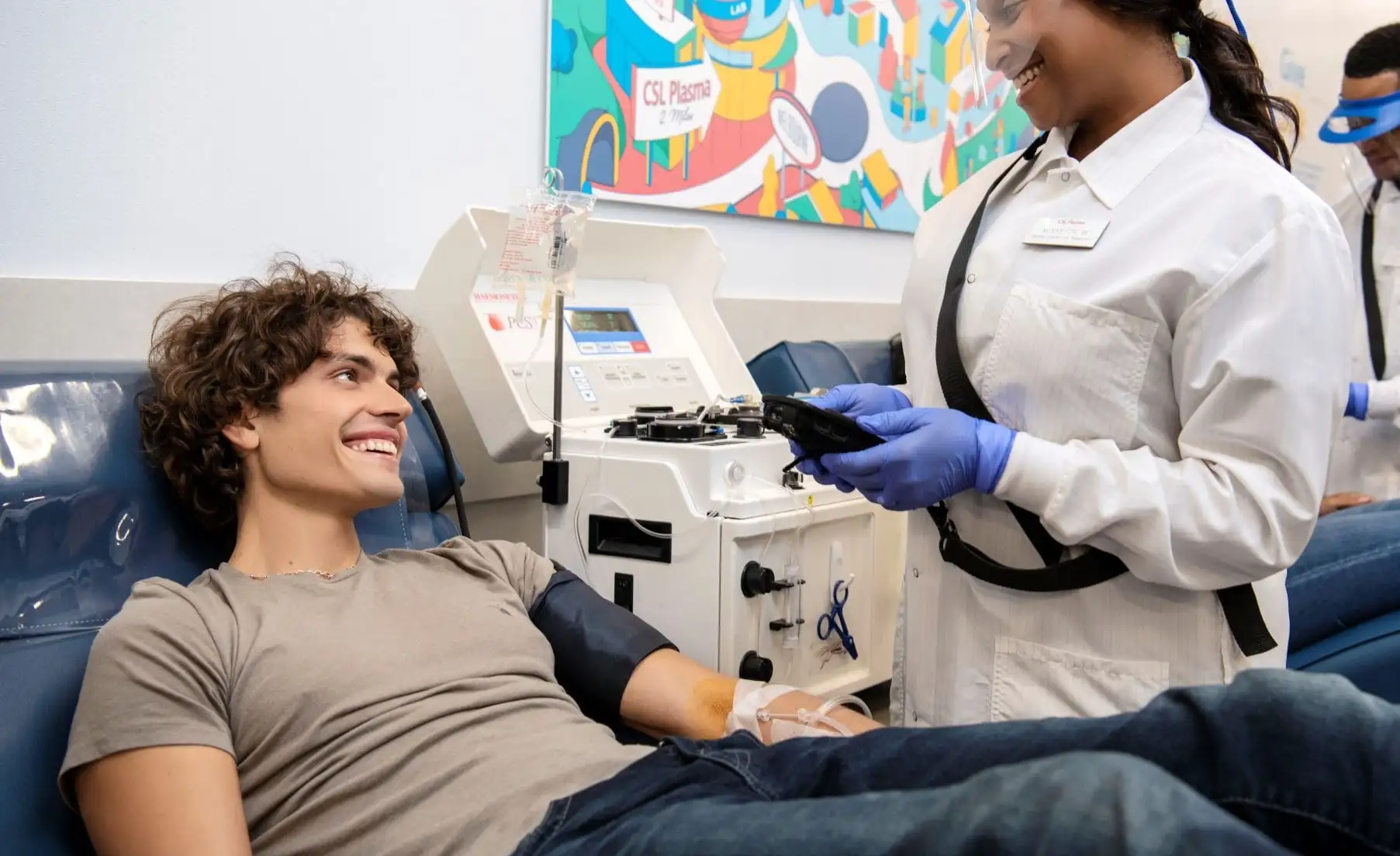
The actual plasma donation process typically takes about 1.5 to 2 hours, beginning with the setup of your donation bed and ensuring you are comfortable. An IV will be inserted into a vein, usually in your arm, where blood will be withdrawn and separated. The blood is then processed in a centrifuge, which spins it at high speed to separate plasma from red blood cells and other components. The plasma is collected into a sterile bag specially designed for this purpose, while the red blood cells are transferred back into your body through the same IV line.
Modern plasma donation centers are equipped with comfortable seating, entertainment options like screens for watching movies, and snacks to help donors relax during the process. It’s crucial to stay hydrated before and after the donation, and most centers will provide you with fluids to assist in recovery. After the donation is complete, you will be monitored briefly to ensure you feel well before leaving. Health and safety protocols are strictly adhered to, creating an environment that prioritizes both donor comfort and wellbeing.
The San Diego Scene: Top Plasma Donation Centers You Should Know About
Around Town: Best Places for Plasma Donation in San Diego
San Diego offers a variety of reputable centers where individuals can donate plasma. One of the top choices for San Diego donate plasma locations is BioLife Plasma Services, known for its advanced facilities and excellent donor care. CSL Plasma is another popular option, offering competitive incentives and contributing to community health efforts. Octapharma Plasma adds to the mix with its unique amenities and flexible hours, making it convenient for busy donors.
Each center ensures a safe and positive experience, with trained staff guiding the process. Additionally, they provide educational resources about the importance of plasma donation and how it benefits the medical community. Researching the different San Diego donate plasma centers can help you find the best fit for your needs in terms of proximity, services, and overall environment.
Atmosphere and Experience: What Makes These Centers Stand Out?
What distinguishes blood donation centers in San Diego extends beyond state-of-the-art equipment; it encompasses the overall donor experience. For many, the clean, welcoming atmosphere of these donation centers creates a sense of community and purpose. Friendly staff who take the time to engage with donors, explain the process, and answer questions make a significant impact on the experience. This human connection fosters a sense of camaraderie among donors, fueling a spirit of giving.
Certain locations also emphasize the importance of comfort. Cozy recliners, personal TVs, free Wi-Fi, and refreshments create a relaxed and pleasant atmosphere. For donors returning for multiple visits, a sense of familiarity often develops, providing satisfaction in their continued contributions. Many centers also highlight their involvement in community-driven campaigns, enabling donors to feel like valued participants in a larger movement that promotes health and well-being.
Scheduling Your Appointment: Tips for a Seamless Experience
To optimize your plasma donation experience, it’s advisable to plan ahead and schedule your appointments strategically. Most donation centers provide the option to book online, allowing you to see available dates and times that suit your schedule. It’s beneficial to choose a time when you can dedicate ample hours for the donation process, especially if you are new to giving plasma.
On the day of your donation, arrive 15 minutes early to complete any necessary paperwork and settle in. Being well-rested and hydrated will make the experience smoother; hence drinking plenty of fluids and having a healthy meal before your appointment is crucial. Many centers provide nutritional snacks post-donation, which aids in recovery as well. Attending regularly and formatting a donation routine can also enhance your contribution experience, ensuring you have a consistent impact on the community.
Beyond Donation: Myths, Facts, and the Community Impact of Plasma Donations
Debunking Common Myths: What You Should Really Know About Plasma Donation
Despite its life-saving benefits, plasma donation is often misunderstood. One prevalent myth suggests that donating plasma is painful or risky. In reality, the process is conducted by trained professionals utilizing sterile techniques, which minimizes any discomfort associated with the donation. Most donors report only feeling a mild pinch during the needle insertion, with the most significant discomfort being temporary and manageable.
Another misconception relates to the frequency of donation. Many potential donors worry they will deplete their plasma resources; however, the human body is capable of replenishing plasma quickly, typically within 24-48 hours. Plasma can be donated safely once every 28 days. With proper nutrition and hydration, most individuals can donate regularly without adverse effects on their wellbeing. Educating the public about these myths is vital to encourage more people to participate in this life-saving act.
The Ripple Effect: How Your Plasma Donation Helps Save Lives
Every plasma donation has a far-reaching impact potentially saving multiple lives. Plasma-derived therapies are used in various medical contexts: from emergency treatments for trauma victims to chronic condition management for individuals with autoimmune diseases. The significance stretches into cancer treatments where plasma is utilized in drug formulations that enhance therapeutic efficacy.
Moreover, donating plasma aids in advancing clinical research, allowing scientists to develop and test new treatments, thereby improving healthcare outcomes for patients worldwide. By donating plasma, you are an integral part of a larger community initiative that prioritizes health and healing. Understanding the ripple effect of your contributions can deepen your connection to your donation and provide a sense of fulfillment that cannot be understated.
Getting Involved: How to Advocate for Plasma Donation in Your Community
Once you’ve experienced the joys of donating plasma, consider becoming an advocate for plasma donation within your community. Sharing your story and experiences can inspire others to follow in your footsteps and can help dispel myths surrounding it. Collaborate with local donation centers to participate in awareness campaigns or community events, where you can educate potential donors about the critical need for plasma and the life-saving benefits it provides.
Utilizing social media platforms provides another avenue for outreach. By sharing your experiences and highlighting the importance of plasma donation in saving lives, you can engage a broader audience. Additionally, hosting informational workshops and speaking at community gatherings can build awareness and encourage more donations a cause that is both impactful and rewarding. Being an advocate not only amplifies the importance of plasma donation in your local community but also fosters a culture of generosity and understanding surrounding this life-affirming process.
Peptic Ulcer Disease is more than just a stomach ache. It can make life unbearable. Fortunately, specialists like Dr. Bharat Pothuri exists. They are the ones who dive deep into this complex issue. They treat it with precision and care. As a gastroenterologist, Dr. Bharat Pothuri doesn’t just treat symptoms. He gets to the root cause. He helps patients regain their health and return to a pain-free life. Here, we delve into the vital work of gastroenterologists in resolving Peptic Ulcer Disease.
The Role of Gastroenterologists
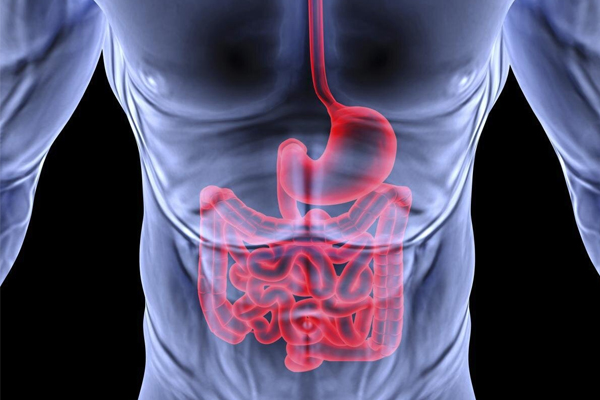
Gastroenterologists are medical experts in the field of digestive issues. They have deep knowledge of how to treat diseases like Peptic Ulcer. They don’t just prescribe medicine. They work on lifestyle changes, diet control, and stress management. Their goal is to prevent further damage to the stomach lining.
What is Peptic Ulcer Disease?
Peptic Ulcer Disease refers to painful sores in the stomach lining. According to MedlinePlus, it is often caused by long-term use of NSAIDs or infection with a bacteria called H. pylori.
Common Symptoms
The symptoms can vary. Yet, some are more common than others. These include stomach pain, bloating, and nausea. In severe cases, it can lead to weight loss and vomiting.
The Approach of Dr. Bharat Pothuri
Dr. Pothuri provides a comprehensive approach. He finds the cause of the ulcer. He treats it, and then takes steps to prevent reoccurrence. His goal is to give patients relief from their symptoms. Yet, he also wants to ensure their long-term health.
Comparison of Treatment Options
Treatment Option
Pros
Cons
Medication
Can provide immediate relief
Does not address root cause, may have side effects
Lifestyle changes
Addresses root cause, can prevent recurrence
Requires commitment and discipline, may take time to see effects
Surgery
Can remove ulcer completely
Invasive, requires recovery time, potential complications
In conclusion, gastroenterologists like Dr. Bharat Pothuri play a crucial role in treating Peptic Ulcer Disease. They strive not only to treat the immediate symptoms but also to ensure the long-term health of their patients. Their work is a testament to the importance of specialized care in dealing with complex health issues like Peptic Ulcer Disease.