How Glaucoma Damages Vision and Why Early Detection Matters

Understanding the silent progression of glaucoma and how early diagnosis protects long-term eyesight.
Glaucoma is often called “the silent thief of sight,” and for good reason. Unlike many eye conditions that cause noticeable discomfort or sudden visual changes, glaucoma typically develops slowly and quietly. In its earliest stages, most people feel completely normal and see clearly. There is no pain, no redness, and no immediate disruption to daily life. Yet beneath the surface, damage may already be occurring to the optic nerve, the delicate structure responsible for carrying visual information from the eye to the brain.
By the time symptoms become obvious, permanent vision loss has often already occurred. This is what makes glaucoma one of the most serious and misunderstood eye diseases today. It is also why early detection and consistent monitoring are essential for protecting long-term eyesight. At Anaheim Eye Institute, glaucoma care is built around identifying the condition as early as possible, slowing its progression, and preserving vision for decades to come.
Understanding how glaucoma damages vision, how that damage progresses, and why early diagnosis makes such a dramatic difference can empower patients to take proactive steps before their eyesight is permanently affected.
How glaucoma quietly attacks the optic nerve
The optic nerve functions like a high-speed communication cable, transmitting visual signals from the retina to the brain. Glaucoma damages this nerve gradually, often due to increased pressure inside the eye or poor blood flow to the nerve fibers. Over time, this damage interrupts the transmission of visual information, leading to blind spots and eventually widespread vision loss.
In most forms of glaucoma, pressure builds up when the fluid inside the eye, called aqueous humor, does not drain properly. This pressure compresses the delicate fibers of the optic nerve, slowly destroying them. Each fiber lost represents a tiny piece of visual information that will never be restored.
What makes this process especially dangerous is how subtly it unfolds. Peripheral vision is usually affected first. A person may still read, drive, and work normally while gradually losing side vision without realizing it. The brain compensates remarkably well, filling in missing information and masking early defects.
“Glaucoma does not announce itself. It erodes vision quietly, one nerve fiber at a time, often without the patient noticing until meaningful damage has already occurred.”
As damage accumulates, tunnel vision may develop, where only the central portion of the visual field remains intact. In advanced cases, even central vision becomes compromised, leading to severe visual impairment or blindness.
Once optic nerve fibers are destroyed, current medical science cannot regenerate them. This is why glaucoma management focuses on preventing future damage rather than reversing what has already occurred.
Why early glaucoma detection changes everything
The single most important factor in preserving vision with glaucoma is timing. When the disease is identified early, treatment can significantly slow or halt its progression. Patients who begin care in the early stages often maintain functional vision for the rest of their lives.
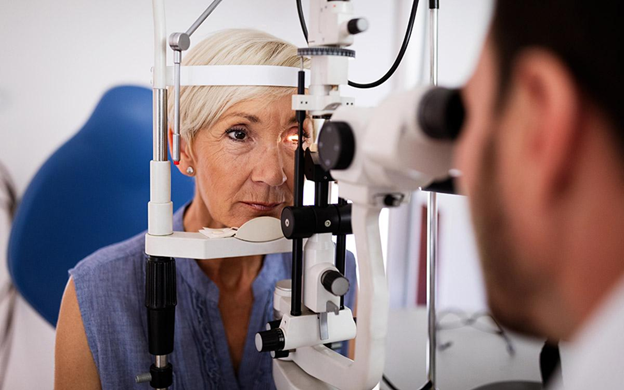
Routine comprehensive eye exams play a critical role in early detection. These exams measure intraocular pressure, evaluate the optic nerve, assess peripheral vision, and increasingly rely on advanced imaging technologies that detect microscopic changes long before vision loss is noticeable.
At Anaheim Eye Institute, modern diagnostic tools allow specialists to identify subtle nerve fiber thinning, early pressure abnormalities, and minor visual field changes that would have gone unnoticed just a decade ago. This proactive approach enables intervention while vision is still fully intact.
Early treatment typically involves prescription eye drops to lower eye pressure, lifestyle recommendations, and regular monitoring. In some cases, laser therapy or minimally invasive procedures may be recommended to improve fluid drainage and stabilize pressure.
When glaucoma is diagnosed late, treatment options become more limited. While progression can still be slowed, lost vision cannot be recovered. This is why patients with risk factors such as family history, diabetes, high blood pressure, or age over 40 are strongly encouraged to schedule regular screenings.
The emotional and practical impact of untreated glaucoma
Vision loss affects far more than eyesight alone. It alters independence, confidence, mobility, and quality of life. Patients with advanced glaucoma often struggle with driving, reading, recognizing faces, and navigating unfamiliar environments. These challenges can lead to social isolation, anxiety, and increased risk of falls and injuries.
Glaucoma is particularly devastating because it often leads to preventable outcomes. Many individuals who suffer significant vision loss were unaware they were developing the disease until it progressed.
“Glaucoma is not just an eye condition. It is a life-altering disease when left undetected.”
Early diagnosis changes the narrative entirely. Instead of reacting to irreversible damage, patients gain control over the disease. They move from crisis management to long-term preservation, maintaining their independence and daily routines.
Who is most at risk for glaucoma
Although anyone can develop glaucoma, certain factors significantly increase risk. Age is a strong predictor, with prevalence rising sharply after 40 and even more after 60. Family history also plays a major role, as genetics can influence optic nerve vulnerability and eye pressure regulation.
Medical conditions such as diabetes, cardiovascular disease, migraines, and chronic steroid use may further elevate risk. Individuals with thin corneas, severe nearsightedness, or a history of eye injury are also more susceptible.
Ethnicity matters as well. African American and Hispanic populations experience higher rates of open-angle glaucoma and are more likely to develop severe vision loss if not treated early.
Consistent screening remains the most reliable safeguard, as many risk factors remain unchangeable. Even patients with perfect vision should not assume their eyes are healthy without professional evaluation.
Modern glaucoma care focuses on preservation, not perfection
There is no cure for glaucoma, but there is highly effective management. The goal of treatment is simple but powerful: lower eye pressure to a level that prevents further optic nerve damage.
Modern care strategies are individualized. Two patients with the same diagnosis may require different treatments depending on pressure levels, nerve appearance, lifestyle, and overall health.
Consistent use of eye drops consistently provides safe and effective pressure reduction. Laser treatments can enhance natural drainage pathways with minimal discomfort and downtime. Surgical options, including minimally invasive glaucoma surgery (MIGS), provide additional tools when medications alone are insufficient.
At Anaheim Eye Institute, treatment plans are tailored to the patient, not just the diagnosis. This personalized approach improves compliance, comfort, and long-term outcomes.
Regular follow-up appointments are essential. Glaucoma is dynamic, not static. Pressure levels fluctuate, the optic nerve changes gradually, and treatment effectiveness must be continually reassessed.
Living well with glaucoma starts with awareness
A glaucoma diagnosis does not mean inevitable blindness. With early detection and proper care, most patients retain useful vision for life. The key is understanding that glaucoma is a chronic condition requiring long-term partnership between patient and physician.
Daily habits matter. Taking medications as prescribed, attending follow-up visits, and reporting any changes in vision promptly all contribute to successful management. Patients who actively participate in their care experience better stability and peace of mind.
Education also plays a powerful role. When patients understand what glaucoma is doing inside their eyes, they become more motivated to protect their vision and less fearful of the unknown.
“Knowledge transforms glaucoma from a silent threat into a manageable condition.”
Why specialized care matters
Not all eye exams are the same. Glaucoma requires specialized evaluation, advanced imaging, and experienced interpretation. Without the proper technology and clinical expertise, it is possible to miss subtle nerve changes.
Anaheim Eye Institute combines comprehensive diagnostics with a patient-centered philosophy, ensuring that glaucoma is detected early, monitored precisely, and treated effectively. This integrated approach allows patients to move forward with confidence, knowing their vision is being protected with modern medicine and attentive care.
If you haven’t had a comprehensive eye exam recently, or if you have a family history of glaucoma, scheduling an evaluation is crucial for your long-term health.
If you are concerned about glaucoma or are due for an eye exam, schedule a comprehensive screening with Anaheim Eye Institute to protect your vision before damage occurs. Early detection can make the difference between lifelong clarity and irreversible vision loss.