Author: Jennifer

  • Discover the 5 Outstanding Ways Hairstyles Boost Self-Confidence!

    Discover the 5 Outstanding Ways Hairstyles Boost Self-Confidence!

    Your hairstyle not only defines how you look but is an effective way to influence your personality and make you more confident. The right hairstyle makes you feel like a powerhouse and elevate your natural beauty even more. 

    In this comprehensive blog post featuring self-confidence and hairstyling, you’ll get insights on how your hairdo defines your self-esteem and lets your personality amaze others.

    1. Create Your Unique Identity

    A hairstyle is a bridge toward self-expression, a fundamental right that allows you to choose what you like most. Whether it’s straight hair or embracing your natural curls, your hairstyle speaks volumes about who you are. 

    Your hairstyle also tells people around you about what makes you different from others. With a hairdo that best suits your personality, you will be confident in every walk of your life. 

    2. Elevate Your Mood and Spirits

    The right hairstyle can be a game-changer, lifting your spirits and changing your mood. Sometimes, a fresh haircut or a new color is all it takes to feel rejuvenated, energized, and ready to take on the world. 

    Long hair with the desire for a charming look demands decent hairstyles, such as locs and braids. To achieve this, browse different locs and braids products on well-known haircare brands to find the best one for your hairstyle needs. 

    Whether you intend to go for a job interview, a formal dinner, or a face-to-face event, the best-suitable hairstyles empower you to face the day with a positive attitude. 

    3. Accentuate and Enhance Your Features

    Your hairstyle is a personal choice that can accentuate your best features and bring out your inner beauty. This beauty will attract others’ attention to you and your personality. 

    A hairstyle can positively enhance your best features and make your eyes pop while providing the right balance to your face. Hence, esteeming your individuality and boosting your facial features by selecting a hairstyle will make all the difference. 

    4. Cultivate a Fulfilling and Joyful Lifestyle

    Choose a hairstyle that aligns with your lifestyle, whether you’re a busy professional, a parent, or a free-spirited traveler. A flexible hairstyle will ensure you’re always ready for whatever life throws your way. 

    In other words, picking a flexible hairstyle will make it easy to pass through life without even a single out-of-place hair strand. Through every walk of life, you can move with more confidence and determination to achieve much more in the long run. 

    5. Contemplate Your Personal Journey

    By maintaining or changing your hairstyle, you are echoing the events that have taken place in your life. Your graduating gown, your wedding day look, your new job or promotion, your successful speech or performance – you can crown all of them with the perfect hairstyle. 

    If you learn to appreciate the past experiences you’ve had with hairstyling, you can easily look forward to the future and live your life more confidently. 

    Bottom Line

    Ready to boost your level of confidence, charm, and other characteristics? The above-mentioned effective ways will encourage you to consider investing in your hairstyle. It’s the right time to harness the power of hairstyles and start moving around the world. 

  • The Benefits Of Integrating Dental Implants Into Your Family Dental Care

    The Benefits Of Integrating Dental Implants Into Your Family Dental Care

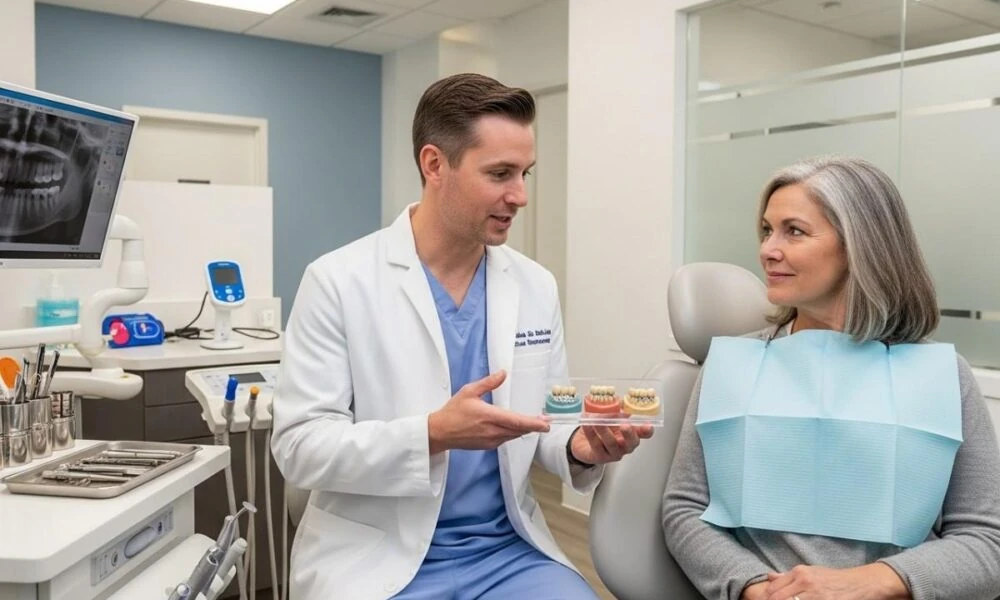
    Dental care can give you a healthy and beautiful smile; if you maintain your oral health, all the discomforts will vanish. However, today’s hectic lifestyle tends to overlook oral health, but the family dentist can handle all members’ timing, comfort, and specific diseases with utmost care. The health professional takes care of your worries about oral-related problems and gives proper guidance on maintaining and caring for your mouth.  

    Moreover, on one roof, adults and children can take special care of themselves and talk freely. What are the problems you face regarding oral issues? How do we take preventive measures to resist diseases?  

    A family dentist in Lakewood Ranch can handle oral problems of all ages, reach the root causes of diseases, communicate with friends, and become a guide for your family. 

    The Beneficial factors of integrating Dental Implants into Your family dental care :

    Enhance confidence in appearance

    If you have had dental implantation, your confidence will be boosted readily because a dentist fixes loose teeth or gum problems that embarrass you publicly. 

    With dental implants, you can feel fresh and beautiful. They easily integrate with your priceless smile, matching your natural teeth’ size, color, and shape.   

    Inhibit bone loss and maintain facial structure well  

    One of dental implantation’s most vital benefits is inhibiting bone loss in the jaw. If a tooth is lost for a prolonged time, your jawbone automatically starts to decay, and your facial structure is also dull. However, Dental implantation has the power to nourish, stimulate, and perfect the look of your tooth root. It can help boost the jawbone and enhance bone growth. 

    Increasing Speech and Communication  

    Losing multiple teeth can affect your comfort in speaking and clarity in communication. The dental implant procedure decreases speech and communication problems by preserving proper tooth function and higher speech patterns. The procedures, replacing missing teeth and solidifying jaw bones, enhance confidence and help build a beautiful lifestyle.  

    Supporting adjoining Teeth  

    Dental implants do multiple things to give you a healthy and perfect oral shape. They replace missing teeth and provide excellent support to adjacent teeth. This implantation has adequately filled the gap and surrounding teeth and enhanced their stability.  

    Permanently healthy Lifestyle 

    If you are under dental care, you should do dental implantation on the older adults in your family. After a one-time dental implantation, it is sustained for at least 10 years. But, proper care after the surgery and guidance from a professional are necessary. The procedures can provide permanent resolution to tooth-related problems.   

    Enhanced Oral Health  

    It can eliminate all discomfort related to oral problems because dental implants become a member of your jawbone. Another comfort is not feeling any slipping or clicking sounds.     

    Comfortable in Eating  

    Eating is the most challenging task when teeth are lost, or gums have problems. You may feel irritated and uncomfortable while eating, which can cause indigestion.   

    However, after the dental implantation, your eating process runs smoothly as it feels like natural teeth. You can eat in public places comfortably.  

    Conclusion

    In today’s busy, competitive world, health is especially neglected. Oral health is the number one priority. Having a family dental specialist who can help members’ oral health can be a great relief. Dental implantation is needed for older adults with problems in their teeth. It would be better if your family dentists did the dental implantations.  

    He knows you’re and your family’s in-depth history and you can be comfortable with that person, too. So, if needed, hire a dental professional for the complete family’s dental implant. 

  • The Top Benefits of Post-Surgery Care at Home

    The Top Benefits of Post-Surgery Care at Home

    Recovering from surgery can be challenging. Many people find that being at home for their recovery has distinct benefits. Here’s why post-surgery care at home is a great choice and how it helps with healing. 

    Comfort and Familiarity

    One of the biggest advantages of recovering at home is the comfort and familiarity it provides. After surgery, you might be in pain or feel weak. Being at home means you are surrounded by your own things, which can make you feel more at ease.

    Your bed, your favorite chair, and even your pet can be comforting. This familiar environment can help reduce stress and make recovery feel more manageable. 

    Personalized Care

    Expert home after surgery caregivers play a crucial role in your recovery. These caregivers provide personalized attention and care tailored to your specific needs. They can assist with medication, help with daily tasks, and ensure you follow your doctor’s instructions.

    This level of personal care is hard to match in a hospital setting where the focus is often on many patients at once. 

    Flexibility and Convenience

    In-home care offers a lot of flexibility. You can set up your recovery schedule to fit your needs. Whether you need extra rest in the morning or a specific time for meals, being at home allows you to make these adjustments.

    You don’t have to stick to the rigid schedules often found in hospitals. This flexibility can be especially helpful for managing pain and fatigue. 

    Reduced Risk of Infections

    Hospitals, while essential for acute care, are environments where infections can spread easily. When you’re at home, you’re in a cleaner and more controlled environment. This can significantly reduce your risk of catching infections.

    Plus, you can keep your home clean and ensure that only a few trusted people are in close contact with you, further lowering the risk. 

    Emotional Support

    Being at home allows you to be surrounded by loved ones who can offer emotional support. Having friends or family around can boost your morale and help you stay positive. Emotional well-being is an important part of the recovery process. Support from those you care about can be incredibly comforting and encouraging. 

    Cost-Effective

    Recovering at home can also be more cost-effective than staying in a hospital. Hospital stays can be expensive, and the costs can add up quickly. By opting for in-home care, you can save on hospital expenses and focus your resources on essential items and treatments for your recovery. Home care often involves fewer costs and can be more budget-friendly. 

    Independence and Privacy

    Recovering at home means you have more control over your space and routine. You can move around freely, watch TV, read, or do whatever makes you comfortable. This privacy and independence can be very important for your mental health and overall well-being. It allows you to heal in an environment that feels like your own. 

    Conclusion

    Post-surgery care at home offers numerous benefits, from comfort and personalized care to cost-effectiveness and reduced infection risks. With home after surgery caregivers and in-home care, you can recover in a familiar, supportive environment that promotes healing.

    Being at home not only helps with physical recovery but also provides emotional support and peace of mind.

  • Common Symptoms of Peritoneal Mesothelioma and Related Legal Claims

    Common Symptoms of Peritoneal Mesothelioma and Related Legal Claims

    Definition and Overview

    Peritoneal mesothelioma is a rare type of cancer that affects the lining of the abdomen, known as the peritoneum. This cancer is primarily caused by exposure to asbestos, a harmful material once widely used in construction and manufacturing. Symptoms often develop many years after exposure, making early detection challenging.

    Causes and Risk Factors

    Several factors can increase the risk of developing peritoneal mesothelioma:

    • Asbestos Exposure: The main cause, often from working in industries like construction or shipbuilding.
    • Genetic Factors: Some people may have a family history of mesothelioma, which can increase their risk.
    • Previous Radiation Therapy: Individuals who have undergone radiation treatment for other cancers may be at higher risk.

    Types of Mesothelioma

    There are different types of mesothelioma, including:

    1. Epithelioid Mesothelioma: The most common type, known for better prognosis.
    2. Sarcomatoid Mesothelioma: A rarer form that tends to be more aggressive.
    3. Biphasic Mesothelioma: Contains both epithelioid and sarcomatoid cells, making it more complex to treat.

    Early Signs of Peritoneal Mesothelioma

    Abdominal Pain and Swelling

    One of the first signs of peritoneal mesothelioma is often pain in the abdomen. This discomfort can vary in intensity and may be accompanied by swelling. Here are some key points to consider:

    • Location of Pain: The pain may be felt in different areas of the abdomen.
    • Duration: It can be persistent or come and go.
    • Accompanying Symptoms: Swelling may occur alongside the pain, making the abdomen feel tight or full.

    Changes in Bowel Habits

    Patients may notice changes in their bowel habits, which can be a warning sign. These changes can include:

    • Constipation: Difficulty in passing stools.
    • Diarrhea: Frequent loose or watery stools.
    • Altered Frequency: Changes in how often one needs to go to the bathroom.

    Unexplained Weight Loss

    Another early symptom of mesothelioma is losing weight without trying. This can be concerning and may indicate a health issue. Important points include:

    • No Change in Diet: Weight loss occurs even if eating habits remain the same.
    • Fatigue: Often, this weight loss is accompanied by feelings of tiredness.
    • Health Monitoring: Keeping track of weight changes can help in early detection.

    Advanced Symptoms of Peritoneal Mesothelioma

    Severe Abdominal Pain

    As peritoneal mesothelioma progresses, patients often experience intense abdominal pain. This discomfort can be persistent and may worsen over time. It is crucial for patients to communicate any changes in pain levels to their healthcare providers.

    Nausea and Vomiting

    Many individuals with advanced mesothelioma report feelings of nausea and may experience vomiting. This can be due to the disease itself or as a side effect of treatments. Managing these symptoms is important for maintaining quality of life.

    Fatigue and Weakness

    Patients often feel extremely tired and weak as the disease advances. This fatigue can be overwhelming and may affect daily activities. It is essential for patients to rest and seek support from family and friends to cope with these feelings.

    Diagnostic Procedures for Peritoneal Mesothelioma

    Imaging Tests

    Imaging tests are crucial for spotting peritoneal mesothelioma. They help doctors see inside the body and check for any unusual growths. Common imaging tests include:

    • X-rays: These can show if there are any fluid buildups in the abdomen.
    • CT Scans: A CT scan provides detailed pictures of the abdomen, helping to identify tumors.
    • MRI Scans: MRI scans use magnets and radio waves to create images, offering a clearer view of soft tissues.

    Biopsy Procedures

    A biopsy is the most reliable way to confirm a diagnosis of peritoneal mesothelioma. During a biopsy, doctors take a small sample of tissue from the abdomen. There are different types of biopsy procedures:

    • Needle Biopsy: A thin needle is used to remove tissue from the tumor.
    • Surgical Biopsy: This involves a small operation to take a larger tissue sample.
    • Laparoscopy: A special tool is inserted through a small cut in the abdomen to collect tissue samples.

    Blood Tests

    Blood tests can help in diagnosing peritoneal mesothelioma, although they are not definitive. They can check for certain markers that may indicate the presence of cancer. Key blood tests include:

    • Mesothelin Test: This test looks for a protein that is often higher in people with mesothelioma.
    • Complete Blood Count (CBC): This test checks overall health and can reveal signs of cancer.
    • Liver Function Tests: These tests assess how well the liver is working, which can be affected by cancer.

    Treatment Options for Peritoneal Mesothelioma

    Surgery

    Surgery is often the first step in treating peritoneal mesothelioma. The goal is to remove as much of the cancer as possible. There are different types of surgeries:

    • Cytoreductive Surgery: This aims to remove visible tumors from the abdomen.
    • HIPEC (Hyperthermic Intraperitoneal Chemotherapy): After surgery, heated chemotherapy is applied directly to the abdomen to kill remaining cancer cells.
    • Palliative Surgery: This type helps relieve symptoms but does not aim to cure the disease.

    Chemotherapy

    Chemotherapy uses drugs to kill cancer cells. It can be given in different ways:

    • Intravenous (IV) Chemotherapy: Drugs are injected into a vein.
    • Oral Chemotherapy: Patients take pills that contain cancer-fighting drugs.
    • Intraperitoneal Chemotherapy: This method delivers drugs directly into the abdominal cavity.

    Radiation Therapy

    Radiation therapy uses high-energy rays to target and kill cancer cells. It can be used in several ways:

    • External Beam Radiation: This is the most common type, where radiation is directed at the tumor from outside the body.
    • Brachytherapy: This involves placing radioactive material inside or near the tumor.
    • Palliative Radiation: This helps relieve pain and other symptoms, rather than curing the cancer.

    Prognosis and Survival Rates

    Factors Affecting Prognosis

    The outlook for someone with peritoneal mesothelioma can vary based on several factors, including:

    • Stage of the Disease: How advanced the cancer is when diagnosed.
    • Patient’s Age: Younger patients often have better outcomes.
    • Overall Health: A person’s general health can influence treatment success.

    Survival Statistics

    Survival rates for peritoneal mesothelioma can be challenging to determine, but some general statistics include:

    • 5-Year Survival Rate: Approximately 10-20% of patients may survive five years after diagnosis.
    • Median Survival: Many patients live about 12-24 months after diagnosis, depending on treatment.
    • Long-Term Survivors: A small percentage of patients may live longer than five years, especially with aggressive treatment.

    Improving Survival Chances

    There are ways to potentially enhance survival rates for those diagnosed with peritoneal mesothelioma:

    1. Early Detection: Catching the disease early can lead to better treatment options.
    2. Comprehensive Treatment Plans: Combining surgery, chemotherapy, and radiation may improve outcomes.
    3. Clinical Trials: Participating in research studies can provide access to new therapies.

    Legal Rights of Mesothelioma Patients

    Understanding Your Legal Options

    Patients diagnosed with mesothelioma have specific legal rights that can help them seek justice and compensation. These rights include:

    • Right to Compensation: Patients can claim compensation for medical expenses, lost wages, and pain and suffering.
    • Right to File a Lawsuit: Patients can file a lawsuit against companies responsible for asbestos exposure.
    • Right to Seek Legal Advice: Consulting with a lawyer who specializes in mesothelioma cases is crucial for understanding options.

    Filing a Lawsuit

    When considering legal action, patients should be aware of the following steps:

    1. Gather Evidence: Collect medical records, employment history, and any documents related to asbestos exposure.
    2. Consult a Lawyer: Find a lawyer experienced in mesothelioma cases to discuss the situation.
    3. File the Lawsuit: The lawyer will help file the lawsuit within the required time limits.

    Compensation and Settlements

    Compensation can come in various forms, including:

    • Settlements: Many cases are settled out of court, providing quicker compensation.
    • Trial Awards: If a case goes to trial, a jury may award damages based on the evidence presented.
    • Trust Funds: Some companies have established trust funds to compensate victims of asbestos exposure.

    Choosing the Right Mesothelioma Lawyer

    When dealing with mesothelioma, finding the right lawyer is crucial. A good lawyer can help navigate the legal process and ensure that patients receive the compensation they deserve. Here are some important factors to consider:

    Qualities to Look For

    • Experience: Look for a lawyer who has handled mesothelioma cases before. They should understand the complexities of these types of claims.
    • Reputation: Research the lawyer’s reputation. Check reviews and ask for recommendations from others who have been in similar situations.
    • Communication Skills: Choose a lawyer who communicates clearly and is easy to talk to. They should be willing to answer questions and explain the process.

    Questions to Ask

    1. What is your experience with mesothelioma cases? This helps gauge their expertise.
    2. What is your success rate? Understanding their track record can provide insight into their effectiveness.
    3. How will you keep me updated on my case? Good communication is key to a successful partnership.

    Finding a Specialist

    • Research Online: Use the internet to find lawyers who specialize in mesothelioma cases. Look for those with a strong background in asbestos-related claims.
    • Consult Local Bar Associations: They can provide referrals to qualified lawyers in your area.
    • Schedule Consultations: Meet with a few lawyers to discuss your case. This will help you find someone you feel comfortable with and trust.

    Case Studies and Legal Precedents

    Notable Mesothelioma Cases

    • Case 1: John Doe vs. ABC Corporation
      John Doe, a former factory worker, was diagnosed with peritoneal mesothelioma after years of exposure to asbestos. He successfully sued ABC Corporation for negligence, receiving a significant settlement that helped cover his medical expenses.
    • Case 2: Jane Smith vs. XYZ Industries
      Jane Smith, who worked in construction, developed mesothelioma due to asbestos exposure on the job. Her case highlighted the importance of workplace safety, leading to a landmark ruling that improved safety regulations in the industry.
    • Case 3: The State vs. Asbestos Manufacturers
      This case involved multiple plaintiffs from a community affected by asbestos pollution. The state took action against several manufacturers, resulting in a large compensation fund for victims and stricter regulations on asbestos use.

    Landmark Legal Decisions

    1. The 2002 Ruling
      A pivotal case that set a precedent for future mesothelioma claims, establishing that companies could be held liable for failing to warn employees about asbestos risks.
    2. The 2010 Verdict
      This decision expanded the definition of exposure, allowing claims from individuals who were indirectly affected by asbestos, such as family members of workers.
    3. The 2015 Case
      A significant ruling that affirmed the rights of mesothelioma patients to seek compensation even if they were diagnosed many years after their exposure.

    Impact on Future Claims

    • Increased Awareness
      These cases have raised awareness about the dangers of asbestos, leading to more people seeking legal help when diagnosed with mesothelioma.
    • Stronger Legal Protections
      The outcomes of these cases have resulted in stronger laws protecting workers from asbestos exposure.
    • More Resources for Victims
      Victims of mesothelioma now have better access to legal resources and support, thanks to the precedents set by these landmark cases.

    Support Resources for Mesothelioma Patients

    Patient Support Groups

    Support groups can be a great way for mesothelioma patients to connect with others who understand what they are going through. These groups offer a safe space to share experiences and feelings. Here are some benefits of joining a support group:

    • Emotional Support: Talking to others can help reduce feelings of isolation.
    • Shared Experiences: Members can share tips and advice based on their own journeys.
    • Information Sharing: Groups often provide updates on new treatments and research.

    Financial Assistance Programs

    Many organizations offer financial help to mesothelioma patients and their families. This assistance can cover medical bills, travel costs, and other expenses. Some options include:

    1. Nonprofit Organizations: Many nonprofits focus on helping cancer patients with financial aid.
    2. Government Programs: Some government programs provide support for medical costs.
    3. Crowdfunding: Patients can use online platforms to raise money for their treatment.

    Counseling and Mental Health Services

    Dealing with a serious illness can be tough on mental health. Counseling services can help patients cope with their feelings. Here are some options:

    • Individual Therapy: One-on-one sessions with a trained therapist can provide personalized support.
    • Family Counseling: This helps families understand and support each other during tough times.
    • Support Hotlines: Many organizations offer hotlines for immediate help and guidance.

    Preventing Mesothelioma

    Workplace Safety Measures

    To reduce the risk of mesothelioma, it is crucial to follow safety guidelines in workplaces where asbestos may be present. Here are some important measures:

    • Use Protective Gear: Always wear masks and protective clothing when working in areas with asbestos.
    • Proper Training: Ensure that all workers receive training on how to handle asbestos safely.
    • Regular Inspections: Conduct frequent checks of the workplace to identify and manage any asbestos hazards.

    Asbestos Exposure Prevention

    Preventing exposure to asbestos is key in avoiding mesothelioma. Consider these steps:

    • Avoid Asbestos Products: Stay away from products that contain asbestos, especially in older buildings.
    • Seal Off Areas: If asbestos is found, seal off the area to prevent fibers from spreading.
    • Hire Professionals: Always hire certified professionals for asbestos removal or repair work.

    Regular Health Screenings

    Regular health check-ups can help catch any issues early. Here’s what to do:

    • Schedule Routine Check-ups: Visit a doctor regularly for health screenings, especially if you have a history of asbestos exposure.
    • Discuss Symptoms: Talk to your doctor about any unusual symptoms, such as persistent cough or chest pain.
    • Stay Informed: Keep up with the latest information on mesothelioma and its prevention.
  • Navigating the Complex World of Buying Steroids Online

    Navigating the Complex World of Buying Steroids Online

    In recent years, the internet has become a bustling marketplace for all kinds of products, including anabolic steroids. These substances, often used by athletes and bodybuilders to enhance muscle mass and performance, have stirred significant interest and controversy. The convenience of purchasing steroids online has made them more accessible, but it also raises critical issues regarding legality, safety, and ethical use. This article explores the intricacies of buying steroids online, highlighting key considerations for potential buyers.

    Understanding Anabolic Steroids

    Anabolic steroids are synthetic versions of the male hormone testosterone. They promote muscle growth (anabolic) and male characteristics (androgenic). While they have medical uses (hormonal issues and certain diseases) their non-medical use is often associated with bodybuilding and sports. Visit https://nida.nih.gov/research-topics/anabolic-steroids to know more about anabolic steroids.

    The Appeal of Buying Steroids Online

    1. Convenience: The foremost of these is the ability to easily make the purchase of steroids online. Most of the products can be viewed, compare prices, and products ordered from the comfort of one’s home without physically accessing physical retail shops.
    2. Variety and Availability: Here are many online steroids stores with many products that are unavailable in the local shops. This variety assists one to look specifically for steroids that meet their needs.
    3. Anonymity: Some of the benefits of purchasing steroids through the internet include the provision of anonymity that most of the consumers prefer. Particularly for individuals who consider outcasts or feel that people will judge them using it.

    Legal and Safety Considerations

    1. Legality: The legal status of steroids means that their purchase and usage are quite legal in some countries while they are considered prohibited in other countries. Anabolic steroids are also banned in some places, being controlled substances and as such their use, sale and purchase require prescription. Before buying steroids online one must ensure that they learn the legal provisions of their country to avert a lawsuit.
    2. Quality and Authenticity: Purchase of steroids online also comes along with a lot of risks such as counterfeit products. While buying steroids from online buyers one may come across fake steroids that may not work or even danger the consumer. To better avoid this risk, one has to read more about the supplier and only use a supplier that has a lot of positive feedback and guaranteed products.
    3. Health Risks: When one takes anabolic steroids and decides to misuse them, they are bound to develop some complications in health, in this case, one may experience liver complications or even suffer a heart attack. The misuse is likely to result in hormonal imbalance. For instance, one may experience aggressive behavior and mood swings. If you want to use steroids, see a doctor, so that, he or she told you the dangers and safety measures on how to use steroids if you decide to use it. Click here to read more a risks and side effects of using steroids.

    Tips for Buying Steroids Online Safely

    1. Research Thoroughly: Take your time to study the different types of steroids, their effects and side effects before you buy. Learn about the trusted brands and suppliers. 
    2. Check Legality: Make sure buying steroids online is allowed in your country or area. Not knowing the law won’t protect you and buying illegal items can get you in serious trouble. 
    3. Read Reviews and Testimonials: See what other buyers say. This will tell you about the product quality and how reliable the seller is. 
    4. Verify the Supplier: Choose suppliers who are transparent about how they work. A good supplier will give you detailed info about their products, what’s in them, how to use them, and what side effects might happen.
    5. Consult a Professional: Speak with a healthcare provider before using anabolic steroids. They can provide valuable advice on safe use, potential interactions with other medications, and how to monitor your health while using these substances.

    Ethical Considerations

    Thus, taking steroids for increasing one’s performance in sports is considered illegitimate and banned in most of the sports associations. There are consequences that result from the use of steroids; one of them would be suspension, they are locked out of the field, and it also lowers their reputation. That’s why when you are into the kind of sport that obviously has rivalry, you have to be very careful with the morals behind steroids. It’s not about the technicality of it as it is about the ethics of it.

    Conclusion

    Buying steroids online offers convenience and accessibility, but it also comes with significant risks and responsibilities. Understanding the legal, safety, and ethical considerations is crucial for anyone considering this route. By conducting thorough research, verifying suppliers, and consulting healthcare professionals, potential buyers can make informed decisions and minimize the risks associated with steroid use. Ultimately, the decision to use anabolic steroids should be made with careful consideration of the potential benefits and drawbacks, always prioritizing health and well-being.

  • How do you store your HHC gummies for maximum freshness?

    How do you store your HHC gummies for maximum freshness?

    HHC gummies have become a popular choice for those seeking the potential benefits of hexahydrocannabinol in a convenient and tasty form. Proper storage is crucial to ensure you get the most out of your HHC gummies. Inappropriate storage leads to the active compounds’ degradation, texture changes, and even harmful bacteria or mould growth.

    Factors affecting HHC gummy freshness

    Several factors impact the freshness and potency of your HHC gummies:

    • Temperature – Both hot and cold temperatures affect the stability of HHC and the texture of the gummies.
    • Light – Exposure to light, especially UV rays, can degrade cannabinoids over time.
    • Air – Oxygen exposure leads to oxidation of the cannabinoids and other ingredients.
    • Moisture – Excess humidity promotes mould growth and affects the gummy texture.
    • Time – HHC gummies will eventually degrade even with optimal storage.

    Optimal storage conditions for HHC gummies

    To maintain the freshness and potency of your HHC gummies, consider the following storage methods:

    1. Cool, dark place

    The ideal storage location for HHC gummies is a cool, dark place away from direct sunlight and heat. Refrigerators and ovens generate heat, so keep them away from them. Temperature range: Aim for a consistent temperature between 60°F and 70°F.

    1. Airtight container

    If your HHC gummies didn’t come in an airtight container, transfer them to one. This helps protect them from air exposure and moisture. Glass jars with tight-fitting lids or resealable plastic containers work well. If you live in a humid climate, consider adding a food-grade silica gel packet to the container to absorb excess moisture.

    1. Refrigeration

    While not always necessary, refrigeration is beneficial in certain situations:

    • If you live in a hot climate
    • If you won’t consume the gummies for an extended period

    If refrigerating, follow these steps:

    • Place the gummies in an airtight container.
    • Bring them to room temperature before opening to prevent condensation.
    • Consume within 15-20 minutes of removing from the fridge to prevent texture changes.

    Freezing is generally not recommended as it alters the texture and potency of the gummies.

    1. Original packaging

    If your HHC gummies come in high-quality, resealable packaging, keep them there. Many manufacturers design their packaging to optimize product freshness.

    1. Avoid direct sunlight

    UV light degrades cannabinoids. If your storage container is transparent, keep it in a dark place or wrap it in opaque material.

    Long-term storage considerations

    Traveling with HHC gummies

    When travelling with HHC gummies, maintain proper storage as much as possible:

    1. Use a small, airtight container.
    2. Keep them in your carry-on bag to avoid extreme temperatures in checked luggage.
    3. Be aware of legal restrictions when crossing state or international borders.

    Maximizing shelf life

    While proper storage is crucial, the shelf life of HHC gummies also depends on factors like:

    • Quality of Ingredients
    • Manufacturing processes
    • Preservatives used

    Generally, hhc gummies maintain their potency and quality for 6-12 months. Always check the manufacturer’s recommendations for specific shelf life information.

    Impact of improper storage

    Improper storage can lead to several issues:

    1. Potency loss – HHC degrades, especially when exposed to heat, light, or air.
    2. Texture changes – Gummies may become too soft, rigid, or sticky.
    3. Flavor alterations – Exposure to air or other odours can affect the taste.
    4. Microbial growth – In worst-case scenarios, improper storage can lead to mould or bacterial growth.

    While these storage methods help preserve your HHC gummies, it is always best to consume them within the manufacturer’s recommended timeframe. Regular inspection of your gummies and adherence to proper storage techniques will help you enjoy them at their best quality for as long as possible.

  • Nanotechnology Applications in Ophthalmology: Current Trends and Future Prospects

    Nanotechnology Applications in Ophthalmology: Current Trends and Future Prospects

    Nanotechnology, the science of manipulating materials at the atomic and molecular scale, is revolutionizing various fields of medicine, including ophthalmology. The potential of nanotechnology in ophthalmology is vast, offering promising advancements in diagnosis, treatment, and prevention of eye diseases. This article explores the current trends and future prospects of nanotechnology in ophthalmology, highlighting how these microscopic innovations are reshaping eye care.

    Understanding Nanotechnology in Ophthalmology

    Nanotechnology involves using nanoparticles, which are particles between 1 and 100 nanometers in size. These particles can interact with biological systems at the cellular and molecular levels, providing unprecedented precision in medical applications. In ophthalmology, nanotechnology is being harnessed to enhance drug delivery systems, develop new diagnostic tools, and create innovative therapeutic strategies for various eye conditions.

    Current Trends in Nanotechnology in Ophthalmology

    1. Targeted Drug Delivery

    One of the most significant applications of nanotechnology in ophthalmology is targeted drug delivery. Traditional methods of delivering drugs to the eye, such as eye drops or injections, often face a host of challenges. These include poor bioavailability, where the drug is not effectively absorbed by the body, rapid clearance, where the drug is quickly eliminated from the body, and low patient compliance, where patients struggle to adhere to the prescribed treatment. Nanotechnology offers solutions to these issues by enabling targeted and controlled drug delivery systems.

    Nanoparticles can be engineered to carry therapeutic agents directly to specific cells or tissues within the eye. This targeted approach enhances the efficacy of treatments while minimizing side effects. For instance, in treating age-related macular degeneration (AMD), nanoparticles can deliver anti-VEGF (vascular endothelial growth factor) drugs directly to the affected areas, improving therapeutic outcomes and reducing the frequency of injections.

    2. Improved Diagnostics

    Nanotechnology is also enhancing diagnostic capabilities in ophthalmology. Early detection of eye diseases is crucial for effective treatment, and nanotechnology-based diagnostic tools are providing new ways to identify conditions at their earliest stages.

    Quantum dots, a type of nanoparticle, are being used to develop highly sensitive imaging techniques. These nanoparticles can bind to specific biomarkers associated with eye diseases, such as glaucoma or diabetic retinopathy, enabling early detection through enhanced imaging. Additionally, gold nanoparticles are being utilized in biosensors to detect minute changes in ocular fluids, offering rapid and accurate diagnostic results.

    3. Gene Therapy

    Gene therapy holds great promise for treating genetic eye disorders, and nanotechnology is playing a pivotal role in advancing this field. Nanoparticles can be used as vectors to deliver genetic material into specific cells within the eye, correcting or modifying genetic defects that cause diseases like retinitis pigmentosa or Leber congenital amaurosis.

    Researchers are exploring using lipid-based nanoparticles and viral vectors to deliver CRISPR-Cas9 components for precise gene editing. This approach aims to provide long-term solutions for genetic disorders that currently have limited treatment options.

    4. Regenerative Medicine

    Regenerative medicine in ophthalmology aims to restore vision by repairing or replacing damaged tissues in the eye. Nanotechnology contributes to this field by developing scaffolds and nanomaterials that support the growth and differentiation of stem cells into ocular tissues.

    For example, nanofibrous scaffolds can mimic the extracellular matrix of the cornea, promoting the regeneration of corneal tissue in patients with injuries or degenerative conditions. Additionally, nanoparticles can deliver growth factors and other signaling molecules that enhance the regenerative potential of stem cells.

    Future Prospects of Nanotechnology in Ophthalmology

    The future of nanotechnology in ophthalmology looks incredibly promising, with ongoing research and technological advancements paving the way for innovative solutions to longstanding challenges in eye care.

    1. Personalized Medicine

    Personalized medicine, which tailors’ treatments to individual patients based on their genetic makeup and specific needs, is an emerging trend in healthcare. Nanotechnology is expected to be crucial in realizing this vision in ophthalmology. By utilizing nanotechnology-based diagnostics and targeted therapies, treatments can be customized to achieve the best possible outcomes for each patient.

    For instance, nanoparticle-based gene therapy can be personalized to target specific genetic mutations causing an individual’s eye disease. This personalized approach not only enhances treatment efficacy but also reduces the risk of adverse effects.

    2. Nanorobotics

    Nanorobotics represents a futuristic application of nanotechnology in ophthalmology. Nanorobots, tiny machines designed to perform specific tasks at the nanoscale, could revolutionize eye surgeries and treatments. These nanorobots could be programmed to perform intricate procedures, such as clearing blockages in blood vessels, repairing retinal tissue, or precisely delivering drugs to target sites within the eye.

    Although still in the experimental stage, nanorobotics has the potential to significantly improve the precision and outcomes of ophthalmic surgeries, making them less invasive and more effective.

    3. Smart Contact Lenses

    The development of smart contact lenses is another exciting prospect in the field of nanotechnology in ophthalmology. These lenses incorporate nanoscale sensors and electronics to monitor various health parameters and deliver drugs directly to the eye. Smart contact lenses could continuously monitor intraocular pressure in glaucoma patients or detect early signs of diabetic retinopathy by analyzing tear fluid composition.

    Moreover, these lenses could be used to deliver medications in a controlled and sustained manner, improving the management of chronic eye conditions. The integration of nanotechnology in smart contact lenses opens up new possibilities for non-invasive, real-time health monitoring and treatment.

    4. Advanced Imaging Techniques

    Future advancements in nanotechnology are likely to further enhance imaging techniques in ophthalmology. Researchers are developing multifunctional nanoparticles that combine diagnostic and therapeutic capabilities, known as theranostic nanoparticles. These nanoparticles can simultaneously provide high-resolution imaging and targeted therapy, offering a comprehensive approach to managing eye diseases.

    For example, theranostic nanoparticles could be used to image and treat retinal tumors, providing real-time feedback on the effectiveness of the treatment. This dual functionality could revolutionize the way eye diseases are diagnosed and managed, leading to more precise and effective interventions.

    Challenges and Considerations

    While the prospects of nanotechnology in ophthalmology are exciting, several challenges need to be addressed to fully realize its potential. These include:

    – Safety and Biocompatibility:

    Ensuring that nanoparticles are safe and biocompatible is crucial. Rigorous testing and regulatory approval processes are necessary to assess the long-term effects of nanoparticles on ocular tissues and overall health.

    – Scalability and Manufacturing: 

    Developing scalable and cost-effective manufacturing processes for nanoparticle-based therapies and diagnostics is essential for widespread adoption. Consistency and quality control in production are critical to ensure the reliability and efficacy of nanotechnology-based solutions.

    – Regulatory and Ethical Considerations: 

    The regulatory landscape for nanotechnology in medicine is still evolving. Clear guidelines and standards must be established to ensure the safe and ethical use of nanotechnology in ophthalmology. Collaboration between researchers, clinicians, regulatory bodies, and industry stakeholders is vital to navigate these challenges.

    Conclusion

    Nanotechnology is poised to transform ophthalmology by offering innovative solutions to diagnose, treat, and prevent eye diseases. The current trends in targeted drug delivery, improved diagnostics, gene therapy, and regenerative medicine highlight the significant impact of nanotechnology in eye care. Looking ahead, personalized medicine, nanorobotics, smart contact lenses, and advanced imaging techniques represent exciting future prospects.

    As research and technological advancements continue, nanotechnology in ophthalmology holds the promise of improving patient outcomes, enhancing the precision of treatments, and providing new hope for individuals with eye conditions. The journey towards fully integrating nanotechnology in ophthalmology is ongoing, but the potential benefits make it a compelling field of study and innovation.

    By embracing the power of nanotechnology, the field of ophthalmology is set to enter a new era of precision medicine, offering better vision and improved quality of life for patients worldwide.


  • What Does Bulking Entail? Recognizing the Phase of Muscle Building

    What Does Bulking Entail? Recognizing the Phase of Muscle Building

    In the world of bodybuilding and fitness, the phrase “bulking” refers to a particular stage of training that aims to increase muscular mass and strength. People purposefully consume more calories during this time than they burn, resulting in a caloric surplus that gives the body the energy it needs to grow muscle.

    Here we discuss what does bulking mean in a bodybuilder’s life. The main objective of bulking is to increase muscle mass while reducing the amount of extra fat that accumulates on the body. To promote muscular growth, this period is often marked by rigorous resistance exercise and thoughtful diet.

    Important Elements of Bulking

    A good bulking phase involves a number of essential elements. First and foremost, diet is very important since building muscle requires ingesting more calories than one burns. But consuming more calories isn’t enough; the quality of those calories counts as well. It need a well-balanced diet high in protein, carbs, and good fats to promote muscle development and repair. Particularly important for muscle synthesis and recuperation is protein; 1.2 to 2.2 grams of protein per kilogram of body weight are normally advised consumption amounts.

    Resistance Training’s Significance

    In order to promote muscular development during the bulking period, resistance exercise is essential. Muscular-building exercises that focus on large muscular groups, such bench presses, squats, deadlifts, and rows, are very beneficial. To promote ongoing muscular adaptation, progressive overload which is progressively increasing the weight carried over time is essential. People may trigger the physiological reactions required for muscular growth by subjecting their muscles to progressively greater weights. To maximize muscular growth during the bulking phase, a well-designed resistance training program with an emphasis on compound exercises and sufficient volume and intensity is required.

    Tracking Development and Modifications

    Throughout the bulking period, it is essential to regularly assess progress to make sure that the required muscular development is taking place. Metrics like strength levels, body dimensions, and body weight may be tracked to provide important information into how well the bulking program is working. Adjustments can be required if development pauses or if there is an excessive increase in body fat. To better meet personal requirements and objectives, this may include shifting macronutrient ratios, calorie consumption, or training program modifications. It’s crucial to make well-informed modifications based on progress monitoring in order to maximize outcomes and prevent any setbacks.

    Conclusion

    A deliberate training phase called “bulking” aims to build larger, stronger muscles by combining physical training with smart eating. People may enhance their muscular growth by purposefully ingesting excess calories and doing intense resistance exercise. This will induce muscle hypertrophy. During the bulking phase, outcomes must be optimized by keeping an eye on developments and adjusting as necessary. After bulking, moving into a cutting phase refines the body by eliminating extra body fat while maintaining muscle mass.

  • Kidney Stones from Alcohol: Understanding the Risks and Recovery Journey

    Kidney Stones from Alcohol: Understanding the Risks and Recovery Journey


    Kidney stones, which are known as non-cancerous deposits of minerals in kidneys, are tremendously painful and are seen to have been connected greatly to the nature of your diet and lifestyle. Although dehydration and excessive intake of certain foods are considered as basic factors to be aware of, the exact connection between alcohol consumption and kidney stones is less known. This article will unravel the relation between Alcohol and kidney stones by figuring out the risks involved during alcohol intake.

    Let’s understand the Link first:

    The formation of kidney stones from Alcohol is largely due to alcohol-induced mechanisms. First of all, alcohol is a diuretic – that is, it causes urine production to be increased and may lead to dehydration if misused in excessive amounts. Furthermore, alcohol is also described as an interference with the body’s ability to take up calcium and other necessary minerals, which adds to the phenomenon of kidney-stones development.

    Are detoxification programs helpful?

    Detoxification programs seek to achieve this through the administration of medications that are designed to comfortably control withdrawal symptoms while simultaneously aiding in the elimination of alcohol and its range of detoxifying agents from the body. Medically supervised detox leads to a safer and more comfortable phase during which medical professionals monitor the well-being of people and minimise the risk of complications. The end result is a viable platform for continued recovery.

    This is the best way by which we can be purely clean and live an alcohol – free life again.

    Conclusion:

    The rule out of the occurrence of kidney stones with beer is just a part of the complicated way of getting well. In the process of detoxification and rehabilitation, individuals suffering from dependence on alcohol receive necessary support and instruction which aid them in breaking the cycle of addiction. Moreover, the health and well-being of these individuals markedly improve. Through eliminating the problems and practising the healthier way of life, people can lower their risk for the formation of Kidney Stone and spend their daily life in the alcohol-free way.

  • Navigating Public Spaces: Tips for Families with Special Needs Children

    Navigating Public Spaces: Tips for Families with Special Needs Children

    Families with special needs children often face unique challenges when navigating public spaces. These challenges can range from sensory sensitivities to mobility restrictions, and understanding them is the first step towards creating a positive experience for the entire family.

    Recognizing Sensory Overload

    Children with special needs may experience sensory overload in busy or noisy environments. This can manifest as distress, anxiety, or even physical discomfort. To mitigate this, families can:

    • Identify signs of sensory overload early
    • Carry noise-canceling headphones
    • Choose less crowded times for outings

    Dealing with Mobility Issues

    Mobility issues can make navigating certain spaces difficult. Whether it’s due to physical disabilities or conditions like hydrocephalus, which may require the use of shunts or ETV surgery, planning ahead is crucial. Families should:

    • Research the accessibility of locations
    • Consider the use of mobility aids
    • Schedule regular checkups to avoid complications

    Managing Behavioral Expectations

    Behavior in public spaces can be a concern for families. It’s important to set realistic expectations and have strategies in place. This includes:

    • Preparing a plan for potential behavioral challenges
    • Communicating with children about expected behavior
    • Having a contingency plan for when things don’t go as expected

    By acknowledging these challenges and preparing accordingly, families can ensure a more manageable and enjoyable experience when out in public.

    Preparation Strategies

    Navigating public spaces with special needs children requires thoughtful preparation. By anticipating potential challenges and planning accordingly, families can create a more positive and manageable experience for everyone involved.

    Creating a Sensory Toolkit

    A sensory toolkit can be a lifeline during outings. This personalized kit should include items that help soothe or stimulate the child’s senses, depending on their needs. For example:

    • Noise-cancelling headphones to mitigate overwhelming sounds
    • Fidget toys to provide tactile distraction
    • Sunglasses or hats to shield sensitive eyes from harsh lighting

    Establishing a Routine Before Outings

    Consistency and predictability can significantly reduce anxiety for children with special needs. Establishing a routine before outings can include:

    1. Discussing the upcoming trip in advance
    2. Outlining the day’s schedule
    3. Practicing the outing if possible, to familiarize the child with the experience

    Using Social Stories and Visual Schedules

    Social stories and visual schedules can help children understand and anticipate what to expect in public spaces. These tools should be clear and concise, using:

    • Simple language or pictures to describe the sequence of events
    • Visual cues to signal transitions between activities
    • Positive reinforcement to encourage desired behaviors

    By incorporating these preparation strategies, families can empower their special needs children to navigate public spaces with greater confidence and comfort.

    Choosing the Right Destinations

    Families with special needs children often face unique challenges when selecting destinations for outings. It’s crucial to find places that not only provide enjoyment but also cater to the specific requirements of their children.

    Researching Family-Friendly Venues

    When looking for family-friendly venues, consider the following:

    It’s beneficial to read reviews and experiences from other families with special needs children to gauge the suitability of a venue.

    Identifying Quiet Zones and Escape Spaces

    Quiet zones and escape spaces are essential for children who may experience sensory overload. These areas allow for a break from the stimulation and can be a safe haven to regroup and relax. Venues that offer these spaces demonstrate an understanding of the needs of special needs families.

    Looking for Special Needs Programs and Events

    Many venues now offer programs and events specifically designed for children with special needs. These can range from sensory-friendly movie screenings to early opening hours at museums. Participating in these programs can provide a more comfortable and inclusive experience for the entire family.

    By carefully selecting destinations that are accommodating and understanding of their needs, families can create positive and memorable experiences for their special needs children.

    Navigating Transportation and Accommodations

    Families with special needs children often face unique challenges when it comes to transportation and accommodations. Planning ahead and knowing what to look for can make travel smoother and more enjoyable for everyone involved.

    Selecting Accessible Transit Options

    • Research public transportation options that are compliant with the Americans with Disabilities Act (ADA).
    • Look for services that offer low-floor buses, ramps, or lifts for easy boarding.
    • Consider the proximity of transit stops to your destination to minimize walking or commuting time.

    Planning for Accommodation Needs

    • Book accommodations well in advance to ensure availability of accessible rooms.
    • Verify with the hotel or rental about the specific accessibility features needed, such as grab bars, roll-in showers, or visual alarm systems.
    • Request a room that is conveniently located near elevators or on the ground floor to reduce the need for extensive navigation.

    Utilizing Special Assistance Services

    • Many transportation services offer special assistance for passengers with disabilities, including pre-boarding and help with baggage.
    • Airports often provide courtesy wheelchairs and escort services to navigate through terminals.
    • Always inform service providers of your child’s needs in advance to ensure they can accommodate and provide the necessary support.

    Advocacy and Support

    Educating Others About Special Needs

    Families with special needs children often find themselves in the role of educators to the public. It’s important to share knowledge about specific disabilities to foster understanding and empathy. This can involve:

    • Discussing the child’s needs with family members, friends, and educators
    • Providing information to public space staff to improve their ability to assist
    • Engaging in community outreach to raise awareness

    Building a Support Network

    A strong support network is crucial for families navigating public spaces with special needs children. This network can include:

    • Other families with special needs children
    • Special needs advocacy groups
    • Online communities and forums

    These connections can provide emotional support, practical advice, and a sense of community.

    Knowing Your Rights and Resources

    Being well-informed about the rights of special needs children is essential. Families should be aware of:

    • Legal protections such as the Americans with Disabilities Act (ADA)
    • Resources available through schools and local government
    • Organizations that offer assistance for specific disabilities

    Staying informed helps families advocate effectively for their children’s needs in public spaces.