Category: Diabetes

  • Sleep and Diabetes Management: Impact on Blood Sugar Regulation

    Sleep and Diabetes Management: Impact on Blood Sugar Regulation

    Diabetes is a chronic illness that affects millions of people worldwide. It is characterized by high levels of glucose (sugar) in the blood due to the body’s inability to produce enough insulin or use it effectively. Diabetes management involves various lifestyle changes, including diet, exercise, and medication. However, sleep is often overlooked as a critical factor in blood sugar regulation and overall diabetes management.

    The Link Between Sleep and Blood Sugar Regulation

    Studies have shown that sleep plays a crucial role in regulating blood sugar levels. Lack of sleep or poor sleep quality can lead to insulin resistance, which means that the body’s cells cannot use insulin effectively. This, in turn, causes glucose to accumulate in the bloodstream, leading to high blood sugar levels. Over time, this can contribute to the development of type 2 diabetes.

    Moreover, sleep deprivation can also lead to an increase in stress hormones such as cortisol, which can further elevate blood sugar levels. This can be particularly problematic for people with diabetes, as they already have difficulty regulating their blood sugar levels.

    The Importance of Sleep in Diabetes Management

    Getting enough sleep is essential for overall health and well-being, but it is particularly important for people with diabetes. Adequate sleep can help improve insulin sensitivity and reduce the risk of developing type 2 diabetes. It can also help people with diabetes better manage their blood sugar levels and reduce the risk of complications such as heart disease and nerve damage.

    Furthermore, sleep can also have a positive impact on other aspects of diabetes management. For example, getting enough sleep can help reduce stress levels, which can be beneficial for people with diabetes who may experience stress-related fluctuations in blood sugar levels. It can also help improve mood and cognitive function, which can help with diabetes self-management.

    Tips for Improving Sleep Quality

    If you have diabetes, it is essential to prioritize sleep as part of your overall diabetes management plan. Here are some tips for improving sleep quality:

    • Establish a consistent sleep schedule and stick to it, even on weekends.
    • Create a relaxing bedtime routine, such as taking a warm bath or reading a book.
    • Avoid caffeine and alcohol before bedtime.
    • Make sure your sleeping environment is comfortable and conducive to sleep, such as keeping the room cool and dark.
    • Avoid using electronic devices such as smartphones or tablets before bedtime, as the blue light can disrupt sleep.

    Sleep is a crucial yet often overlooked factor in blood sugar regulation and overall diabetes management. Lack of sleep or poor sleep quality can contribute to insulin resistance and high blood sugar levels, which can increase the risk of developing type 2 diabetes and its complications. Prioritizing sleep as part of a comprehensive diabetes management plan can help improve blood sugar control and reduce the risk of complications.

  • Strength Training and Diabetes Management: Benefits and Best Practices

    Strength Training and Diabetes Management: Benefits and Best Practices

    Diabetes is a chronic medical condition that affects millions of people worldwide. It is characterized by high blood sugar levels that result from the body’s inability to produce or effectively use insulin. While there are several medical treatments available for diabetes, incorporating strength training into diabetes management programs can provide significant benefits for patients.

    What is strength training?

    Strength training involves exercises that target specific muscle groups to improve strength and endurance. This type of exercise is typically performed with weights, resistance bands, or bodyweight exercises. Strength training can help improve overall fitness, reduce the risk of injury, and improve mobility and balance.

    How can strength training benefit diabetes management?

    • Improved blood sugar control: Strength training can help improve insulin sensitivity, which can reduce blood sugar levels. This is particularly important for people with type 2 diabetes, where insulin resistance is a key factor in the development of the condition.
    • Increased muscle mass: Strength training can help increase muscle mass, which can help improve metabolism and burn more calories. This can be particularly beneficial for people with diabetes who may struggle with weight management.
    • Better cardiovascular health: Strength training can also help improve cardiovascular health, which is important for people with diabetes who are at increased risk of heart disease and stroke. Regular strength training can help lower blood pressure and cholesterol levels, which can reduce the risk of cardiovascular complications.
    • Improved bone density: Strength training can help improve bone density, which is important for people with diabetes who may be at increased risk of osteoporosis. Stronger bones can also reduce the risk of falls and fractures, which can be particularly dangerous for older adults with diabetes.

    How to incorporate strength training into diabetes management programs

    Strength training can be incorporated into diabetes management programs in several ways. Patients can work with a personal trainer to develop a customized strength training program that meets their specific needs and goals. Alternatively, patients can participate in group exercise classes that focus on strength training, such as yoga or Pilates.

    It is important for patients with diabetes to work closely with their healthcare provider before starting a strength training program. Patients should undergo a physical exam to ensure they are healthy enough to participate in strength training and to identify any potential risks or complications.

    Strength training is a valuable tool for managing diabetes. It can help improve blood sugar control, increase muscle mass, improve cardiovascular health, and improve bone density. By incorporating strength training into diabetes management programs, patients can improve their overall health and reduce the risk of complications associated with diabetes.

  • Continuous Glucose Monitoring: Managing Diabetes and Improving Outcomes

    Continuous Glucose Monitoring: Managing Diabetes and Improving Outcomes

    Diabetes is a chronic illness that affects millions of people worldwide. It is characterized by high blood sugar levels that can lead to a range of complications, including heart disease, kidney failure, and blindness. Managing diabetes requires careful monitoring of blood sugar levels and making lifestyle changes to maintain healthy levels. One tool that has been increasingly used in recent years to help manage diabetes is continuous glucose monitoring (CGM).

    What is Continuous Glucose Monitoring?

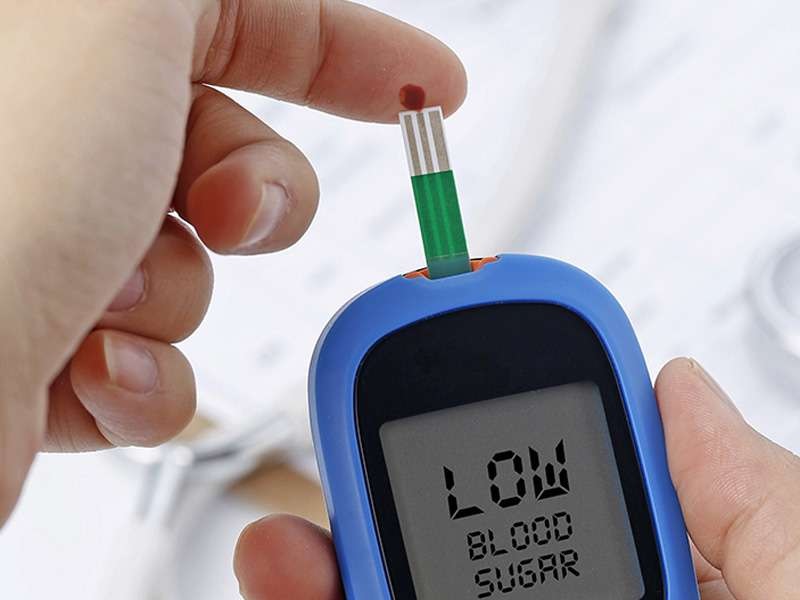
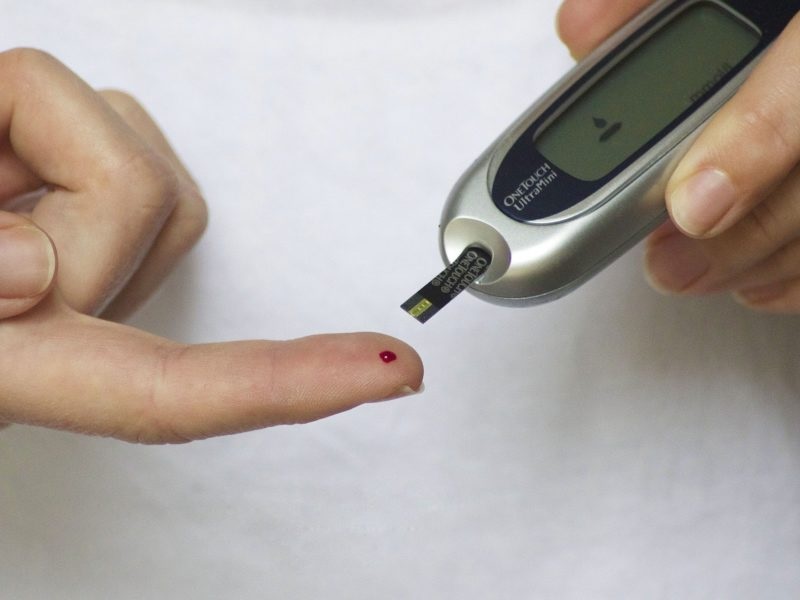
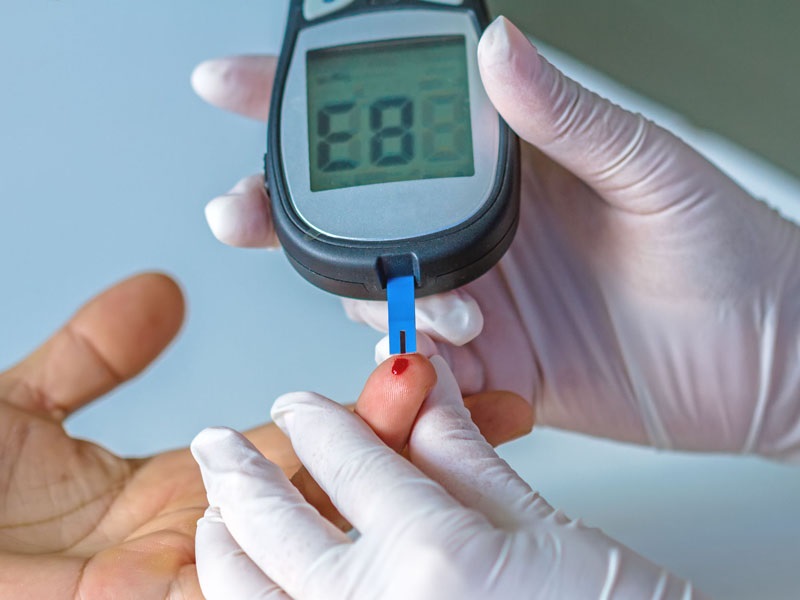
    Continuous glucose monitoring involves wearing a small sensor on the skin that measures blood sugar levels throughout the day. The sensor is connected to a transmitter that sends the data to a receiver or smartphone app, allowing the user to see their blood sugar levels in real-time and track trends over time. CGM can provide more detailed information about blood sugar levels than traditional blood glucose testing, which involves pricking the finger and testing a drop of blood.

    How Does Continuous Glucose Monitoring Help Manage Diabetes?

    CGM can help people with diabetes manage their blood sugar levels more effectively by providing more detailed information about how different foods, activities, and medications affect their blood sugar levels. By tracking blood sugar levels in real-time, CGM can also help people avoid dangerous highs and lows that can lead to complications.

    CGM can also help people with diabetes make more informed decisions about their diet and exercise habits. For example, if someone sees that their blood sugar levels spike after eating a certain type of food, they can make changes to their diet to avoid those spikes in the future.

    Improving Outcomes with Continuous Glucose Monitoring

    Studies have shown that using CGM can lead to improved diabetes outcomes, including better blood sugar control and reduced risk of complications. One study published in Diabetes Care found that people with type 1 diabetes who used CGM had better blood sugar control and fewer episodes of hypoglycemia compared to those who used traditional blood glucose testing.

    Another study published in The Lancet Diabetes & Endocrinology found that using CGM led to significant reductions in A1C levels (a measure of blood sugar control over time) in people with type 2 diabetes. The study also found that CGM use was associated with improved quality of life and reduced diabetes-related distress.

    Continuous glucose monitoring is a valuable tool for managing diabetes and improving outcomes. By providing detailed information about blood sugar levels in real-time, CGM can help people with diabetes make more informed decisions about their diet, exercise, and medication habits. Studies have shown that using CGM can lead to better blood sugar control and reduced risk of complications. If you have diabetes and are looking for ways to better manage your blood sugar levels, talk to your healthcare provider about whether continuous glucose monitoring may be right for you.

  • Stress Management and Diabetes: Importance and Strategies

    Stress Management and Diabetes: Importance and Strategies

    Diabetes is a chronic disease that affects millions of people worldwide. It occurs when the body is unable to properly use and store glucose, leading to high levels of sugar in the blood. While genetics and lifestyle factors such as diet and exercise play a significant role in the development of diabetes, stress is also a major contributing factor.

    The Link Between Stress and Diabetes

    Stress triggers the body’s “fight or flight” response, causing a surge in hormones such as cortisol and adrenaline. These hormones increase blood sugar levels, making it harder for the body to regulate glucose. Over time, chronic stress can lead to insulin resistance, a condition in which the body becomes less responsive to insulin, the hormone that regulates blood sugar levels.

    Insulin resistance is a key factor in the development of type 2 diabetes, the most common form of the disease. In addition, stress can also lead to unhealthy coping mechanisms such as overeating or smoking, which further increase the risk of diabetes.

    The Benefits of Stress Management

    Managing stress is essential for preventing and managing diabetes. By reducing stress levels, the body is better able to regulate blood sugar and insulin levels. In addition, stress management can help individuals make healthier lifestyle choices, such as eating a balanced diet, exercising regularly, and getting enough sleep.

    There are many effective stress management techniques, including:

    • Exercise: Physical activity releases endorphins, which can help reduce stress levels.
    • Meditation: Mindfulness practices such as meditation or deep breathing can help calm the mind and reduce stress.
    • Yoga: Yoga combines physical movement with mindfulness practices, making it an effective stress management tool.
    • Talk therapy: Speaking with a therapist can help individuals identify and manage sources of stress in their lives.
    • Time management: Learning to prioritize tasks and manage time effectively can reduce feelings of overwhelm and stress.

    Incorporating Stress Management into Diabetes Management

    For individuals with diabetes, stress management should be an integral part of their overall diabetes management plan. By reducing stress levels, individuals can improve their blood sugar control and reduce the risk of complications such as heart disease and nerve damage.

    Diabetes management should also include regular monitoring of blood sugar levels, taking medication as prescribed, and making healthy lifestyle choices such as following a balanced diet and exercising regularly.

    Stress is a major contributing factor in the development of diabetes, but it is also a modifiable risk factor. By incorporating stress management techniques into their daily routine, individuals can reduce their risk of developing diabetes and improve their overall health and well-being.

  • Low-Carb Diets and Blood Sugar Levels: Exploring Effectiveness

    Low-Carb Diets and Blood Sugar Levels: Exploring Effectiveness

    Low-carb diets have gained widespread popularity in recent years, with many people turning to this approach in an effort to manage their blood sugar levels and lose weight. But how effective are these diets, and what does the science say about their impact on our health?

    The Basics of Low-Carb Diets

    Low-carb diets typically involve reducing the amount of carbohydrates you consume, while increasing your intake of protein and healthy fats. This can be achieved by cutting out or limiting foods such as bread, pasta, rice, and sugary snacks, and focusing instead on foods such as meat, fish, eggs, nuts, and leafy greens.

    One of the main benefits of a low-carb diet is that it can help to stabilize blood sugar levels. When we eat carbohydrates, our bodies break them down into glucose, which is then used for energy. However, if we consume too many carbs at once, our blood sugar levels can spike, leading to a crash later on. By reducing carb intake, we can prevent these spikes and crashes, and maintain more stable blood sugar levels throughout the day.

    The Impact on Weight Loss

    But what about weight loss? Can a low-carb diet really help us shed the pounds? The answer appears to be yes. Several studies have shown that people who follow a low-carb diet tend to lose more weight than those who follow a low-fat diet.

    One study published in the Annals of Internal Medicine found that people who followed a low-carb diet for one year lost an average of 7.7 pounds more than those who followed a low-fat diet. Another study published in the New England Journal of Medicine found that people who followed a low-carb diet for six months lost an average of 15.2 pounds, compared to just 4.6 pounds for those on a low-fat diet.

    The Potential Risks

    While low-carb diets can be effective for managing blood sugar levels and weight loss, they are not without potential risks. Some experts warn that consuming too much fat and protein can increase the risk of heart disease, while others caution that low-carb diets may lead to nutrient deficiencies if not properly balanced.

    It’s also important to note that not everyone may benefit from a low-carb diet. People with certain medical conditions, such as kidney disease, may need to limit their protein intake, while those with diabetes may require a different approach to managing blood sugar levels.

    The Bottom Line

    Overall, low-carb diets can be an effective tool for managing blood sugar levels and weight loss. However, it’s important to approach this approach with caution and to seek guidance from a qualified healthcare professional. By working with a healthcare provider, you can develop a personalized plan that takes into account your individual needs and goals, and ensures that you are getting the nutrients your body needs to stay healthy.