Tag: dentist

  • What Should You Do About Your Broken Bracket On Your Braces?

    What Should You Do About Your Broken Bracket On Your Braces?

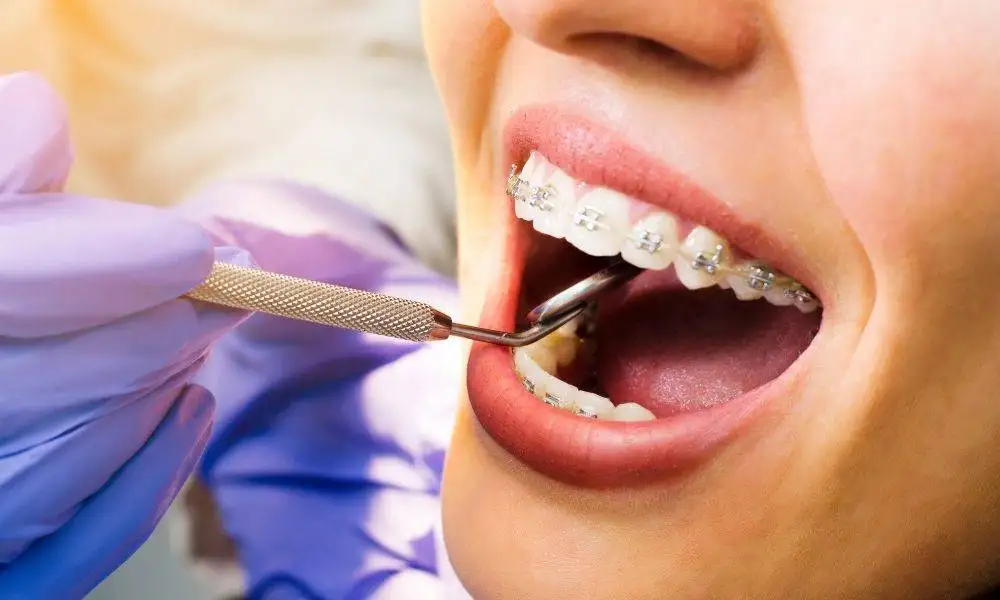
    The application and management of braces can be a complicated process; it is a technique for correcting teeth settings to provide you with a beautiful smile, and it requires maintenance from time to time. Wires might extend the teeth movement, eventually leading to the loosening of brackets and wearing of teeth in the gum tissue. You can find several dental clinics in Livermore, California, providing braces. Various reasons, like having sticky food or meeting with an accident, might cause the breakage or tearing of brackets or wires, causing intense pain. Consulting with a Livermore dentist might help you with professional care during this situation.   

    What causes broken braces?

    If you are dealing with braces currently, some unavoidable mishaps might happen to you in the future, so to avoid them, there are some things you can do. Read more to learn more. The most common ways by which your braces can break may include:

    Consuming sticky and hard food 

    Having hard and sticky food can cause severe damage to your braces. Sticky and hard foods like popcorn, nuts, caramel, chewing gum, and candies severely cause damage to your braces and lead to breakage.

    If you have trauma and injury 

    Accidents may happen anytime, anywhere, and they sometimes lead to trauma and injury to the oral area of the person, resulting in broken braces. These injuries can occur during the time of indulging in sports, falls, or other accidents where the mouth is affected. Wearing a mouthguard during these events might help.  

    Having Poor oral hygiene 

    Oral hygiene plays a crucial role in fixing the overall dental health conditions of the mouth. Poor oral hygiene practices might lead to broken braces. Buildups of plaque in and around the poaches and wires may become dislodged, causing the wire to break. 

    Chewing of non-edible items 

    Items like pens, fingernails, pencils, or chewing gums can cause unnecessary pressure on the braces, leading to the risk of breakage. 

    broken braces

    What do you do if the braces tend to break?

    Even if taking measures, the braces tend to break; here are some tips to perform at first without any delay:

    Assess the situation 

    The foremost thing to do when you discover any breakage to the teeth is to examine the area properly. Do not manipulate or touch the area to avoid the risk of further damage; do not even use your tongue, as it can also cause injury to the area, worsening the situation.  

    Rinse your mouth 

    Take the help of lukewarm water and gently rinse your mouth with it to remove any food particles or buildups that might be present in that area.

    Examine for shape edges

    Sometimes, the broken braces may have sharp edges that may cause cuts or discomfort in your mouth containing soft tissues. Orthodontics might use wax to clear those areas to prevent them from causing damage to your mouth. 

    Contact your dentist  

    Your dentist is your rescuer; rush to your dentist as only they can help you in that situation. Contact your dentist by phone to make the earliest appointment possible and take notes on how to manage it for a temporary crisis. 

    Attend scheduled appointments

    Always make sure to attend the appointments on time for routine checkups and for recommendations from your dentists. They will stay proactive and help you to get the perfect treatment without any delays. 

    My braces are broken. Can I fix it at home?

    No, you should not try to touch that affected part any further. The foremost thing is to see your dentist. Fixing the braces at home may worsen the situation. You may also use orthodontic wax to reduce any further irritation caused by it. 

    Can we call an emergency on a broken brace?

    Typically, broken braces cannot be termed as an emergency, but they must be treated as soon as possible by your dentist. 

  • Understanding Temporary Dental Crowns: What You Need to Know

    Understanding Temporary Dental Crowns: What You Need to Know

    Temporary dental crowns are an essential part of the dental restoration process, serving as a placeholder until a permanent crown is created and cemented into place. In this article, we will delve into the world of temporary dental crowns Honolulu HI, exploring their purpose, benefits, types, and what to expect during the procedure.

    What are dental crowns?

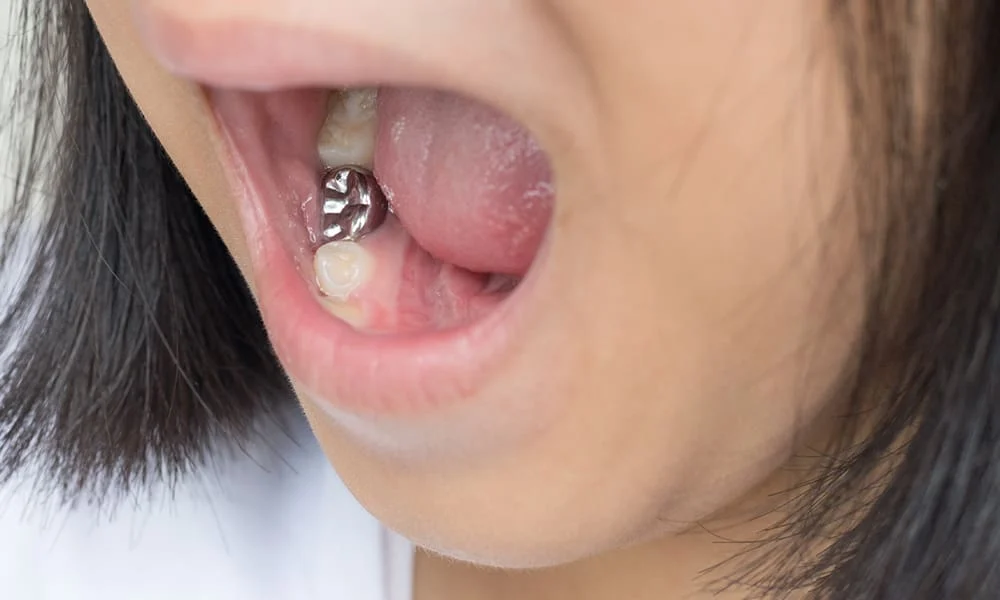
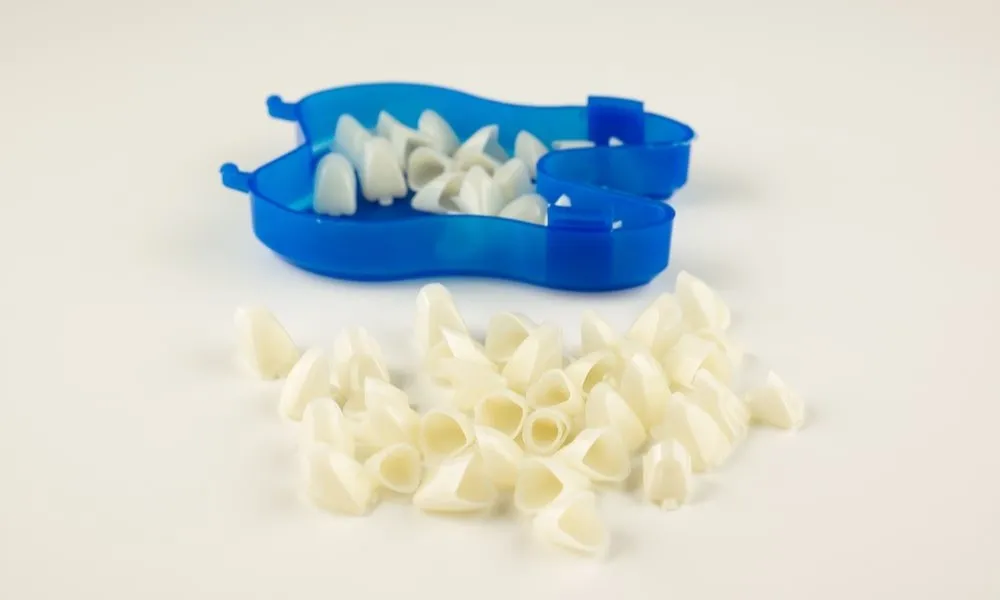
    A temporary dental crown, also known as a provisional crown, is a short-term, removable restoration that covers a prepared tooth until a permanent crown is fabricated and cemented into place. Typically made from acrylic, plastic, or stainless steel, temporary crowns are designed to protect the tooth from decay and sensitivity, maintain its shape and appearance, and enable normal chewing and speaking functions. 

    They are usually cemented or bonded into place with a temporary adhesive, allowing for easy removal when the permanent crown is ready. 

    Types of temporary dental crowns:

    • Plastic or resin crowns
    • Stainless steel crowns (for children’s primary teeth)
    • Acrylic or polymethyl methacrylate (PMMA) crowns
    • 3D-printed temporary crowns

    What is the purpose of temporary dental crowns?

    The purposes of temporary dental crowns are:

    • Protection: Shield the prepared tooth from decay, sensitivity, and further damage.
    • Aesthetics: Maintain a natural-looking smile and appearance.
    • Functionality: Enable normal chewing, speaking, and biting functions.
    • Healing: Allow the gum tissue to heal and recover from tooth preparation.
    • Assessment: Enable the dentist to assess the bite, make adjustments, and ensure proper occlusion.
    • Placeholder: Hold the space for the permanent crown, preventing surrounding teeth from shifting.
    • Comfort: Provide relief from sensitivity and discomfort during the interim period.
    • Trial: Allow the patient to try out the shape, size, and appearance of the crown before the permanent one is made.

    How are temporary dental crowns fabricated?

    dental crowns

    The procedure for temporary dental crowns typically involves the following steps:

    • Tooth preparation: The dentist prepares the tooth by removing the decay, shaping the tooth, and making room for the crown.
    • Impression taking: An impression of the prepared tooth and surrounding teeth is taken to create a temporary crown.
    • Temporary crown fabrication: The dentist creates a temporary crown using the impression, usually out of acrylic or stainless steel.
    • Cementation or bonding: The temporary crown is cemented or bonded onto the prepared tooth using a temporary adhesive.
    • Adjustments: The dentist makes any necessary adjustments to ensure proper fit, bite, and comfort.
    • Instructions: The patient is given instructions on how to care for the temporary crown, including diet and oral hygiene.
    • Follow-up: A follow-up appointment is scheduled to check on the temporary crown and prepare for the permanent crown placement.

    What are the benefits of temporary dental crowns?

    The benefits of temporary dental crowns include:

    • Immediate protection: Protects the prepared tooth from decay, sensitivity, and further damage.
    • Aesthetic appeal: Maintains a natural-looking smile and appearance.
    • Functional: Enables normal chewing, speaking, and biting functions.
    • Comfort: Provides relief from sensitivity and discomfort during the interim period.
    • Healing: Allows the gum tissue to heal and recover from tooth preparation.
    • Assessment: Enables the dentist to assess the bite, make adjustments, and ensure proper occlusion.
    • Placeholder: Holds the space for the permanent crown, preventing surrounding teeth from shifting.
    • Trial: Allows the patient to try out the shape, size, and appearance of the crown before the permanent one is made.
    • Reduced sensitivity: Reduces tooth sensitivity during the interim period.
    • Easy removal: This can be easily removed when the permanent crown is ready.
    • Cost-effective: Less expensive than permanent crowns.
    • Time-saving: This can be fabricated and placed in a single visit.

    Temporary dental crowns play a vital role in the dental restoration process, providing protection, aesthetics, and functionality until a permanent crown is placed. By understanding the purpose, benefits, and types of temporary crowns, patients can better navigate the process and ensure a successful outcome. Remember, proper care and maintenance of temporary crowns are crucial for a smooth transition to permanent crowns.

  • The Dental Crown Process in Richmond IN

    The Dental Crown Process in Richmond IN

    Dental crowns-using them to repair damaged teeth and improve your oral health. Before you get same day crowns in Richmond, IN take time to find out about the process so that it can make you more comfortable and prepared for your treatment. Here is a comprehensive article that details the dental crown procedure from consultation to final placement.

    Initial Consultation & Examination

    When it comes to getting a dental crown, the procedure begins with your dentist providing you with an initial appointment. At this appointment, your dentist will carefully check the inside of your mouth and examine teeth to see if a dental crown is the correct treatment for the patient

    Tooth Preparation

    After you and your dentist have discussed that a dental crown is the best course of action, they prepare the affected tooth. Local Anesthesia is usually injected to numb both tooth and gum tissues. Any tooth decay or damaged part of the tooth is removed by your dentist. They will then file down the tooth creating more room for the crown to fit around. This shaping is done to allow the crown that will be placed over your tooth, to fit nicely and tightly. If extensive tooth decay or damage has destroyed the natural crown portion of the tooth, a filling material may be used to build up enough foundation for the crown (Building Up the Tooth).

    Taking Impressions

    Once the tooth is prepared, your dentist will take impressions of your teeth. These impressions are then used to make a crown that seamlessly fits in your mouth.

    Temporary Crown in Place

    At this time, a temporary crown will be put over the tooth while your permanent crown is being made. A temporary crown protects the tooth and you can eat or speak just like natural teeth until your permanent dental crown is ready. Temporary crowns made of acrylic or composite materials can be easily removed.

    Putting the Temporary Crown: The dentist will securely put the temporary crown on your prepared tooth and hold it set up with transitory concrete.

    Care Instructions: You will receive care instructions to take proper care of your temporary crown, including tips on what foods you should avoid eating and how to practice good oral hygiene.

    Temporary Crown

    Fitting and Cementing the Final Crown

    In the next visit to the dentist’s office, you will have your final crown placed which will happen once it has been made. This appointment requires many essential steps.

    • Elapse of Temporary Crown: The dentist will carefully take away the temporary crown from the equipped teeth and tidy it.
    • Assessment of the Fit and Color: When white crowns are firm enough to stick permanently, they should be set atop your tooth to inspect the fitting. The crown may be adjusted, as required to make it look natural and comfortable.
    • Even the Cement: This area inside of typically the crown is covered together with dental cement.
    • Crown Placement: The crown is set onto the well-prepared tooth, also pushed that offer it matches closely.
    • Cement cure time: With some types of cement, you have to shine a special light on it so the material can harden.

    Dental crowns are a multi-part procedure that repairs function and aesthetics as well as saves overall tooth health. Knowing every step of the process, starting from your initial consultation and ending with placing your finished crown will help patients in Richmond, IN feel more secure about moving forward to treatment. To ensure your dental crown continues to be comfortable and last, you must maintain regular oral hygiene appointments with your or hygienist so they can help keep an eye on the condition.

  • Emergency Tooth Extraction in Indianapolis, IN

    Emergency Tooth Extraction in Indianapolis, IN

    Unexpected dental crises sometimes happen, and in certain cases, an emergency tooth extraction is the only course of action, says a dentist in Indianapolis, IN. It is essential to know what to anticipate from the process and how to heal well to reduce pain and maintain good dental health. This page offers a thorough guide on emergency tooth extraction in Indianapolis, IN, including information on the procedure, justifications for extraction, and suggestions for healing.

    When Do You Need an Emergency Tooth Extraction?

    In other instances, emergency tooth removal is unavoidable when any free or infected tooth may be extracted to prevent decay. Emergencies for tooth extractions may include:

    • Severe Tooth Decay: When tooth decay has advanced to the point where restoration with a filling, crown, or other procedure is not possible.
    • Infection: If antibiotics or root canal therapy are ineffective against a tooth infection, like an abscess, the tooth will need to be extracted so that it does not spread.
    • Damage: Fractured or broken teeth resulting from accidents and trauma that are unsalvageable by other dental procedures.
    • Painful, Swollen, or Damaged Impacted Teeth: Wisdom teeth that cause pain and swelling in the gum line cause inflammation in the area due to infection up there.

    The Process of Emergency Tooth Extraction

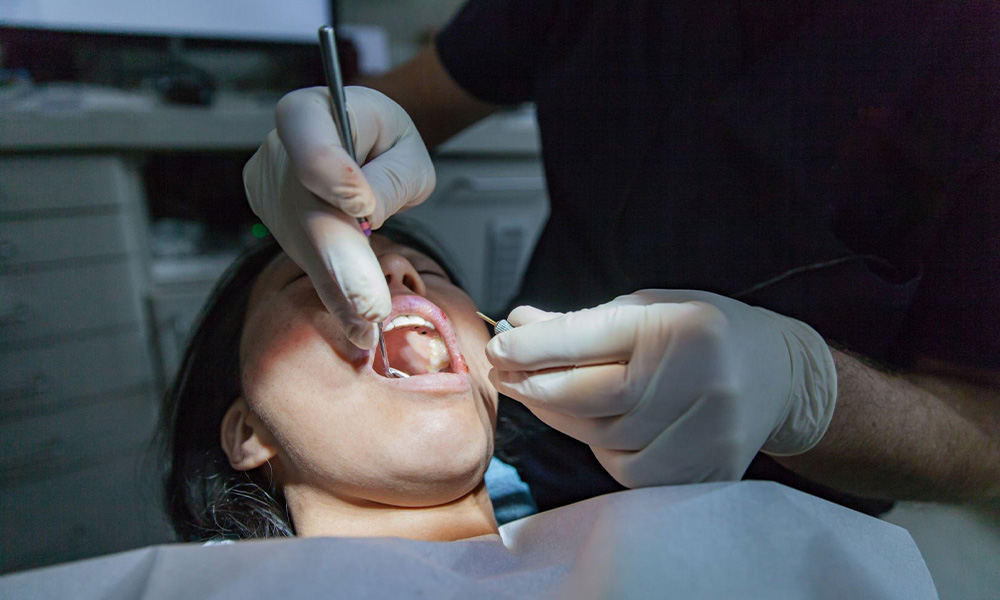
    tooth extraction

    Here’s what to anticipate during a tooth extraction surgery if you need one done quickly in Indianapolis, IN:

    Initial Exam and X-rays: To evaluate the state of the tooth and surrounding tissues, the dentist will do an extensive examination and take X-rays. This aids in choosing the most effective extraction strategy.

    Anesthesia: Local anesthesia is arrested over the specific space where the tooth needs to be extracted. We do offer sedation in some cases for anxious patients; or on complex extractions.

    Tooth Extraction: The dentist will most likely have to perform a simple or surgical extraction of the tooth.

    • Uncomplicated Extraction: This type of extraction is performed for teeth that are fully visible or appear above the gum line. The dentist uses an elevator to elevate the tooth and then uses forceps to remove it.
    • Extraction: Surgery for teeth that are broken completely at the gumline or are impacted. The dentist then cuts the gum to access the tooth, and may also need to remove some of the bone covering it or cut up the tooth into pieces before taking it out.

    Recovery Advice for Urgent Tooth Extraction 

    For a patient to recover well from an emergency tooth extraction, proper aftercare is crucial. The following advice can help you heal properly. To stop bleeding, gently bite down on a gauze pad that has been put over the extraction site. It usually takes a few hours for the bleeding to cease, so change the gauze as required. To control pain, take over-the-counter medications like ibuprofen. To minimize swelling, place an ice pack on your face for 20 minutes at a time.

    Emergency Dentist in Indianapolis, IN

    If you are in this position and need an emergency tooth extraction from Indianapolis, IN, be sure to act quickly. Most dental clinics in the neighborhood provide emergency treatments to restore vital issues with time and relief. When choosing an emergency dentist, you need to choose the one who has more experience in dealing with dental emergencies and also their availability along with patient reviews which tell whether providing quality care or not.

    Receiving an emergency tooth extraction is a stressful event, but knowing what to expect can make the experience more bearable. Many skilled dentists in Indianapolis, IN, are ready to assist you regarding emergency dental care and help walk you through the extraction process or post-extraction recovery. With the above aftercare tips and your dentist working with you, transitioning back to normal will be a lot more routine for both of them.