Tag: Treatment

  • How Gummy Smile Makeovers Enhance Your Look

    How Gummy Smile Makeovers Enhance Your Look

    A gummy smile, also known as excessive gingival display, is a dental condition where an excessive amount of gum tissue is visible when a person smiles. This can make the teeth appear shorter and the smile less aesthetically pleasing. A gummy smile can be caused due to several factors, and early intervention by the family dentist in Rancho Cucamonga, CA, is crucial to restoring oral form, function, and aesthetics. 

    To know more about a gummy smile, its causes, symptoms, and treatment, read on! 

    What causes a gummy smile?

    A gummy smile can be caused by a variety of factors, including:

    • Excessive gum tissue: Having too much gum tissue can make the teeth appear shorter and create a gummy smile.
    • Short teeth: Naturally short teeth or teeth that have been worn down can contribute to a gummy smile.
    • Overbite: An overbite, where the upper teeth overlap the lower teeth, can cause the gums to appear more prominent.
    • Genetics: Some people may inherit a gummy smile due to their genetic makeup.
    • Gum inflammation or disease: Gingivitis or periodontitis can cause the gums to become inflamed and swollen, leading to a gummy smile.
    • Poor oral hygiene: Failing to brush and floss regularly can lead to gum disease and a gummy smile.
    • Hormonal changes: Hormonal fluctuations during pregnancy, puberty, or menopause can cause changes in the gums.
    • Medications: Certain medications, such as steroids and certain antidepressants, can cause gum overgrowth.
    • Abnormal tooth eruption: Teeth that don’t erupt properly can lead to a gummy smile.
    • Bite issues: Misalignment of the teeth or jaws can cause a gummy smile.
    • Gum recession reversal: In some cases, gum recession treatment can cause the gums to become too prominent.
    • Orthodontic treatment: In some cases, orthodontic treatment can cause the gums to become more visible.

    What are the symptoms of a gummy smile? 

    The primary symptoms of a gummy smile include:

    • Visible gum tissue: When smiling, an excessive amount of gum tissue is visible above the teeth.
    • Short teeth appearance: The teeth appear shorter than normal due to the excessive gum tissue.
    • Uneven gum line: The gum line may appear uneven or asymmetrical.
    • Gum tissue overgrowth: The gum tissue may be thicker or more prominent than usual.
    • Teeth appear small: The teeth may appear small or stubby due to the excessive gum tissue.
    • Smile asymmetry: The smile may appear uneven or lopsided.
    • Gum inflammation: The gums may be red, swollen, or inflamed.
    • Bleeding gums: The gums may bleed easily when brushing or flossing.
    • Sensitivity: Teeth may be sensitive due to exposed roots or receding gums.
    • Aesthetic concerns: A gummy smile can affect self-confidence and self-esteem.

    How is a gummy smile treated?

    Gummy Smile Makeovers

    Treatment options for a gummy smile include:

    • Gingivectomy: Surgical removal of excess gum tissue.
    • Crown lengthening: Surgical reshaping of the gum tissue and bone around the teeth.
    • Orthodontic treatment: Braces or clear aligners to address bite issues.
    • Veneers or bonding: Cosmetic dentistry to improve tooth appearance.
    • Laser treatment: Laser reshaping of the gum tissue.
    • Gum contouring: Reshaping the gum tissue to improve the smile.
    • Periodontal treatment: Treatment of underlying gum disease.
    • Teeth whitening: Whitening the teeth to improve their appearance.
    • Dental crowns: Covering the teeth with crowns to improve their appearance.
    • Surgical lip repositioning: Repositioning the lip to reduce gum visibility.
    • Botox injections: Relaxing the upper lip to reduce gum visibility.
    • Gum grafting: Grafting gum tissue to cover exposed roots.

    Wrapping up 

    It’s essential to consult a dentist or periodontist to determine the best course of treatment for a gummy smile. They will assess the individual’s unique situation and recommend the most effective solution. For personalized evaluation and treatment options, you can visit an experienced Attleboro dentist who specializes in cosmetic and gum contouring procedures.

    Overall, a gummy smile can be effectively treated with modern dental techniques, restoring confidence and a beautiful smile.

  • The Role Of Otolaryngologists In Managing Nasal Trauma

    The Role Of Otolaryngologists In Managing Nasal Trauma

    Nasal trauma is a common issue. It happens to all of us. We’ve all suffered a bumped nose during a playful tussle or an accidental collision. But, what happens when it gets serious? When the pain lingers and the obstruction persists? Otolaryngologists step in at these crucial moments. These are the doctors who specialize in treating conditions of the ear, nose, and throat. Today, we are diving deep into their role in managing nasal trauma, particularly focusing on nasal obstruction Los Angeles.

    What Otolaryngologists Do

    Otolaryngologists are like the superheroes of our airways. They treat everything from hearing loss to sinus issues. And yes, they manage nasal trauma too.

    Nasal Trauma and Its Impact

    Nasal trauma is not just about pain. It affects our breathing. It changes the way we speak. It can even change the shape of our faces. It’s a serious issue that demands professional attention.

    The Role of Otolaryngologists in Managing Nasal Trauma

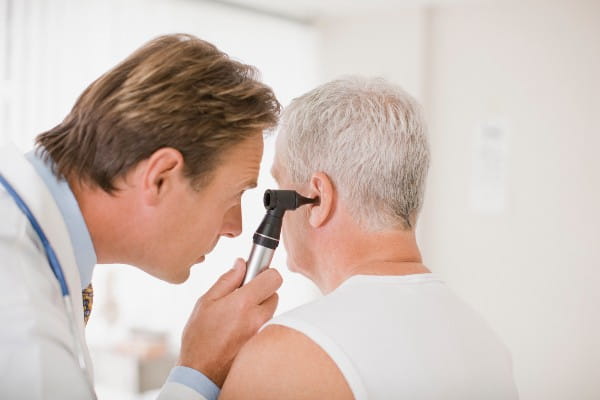
    When nasal trauma occurs, otolaryngologists are there to make things right. They evaluate the damage. They plan the treatment. They perform surgeries if needed. In short, they get us back to breathing easy.

    Otolaryngologists

    Treatment Options for Nasal Obstruction

    There are several treatment options for nasal obstruction. Medications can reduce swelling. Nasal strips can improve airflow. Surgeries like septoplasty can correct structural issues. The best treatment depends on the cause of the obstruction.

    Cause of Nasal Obstruction Treatment
    Swelling from Allergies Antihistamines, Steroids
    Deviated Septum Septoplasty
    Nasal Polyps Surgery, Steroids

    The Path to Healing

    Healing from nasal trauma is a journey. It starts with recognizing the problem. It continues with seeking help. It ends with successful treatment. Otolaryngologists guide us through this journey. They are there every step of the way.

    In conclusion, otolaryngologists play a vital role in managing nasal trauma. They are the difference between suffering in silence and breathing easily. They are the difference between a life hindered and a life lived fully. So, if you’re struggling with nasal trauma, don’t hesitate. Seek the help of an otolaryngologist today.

  • Unveiling The World Of Pediatric Orthopedic Surgery

    Unveiling The World Of Pediatric Orthopedic Surgery

    Welcome to the world of pediatric orthopedic surgery. This area of medicine focuses on the musculoskeletal issues affecting children. Yes, it can be a complex terrain to navigate. But, when handled with expertise, it can change lives. Their journey today will take us from the examination room to the operating theater. Along the way, we will also consider the groundbreaking work happening in Sciatica Washington, PA. Let’s pull back the curtain and take a closer look at this vital field.

    The Basics of Pediatric Orthopedics

    Children’s bones are not simply smaller versions of adult ones. They are growing and changing every day. This growth makes them susceptible to different kinds of injuries and disorders. Pediatric orthopedic surgeons are the guides who help navigate these unique challenges.

    Common Conditions

    From fractures to growth disorders, the range of conditions treated is vast. Some common ones include scoliosis, clubfoot, and hip dysplasia. Each one of these requires a unique approach and treatment plan.

    A Day in the Life of a Pediatric Orthopedic Surgeon

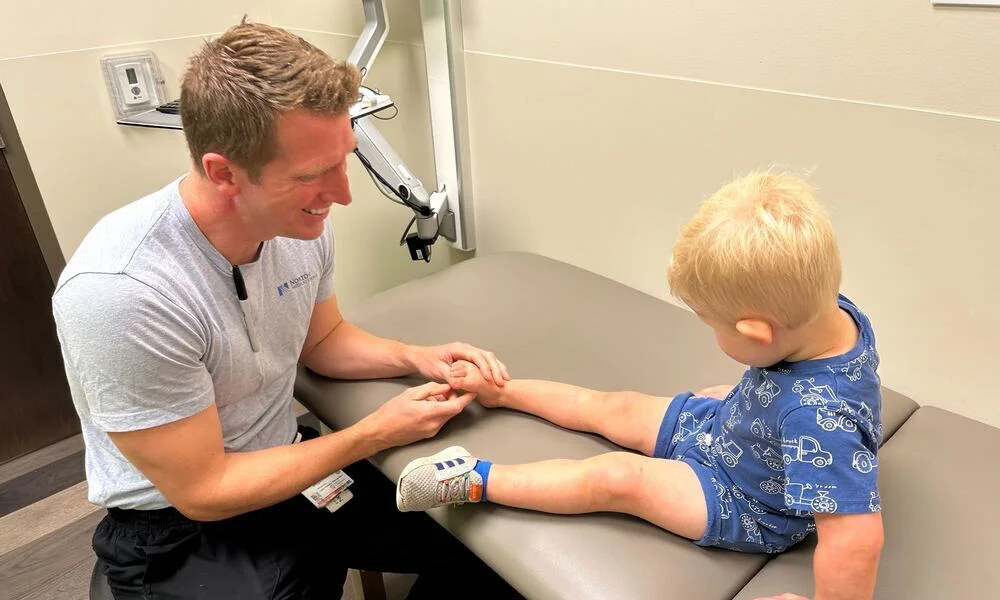
    Pediatric Orthopedic Surgeon

    Every day is different. Some days are spent in the operating room, others are spent consulting with families. No matter the task at hand, the goal remains the same – to help children lead healthy lives.

    Breaking Ground in Sciatica

    In a small corner of the country, big things are happening. Pediatric orthopedic surgeons are making strides in treating pediatric sciatica. This painful condition is often tricky to manage. But, their innovative approach is offering hope to many.

    The Numbers: Pediatric Orthopedic Surgery Data Table

    Condition Annual Incidence per 100,000 Children
    Scoliosis 5-7
    Clubfoot 1-2
    Hip Dysplasia 1-2

    These numbers show why pediatric orthopedic surgery is so important. Each of these conditions, when left untreated, can have serious consequences. But, with the right care and treatment, children can lead full and active lives.

    So, as we unveil the world of pediatric orthopedic surgery, remember this – it’s about more than just bones. It’s about changing lives, one child at a time.

  • How An Allergist Can Help With Exercise-Induced Asthma

    Exercise-induced asthma can be a hurdle in your path to fitness. You might feel like your lungs are giving up on you just when you need them the most. There’s hope, though. An allergist can provide you with important support to conquer this challenge. One of the potent tools they have in their arsenal is amarillo allergy shots. This blog will explore how these shots and other interventions can help you breathe easy while exercising.

    Understanding Exercise Induced Asthma

    Before we dive into the solutions, let’s understand the problem. Exercise-induced asthma refers to the narrowing of your airways during or after exercise. Symptoms include shortness of breath, wheezing, coughing, and chest tightness.

    Role of an Allergist

    An allergist is a doctor who specializes in the diagnosis and treatment of allergies. They can help manage exercise-induced asthma by identifying triggers and recommending appropriate treatment.

    How Amarillo Allergy Shots Work

    One such treatment is the use of Amarillo allergy shots. These injections contain a small amount of the allergens that trigger your asthma. Over time, these shots can reduce your immune system’s reaction to these allergens. The result? Reduced asthma symptoms during exercise.

    Other Interventions

    Primary Care

    Along with Amarillo allergy shots, allergists may recommend other interventions. These include medications, breathing exercises, and lifestyle changes. A combination of these methods often works best.

    Comparison of Treatments

    Let’s take a quick look at how these treatments compare:

    • Amarillo Allergy Shots: Long-term solution, reduces immune system’s reaction to allergens, requires regular visits to the allergist.
    • Medications: Quick relief, controls symptoms, may have side effects.
    • Breathing Exercises: Helps control breathing, no side effects requires practice and patience.
    • Lifestyle Changes: Includes avoiding triggers and maintaining a healthy lifestyle, has overall health benefits, requires commitment and discipline.

    Conclusion

    Exercise-induced asthma doesn’t have to stop you from enjoying your favorite activities. With the right help from an allergist and treatments such as Amarillo allergy shots, you can manage your symptoms effectively. Remember, it’s always important to consult with a medical professional before starting any new treatment.

  • Using Technology In Addiction Medicine: The Specialists’ Point Of View

    Using Technology In Addiction Medicine: The Specialists’ Point Of View

    Welcome. Technology holds immense potential in numerous fields, including addiction medicine. This blog post explores the use of technology in addiction medicine, from the perspective of leading specialists. We will discuss innovative practices, breakthroughs, and the role of anticraving medications Sherman Oaks. This practical guide aims to demystify the intricate landscape of addiction medicine for the curious mind. Let’s dive into this timely and important conversation.

    Technology and Addiction Medicine

    Medicine and technology have always been close allies, growing and evolving together. Modern technology enables precision, efficiency, and comfort in the treatment of addiction. Specialists now have tools that were once beyond imagination. These range from digital therapy tools to advanced medication strategies.

    The Role of Anticraving Medications

    One of the game-changers in addiction medicine is the use of anticraving medications. These medications are designed to reduce the desire for the addictive substance, aiding in the recovery process. In Sherman Oaks, specialists often utilize these medications, alongside other treatment methods, to assist individuals on their recovery journey. For more information about these medications, check here.

    Addiction Medicine

    Comparison of Traditional and Modern Addiction Treatment Approaches

    Approach Time Efficiency Comfort
    Traditional Longer Less Efficient Less Comfortable
    Modern (With Technology) Shorter More Efficient More Comfortable

    Conclusion

    Today, technology is not just an option in addiction medicine – it’s a necessity. It provides us with new ways to understand, treat, and overcome addiction. From enhancing the effectiveness of anticraving medications to reducing treatment times, technology continues to revolutionize this field.